

Salty lyrics and all, this kosher rapper is the real dill
Rami Even-Esh, or Kosha Dillz as he is known onstage, doesn’t dilute his identity for anyone — as his songs about Israel, BDS, addiction, and his daily life can attest
 Add ToI as a Preferred Source on Google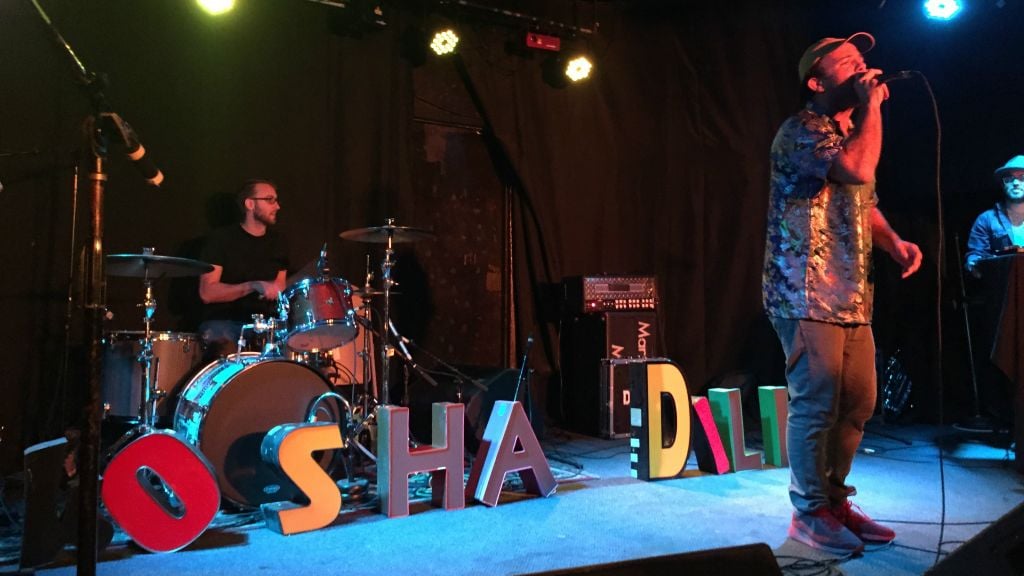
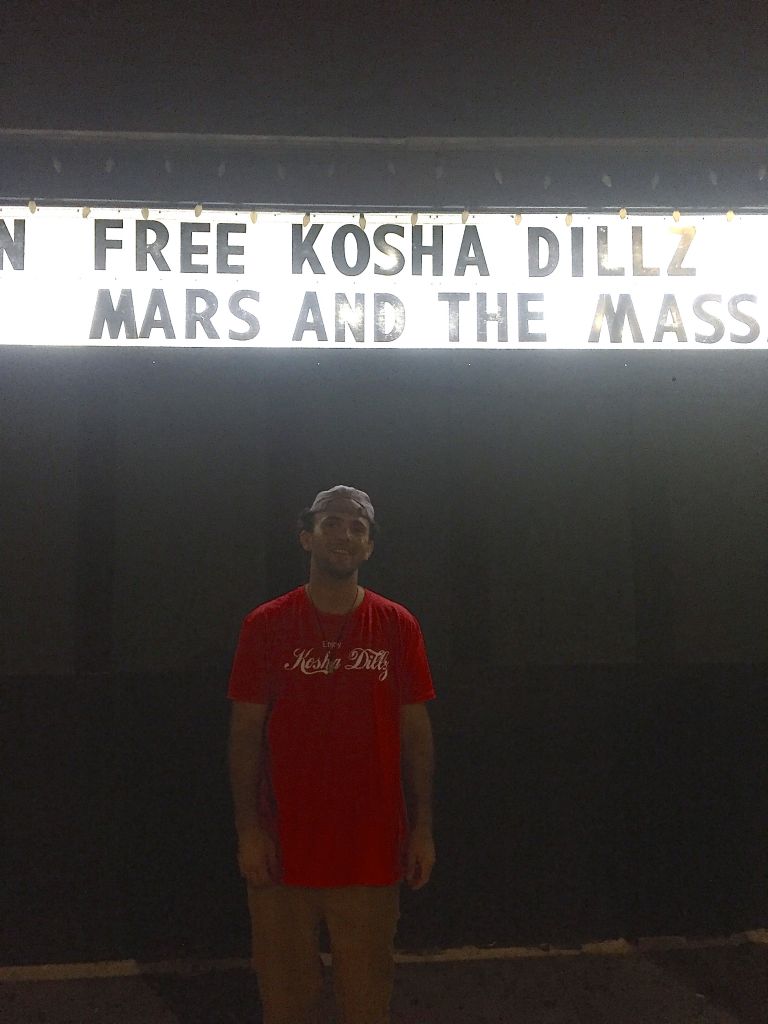
LOS ANGELES — On any given Monday night in October, it might have been difficult at first to distinguish Rami Even-Esh from anyone else milling around on the sidewalk outside the Satellite, a music venue in east LA’s trendy Silverlake neighborhood.
Illuminated by blue neon lights from the nearby taco truck and the brightness of the white marquee reading “Kosha Dillz,” you could usually spot him wearing a sweatshirt or “Kosh Hashana” jersey and baggy pants. Sporting a “chai” baseball cap and Star of David bling, he’d usher people inside, luring them with free pickles before he got onstage to rap.
The atmosphere was similar to most other hipster spots in LA, except here a normally understated Jewish flavor came to the fore. On the first night of his October residency at the Satellite, Even-Esh, better known by his briny rap moniker, opened with the song “Everything is Kosha.” His second week he built a sukkah, equipped with lulav, etrog, wine, challah, rabbi, and more. For gentiles, a Kosha Dillz concert is exposure to this hip thing that happens to be Jewish. For Jews, it’s an opportunity to reclaim Jewish as something cool.
“My job is filling the void in the Jewish community,” Kosha tells The Times of Israel, joking about his “Reformadox” Jewish identity. “It’s a necessary role, finding people who are on the Jewish level, or who are Jewish at these events, and having them connect with something they wouldn’t have connected with if I didn’t exist.”
Not many artists can open both for Wu-Tang Clan and for A-WA, nor would they want to, he adds. “It’s like this secret society of Jews who are in touch with pop culture and Jewish culture, and trying to unite them.”
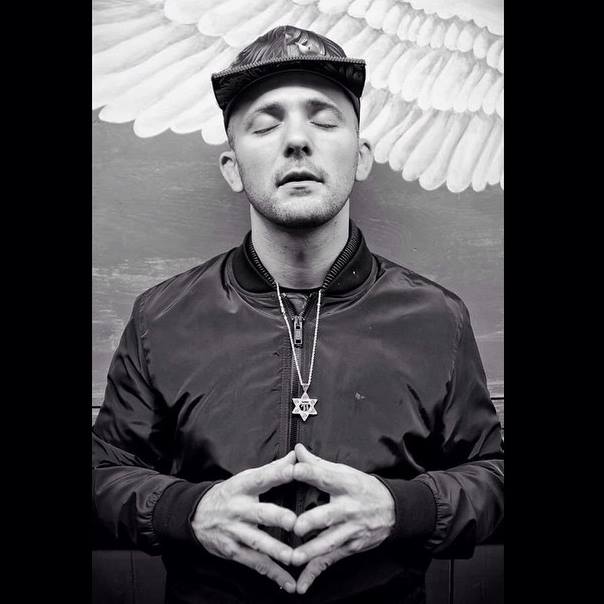
Kosha occupies a unique space, straddling and merging the Jewish, mainstream, and artistic worlds. Having performed globally in locales ranging from LA to New York, Ohio to Georgia, Germany to Israel, he’s rapped before audiences of black-hat Hasidim, Jewish college students, Latino, Asian, black, and white.
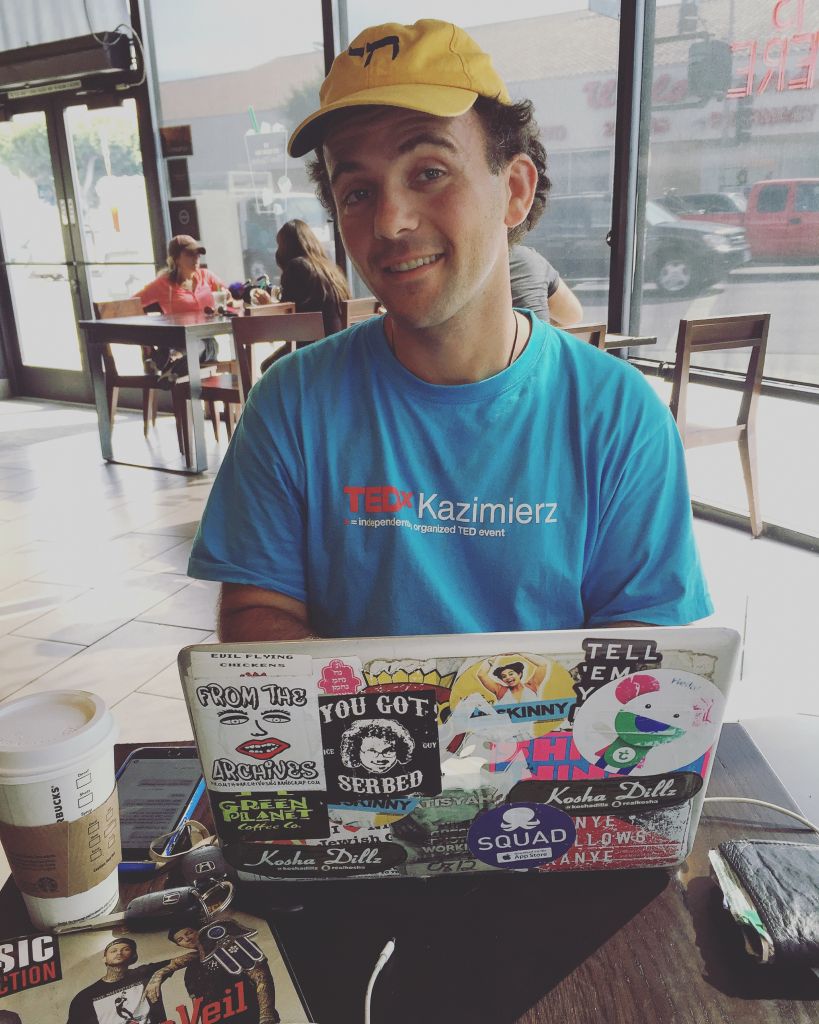
On his latest album, “What I Do All Day And Pickle,” Kosha’s Judaism remains central as he raps about Israel, BDS, and the Holocaust alongside tracks about his personal life. He charts the daily hustle of sending emails at Starbucks (the location at Pico-Robertson, LA’s “Jewborhood”), flirting with women, going to Shabbat, wrestling in high school, and overcoming addiction.
Born in New Jersey to Israeli parents, Kosha’s seedy past of using, selling and getting arrested for drugs adds a new dimension to how we conceive of the “Nice Jewish Boy” — and how we see Judaism intersecting with other seemingly dissonant sectors of society and culture.
The anti-BDS song “Dodging Bullets,” featuring Matisyahu, references the rampant anti-Semitism Kosha and other Jewish artists face.
“People freak out if you say ‘Israel,’ especially people who are anti-Israel,” says Kosha. “They think it means you hate Palestine, or you support war crimes. All I said was a word.”
The song speaks to when BDS interests temporarily canceled Matisyahu’s performance in Spain, or when Kosha and other Jewish artists’ websites were hacked by ISIS. Still, despite the daily influx of anti-Semitism such as Youtube comments like “zionazi” or “kike,” Kosha remains “unapologetic” about his Jewish Israeli identity.
Likewise, the song “So Many People” recounts his visit to Krakow and Auschwitz concentration camps. He says it felt weird watching people take selfies on the same grounds where dozens in his family had perished. “It never happened to you,” he raps. “Once people hate you for no reason at all, you might feel the same way, too.”
Though Kosha’s genre is Jewish rap, the album conveys the depth of his identity beyond the caricature of a Jewish artist wearing Jewish bling, rapping about Jewish issues.
“People don’t really know me at all,” Kosha says of the song “Don’t Know Shit.”
“You think you know me but you really don’t know shit, how I survived through jails and all the other shit,” he raps. “Frat party, coke head East Coast beat flows…Just another non-rich kid, get addicted…Pick up your daughter I got her home by six, kid. Don’t ask why I got a mad fly rabbi, pills in the pocket, okay, yea, I’m that guy.”
‘People freak out if you say “Israel.” All I said was a word’
Kosha started rapping at 16 to impress his peers, which led to his victories at freestyle rap battles in Manhattan’s East Village. Meanwhile, he graduated from high school varsity to college wrestling at Rutgers University before quitting the team at 20.
Within a few years, he dropped out of college (though he eventually returned) and had a drug habit and multiple arrests on his record. At the time, Johnny Depp from the movie “Blow,” in which he played a cocaine smuggler, was Kosha’s hero.
“Nice Jewish boys die from overdoses, they go to jail, they do drugs,” says Kosha. “We’re taught to portray an image, but what’s really going on under that? Depression, anxiety, neurosis, wanting to fit in.”
The songs “Varsity Blues” and “Beneath the Wound” also describe Kosha’s struggle to fit in during high school, his downward spiral into drugs, and reflecting on his life now 12 years sober.
“All I ever wanted to do was fit in, and being myself and not fitting in has led me to more success than I have ever imagined,” he posted on Facebook on the anniversary of his sobriety. “I didn’t need to have one drink or take one drink or drug since July 30, 2004. Don’t need to today. I probably won’t need one tomorrow.”
Since the official start of his professional rap career eight years ago when he reclaimed the name Kosha Dillz (he had temporarily called himself KDFlow), he says his music has become more open and personal.
“My music evolved to be more in touch with my emotions, to be more vulnerable,” Kosha says. “I’m trying to tap into those roots of being raw and not caring. I put my life into a song, all my feelings and thoughts.”
And with that rawness comes a degree of messiness and honesty about life not fitting neatly into a single brand or image. He raps about the nice Jewish boy who goes to jail; a series of fun tracks about his daily hustle; and then a heavier song about the Holocaust. Some songs might have Spanish and Hebrew simultaneously.
The album could have been called “What I Do All Day,” he says, but he threw in “Pickle” as a curveball.
“I don’t change for nobody,” Kosha says. “My whole purpose is to hold that integrity.”










The Times of Israel Community.