

Saudi Arabia to receive less advanced F-35 jets than Israel, US officials say
White House source tells Channel 12 that Washington will hold further talks with Israel to ensure fighter jet sale is balanced
 Add ToI as a Preferred Source on Google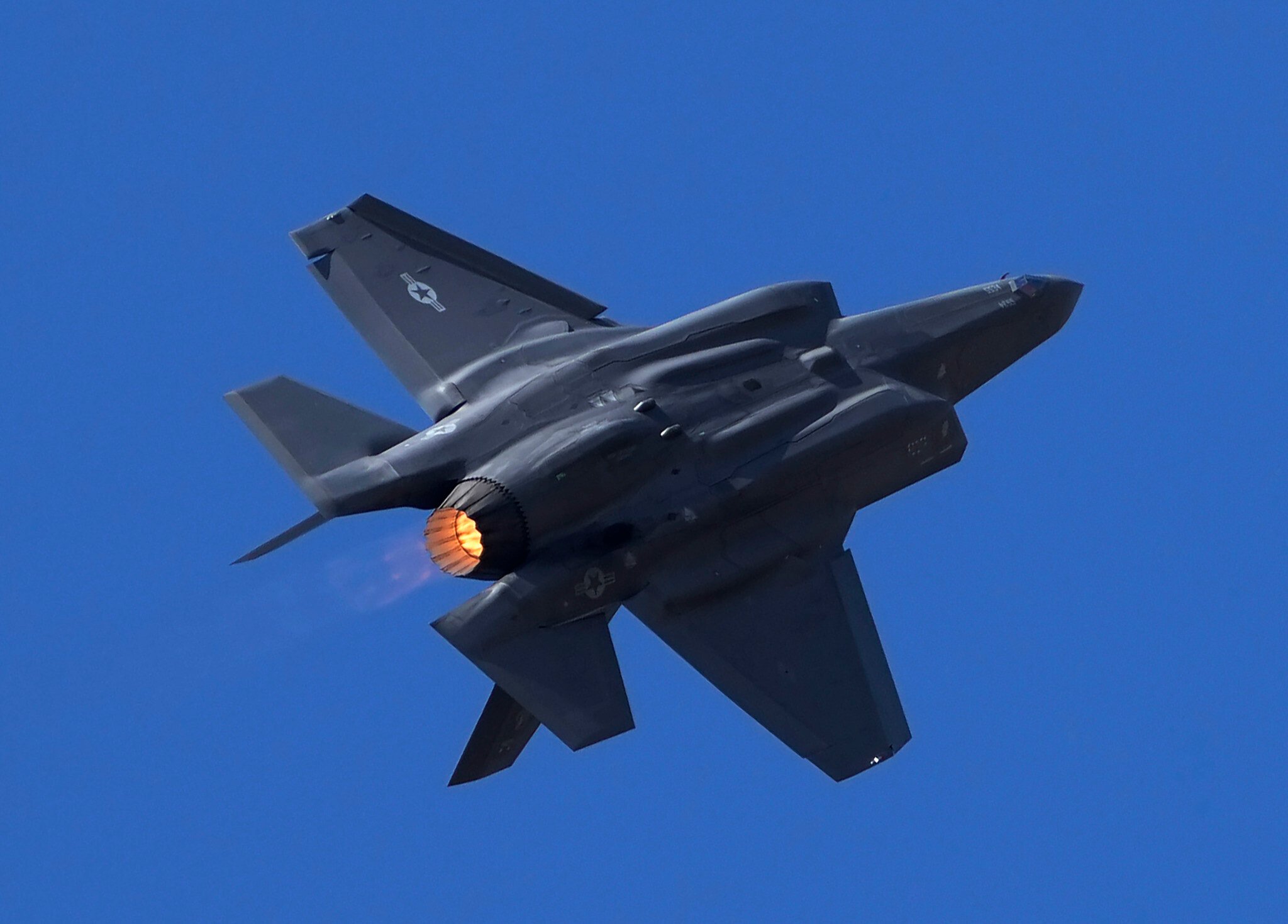
US officials and defense experts told Reuters on Wednesday that the F-35 fighter jets to be sold to Saudi Arabia will be less advanced than those used by the IDF, after Israel expressed concerns about how the agreement would affect its qualitative military edge in the region.
The unnamed officials told Reuters that the jets Riyadh will receive will not have some of the advanced weapons systems and equipment that Israel’s fleet possesses, as every jet is customized for the designated recipient.
They added that while Israel already has two squadrons of the US-made jets and another on order, Saudi Arabia will be limited to two squadrons only.
The officials also noted that any final sales to Saudi Arabia would have to be approved by Congress.
Meanwhile, a White House official told Channel 12 news on Wednesday that the Trump administration will hold further talks with Israel about the agreement, in order to ensure the deal is balanced.
Israel, which is currently the only country in the Middle East that has F-35s, has expressed concern over the US sale of the fighter jets to Saudi Arabia, fearing that it will compromise its military superiority.
The unnamed official told Channel 12 that “the Trump administration is committed to the law that says the US will maintain the IDF’s advantage in the Middle East” and assured the outlet that the administration would not break that promise.
At the same time, Channel 12 reported, the US is not willing to condition its sale of F-35s to Saudi Arabia on normalization with Israel, as Jerusalem had hoped, and Saudi officials have said there is no connection between the deal and any kind of agreement with the Jewish state. Riyadh has expressed interest in normalization of ties with Israel, but has long conditioned it on clear steps toward the establishment of a Palestinian state.
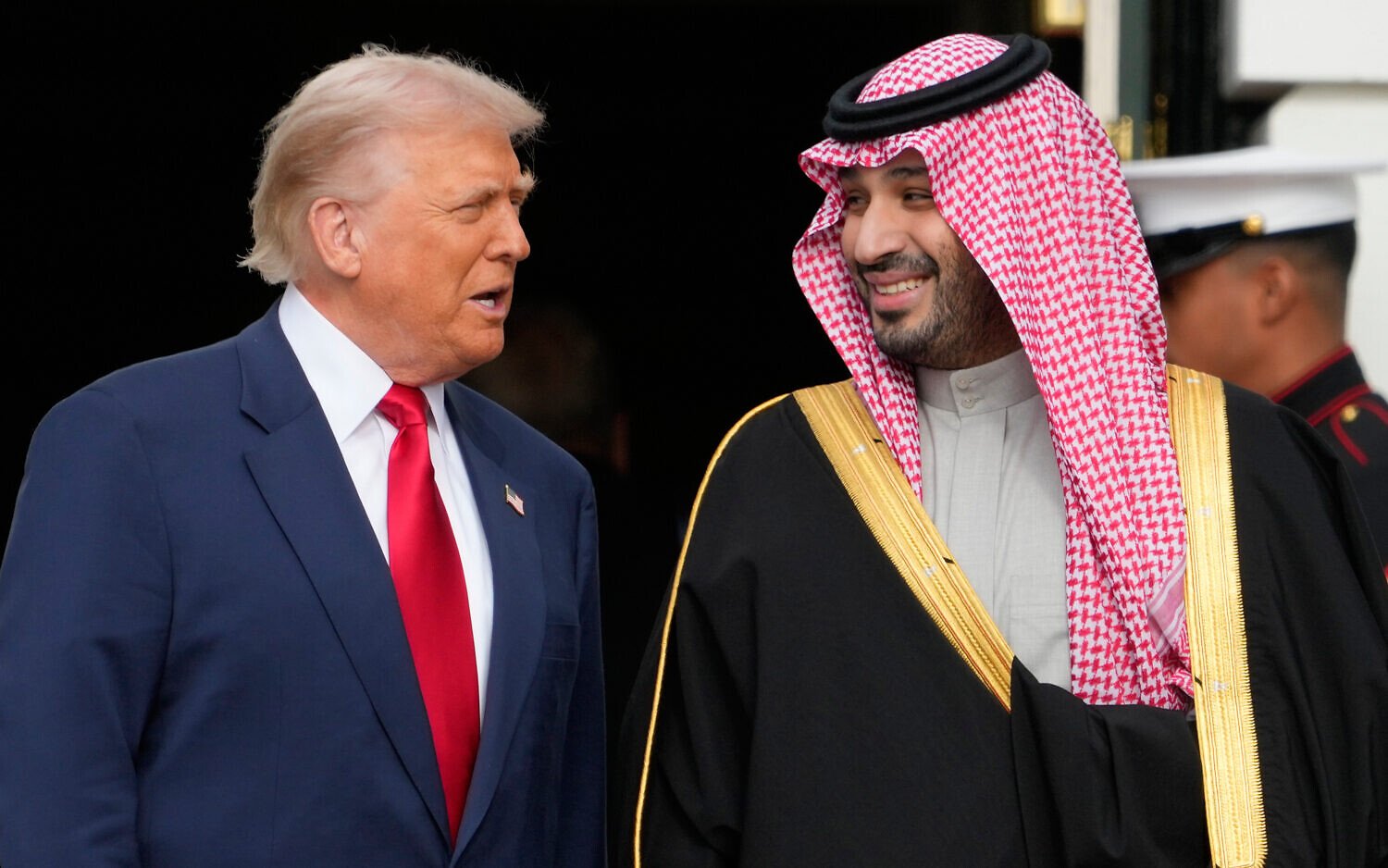
The US and Saudi Arabia agreed on the sale of F-35 jets during a White House visit by Saudi Crown Prince Mohammed bin Salman on Tuesday.
Other deals agreed by bin Salman and Trump covered a joint declaration on civil nuclear energy and the sale of nearly 300 tanks to Riyadh.
Trump also said he was designating Saudi Arabia a major non-NATO ally, a status that only 19 other countries, including Israel, have received.
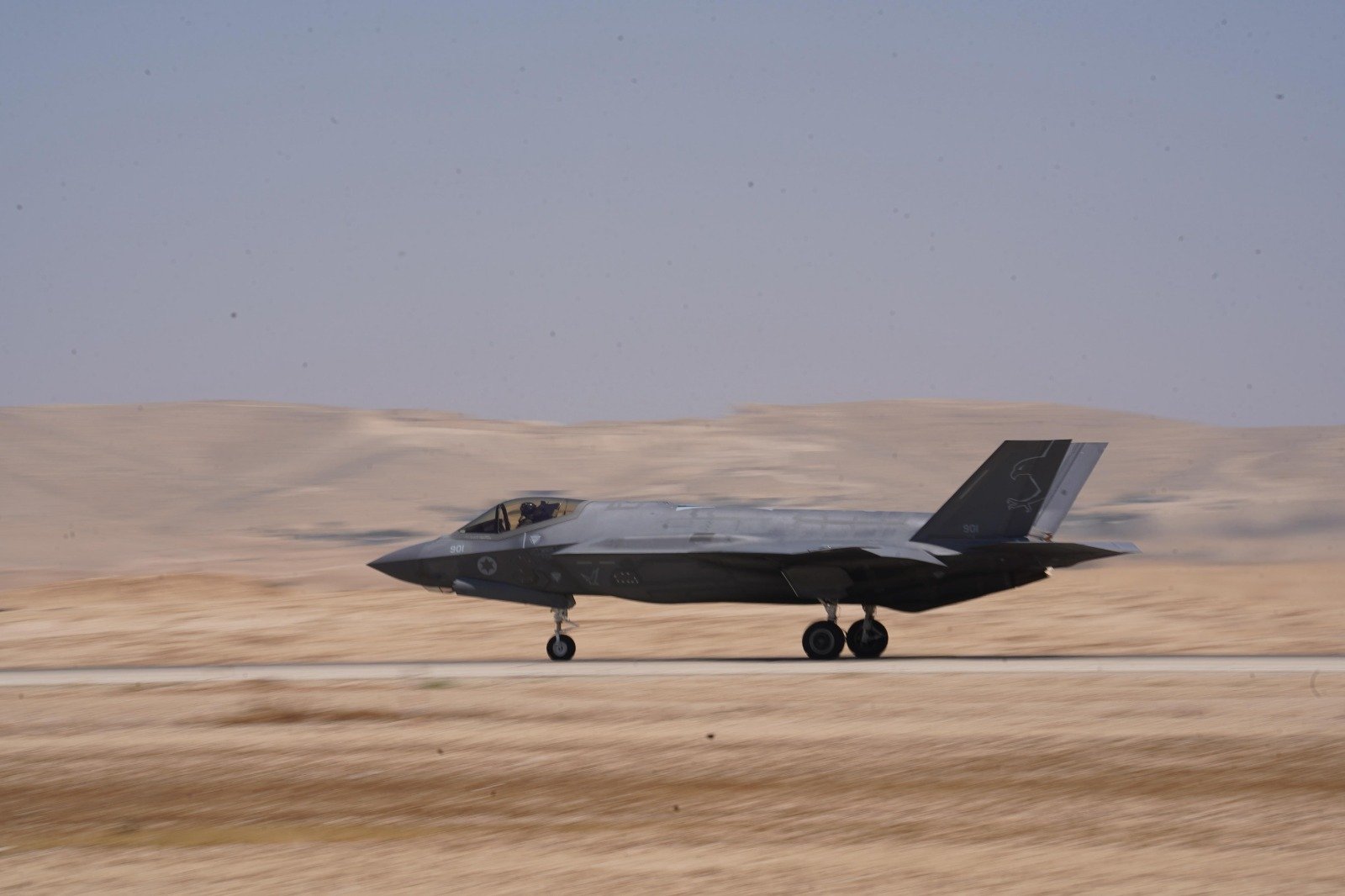
The IDF submitted a formal position paper to Israel’s political echelon after the US-Saudi deal was announced, in which the Israeli Air Force presented an explicit objection to the US’s sale of the advanced F-35 fighter jets to Saudi Arabia.
According to the document, Israel’s air superiority could be eroded if other countries in the Middle East possess the advanced stealth aircraft, a point over which Israel has expressed concern several times in the past.
Israel is anxious to preserve its qualitative military edge in the region by having the most advanced aircraft, and in the past worked to prevent the sale of the F-35 to other nearby countries, including Turkey and the United Arab Emirates.
Even if the sale goes through, it will likely take at least seven years for the first aircraft to be delivered, which Channel 12 noted gives Israel ample time to further negotiate the terms of the sale with the US.
Emanuel Fabian, Jacob Magid and Nurit Yohanan contributed to this report.






The Times of Israel Community.