

UK’s Starmer under fire for welcoming ex-prisoner who called to ‘kill all Zionists’
British-Egyptian Alaa Abd el-Fattah, who arrived in UK after years in Egyptian detention, apologizes for posts endorsing violence after opposition figures call for his deportation
 Add ToI as a Preferred Source on Google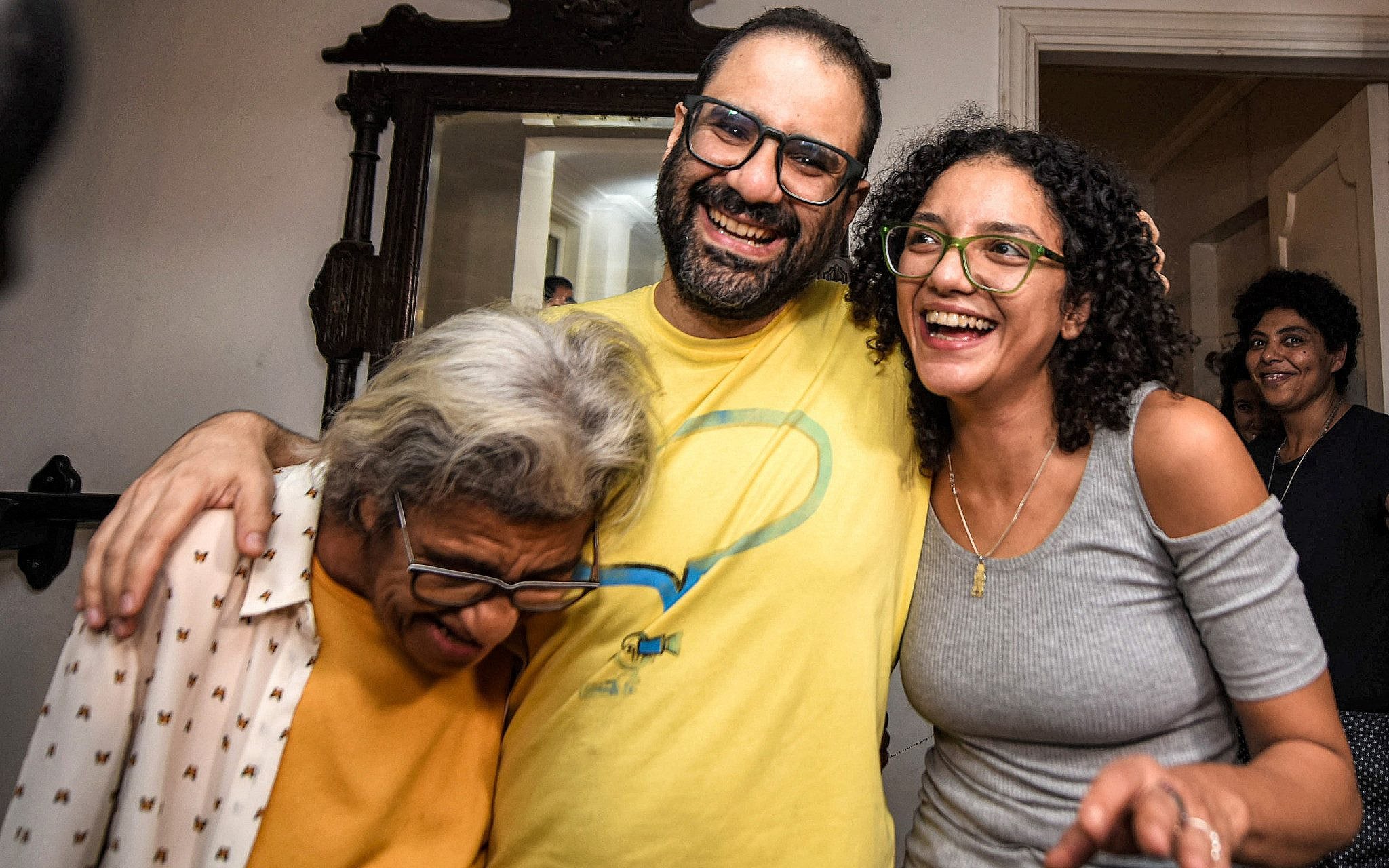
UK Prime Minister Keir Starmer was under pressure Sunday after “abhorrent” social media posts by a British-Egyptian activist came to light, days after the premier welcomed the former prisoner’s return to the country.
The activist, Alaa Abd el-Fattah, subsequently apologized for the posts.
Fattah only arrived back in the UK a few days ago, after years of diplomatic efforts by politicians across the aisle in London to secure his release from detention in Egypt.
But after old social posts emerged of him calling for violence against “Zionists” and the police, the opposition conservatives called Sunday for him to be stripped of his citizenship and deported to Egypt.
On Friday, Starmer had written that he was “delighted” Fattah had been reunited with his loved ones in the UK, after Egypt lifted its travel ban. Now Starmer is facing calls to retract those comments.
Following the uproar — including a condemnation from Starmer’s own government — Fattah apologized for the posts, many of which were published from 2010 to 2014. He said they do not reflect his views today, and claimed that some were “completely twisted out of their meaning.”
“I do understand how shocking and hurtful they are, and for that I unequivocally apologise,” he wrote in a statement early Monday shared by the campaign for his release. “They were mostly expressions of a young man’s anger and frustrations in a time of regional crises (the wars on Iraq, on Lebanon and Gaza), and the rise of police brutality against Egyptian youth.”
Fattah was in his late 20s and early 30s when he wrote many of the posts.
He continued, “I particularly regret some that were written as part of online insult battles with the total disregard for how they read to other people. I should have known better.”
According to The Daily Telegraph, the tweets include statements that “I consider killing any colonialists and especially Zionists heroic, we need to kill more of them,” as well as “There was no genocide against Jews by the Nazis – after all, many Jews are left,” and also a tweet reading: “Dear Zionists, please don’t ever talk to me, I’m a violent person who advocated the killing of all Zionists including civilians, so f*** off.”
He also once wrote: “Police are not human, they don’t have rights, we should just kill them all.”
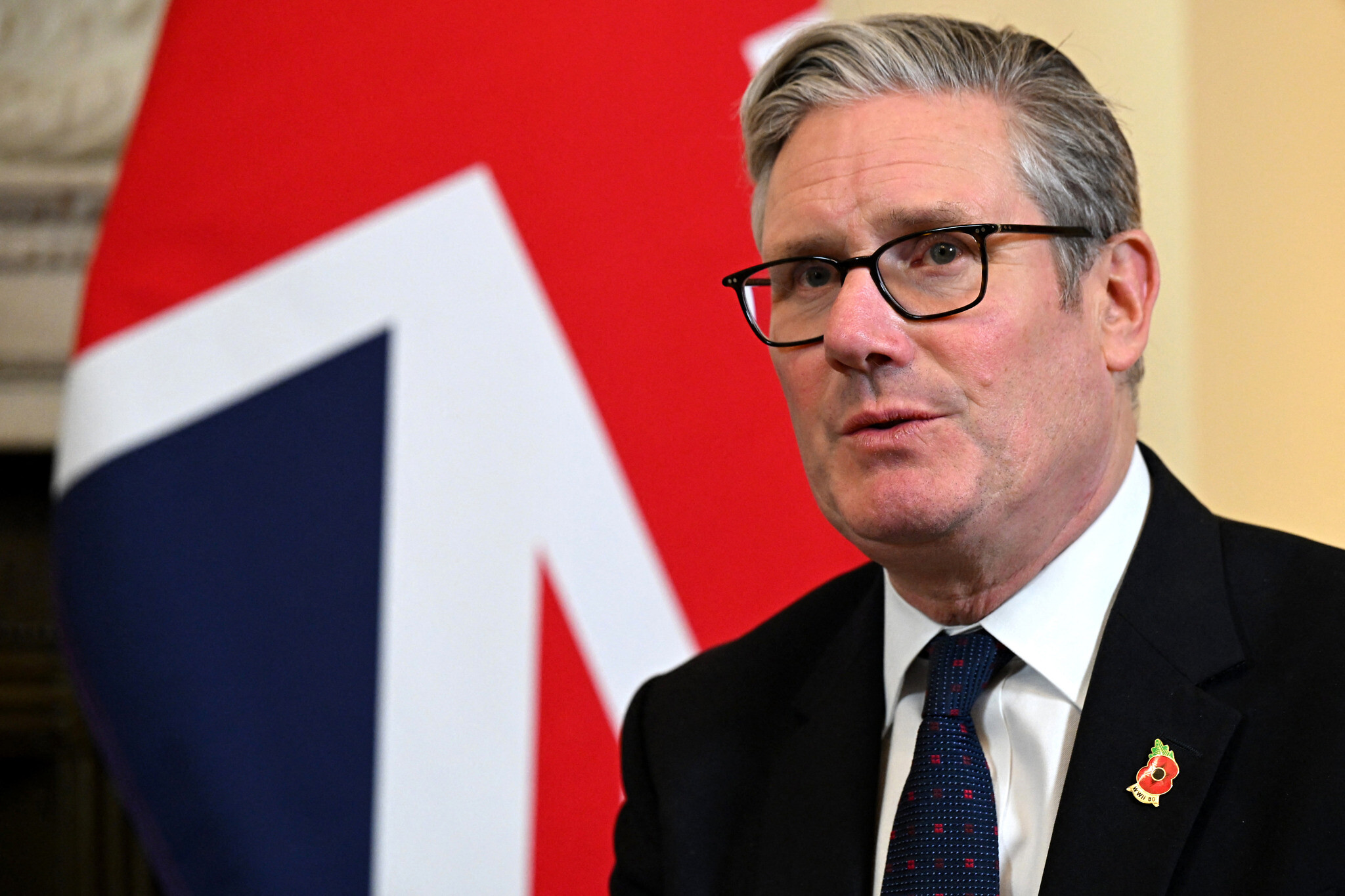
A Foreign Office statement said Sunday: “Mr El-Fattah is a British citizen. It has been a long-standing priority under successive governments to work for his release from detention, and to see him reunited with his family in the UK. The government condemns Mr El-Fattah’s historic tweets and considers them to be abhorrent.”
In his statement on Monday, Fattah claimed the post appearing to deny the Holocaust, as well as others, had been taken out of context and was meant to mock the view he seemed to be espousing.
“I must also stress that some tweets have been completely misunderstood, seemingly in bad faith,” he wrote. “I take accusations of antisemitism very seriously. I have always believed that sectarianism and racism are the most sinister and dangerous of forces, and I did my part and paid the price for standing up for the rights of religious minorities in Egypt.”
The tweets had also previously surfaced in 2014, when he was nominated for the prestigious Sakharov Prize for Freedom of Thought. His nomination was later withdrawn due to the controversy.
Shadow justice minister Robert Jenrick, of the opposition Conservatives, called on Sunday for Fattah to be stripped of his citizenship.
“If the Prime Minister really was unaware that El Fattah was an extremist, he should immediately retract his comments expressing ‘delight’ at his arrival and begin proceedings to revoke his citizenship and deport him,” Jenrick wrote on X.
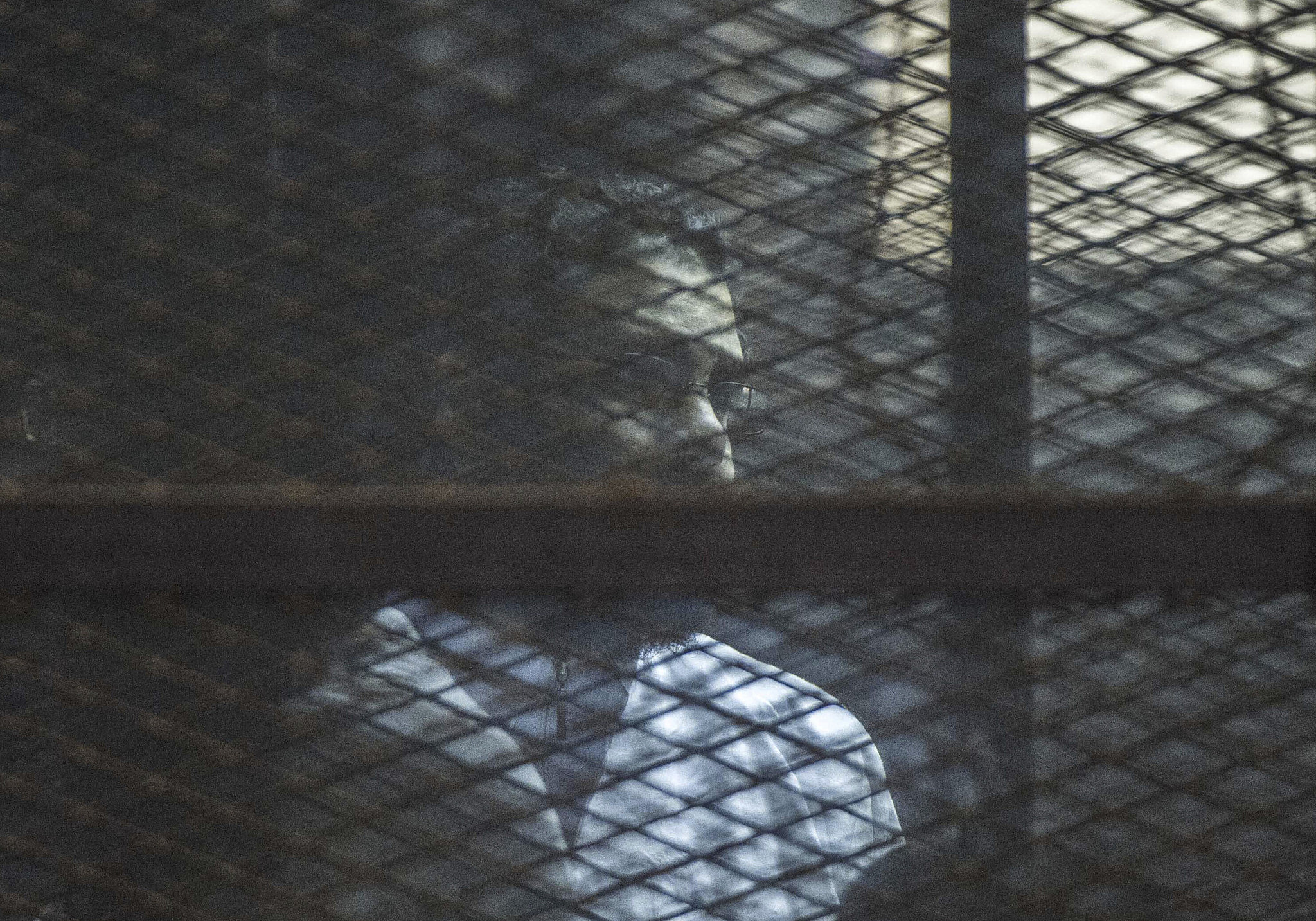
Fattah was a leading voice in Egypt’s 2011 Arab Spring uprising. He was detained in Egypt in September 2019, and in December 2021 was sentenced to five years in prison on charges of spreading false news.
His imprisonment was branded a breach of international law by UN investigators, and international campaigns were launched to get him freed.
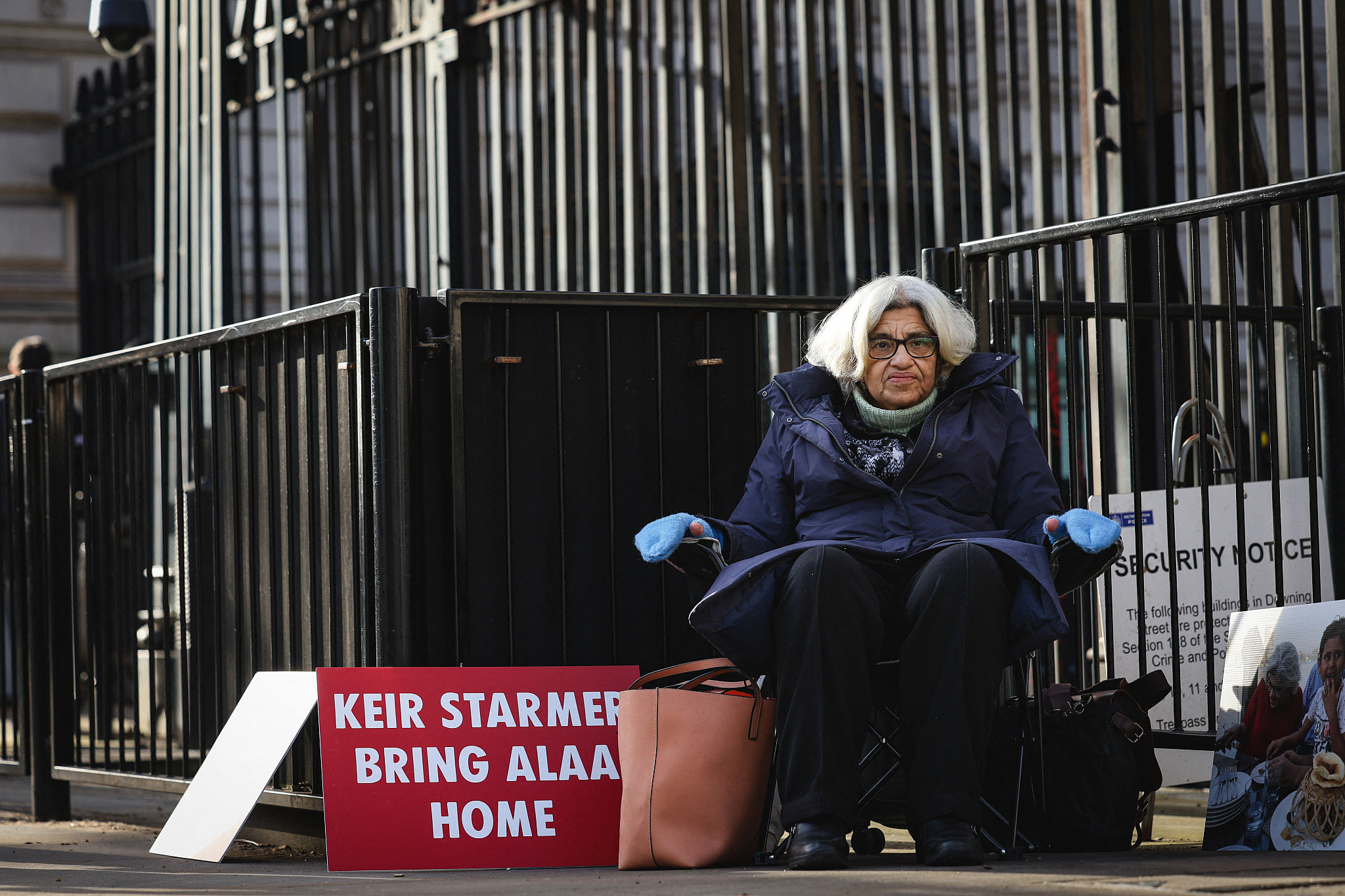
His mother went on a long-running hunger strike as part of her efforts to secure his release. Fattah himself went on hunger strike this March while behind bars and was later released after being pardoned by Egyptian President Abdel-Fattah el-Sisi.
The Board of Deputies of British Jews said in a statement Sunday that it had raised the issue of Fattah’s past comments with the government.
“His previous extremist and violent rhetoric aimed at ‘Zionists’ and white people in general is threatening to British Jews and the wider public,” the organization said. “The cross-party campaign for such a person, and the warm welcome issued by the government, demonstrate a broken system with an astonishing lack of due diligence by the authorities.”
The Jewish umbrella organization wrote that there is “an urgent need to know if he still holds these views and, if so, what measures the government intends to take to keep the Jewish community and the wider public safe, and to ensure that proper due diligence is being taken on such cases going forward.”
Times of Israel staff contributed to this report.






The Times of Israel Community.