

Tailing looters, archaeologists find 2,000-year-old stone vessel factory in Jerusalem
Cups, bowls and other ritually pure items are thought to have been fashioned out of soft limestone at Mount Scopus site along pilgrimage road in waning days of Second Temple
 Add ToI as a Preferred Source on Google
Rossella Tercatin is The Times of Israel's archaeology and religions reporter.
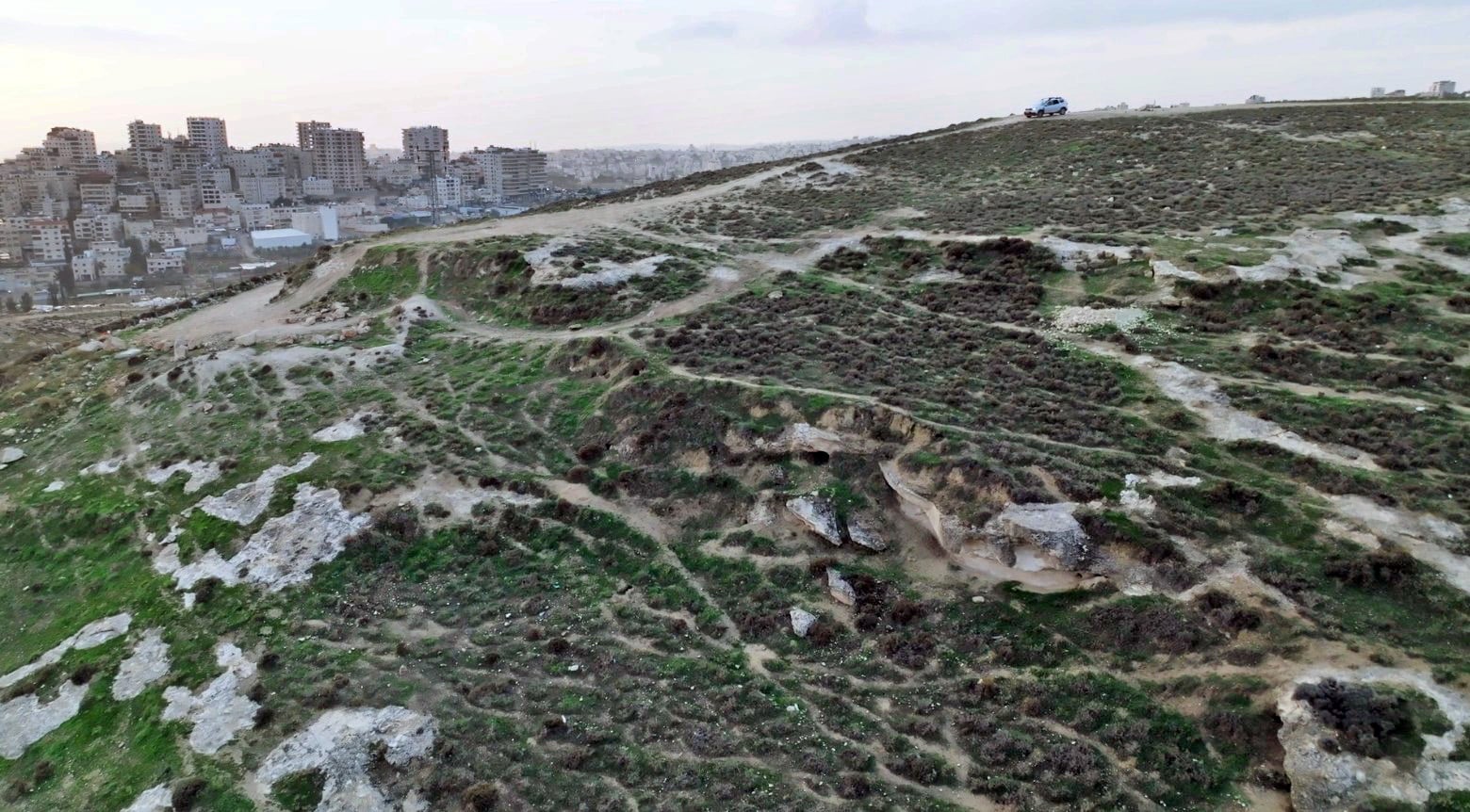
A rare stone vessel workshop dating to the late Second Temple period some 2,000 years ago was recently discovered on the eastern slope of Mount Scopus in Jerusalem, the Israel Antiquities Authority said on Monday.
The production site was uncovered last month by IAA Theft Prevention Unit inspectors during a sting operation against antiquity looters operating in the area, which is in East Jerusalem.
According to Eitan Klein, deputy director of the Theft Prevention Unit, the discovery helps color in a vivid picture of religious Jewish life in the last decades of the Second Temple, which was destroyed in 70 CE.
Jews at the time followed detailed strictures regarding ritual purity laws, including the idea that stone, unlike pottery, could not transmit ritual impurity, making stone cups, bowls or other utensils the preferred choice for pilgrims approaching the holy city.
The site is located in a cave, standing on what at the time was the main road leading to Jerusalem from the east, which would have been traversed by visitors approaching from Jericho, the Jordan Valley and the Dead Sea.
“A few months ago, we detected an illegal excavation on a site in the east of Mt. Scopus, and we started to monitor it, until one night we caught five people digging, likely to find antiquities to sell on the black market,” Klein told The Times of Israel by telephone Monday.
The capture of the suspected looters led the unit to several other wildcat excavations in the area, which were surveyed more fully the next morning.
“We were shocked because in one of the caves that [the looters] excavated, we found more than 100 pieces of stone vessels from the Second Temple period,” Klein said. “Only Jews used those tools to observe the purity laws.”
The site was especially suitable for producing the vessels because it provided easy access to soft limestone, also known as chalk, which is easy to quarry and shape into bowls, cups, and pitchers.
A handful of similar workshops have been discovered in other areas surrounding Jerusalem.
The archaeologists dated the site to around 2,000 years ago based on the typology of the items found there, which were unique to that time period, and identified the site as a workshop based on byproducts from the production process found in the cave. They believe the vessels were likely made there and then sold in Jerusalem.
In the past, archaeologists also uncovered a Jewish ritual bath in the vicinity, another sign of adherence to purity laws.
According to Klein, the road was likely used by pilgrims traveling to Jerusalem to visit the Temple.
“Probably, Jews who went to the Temple were passing through this road, and just on the entrance to Jerusalem, they needed a ritual bath in order to become pure, so that they could come to Jerusalem in a state of purity,” he said.
The vessels from the site are currently on display at the IAA’s Jay and Jeanie Schottenstein National Campus for the Archaeology of Israel in Jerusalem, along with dozens of other illegally excavated or traded artifacts as part of a new exhibition on looting and prevention.
According to Klein, the suspected looters face charges of illegal excavation and damage to an antiquities site.
He said more extensive excavations could be conducted in the area in the future.









The Times of Israel Community.