

Israeli study traces need for sleep over millions of years of evolution
Bar-Ilan University research shows even jellyfish and sea anemones repair DNA during repose, underscoring the fact that a good snooze is an essential evolutionary tool for health
 Add ToI as a Preferred Source on Google
Reporter at The Times of Israel

Humans aren’t the only creatures that need to snooze.
A peer-reviewed study by Bar-Ilan University researchers shows that sleep is an ancient process, dating back through evolutionary history, and an essential mechanism for survival — even for jellyfish and sea anemones, some of the earth’s oldest animals.
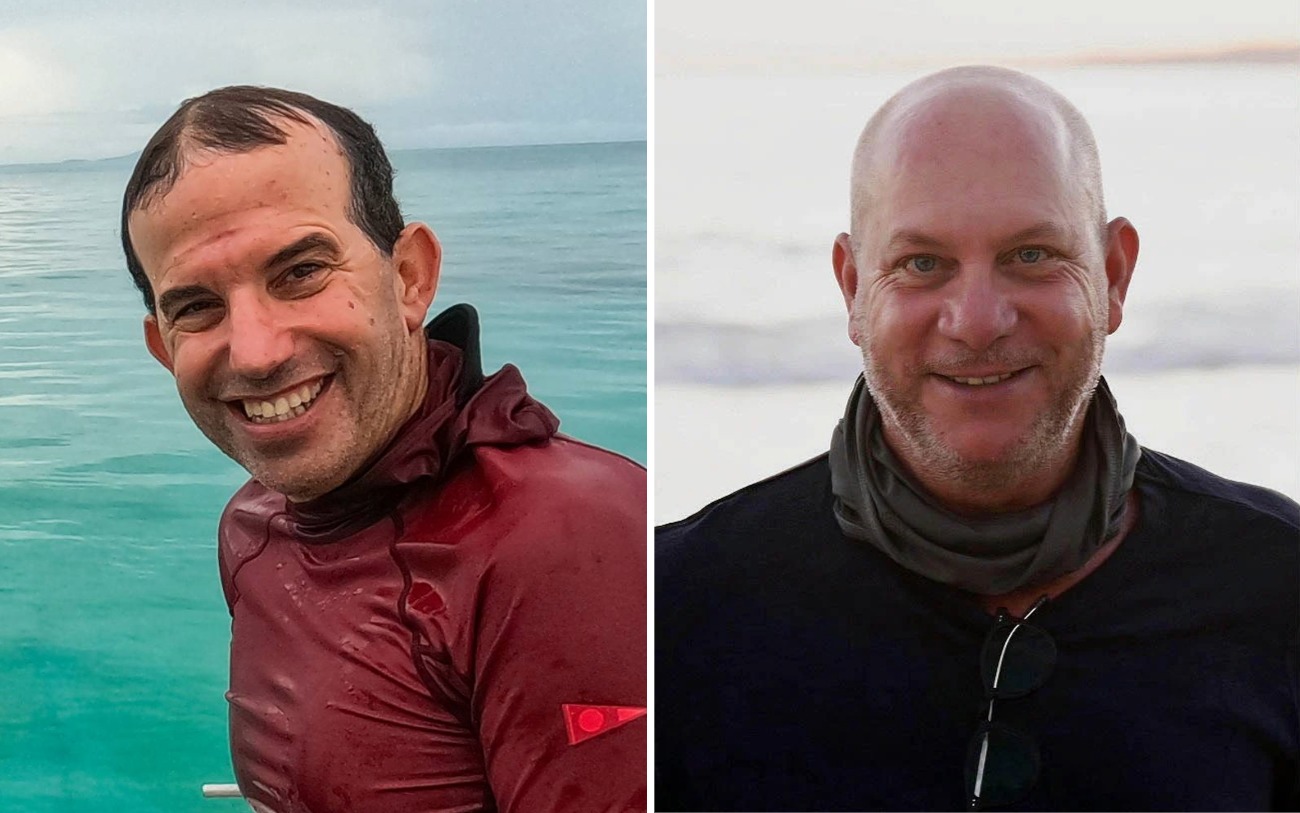
Prof. Lior Appelbaum, whose lab focuses on neuroscience, and Prof. Oren Levy, who leads a marine biology lab, say that even animals without brains need sleep to protect their nerve cells, called neurons, from damage to their DNA and daily cellular stress.
“In previous research, we explored the function of sleep, and this research shows how sleep is so fundamental that it may have been preserved across the entire animal kingdom,” said Appelbaum, speaking together with fellow researcher Levy in a joint video interview with The Times of Israel.
In humans, sleep problems are linked to memory loss and a higher risk of neurodegenerative diseases such as Alzheimer’s and Parkinson’s disease.
“The drive to repair and maintain neurons during sleep in jellyfish and sea anemones is deeply rooted in evolution,” he said. “It is perhaps one of the reasons why sleep is essential for humans.”
Dr. Raphael Aguillon and Dr. Amir Harduf, both of Bar-Ilan, contributed to the study, which was recently published in the journal Nature Communications.
Sleep at your own risk
Sleep is important to human beings, animals, and sea creatures, even though it is dangerous.
“Sleep doesn’t make sense in terms of survival,” Appelbaum said, because sleeping organisms are oblivious to their surroundings and can be attacked by predators. Yet the need to sleep trumps the inherent dangers.
In previous research, Appelbaum studied zebrafish and found that neurons accumulate DNA damage while the animal is awake.
DNA damage can come from many sources, including normal brain activity, metabolism, oxidative stress, and even radiation.
Sleep is “the offline period for animals to do this repair work,” Appelbaum said.
Because his earlier research explored how sleep disturbances and sleep itself impact brain performance, Appelbaum wondered about the necessity of sleep in animals without a brain.
“The hypothesis was that the single neuron requires sleep,” Appelbaum said. “So, whether the neuron is located in a zebrafish, in jellyfish, or in humans, all animals will require sleep.”
Ancient animals
The researchers chose to study two Cnidarians. These are animals that live in water, such as jellyfish and sea anemones. It is estimated that they’ve been on Earth for over 500 million years.
The simple animals have neither a head nor a brain. Instead, they have a rudimentary nerve net that is spread throughout the body.
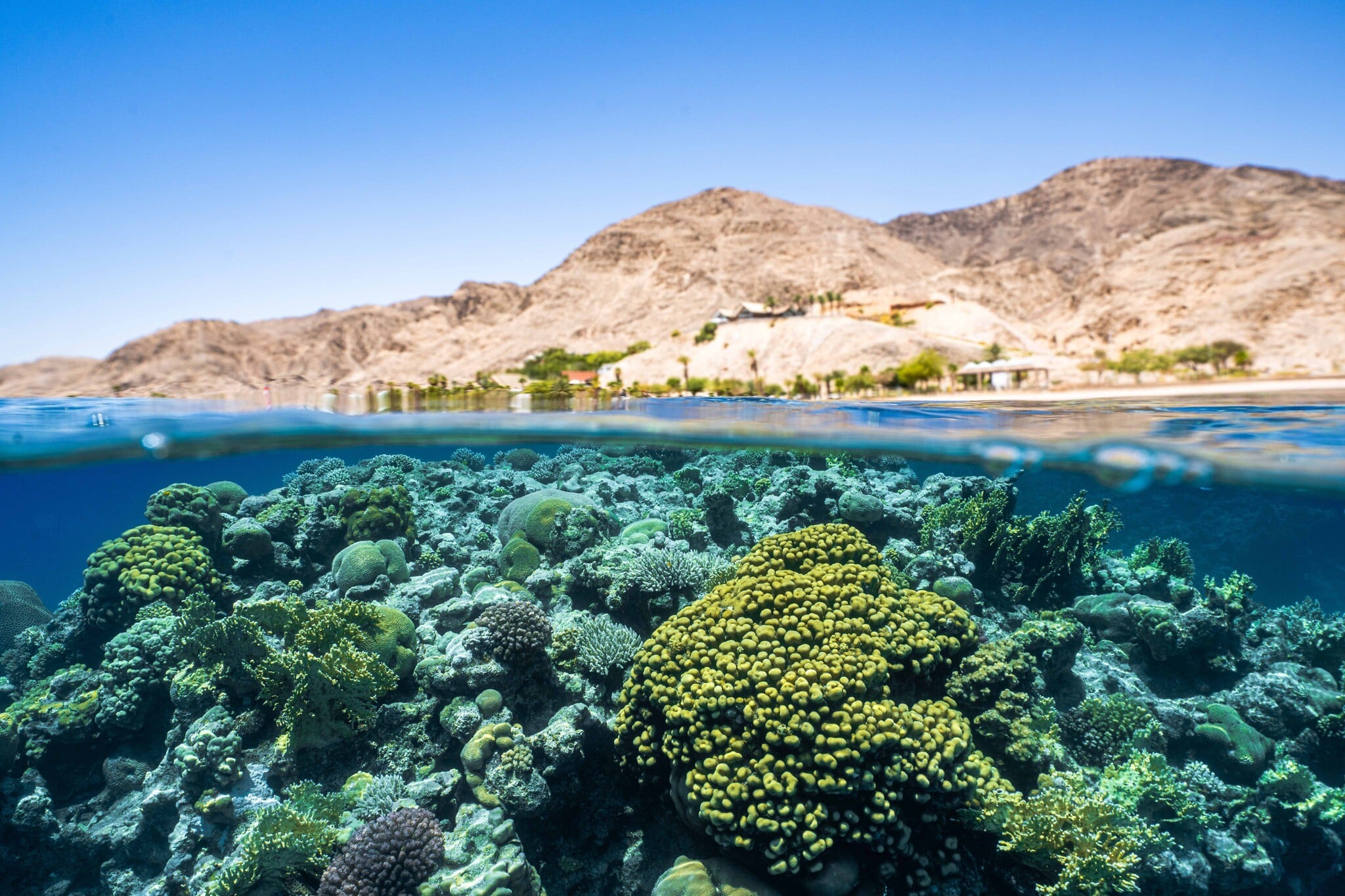
Levy grew some of the Cassiopea andromeda jellyfish and sea anemone specimens in his research aquariums. The scientists also studied animals in their natural habitats in Eilat.
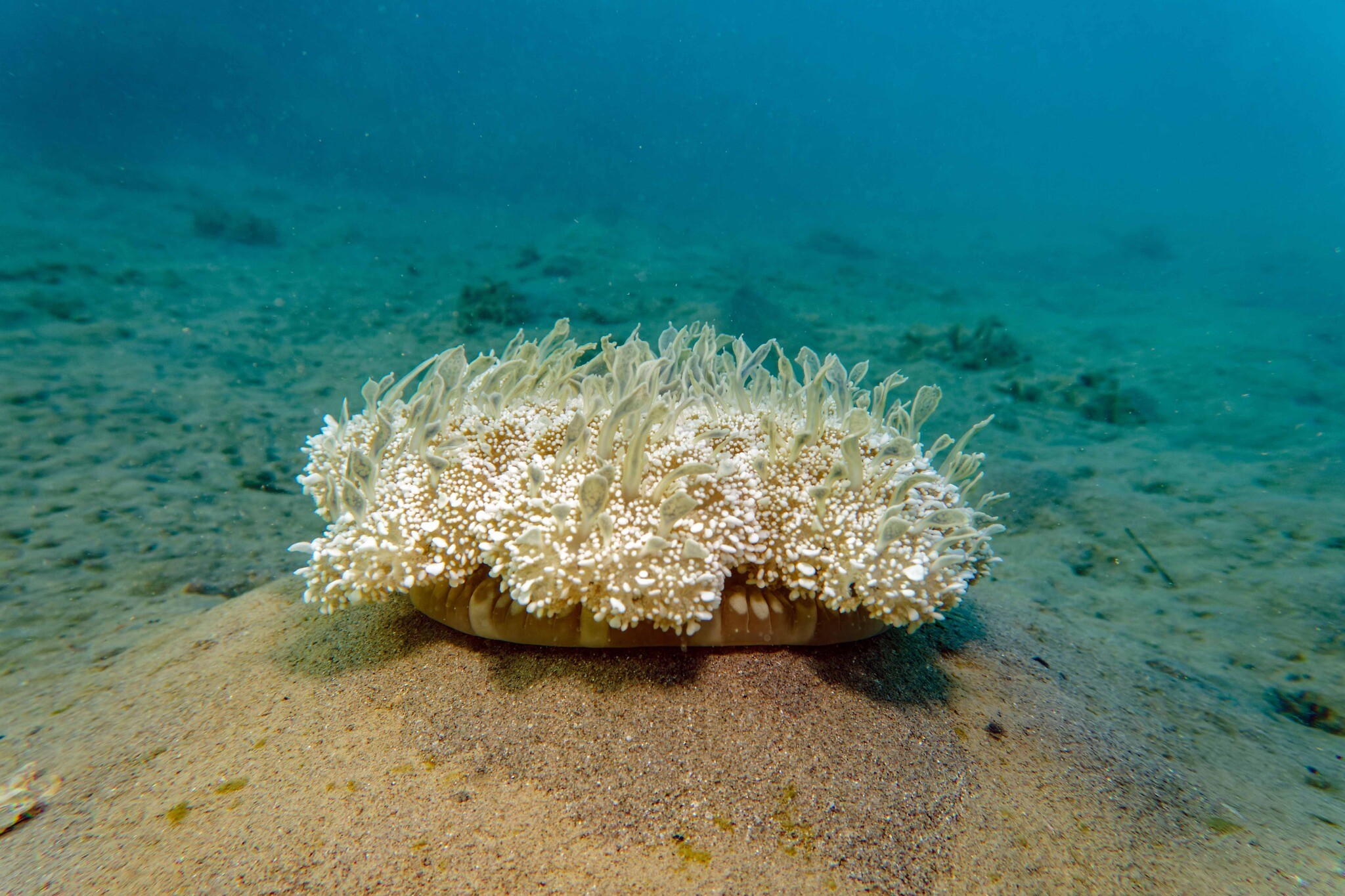
“These are some of the first animals on Earth to develop a nervous system,” Appelbaum said.
The Cassiopeia andromeda jellyfish is known as an upside-down jellyfish, pulsating so that water runs through its arms for respiration and to gather food. Without a brain, its nerve net allows it to respond to stimuli in the environment, to coordinate movements, and to feed.
The Cassiopeia andromeda sleep mostly at night and take short naps during the day.
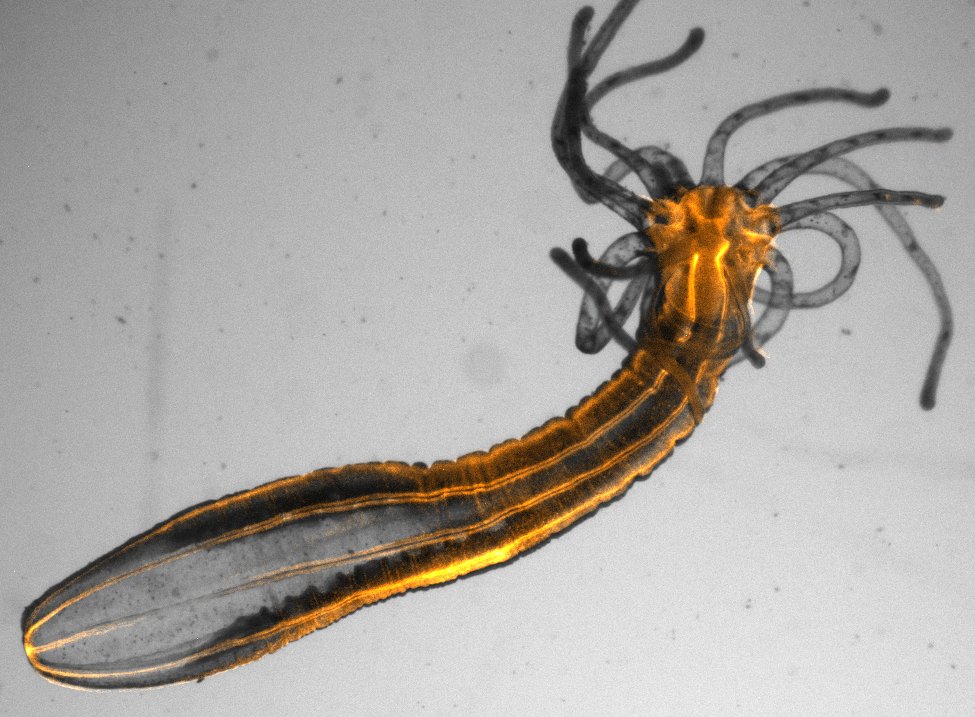
The scientific name for the sea anemone that the researchers studied is Nematostella vectensis, also known as the starlet sea anemone.
It has a long, wormlike body and can be found in mud or sand lagoons.
Unlike jellyfish, this sea anemone is active during the hours of dawn and dusk. It usually sleeps through the morning hours.
Using infrared video tracking and detailed behavioral analysis, the researchers observed that both jellyfish and sea anemones sleep for about eight hours a day, which is similar to the average amount that humans sleep.
“We were the first to define sleep in the sea anemone,” Levy said. “Nobody ever showed a sleeping sea anemone, an animal that hardly moves, anyway.”
More DNA damage means more sleep
The scientists found that in both animals, DNA damage increased during periods of wakefulness and decreased during sleep. When the animals were forced to stay awake, and their DNA damage increased, they caught up on their sleep later and for longer periods.
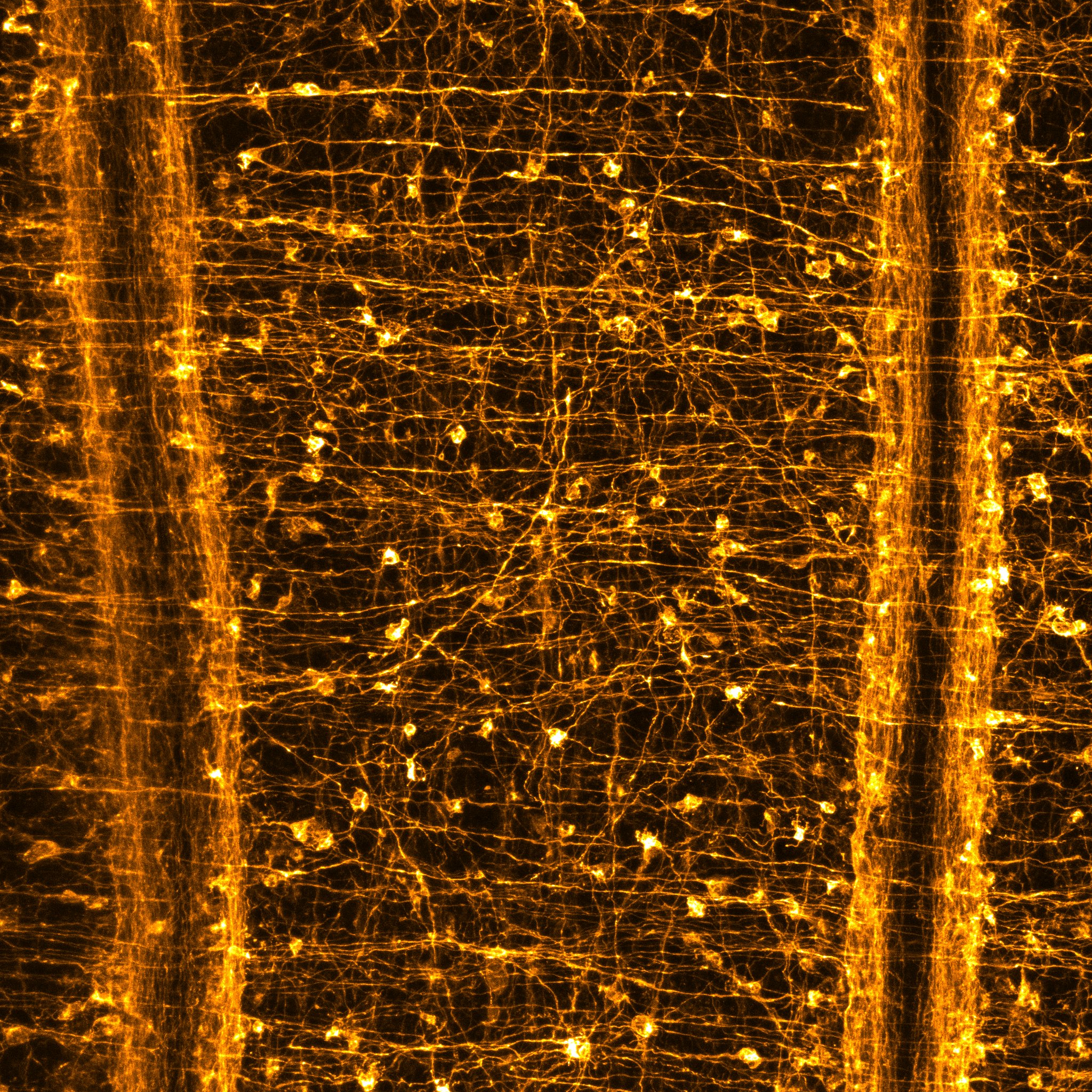
marks the nervous system.
(Courtesy/Dr. Raphael Aguillon)
This response is known as “sleep rebound,” and it allows the body to recover from lost sleep. In both jellyfish and sea anemones, sleep rebound helped reduce the elevated levels of DNA damage in neurons.
The researchers also tested what would happen if there was an increase in DNA damage. When the animals were exposed to ultraviolet radiation or to a chemical that damaged their DNA, they responded by sleeping more.
On the other hand, when sleep was encouraged using the hormone melatonin, DNA damage levels were reduced. These results show a two-way relationship: DNA damage increases the need for sleep, and sleep helps repair that damage.
Together, these findings suggest that one of sleep’s original purposes was to protect neurons from daily stress and DNA damage. This vital, basic function likely appeared very early in animal evolution and was so important that it was preserved as more complex brains evolved.
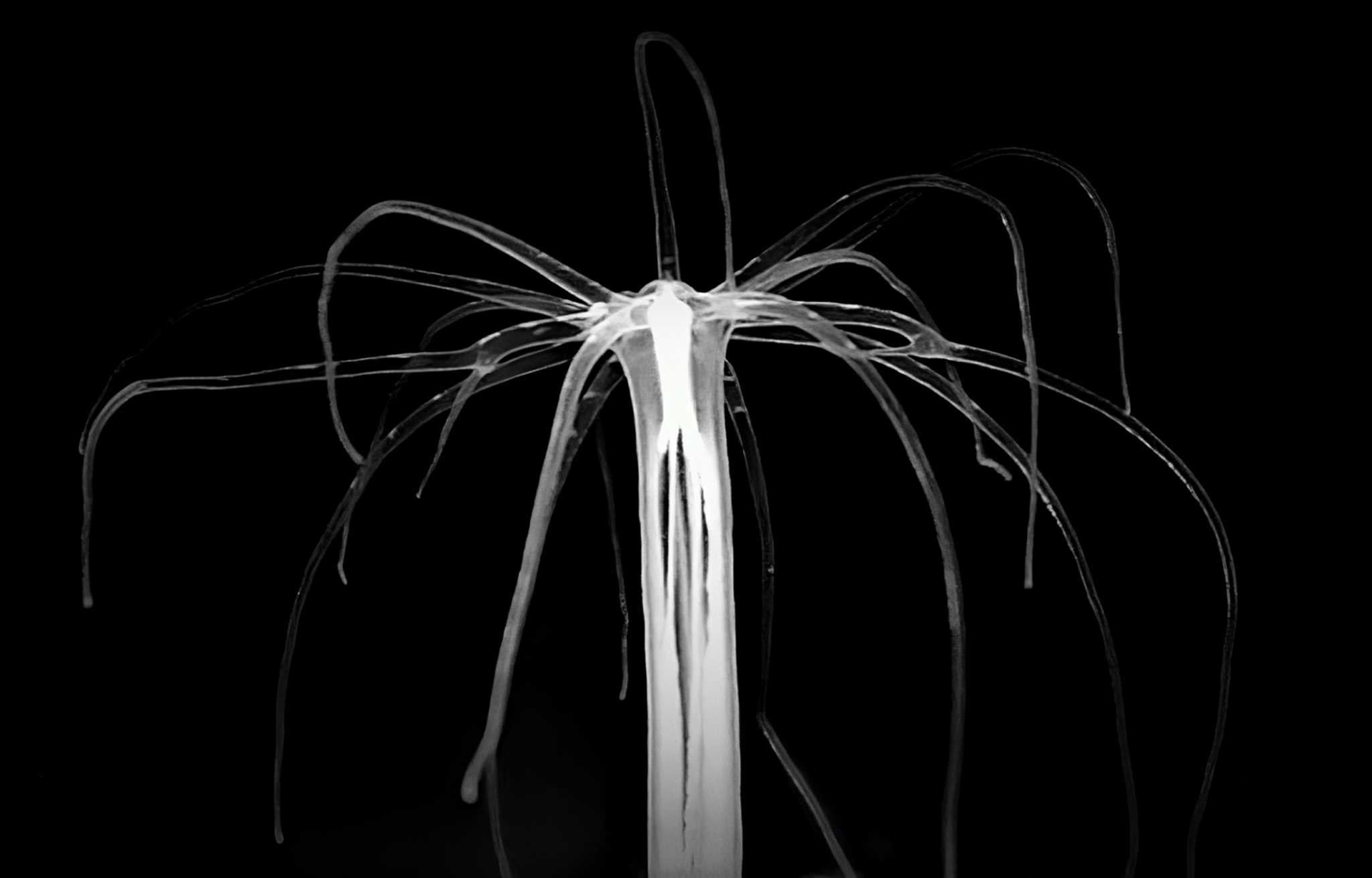
The study also revealed interesting differences in how sleep is controlled in these two animals. In both species, sleep pressure builds up over time, so the longer they stay awake, the stronger their need for sleep becomes.
However, the sleep of jellyfish is mainly controlled by the light-dark cycle of day and night. In contrast, sea anemones rely more on their internal circadian clock, which keeps time inside the body regardless of the changes in light.

Despite these differences, both animals depend on sleep to reduce DNA damage and cellular stress, whether their sleep is guided by sunlight or by internal timing.
Prof. Yuval Nir, director of the Sagol Brain Institute at Tel Aviv Sourasky Medical Center and professor of neuroscience and biomedical engineering at Tel Aviv University, who was not involved in the study, said that the findings “suggest that one of the earliest evolutionary reasons for sleep was to protect and maintain the genome of even the simplest nervous systems.”
He added that the research has “important implications for human aging and neurodegenerative disorders.”
“Where sleep is impaired,” Nir said, “improving sleep has the potential to slow down cognitive and motor decline.”
‘Going after sponges’
The researchers said they are also curious about how animals decide when it’s time to sleep, since they don’t have parents telling them it’s bedtime.
“What is the mechanism that makes an animal go to sleep?” Levy said. “We understand it more now, after this paper, how this single cell signals to the whole animal, ‘please change your state and start to sleep.'”
Appelbaum said he will next study sponges.
Sponges are simple animals — so much so that for many years, people thought they were plants. They don’t have a nervous system, but their body contains a soft mass of cells supported by a skeleton.
“They don’t have any neurons,” Appelbaum said, “and we wonder if there is a reason for sleeping not related to neurons but to the cells themselves.”
Sleep might be connected to slowing down metabolism, reducing stress in cells, and allowing repair, even in animals with no nerves at all, he said.
“All animals need to rest at some point,” Appelbaum said.










The Times of Israel Community.