

UK to probe possible cover-up of Nazi camps on English Channel island
Victims from 20 countries were sent to Alderney, including hundreds of French Jews; Britain released Nazi culprits in 1945 without prosecution, despite Allied war crime agreement
 Add ToI as a Preferred Source on Google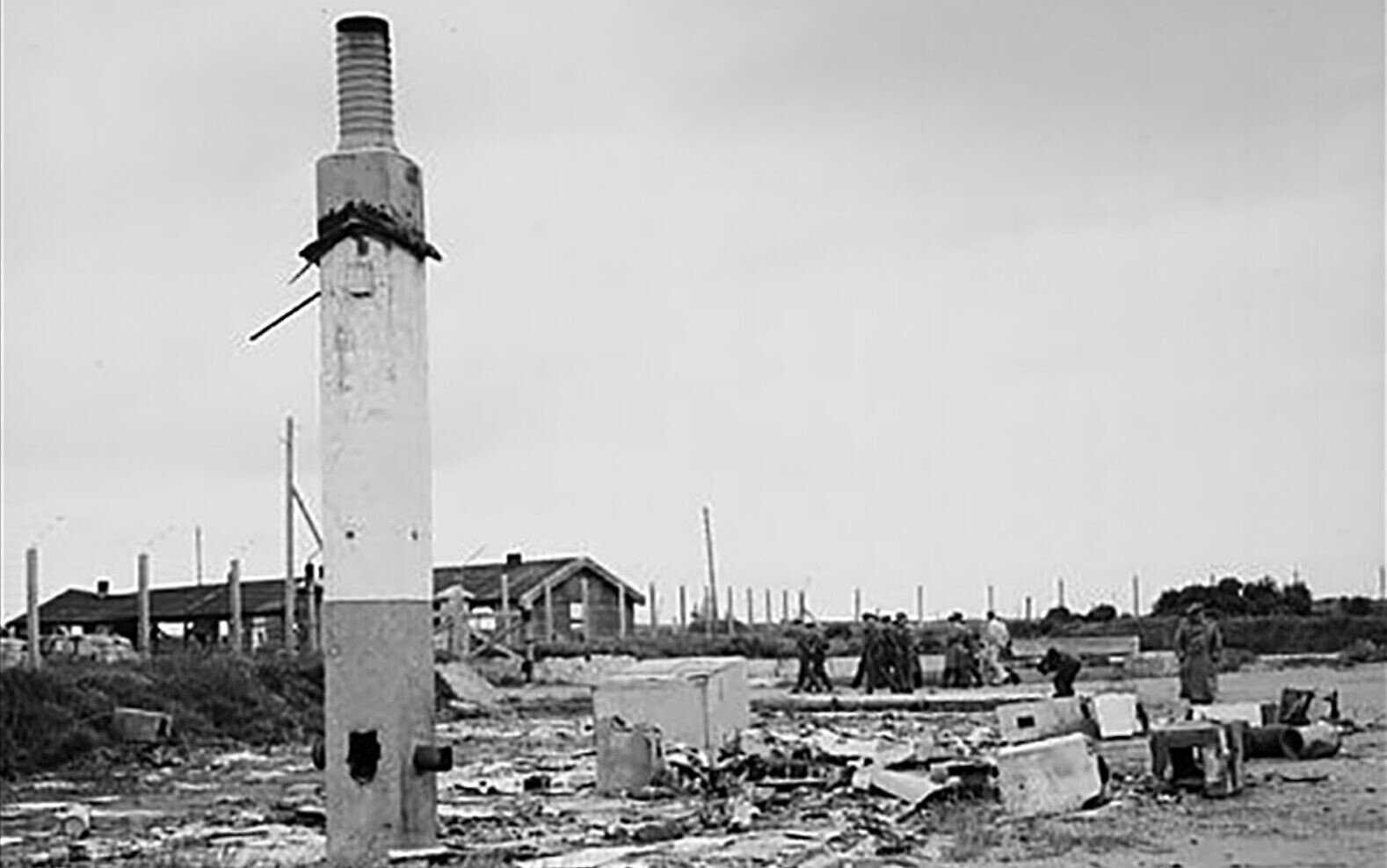
A United Kingdom commission of inquiry into Nazi atrocities on the English Channel island of Alderney during World War II will investigate why the wartime British government decided against prosecuting the German officers responsible for the crimes, The Guardian reported Saturday.
The German army, which conquered Britain’s dependencies in the English Channel after the Allies’ defeat in the 1940 Battle of France, set up labor and concentration camps — but no extermination camps — on the self-governing Channel island of Alderney, the only known instance of Nazi camps on British soil.
Prisoners from some 20 countries, including hundreds of French Jews, were sent to the island, where slave laborers constructed a forward part of Adolf Hitler’s so-called “Atlantic Wall” — a coastal wall of defenses with which the führer hoped to forestall an Allied incursion into the continent.
The British government — which recaptured the Channel Islands in 1945 — decided against prosecuting the German officers detained there, including major Carl Hoffman, Alderney’s wartime commandant, despite the Allies’ 1943 Moscow Declaration agreement that Nazi war criminals be tried in the countries where they had perpetrated their crimes. In 1981, the Guardian revealed that multiple Nazi officers responsible for atrocities at Alderney were living freely in Germany.
Hundreds of people are known to have been killed at the Alderney camps, and many more were sent to extermination camps on the continent, but problems in documentation and the Germans’ practice of dumping inmates’ corpses at sea have prevented the commission of inquiry from determining the precise extent of atrocities — the inquiry’s original goal. However, the committee had been pressed from the start to investigate why the Nazi war criminals had never stood trial in Britain.
“This is important not just because these events happened on British soil, but because the barbarity and inhumanity were felt with full force here,” Lord Pickles, the UK government’s Holocaust envoy, told the Guardian. “From the very beginning, the big question was why there were no war crimes trials for the atrocities committed there.”
A preview into the Alderney Expert Review which I am coordinating, which is currently consuming my waking hours (and dreams). It is almost complete and I am damn proud of the team's work!https://t.co/FkPw6yai2T
— Professor Gilly Carr OBE ???????????????????????? (@CarrGilly) May 4, 2024
Pickles was goaded to extend the inquiry by Prof. Anthony Glees, an intelligence expert who had advised prime minister Margaret Thatcher’s 1989 committee investigating Nazi war crimes, and whose call was backed by Labour MP Dame Margaret Hodge, a daughter of Jewish refugees who had fled the Nazis.
“What is truly shocking and needs to be emphasized is that, beyond the numbers, it is absolutely true that the Nazis brought their exterminatory mindset to Alderney and were involved in the most unspeakable and unimaginable brutality and sadism on the island that led to many deaths,” Glees was quoted as saying in the report. “Lord Pickles asked me to find out why those responsible were not brought to justice.”
Prof. Dan Plesch, a war crimes expert, compiled a dossier of historic documents for the committee’s review that, according to the report, showed how the British government had consistently missed opportunities to try German officers for crimes committed at Alderney.
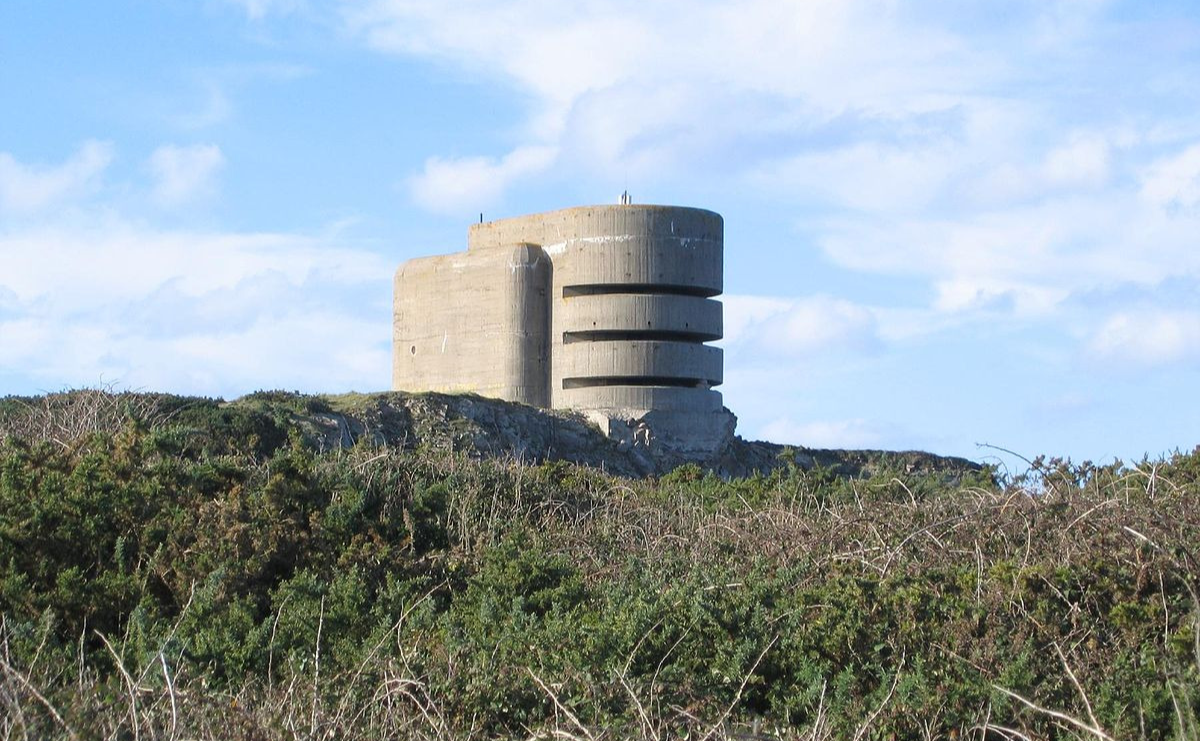
Among the documents was a United Nations War Crimes Commission report describing atrocities on the island as “systematic terrorism,” which included “murder and massacre” and the “torture of civilians.”
The fact that the UN commission, which operated between 1943 and 1948, had produced such a document showed the British government had missed opportunities to try Nazi officers responsible for the atrocities, the report said.
“Nazi crimes on Alderney, including extermination and casual shootings, were indicted by an international legal authority in the 1940s that Britain led,” Plesch told the Guardian, adding: “The accused should have been tried in a British court for crimes committed on British soil under British war crimes law.”




The Times of Israel Community.