

US energy secretary nixes visit after Israel puts Egypt gas deal on hold
Bucking US pressure, Energy Minister Cohen is refusing to ink landmark $35 billion deal to export natural gas to Egypt until ‘fair prices are agreed upon for the Israeli market’
 Add ToI as a Preferred Source on Google
Lazar Berman is The Times of Israel's diplomatic reporter

US Energy Secretary Chris Wright cancelled his upcoming six-day visit to Israel on Friday, after Energy Minister Eli Cohen refused to sign off on a massive gas export agreement recently agreed upon between Jerusalem and Cairo, Cohen’s office said.
In August, Israel’s Leviathan field signed a $35 billion deal to export natural gas to Egypt, the largest export agreement in Israel’s history.
But Cohen’s office said he won’t approve the deal until “fair prices are agreed upon for the Israeli market,” adding that the Trump administration applied significant pressure on Cohen and Prime Minister Benjamin Netanyahu to approve the deal.
The US energy giant Chevron, which operates the gas field, was also pressing Israel to ratify the deal, reported Israel Hayom.
Cohen “demanded that the prices for the Israeli market will remain attractive,” according to his office. “Since the negotiations have yet to be completed, Cohen refused to approve the export until the issue is solved.”
The statement from Cohen’s office was a rare instance of a minister publicizing his role in shaking up Israel’s relationship with any US administration. His comments were liable to create friction with US President Donald Trump’s White House as US officials work with Israel to advance Trump’s peace plan for Gaza.
There was no immediate comment from Wright’s office.
The gas deal in its current form was expected to funnel hundreds of millions of shekels in gas royalty revenues and taxes into the country’s state coffers.
The deal was announced as growing domestic energy needs have sparked heated discussions over natural gas exports.
Both Israel and Egypt have emerged as gas exporters in recent years following major offshore discoveries. Israeli gas accounts for some 15-20 percent of Egypt’s consumption, according to data from the Joint Organisations Data Initiative.
Earlier this year, the Finance Ministry warned that Israel is poised to face a natural gas shortage in the next 25 years as domestic energy needs are growing faster than forecast and gas export sales are robust. A shortfall would lead to higher electricity prices for consumers.
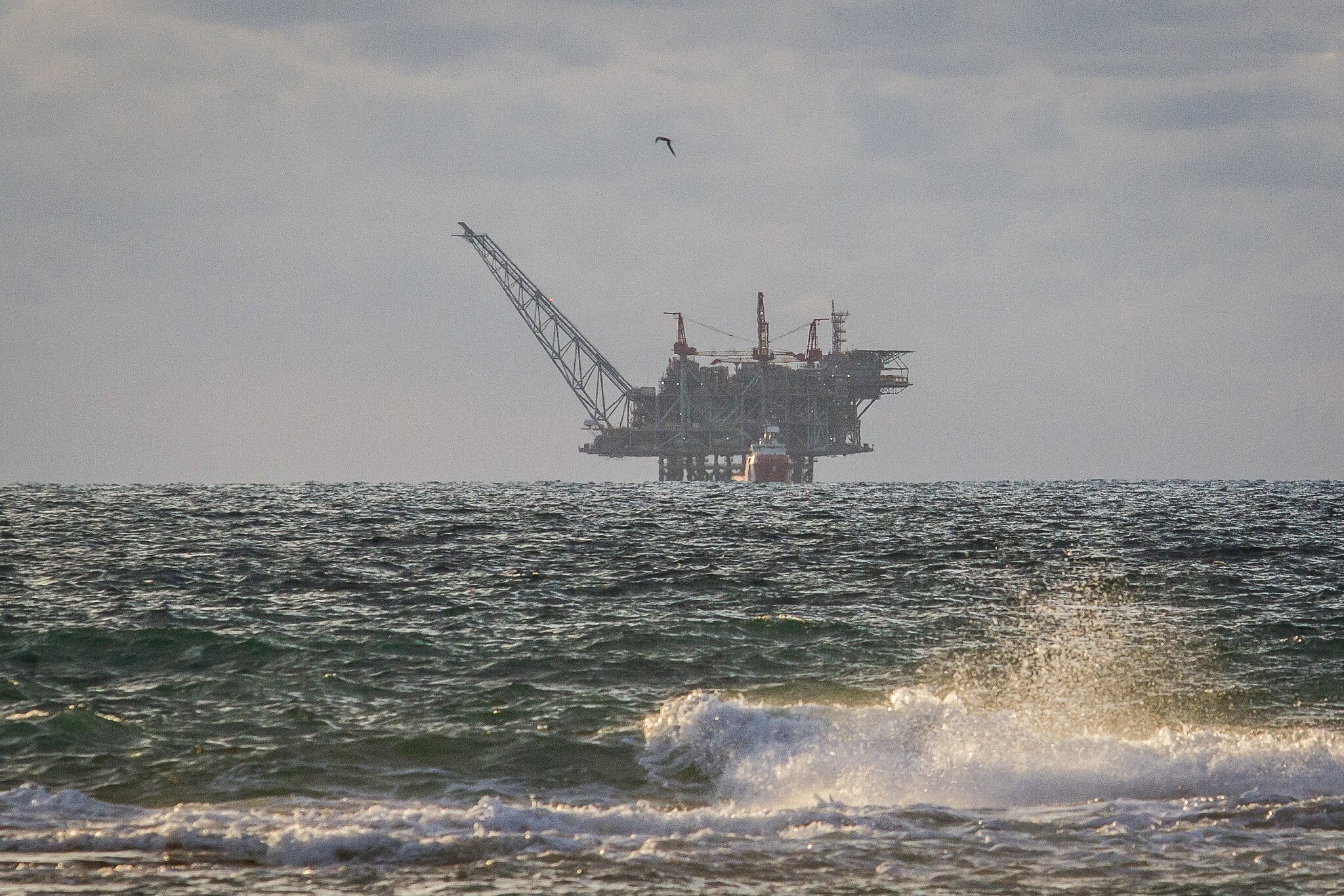
Natural gas from Leviathan, one of the world’s largest deep-water gas discoveries, started to flow to the Israeli domestic market in December 2019.
The partners in the Leviathan reservoir began exporting natural gas to Egypt in January 2020 after signing a deal for 60 billion cubic meters, which is expected to be supplied by the early 2030s.
As of September 2025, Leviathan had supplied 23.5 billion cubic meters of gas to the Egyptian market.
“At the same time, efforts are underway to sort out the diplomatic aspects between Israel and Egypt,” said Cohen’s office.






The Times of Israel Community.