

‘We’re playing Russian roulette’: People with disabilities struggle to reach bomb shelters
Of the 600,000 severely disabled and elderly in Israel, about 40% — roughly 240,000 — cannot make it to safety as missiles fall from Iran and Lebanon, says Access Israel chairman
 Add ToI as a Preferred Source on Google
Reporter at The Times of Israel
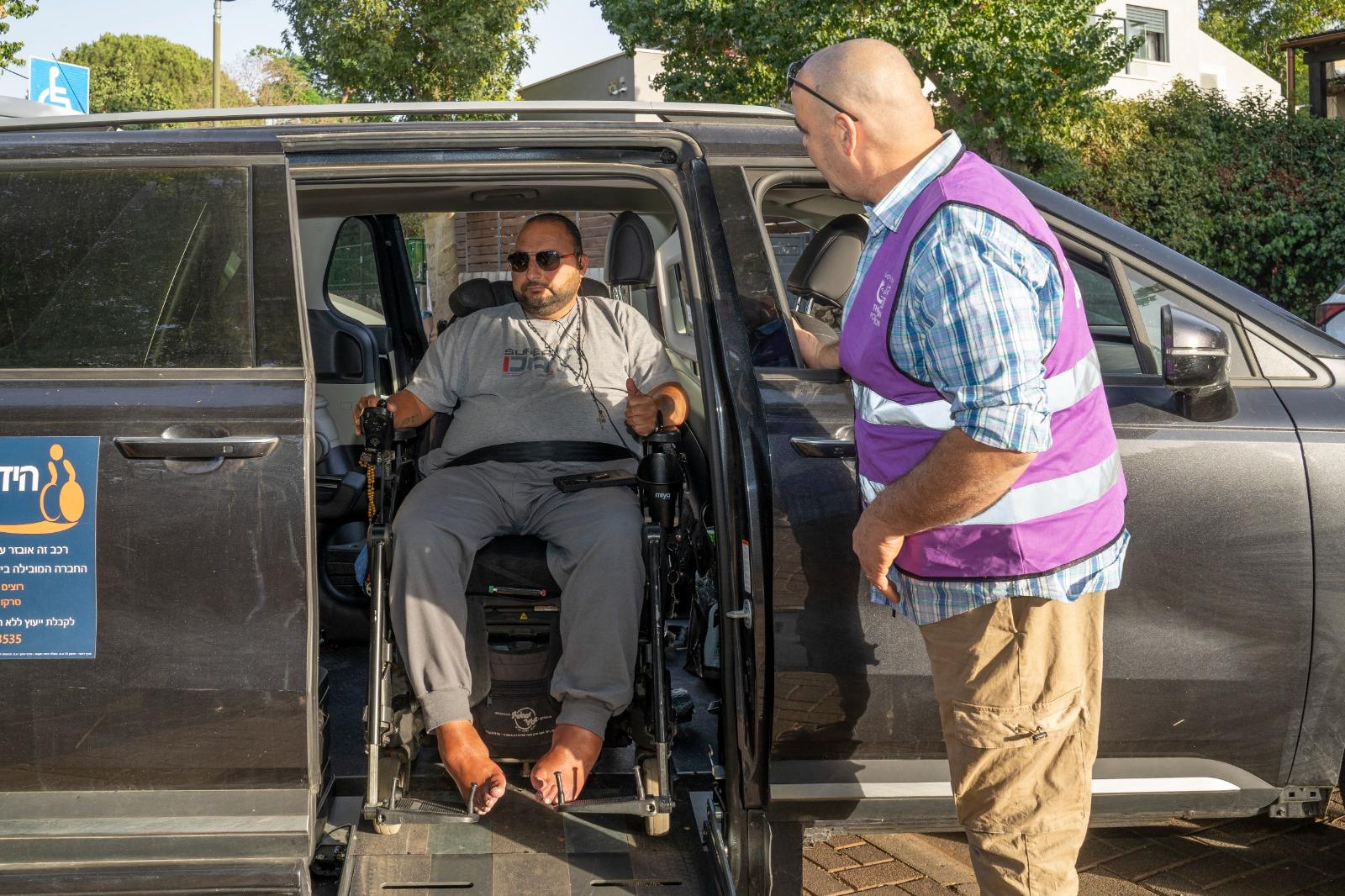
More than 450 attended the nonprofit Access Israel’s recent online webinar providing safety guidance for people with disabilities, the elderly, and their caregivers during the ongoing conflict with Iran and Hezbollah.
Participants joined from across the country, from central Tel Aviv to the Arab Israeli town of Tamra in the Galilee, which was the site of a tragic missile strike during the June war with Iran. During the session, a Home Front Command spokesperson detailed emergency protocols for what to do when sirens signal incoming missiles or rockets. Dozens of faces filled the screen while the chat swelled with questions.
“But what do we do when we can’t get to a shelter?” asked one participant, Erella, before answering her own question: “We pray that God doesn’t want us yet.”
On Tuesday night, Yaron and Ilana Moshe of Ramat Gan, in their 70s, were killed when munitions from a ballistic missile hit, destroying their apartment and killing them. Ramat Gan Police Chief Haim Sargaroff confirmed that the couple, one of whom had a walker, was unable to reach their reinforced room in time.
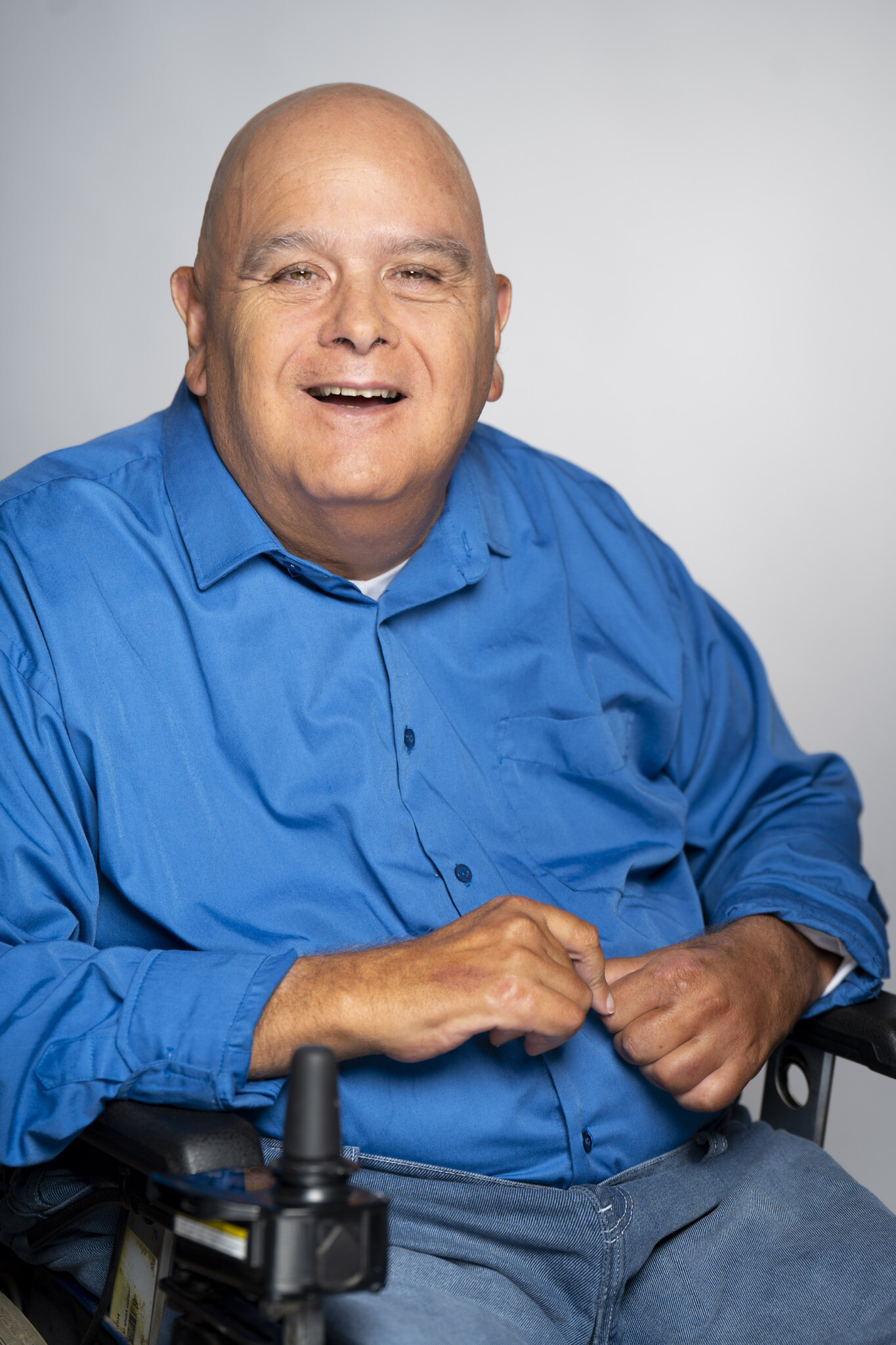
The webinar was led by Yuval Wagner, 61, a retired lieutenant colonel and co-founder of Access Israel, alongside CEO Michal Rimon. Wagner, a quadriplegic who is paralyzed from the neck down, told participants he understood the frustration of being unable to reach a shelter.
“But we have to stay optimistic, take deep breaths, and we’ll get through this,” Wagner said.
In a follow-up conversation with The Times of Israel the next day, Wagner spoke with more urgency, expressing a sense of what he called a “deep betrayal” over the government’s failure to provide accessible shelters to people who cannot run to a shelter, or who reach shelters with stairs and no ramps, or whose bed or wheelchair cannot fit through the door.
“People tell me that at each siren, they feel like they’re playing a game of Russian roulette,” Wagner said.
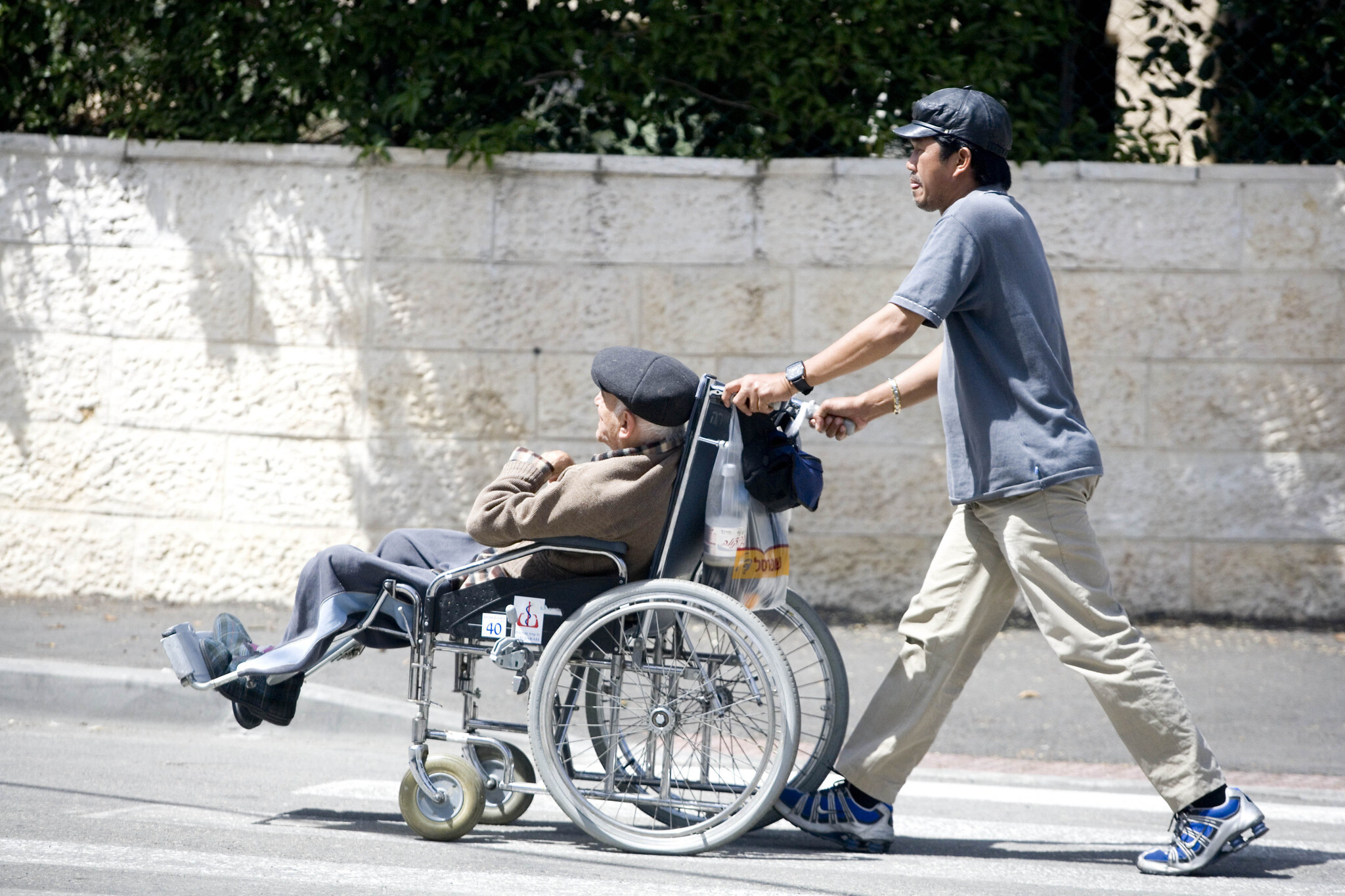
‘Leave no one behind’
“There are 600,000 severely disabled people in Israel, and of those, about 40% — roughly 240,000 — are unable to reach shelters,” Wagner said. “This is unbelievable and unbearable. Our motto is that we ‘leave no one behind.’ We are doing our best to push the decision-makers to act.”
A spokesperson for the Welfare and Social Affairs Ministry told The Times of Israel that the ministry recently issued a call for proposals, inviting municipalities to apply for funding to convert public buildings, schools, and day centers into protected, safe overnight complexes for senior citizens and people with disabilities who do not have a protected space in their homes or find it difficult to reach a shelter in real time.
“Opening the night centers is a practical step designed to provide a solution for sleeping in a protected and organized place within the community,” Haim Katz, Welfare and Social Affairs minister, said in a statement, adding that the move follows a successful pilot in several municipalities.
However, Wagner said that the temporary sleeping arrangements in these public areas “have no privacy. There are camp beds and not mattresses against pressure sores, and there are no accessible showers or handicapped toilets.”
“The initiative doesn’t address the enormous problem for the disabled and the elderly,” he said.
The government should have a comprehensive emergency strategy headed by a national project manager, Wagner explained, echoing State Comptroller Matanyahu Englman’s report after the 12-day conflict with Iran last June, which highlighted systemic shortcomings in shelter management and lack of accessibility.
Every local authority must build a live database of residents with disabilities, Wagner said, that details specific requirements and identifies who needs physical evacuation and who can safely shelter in place if given the right support.
Websites and emergency platforms must provide “clear, up-to-the-minute data on the accessibility of public shelters and protected spaces,” he said.
The Health Ministry’s website lists several emergency telephone numbers, including assistance centers for emotional first aid for the disabled, including the deaf and blind.
‘My mission is to be the voice’
Wagner said that more comprehensive solutions are needed for hearing-impaired people because the app currently in use is inaccurate.
“We need to develop some kind of watch, something that will vibrate, or a flashlight that should also work if you’re in the basement or in the shower,” he said. A new app is currently in development, but is not yet ready for the current conflict.
“We’re the startup nation,” he said. “We should be able to do these things.”
Wagner recounted his own personal story. In 1987, as a 22-year-old helicopter pilot, he had an accident in his Cobra helicopter in which his squadron commander, Zion Bar-Or, was killed.
“I was very fortunate and lucky,” Wagner said. “I believe I stayed alive because my mission is to be the voice and the power that will enable people with disabilities to have accessibility and equal rights, and to be able to live their lives to their full potential.”
Wagner recalled that 12 years after his accident, in 1999, he wrote a letter to then-president Ezer Weizmann, saying that Israel was doing nothing about accessibility for people with disabilities.
“The president called me personally two days later, and we talked about accessibility, and about my accident,” Wagner recounted. “Then he said, ‘I command you to start a nonprofit organization that will make Israel fully accessible for all disabilities in all areas of life. And I give you six months to prepare it, and we will launch it in the President’s Residence.’”
Access Israel then became the country’s first nonprofit to promote accessibility and inclusion for people with disabilities and the elderly.
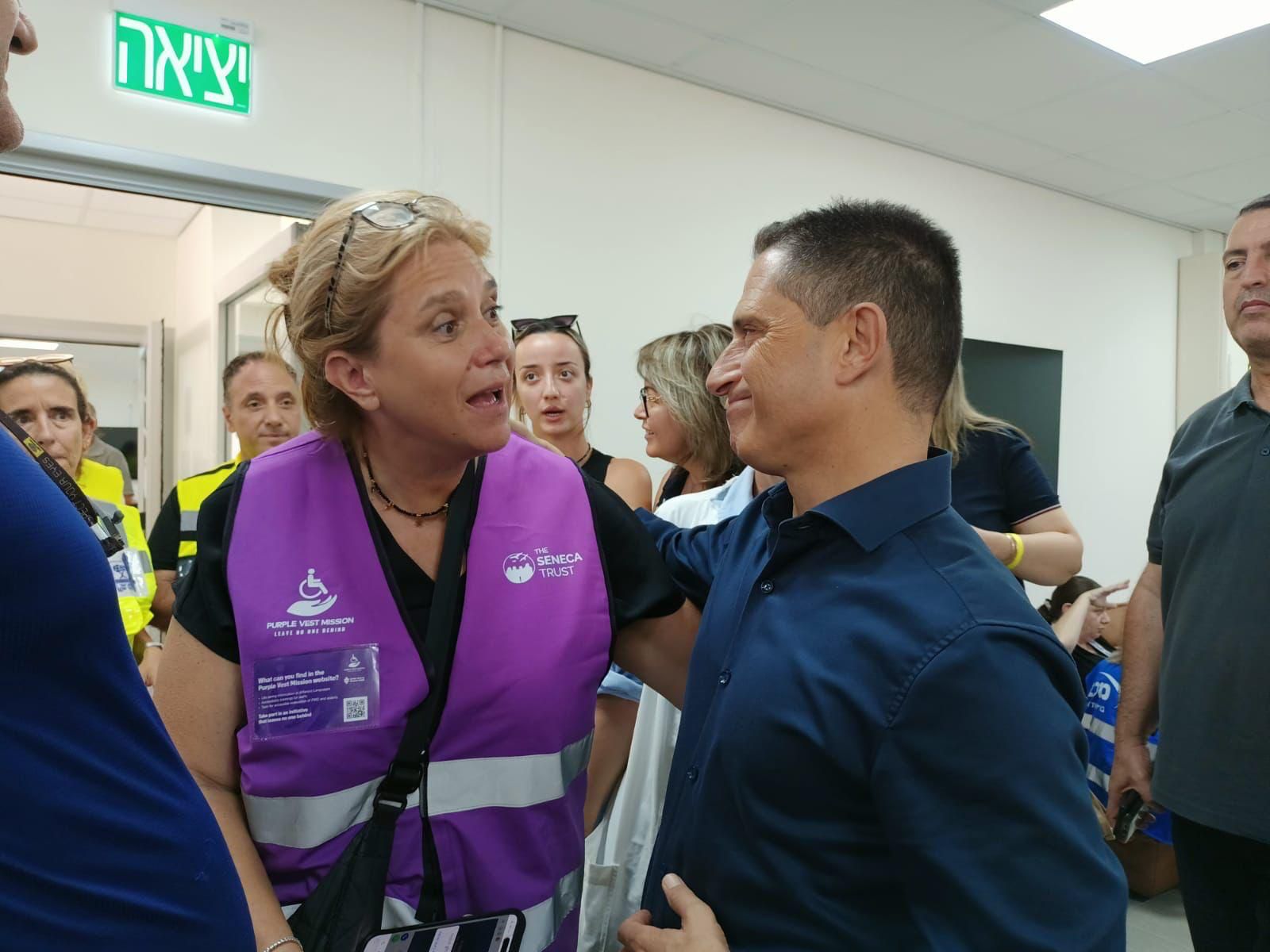
Access Israel launched the Purple Vest Mission in February 2022, at the outbreak of the Russia-Ukraine war, when people called with urgent pleas to help the disabled and the elderly in Ukraine.
Choosing purple, the color identified with rights for people with disabilities, Access Israel volunteers evacuated and rescued about 4,000 people in the conflict area.
In early 2025, the organization conducted training on emergency assistance for people with disabilities at a refugee camp in Uganda.
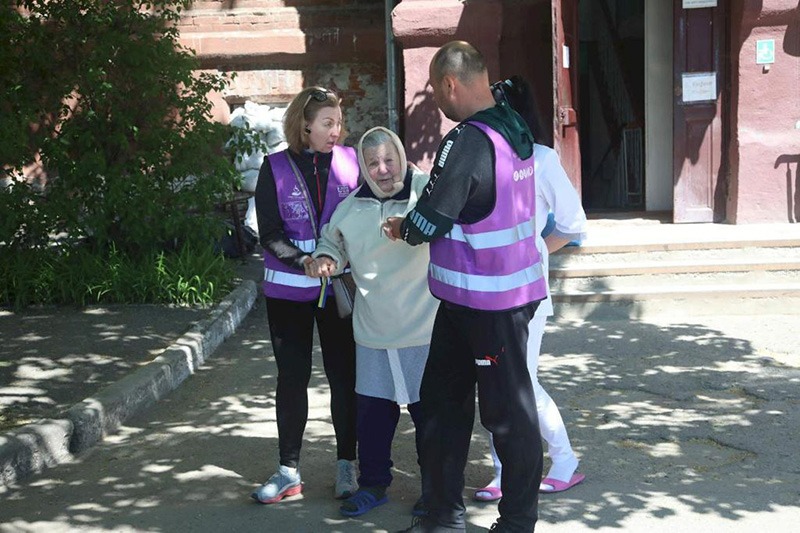
After the bloody Hamas attack on October 7, 2023, in southern Israel that saw 1,200 murdered and 251 taken hostage to Gaza, Purple Vest volunteers began providing help to disabled and elderly people who lived within 90 minutes away from the onslaught, and handled over 5,000 inquiries.
Since the current war began on February 28, Wagner said that the organization’s accessible call center has fielded thousands of calls asking for help.
“People need help getting drugs, pills, going to a pharmacy, getting health equipment, delivery for shopping, and evacuations,” he said.
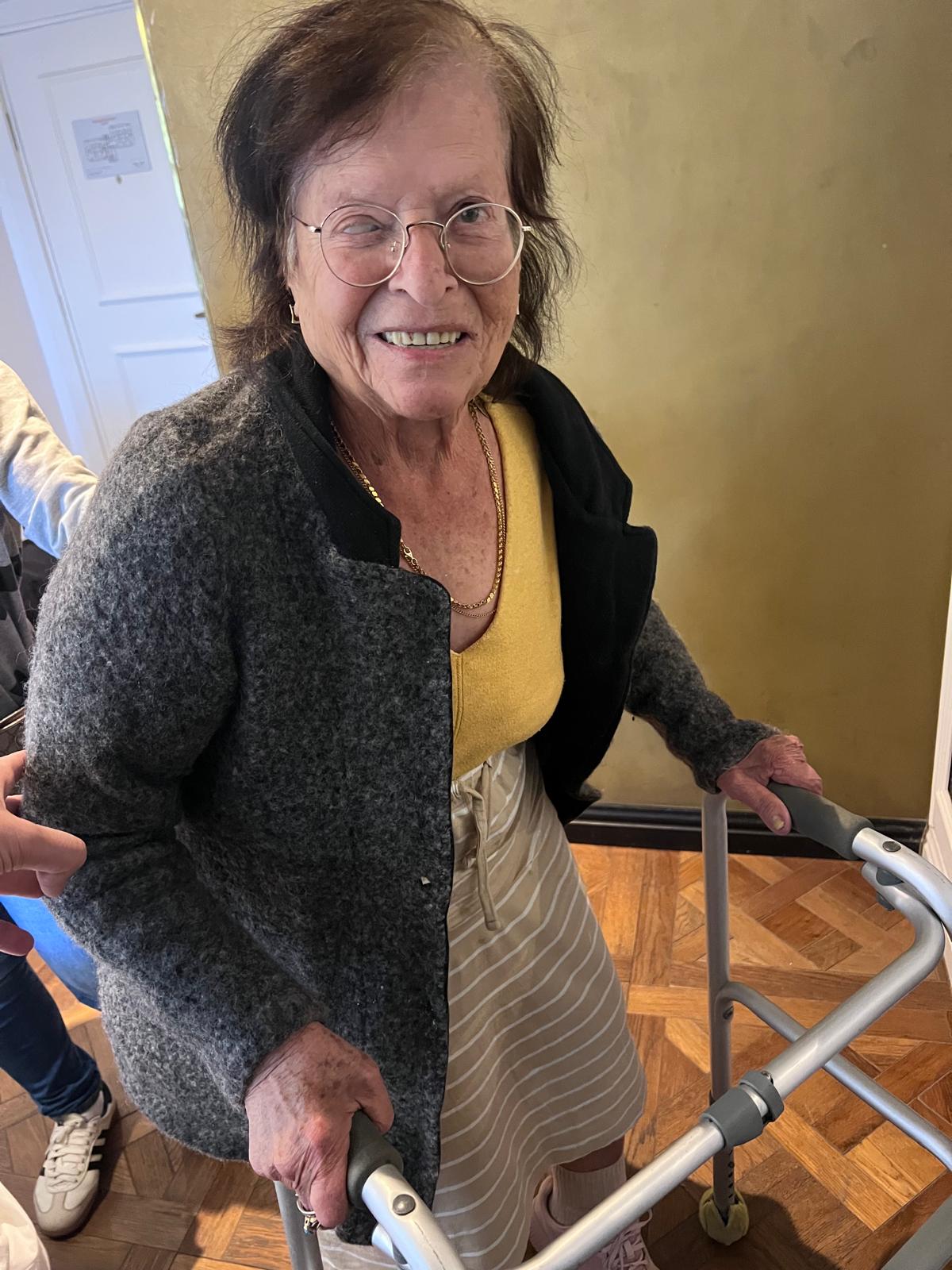
Rachel Harel told The Times of Israel that her mother, Linda Harel, 90, who is in a wheelchair after a stroke last year, had no way to walk down a flight of stairs to get into her Ramat Aviv building’s shelter.
Rachel said she requested help from the local municipality and several organizations, but to no avail.
“My siblings and I were so concerned for her physical safety,” Rachel said. When she heard about the Purple Vest Mission, she called, but she admitted, “without any expectations.”
“My mother’s been through so much,” Rachel said. “She was born in Syria, fled on foot to Israel when she was 13, learned how to read and write, and raised seven children who are all successful, from sheer willpower.”
After speaking to the hotline, the Purple Vest volunteers transferred her to a hotel with an accessible shelter, “giving her the dignity she deserved,” Rachel said. “The organization is a ray of light in the darkness.”









The Times of Israel Community.