

‘Where is the military?’: Civilian air medics jumped into action amid fighting, no GPS
A medivac pilot recounts harrowing details of flying military-grade air ambulance missions after Hamas massacred Israelis on Saturday; casualties outstripped IDF resources

 Add ToI as a Preferred Source on Google
Carrie Keller-Lynn is a former political and legal correspondent for The Times of Israel
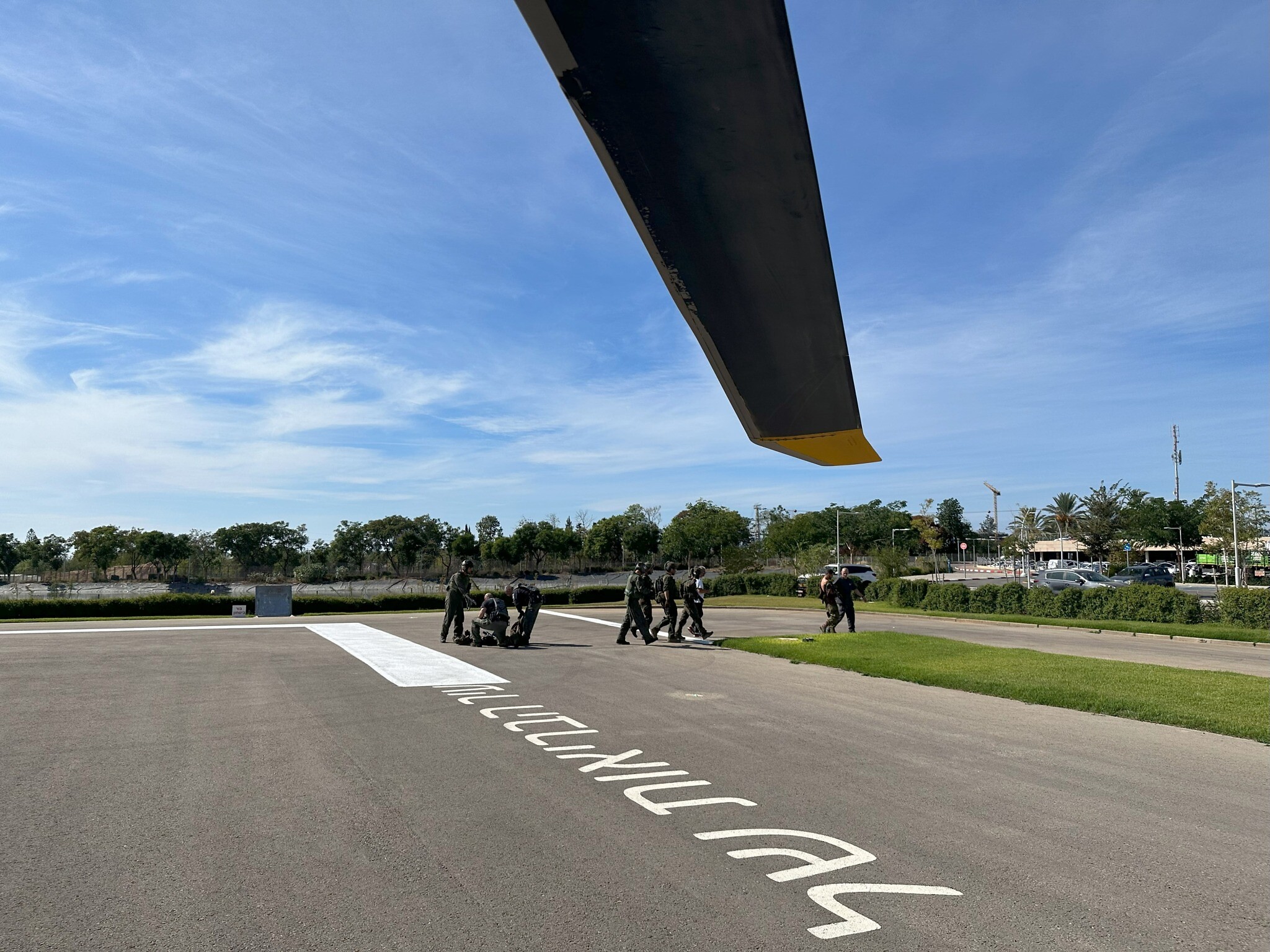
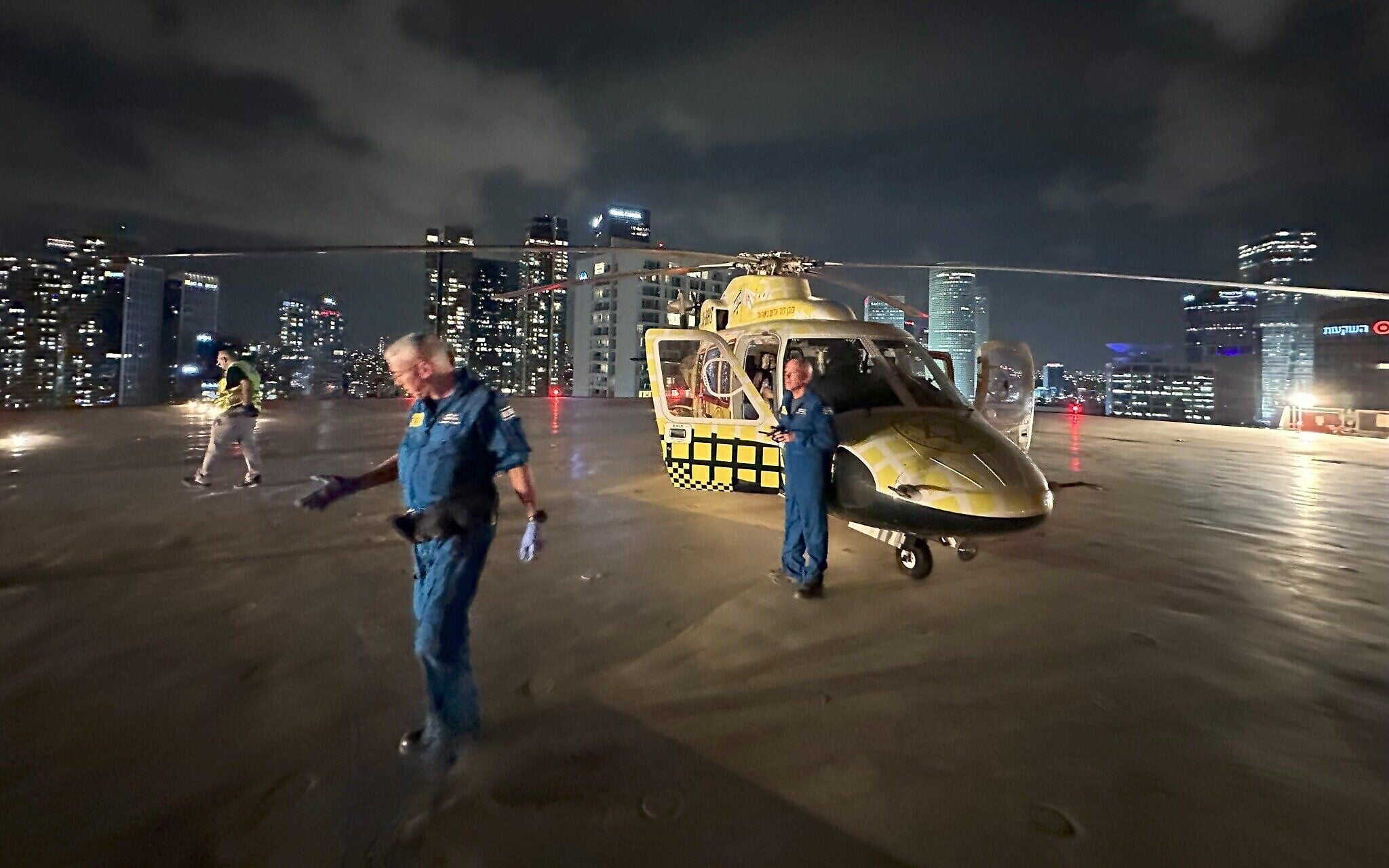
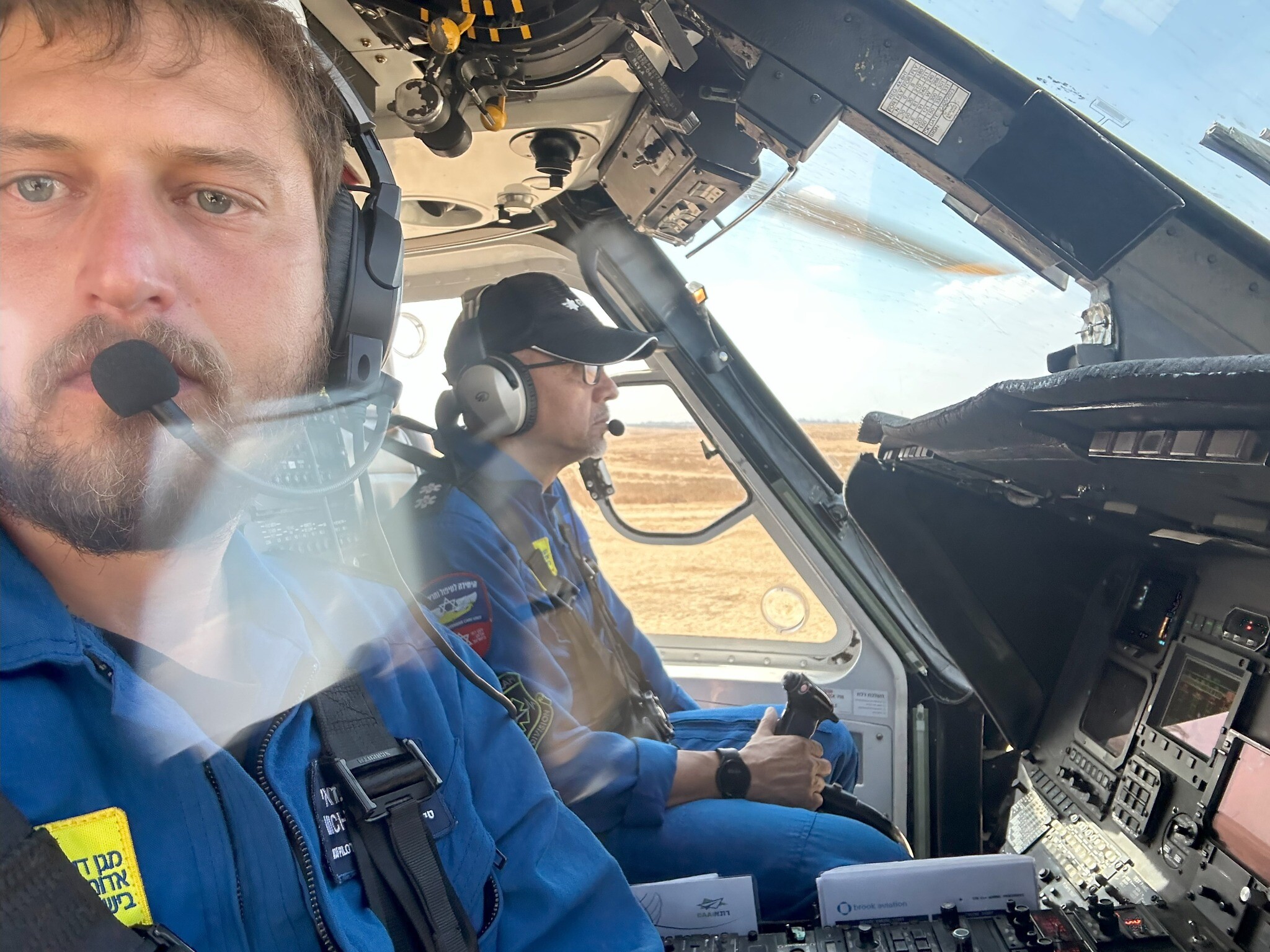
Michael Shamai, 36, was finishing his last working shift as a helicopter medical rescue pilot in the south before his scheduled return home, when he got a Saturday morning call to evacuate two casualties from Kibbutz Revivim, near Israel’s border with the Gaza Strip.
Emerging from a bomb shelter in Sde Teiman Airfield, Shamai said he assumed that he and other medics were being called to evacuate injured from the ongoing rocket barrage that morning, “which bothers me less than what actually happened,” he said.
En route, his team discovered the men were injured by gunfire. Shamai’s Sikorsky S-76 helicopter was designed to fly executives in comfort, not to withstand light arms or missile fire. The former Israeli Air Force pilot knew that an armed attack was only one of his team’s challenges, the second being the level of medical care a civilian EMS service could provide versus superior resources attending a military medivac.
Realizing one of the two injured civilians was in critical condition, Shamai radioed to check a time frame for when a military helicopter could arrive. The answer he received, he said, was: “There aren’t any, you’re alone, there’s no military helicopter coming.”
At 11 a.m., after he picked up the wounded, Shamai’s request to land was refused by the nearby Soroka Medical Center, on the grounds that the hospital was “closed because it’s full of injured people and if you land here, there is no one to take care of them.”
On the way to Jerusalem’s Hadassah Ein Kerem Hospital, one of his injured passengers died.
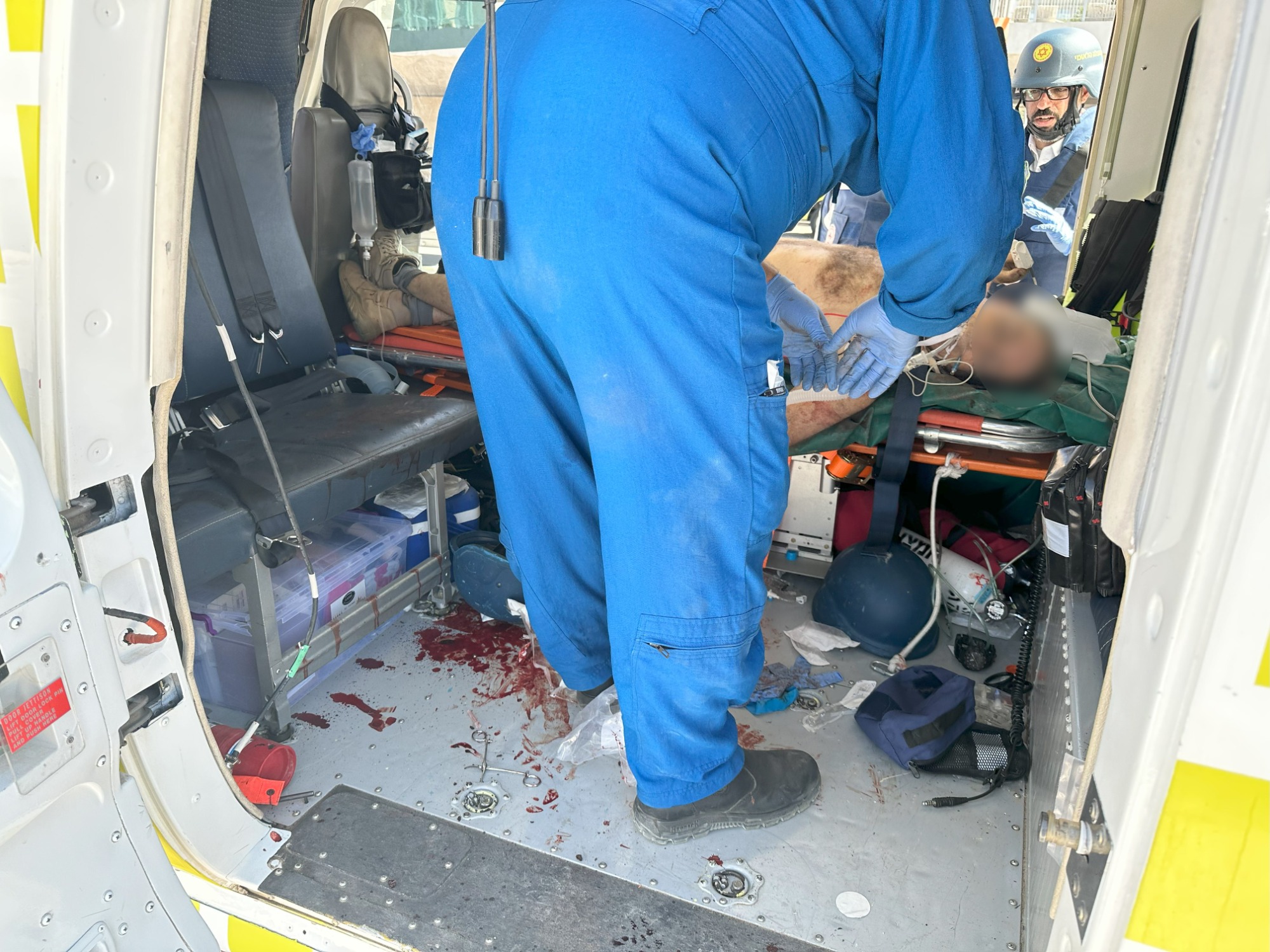
It was the first of several sorties that Shamai — and two other civilian air evacuation helicopters operated by a private company on behalf of Magen David Adom — flew in the first critical hours of Hamas’s devastating terror attack against Israel, which claimed the lives of some 1,000 people, the vast majority of them civilians, and wounded more than 3,000. In the days since, the toll has swelled to more than 1,300 dead.
Amid confusion and overtaxing demand on military resources, Israel’s tiny fleet of civilian air ambulance services jumped into action to fly military-grade medical rescue missions, beginning from the first hours of the attack, which started at 6:30 a.m. on Saturday.
Israel’s most catastrophic single-day mass casualty event in its 75-year history, Hamas’s terror attack caught security forces by surprise, and it took the Israel Defense Forces critical time to spin up. And even then, an Air Force overwhelmed by the unprecedented number of injured, contending with competing missions, was stretched to provide timely service.
For two days, civilian air ambulance services helped fill the gap, according to Sharon Shiloh, a senior adviser to Brook Aviation, which is the operator for Magen David Adom’s two-helicopter ambulance fleet.
Explaining Brook’s decision to send their air teams to the front lines, former Israeli Air Force pilot Shiloh, 61, said that the private company jumped in to fill a demand gap, not a skills one.
“It’s not inability, [the military] had so many missions,” said Shiloh, who coordinated among Brook, Magen David Adom and the Air Force. “And they have other missions other than medical evacuation missions. There was so much need, we had 3,000 wounded soldiers and civilians.”
Shiloh said that Brook is currently the only civilian medical airlift operator regularly dispatched by Magen David Adom in Israel, and under normal circumstances, one helicopter each in the country’s northern and southern regions is enough to fulfill the mission. Even in peacetime, the military generally flies more complicated cases.
A spokesperson for Magen David Adom did not respond to a request for verification. Hebrew daily The Marker has previously reported that Magen David Adom has not dispatched available medivac helicopters from providers Lahak and United Hatzalah since March 2023, following a lawsuit between Magen David Adom and Lahak.
A spokesperson for United Hatzalah told The Times of Israel that Lahak-United Hatzalah teams flew their two helicopters on nine sorties on October 7 — their first non-private missions in seven months — out of what the representative called “sheer need” from an overwhelming number of answered calls.
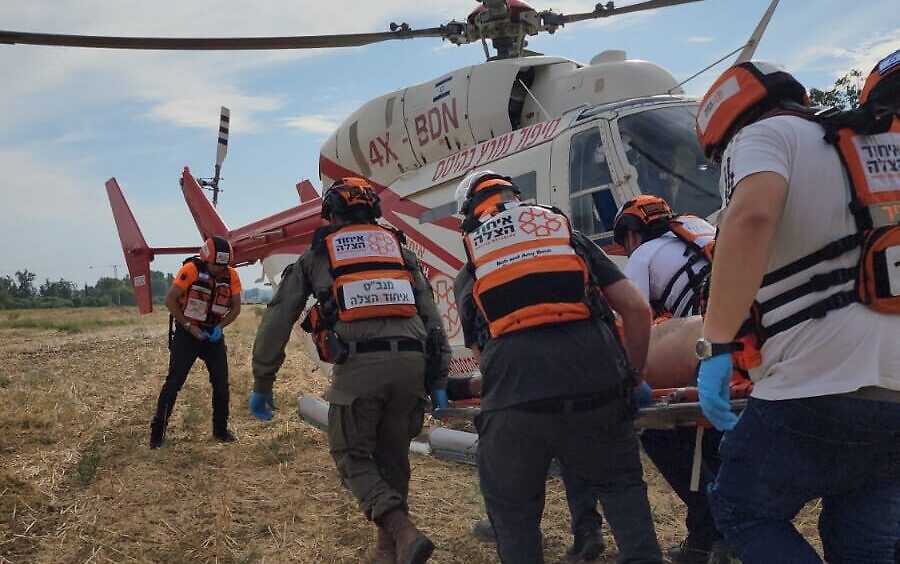
As Israelis struggled to understand the full scope of the attack unfolding on Saturday morning, Shamai, grappling with the fact that he was now flying military-grade medical rescue missions, braced himself.
For his second mission, shortly after refueling from his Jerusalem drop-off, he was called to Kibbutz Mabuim, where many injured were being gathered near the Gaza border.
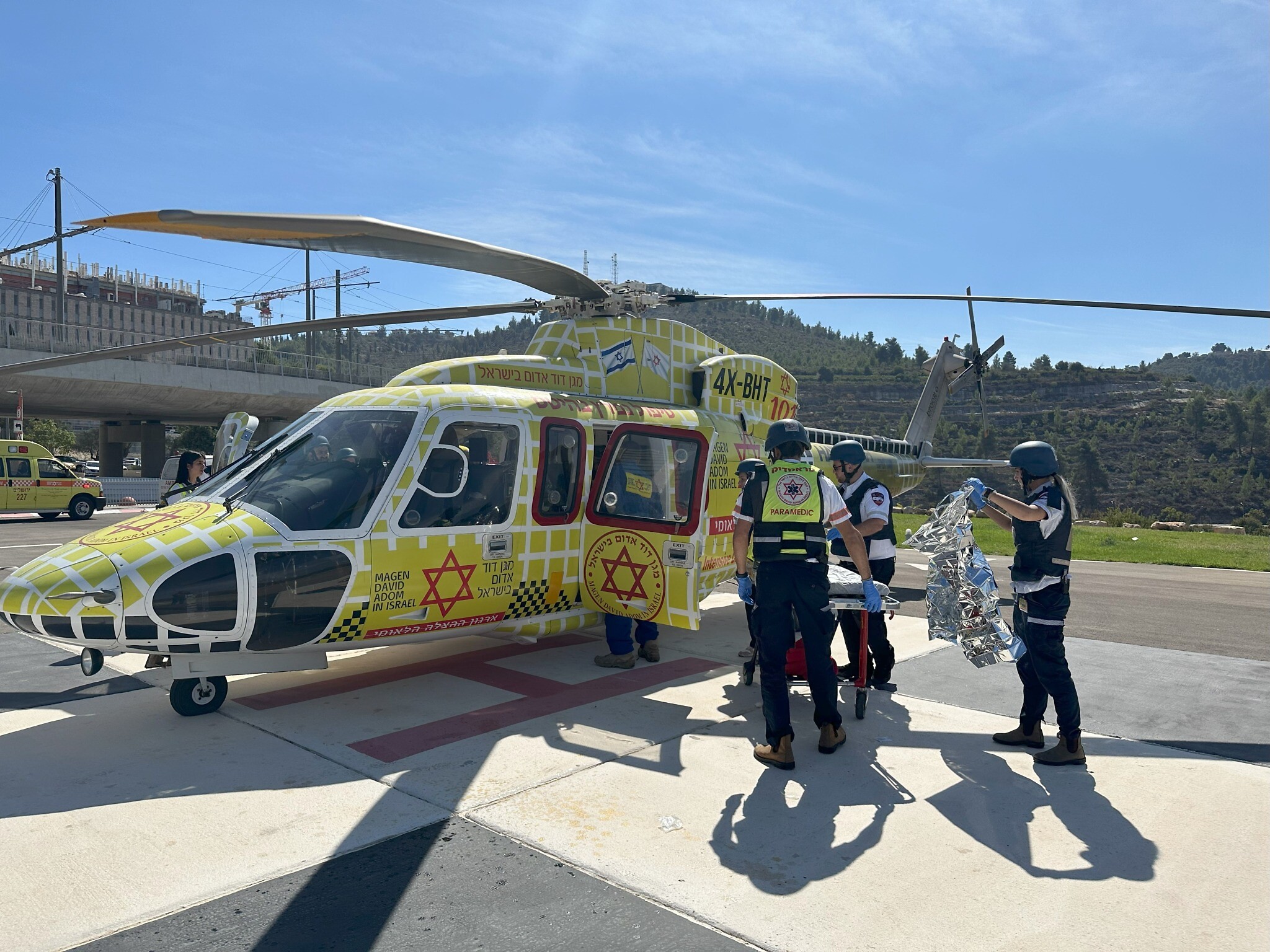
“It’s clear to me that what we’re doing now is dangerous. On the other hand, the reason I continue is that even if we do nothing, it’s dangerous,” Shamai said.
With reports and social media posts flowing in showing that terrorists had infiltrated nearby Kibbutz Be’eri and the IDF’s base at Re’im, and were massacring civilians at a music festival in Re’im’s countryside, Shamai said that “at some point, I felt safer in the air, in the helicopter, than on the ground in Sde Teiman, three minutes from hostages in Be’eri and Re’im.”
Picking up two soldiers, “each ridden with bullets,” Shamai said, “At this point, I ask myself, where is the military?”
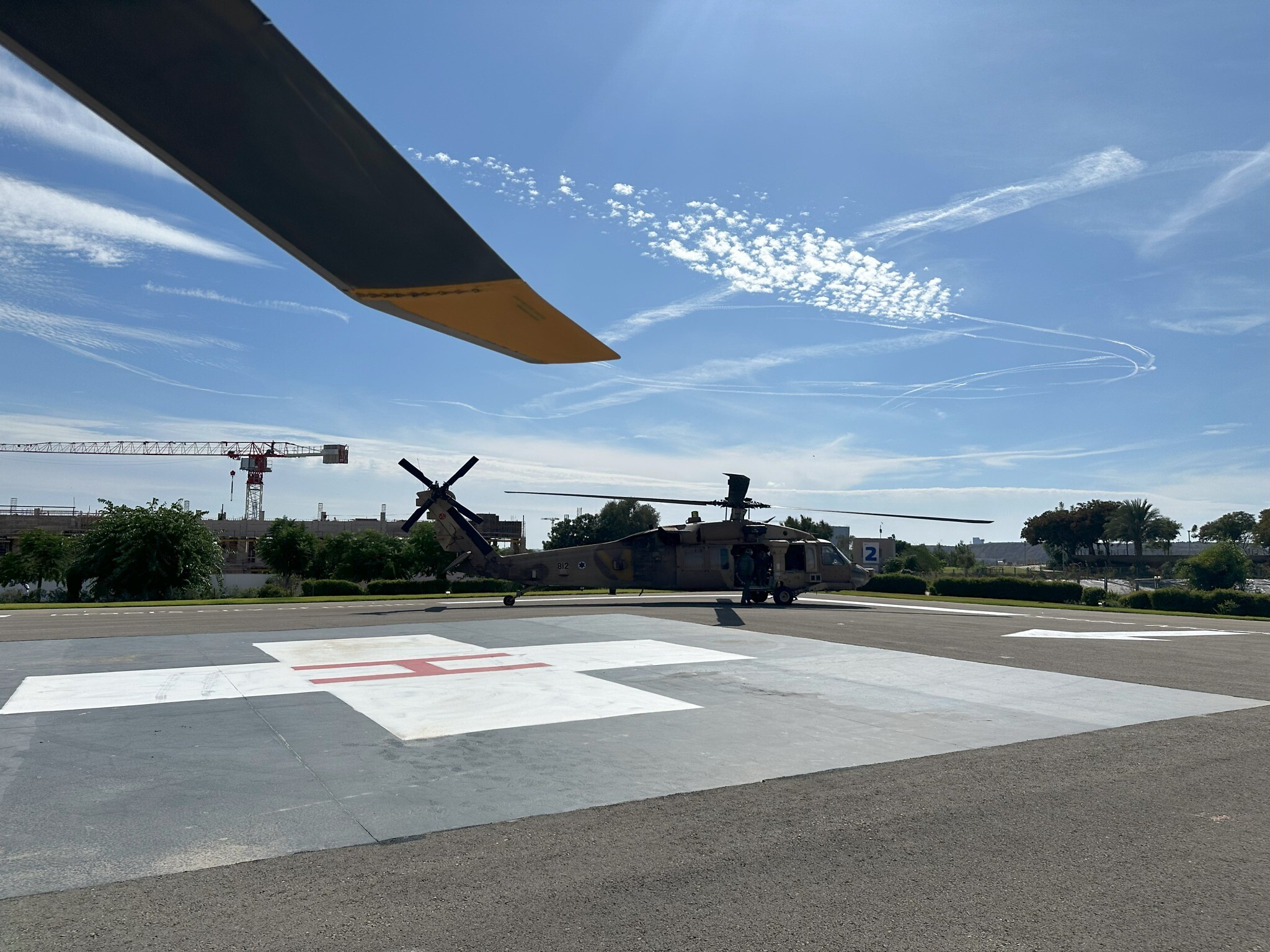
“I’m a small helicopter taking two injured, and there are military helicopters which if they fire a missile at them, they can divert it, they are made of materials that can absorb gunfire,” Shamai said, pointing out that if his air ambulance took a hit, it would likely crash.
In addition, his aircrew, including Magen David Adom paramedics, were flying unarmed, without helmets and flak jackets.
Shortly after their airlift took off, one of the paramedics who helped board the injured soldiers was himself shot by terrorists, Shamai said. “That means when we landed in Revivim it wasn’t over, the terrorists were still there.”
Shiloh said that Brook made the decision to send their civilian pilots close to the front lines, despite the personal danger it posed to the aircrews. “Israel is not an NBA team. We can only lose once,” he said, by way of explanation for contributing to the burgeoning war effort.
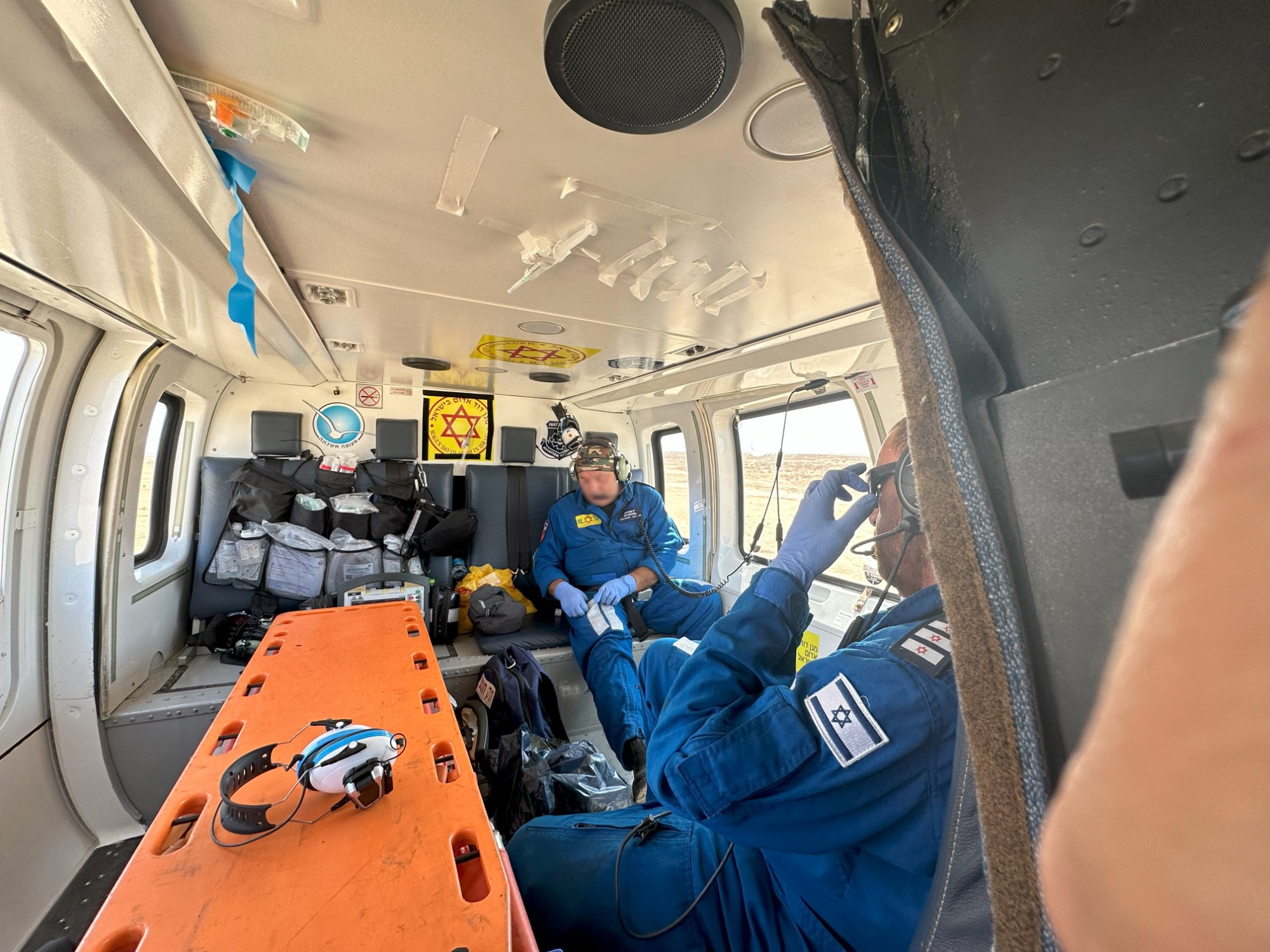
Upon receiving his third mission of the day, to pick up casualties at Bnei Netzarim, Shamai said he told his supervisor, “Wait a second, it’s very close to Gaza. I asked, ‘Is there no military helicopter that can fly there? It’s already 4 p.m.’ He said ‘no.'”
Flying to Bnei Netzarim, Shamai picked up a soldier and a civilian who had been injured in the morning, waiting for hours for evacuation.
“Each time that I asked for a military helicopter to do our evacuation, from our understanding that the evacuation was at its core a military mission and not a civilian one, that was the answer I got,” directly from the Air Force. “I personally had to make a decision, whether I would let the injured wait until there is a military helicopter or if I’m doing it,” Shamai said. He flew onward.
Further complicating the process, Shamai said he flew without GPS assistance, saying that Israel jammed satellite positioning, to thwart terrorist maneuvering inside of Israeli territory.
“We’re navigating like back in the day with a map, from the border of Gaza and Egypt” to Tel Aviv’s Ichilov Hospital.
Landing in Tel Aviv, Shamai said they had to carry the wounded down flights of stairs on stretchers, with rocket barrages blaring in the background, because of an elevator malfunction.
In response to the the overwhelming number of wounded requiring air evacuation, Brook converted an executive transfer helicopter to an air ambulance, to briefly increase its fleet to three. On Monday, shrapnel from a rocket hit one of the helicopter’s rotor blades and grounded the craft, Shiloh said.
“The pilots threw themselves over the wounded people to protect them,” he said, during the Ashkelon rocket hit.
The strategic adviser estimates that of the about 200 to 250 total medivac missions that he was aware of during the first two days of what has developed into an Israel-Gaza war, the Brook-Magen David Adom team flew about two dozen missions to evacuate more than 50 wounded civilians and soldiers.
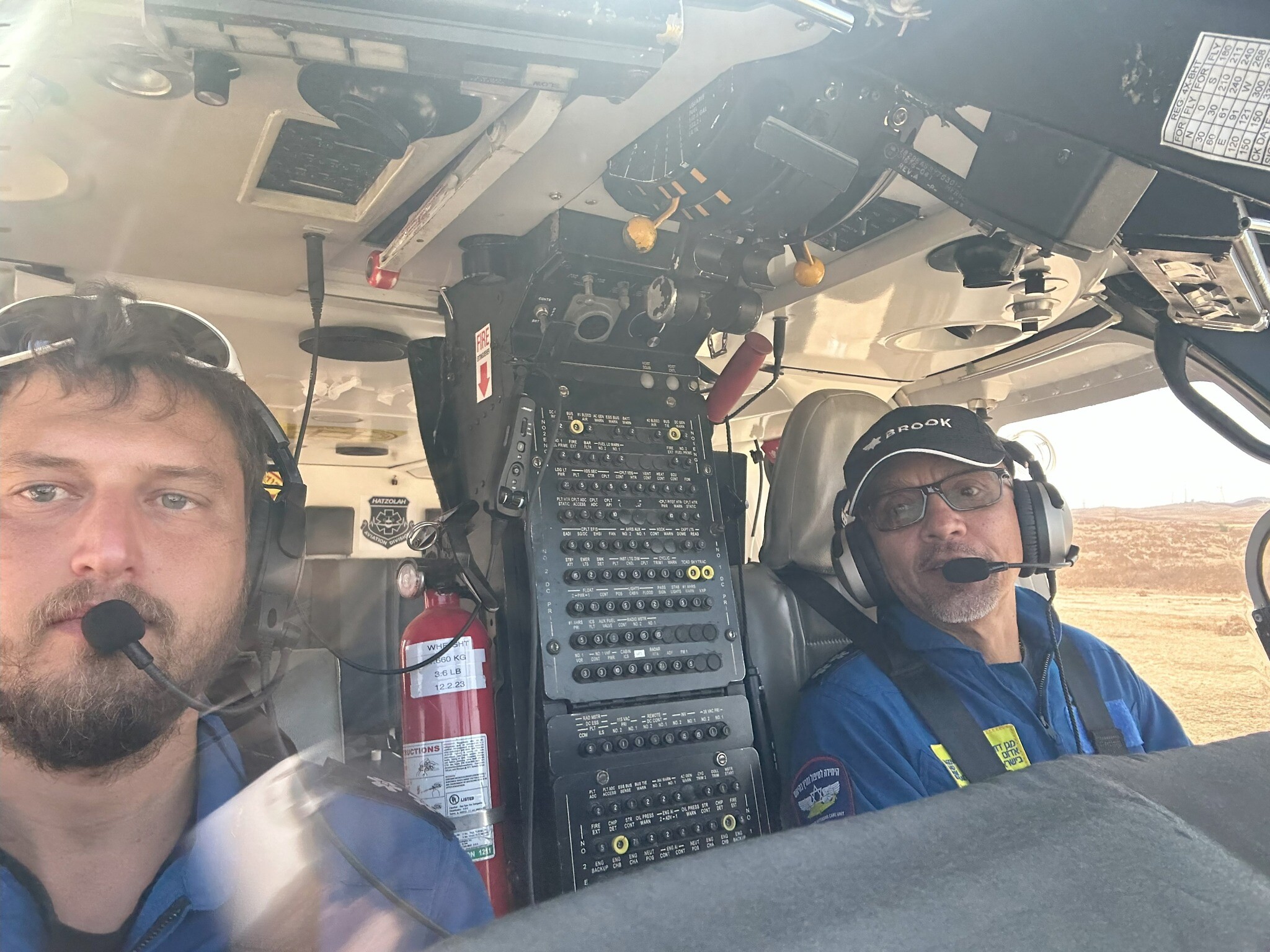
Alongside Shamai in the cockpit was an Ecuadorian pilot, who does not hold Israeli citizenship. Like Shamai, Jorge Ordoñez, 57, has decided to stay in wartime Israel and keep flying air evacuation missions.
“Somehow, I felt in my veins I was another Israeli citizen, and I had a mission to do, no matter what it takes, as long as I save lives,” Ordoñez said. “I am honored and privileged to be here and continuing to work day by day, with the most brave and resilient people,” he said, praising the airborne medical teams, some of whose colleagues are thought to be held hostage in Gaza.
Ready to keep sitting next to him in the cockpit, Shamai said that: “I canceled my return ticket to Germany, my girlfriend is worried and sad, but she also gets it. And in the meantime, I am here, until it’s clear that the situation is stable and I don’t need to be here anymore.”



The Times of Israel Community.