

Winds of war begin to calm, but tourists unlikely to rush back immediately
The tourism industry is desperate for a rebound, and bringing back visitors beyond pilgrims and solidarity missions will require overhauling Israel’s image, experts caution

 Add ToI as a Preferred Source on Google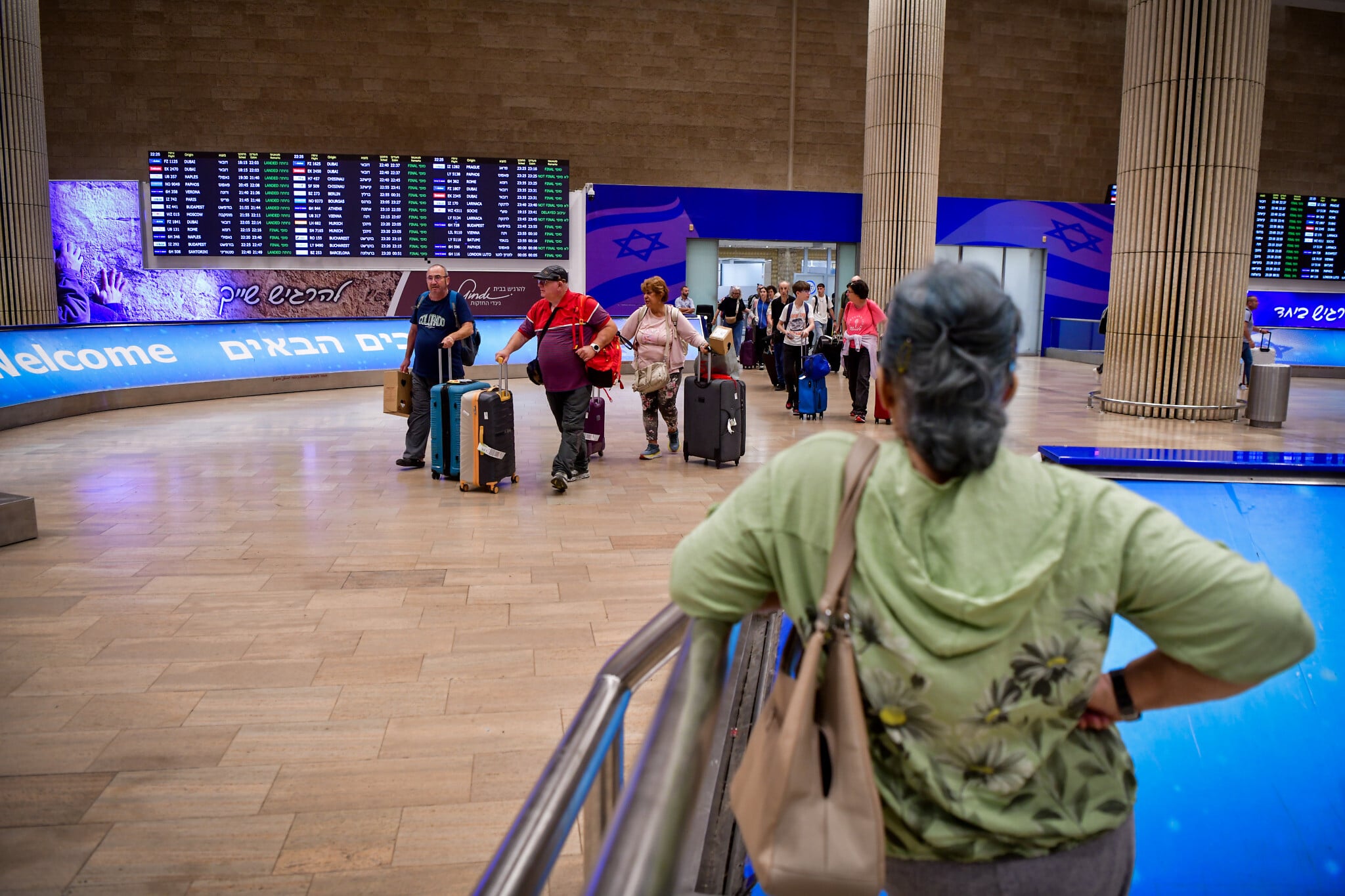
On October 8, 2023, tour guide Ori Strassberg was booked to take a family visiting from Switzerland on a three-day tour around the Negev desert, including areas near the border with Gaza. On the rebound after the COVID-19 pandemic, his calendar was filled through the end of 2023 and into 2024.
More than two years later, the Swiss family is finally looking to make good on its plans, the parents eager for their youngest daughter to experience Israel differently than she did on October 7, 2023, Strassberg said.
That day, Hamas terrorists launched an unprecedented assault on southern Israel, killing 1,200 people, taking 251 captive, plunging the region into war and bringing the country’s tourism industry to a shuddering standstill.
“There was a real boom in tourism after COVID and then October 7 came along,” said Strassberg, who immigrated to Israel from Basel in 1998.
As the war in Gaza appears to wind down following a ceasefire agreement signed on October 9, and foreign airlines begin resuming regular flights to Israel, some in the tourism industry still feel like it’s October 8.
According to experts, it will take time before tourists and visitors begin returning to Israel in large numbers, reviving the ravaged industry and contributing to the recovery of the economy.

“There is a big gap between ceasefire declarations, celebrations, and tourists arriving at Tel Aviv’s Ben Gurion Airport, as there are too many factors around ending this war that are not known yet,” said Yossi Fatael, director general of the Israel Inbound Tour Operators Association. “The end of the war is not the end of the image crisis that Israel has been facing during this war. It’s going to take more time to fix this issue.”
Strassberg, 51, is one of more than 7,000 licensed tour guides in the country who have remained with almost no work for more than two years.
“Since October 7, I have had no work as a tour guide or translator in Israel,” said the guide, who used to accompany not only families but also political delegations and labor groups visiting the country from Germany. “Struggling to make a living, I tried to reinvent myself, picked up part-time jobs at law firms and other places, but mostly I had to eat up my savings in order to survive.”
Before the war, tourism accounted for more than 2 percent of Israel’s economy, contributing about NIS 20 billion ($6.1 billion) a year, while employing more than 200,000 people directly, according to the Tourism Ministry.
In 2023, before the outbreak of war, the country had been projected to draw 5.5 million visitors, a million more than 2019’s record high of 4.5 million. In the end, 3 million people visited in 2023, according to ministry data.
In 2024, the number of visitors failed to crack 1 million, and only 1.4 million are projected to visit in 2025.
Much of the fall-off can be attributed to the security situation. A large number of foreign airlines canceled or froze routes to Israel, citing missile attacks targeting Ben Gurion Airport, making getting to and from Israel a chancy proposition. Many have also stayed away due to rising anti-Israel sentiments around the globe, fueled by anger over the country’s conduct during the war in Gaza and images of Palestinian suffering.
“The anti-Israel sentiment has moved from the area of opinions to the area of fashion,” said Fatael. “To hate Israel right now is in fashion.”
The fall-off has led to deep cuts within the industry.
According to Fatael, out of the 3,000 tour operators and organizers operating before the war, only about 1,000 remain in business.
Hotels, some of which weathered the bad times by housing evacuees, may also start to feel the pinch as many return to their homes.

In September, tourist hotel overnight stays totaled 216,000, a big drop of 68% compared to September 2023 before the outbreak of war and a plunge of 78% versus the same month in 2019. The most affected cities are Haifa, Tiberias, Jerusalem, and Nazareth.
The number of tour guides is also shrinking, though not by much, with many holding onto hard-earned licenses in hopes business will pick up.
Tourism Ministry data shows that there are currently 7,634 registered tour guides, down from 8,377 in 2021.
Both Fatael and Strassberg said they were starting to see early signs of interest from foreign visitors, though mostly from pilgrims, religious groups, and delegations rather than general vacationers.
“From previous crises, including [the coronavirus pandemic], which is not a military crisis like we have now, it usually takes a minimum of six months before we see organized groups such as pilgrims starting to visit and around two years to go back to the boom in incoming tourism we experienced in 2019,” Fatael said.
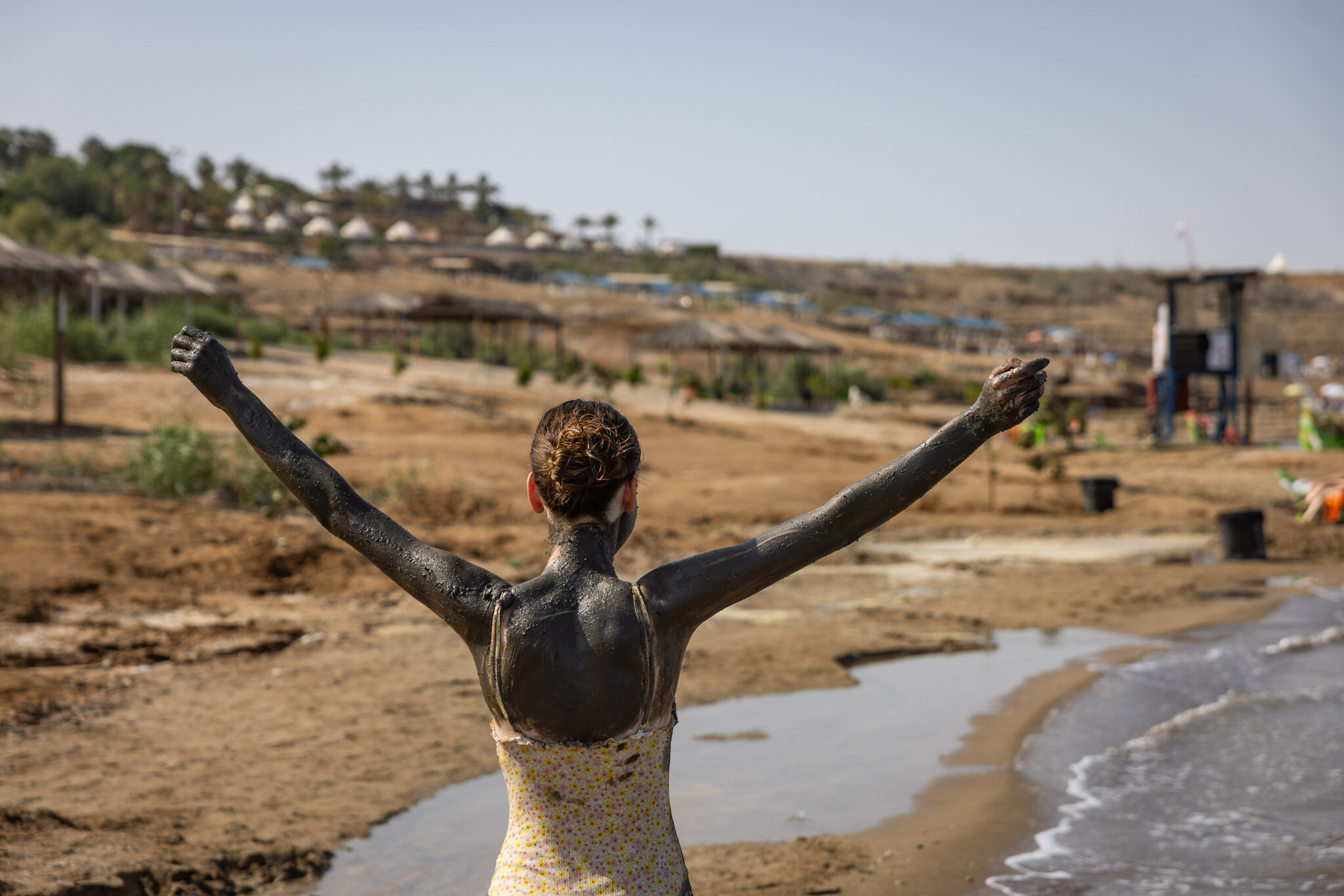
Israel needs to rebuild itself as a modern, safe, and vibrant travel destination for pleasure, culinary, sports, and historic attractions, which it was known for before October 7, both Fatael and Strassberg urged.
“There are many people who don’t come to Israel because of politics,” said Strassberg. “There will also be many people who come out of solidarity and there are those who are not new to Israel, but the influx of regular tourists will take time, not just because it’s expensive, but due to the uncertainty, whether the ceasefire will hold up, and due to the growing anti-Israeli sentiment.”
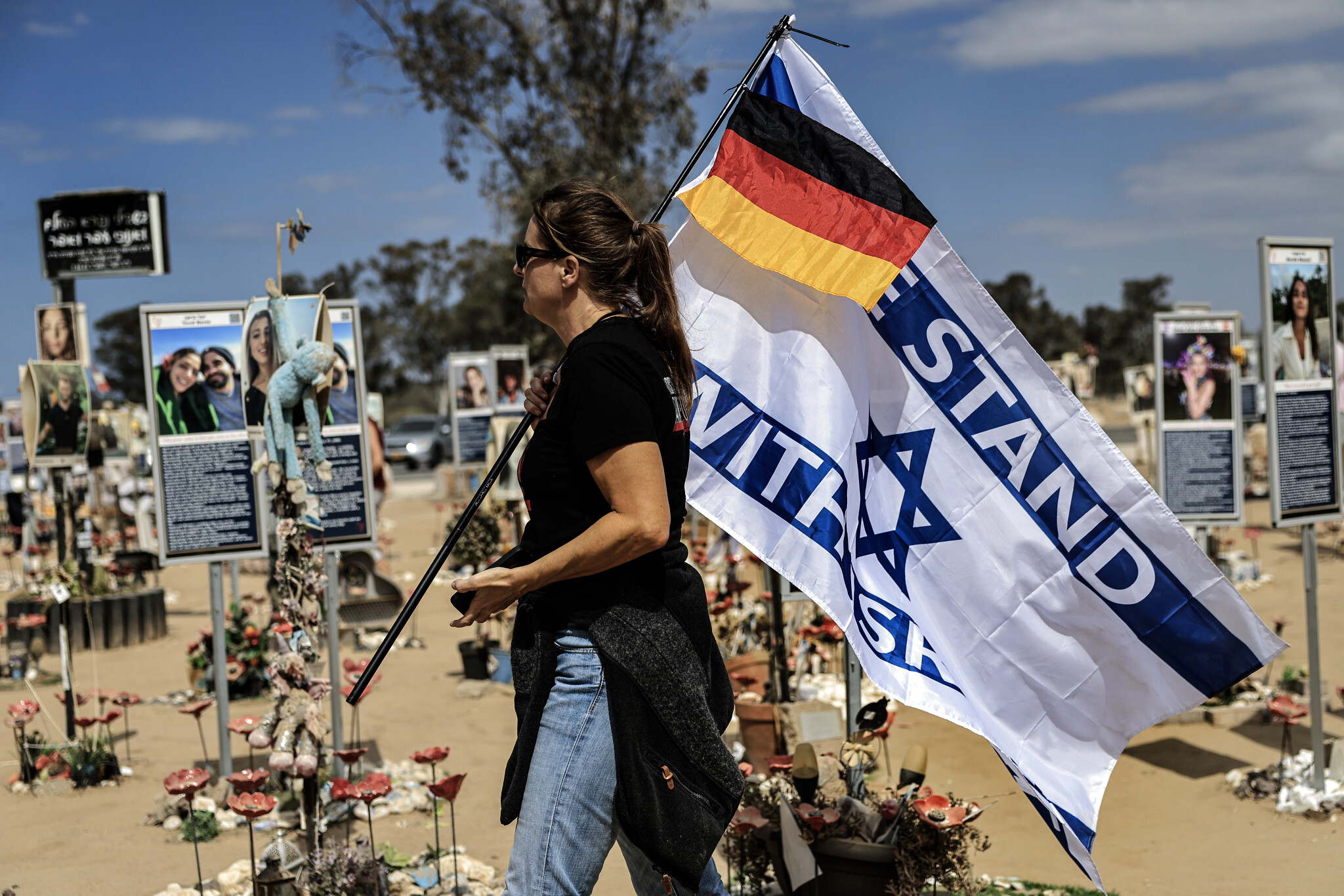
Strassberg said that tourism could play a big part in rehabbing Israel’s image, which would help the industry move beyond attracting solidarity trips and others who expect tour guides to take them to massacre sites.
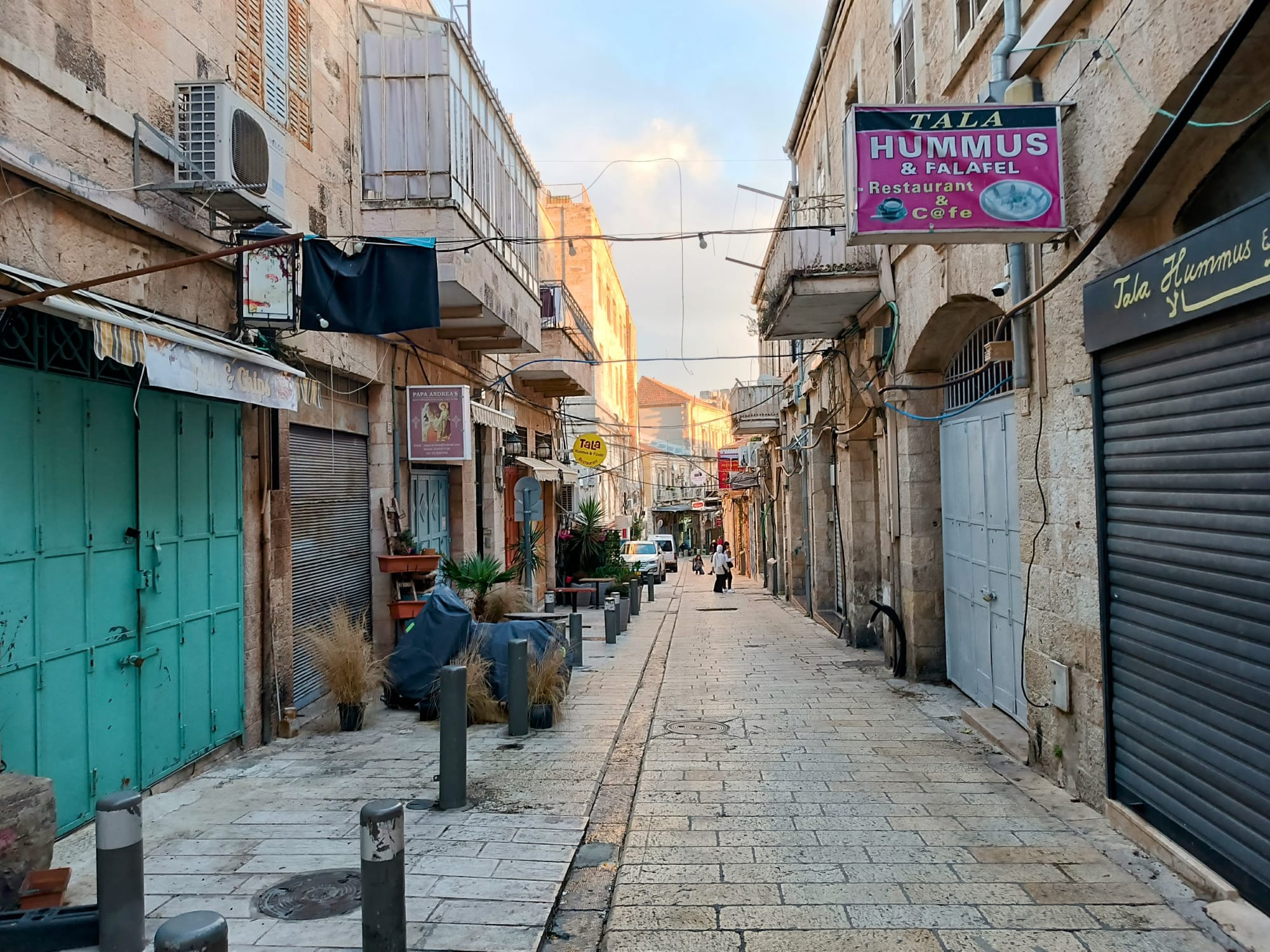
“Israel must start now on social media channels and elsewhere advertising that shows vibrant life around full cafes, restaurants, and beaches in Tel Aviv and the Old City markets in Jerusalem, to move away from the main ‘tragedy’ tourism, which is also important,” he said.
Both he and Fatael said the government should recognize the strategic importance of incoming tourism as a tool for putting the country in a positive light after so much bad publicity due to the war.
A spokesperson said the Tourism Ministry is continuing to work on campaigns focused on bringing back European tourists, while also exploring new markets in the Far East to attract visitors. But they were also realistic about the limitations Israel faces after two of war.
“Visiting tourists are the best ambassadors of goodwill for Israel, but we don’t argue with reality, and the negative sentiment toward Israel,” the Tourism Ministry spokesperson said.

Fatael said getting tourists back to Israel and repairing the country’s image would also open up doors for Israelis seeking to become international tourists themselves.
“None of the politics or diplomatic services by the government will do the job better than groups of tourists that visit the streets of Tel Aviv and Jerusalem, unique historic sites, and go to the sea, and share their experiences first-hand with their friends when they return home,” said Fatael. “Israelis will be welcomed again abroad when we see tourists on the streets across Israel.”
“It goes hand in hand because it has to do with reputation and image,” he added.
Times of Israel staff contributed to this report.










The Times of Israel Community.