

Ex-defense chief Ya’alon slams Bennett as ‘minister of leaks’
Gaza war transcripts continue to make waves as ministers lash the publication of secret cabinet discussions from 2014 conflict
 Add ToI as a Preferred Source on Google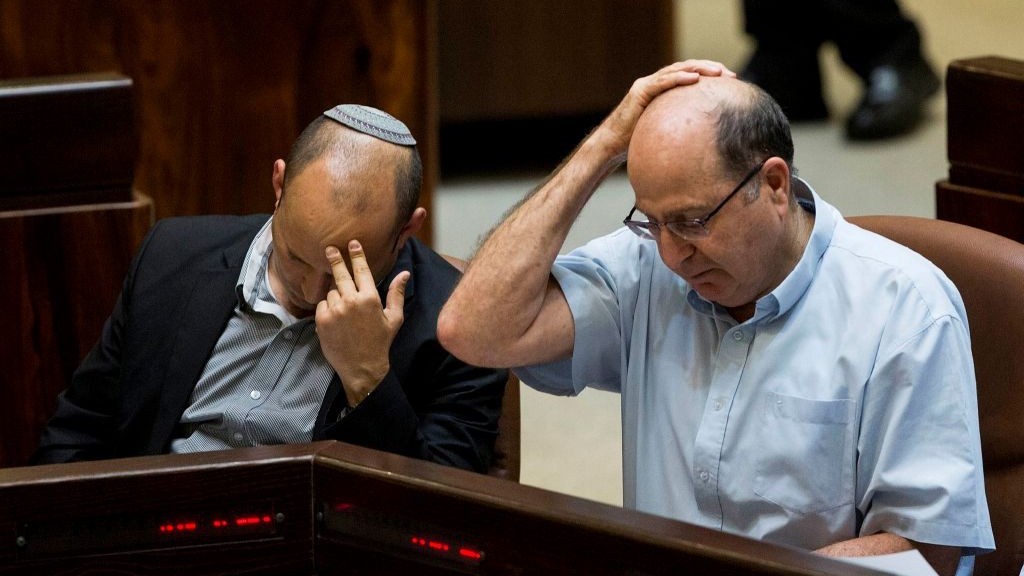
Former defense minister Moshe Ya’alon let loose Thursday with a fresh volley in an ongoing feud with Education Minister Naftali Bennett over the leak of secret security cabinet discussions from the 2014 Gaza war.
The leaked transcripts of cabinet meetings leading up to and during the 2014 war further highlighted the bitter divide between Ya’alon and Bennett, with the two clashing over how aggressive a response to take to the threat of attack tunnels built by Hamas reaching into Israel.
The conflict between the two reached new heights this week as Ya’alon and Bennett traded barbs at the Institute for National Security Studies’ conference in Tel Aviv on Tuesday, with Ya’alon hinting that Bennett leaked the conversations of the security cabinet meetings “to get a few ‘likes’ on Facebook,” while Bennett characterized the military’s approach under Ya’alon as “rigidity and footslogging.”
The spat is taking place against the backdrop of a report by State Comptroller Yosef Shapira — a Knesset panel on Tuesday pushed off a debate on its release to the public due to security considerations — that is said to show bitter infighting among members of the security cabinet, especially between Ya’alon and Bennett, over the conduct of the war in Gaza, dubbed Operation Protective Edge.
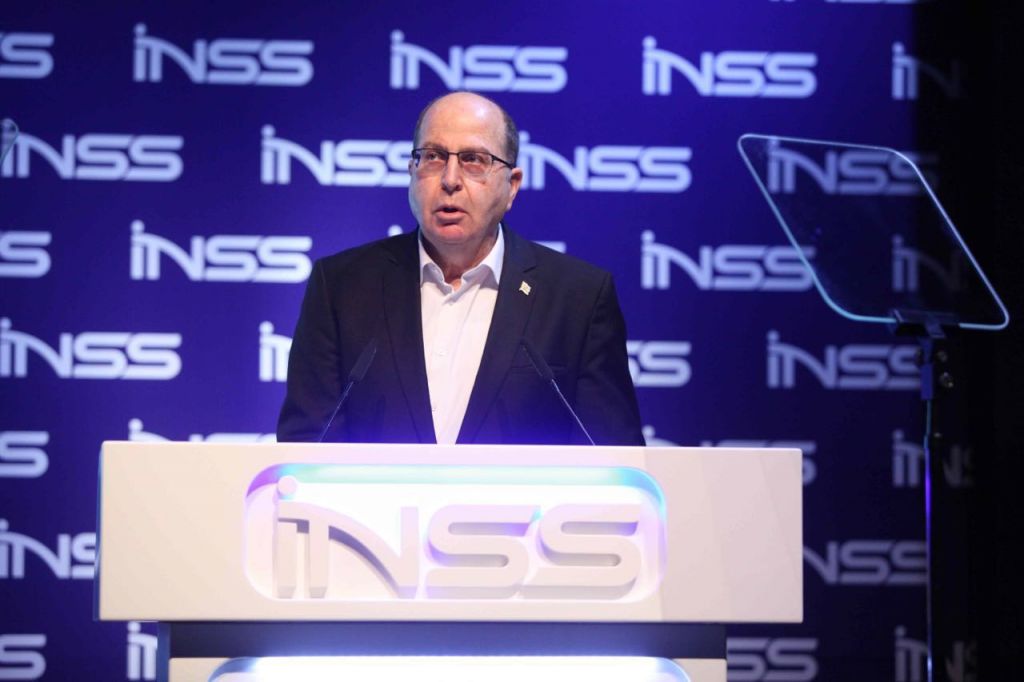
Ya’alon, who did not directly name Bennett on Tuesday as responsible for the leaks but said it was “obvious” who was behind them, attacked the education minister directly Thursday, saying that his leaks had caused damage to the security cabinet, the Hebrew-language Walla News site reported.
By leaking conversations from within the security cabinet, Ya’alon charged, Bennett effectively ensured that no minister will feel free to speak openly in future security cabinet discussions.
“The damage that the ‘minister of leaks’ has caused to the holy of holies of the [security] cabinet is that [ministers will] speak to the [written] minutes,” Ya’alon said.
“Right-wing leaders do not politicize national security,” he chastised.
Yesh Atid leader MK Yair Lapid — who as finance minister at the time was also present at the security cabinet meetings — also entered the fray on Thursday, telling Israel Radio Thursday morning that “Netanyahu did not tell the truth on the subject of the [Hamas] tunnels.”
Lapid said that while Netanyahu and Ya’alon led the war effort responsibly, the problem was in the lead-up to war. He pointed to the as-yet-unpublished state comptroller’s report as proof that the IDF had not properly prepared for the tunnel threat and that the security cabinet was not properly apprised of the scope of the tunnels, despite the prime minister’s claims to the contrary.
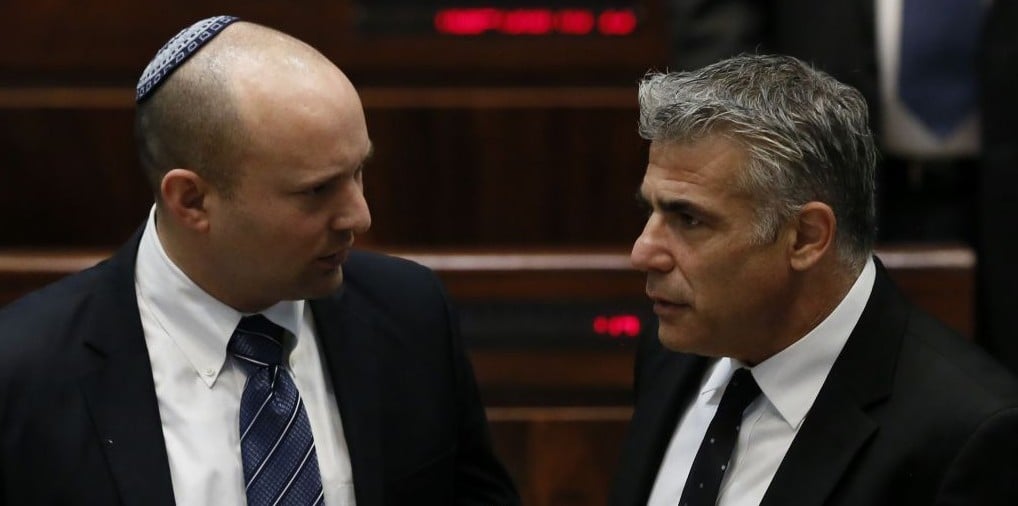
Lapid refused to say who he believed was behind the leaks of the transcript, but confirmed that during the war “we saw constant politicking” in the security cabinet, and said “there is no place for politics in a war.”
Chaired by the prime minister, the security cabinet — formally titled the Ministerial Committee for National Security — is currently composed of 10 ministers, including the heads of most coalition parties, and is empowered by law to oversee the conduct of both war and peace negotiations.
Some members of the security cabinet during Protective Edge have long complained that Netanyahu would not allow serious consultations and decisions in the forum. Part of the criticism, especially by Bennett, was already voiced during the war itself, when he took to visiting frontline army units and discussing the war’s progress with officers in the field.
Bennett, who at the time was economics minister, maintains that he became aware of the urgency of dealing with cross-border tunnels — an issue that became the war’s main goal in its final weeks — outside the confines of security cabinet discussions, including during his conversations with IDF officers. Bennett has repeatedly claimed that the threat posed by the tunnels was not properly discussed or understood in the security cabinet’s meetings.
Netanyahu and Ya’alon have in the past rejected Bennett’s claims, and criticized as “populist” his public excoriation of the army’s conduct while fighting was still underway in Gaza.





The Times of Israel Community.