

Bennett: Watchdog report on 2014 Gaza war an ‘earthquake’
Education minister calls for military to pursue ‘victory,’ in implied criticism of Ya’alon, while former defense minister defends his ‘prudent leadership’
 Add ToI as a Preferred Source on Google
Raphael Ahren is a former diplomatic correspondent at The Times of Israel.
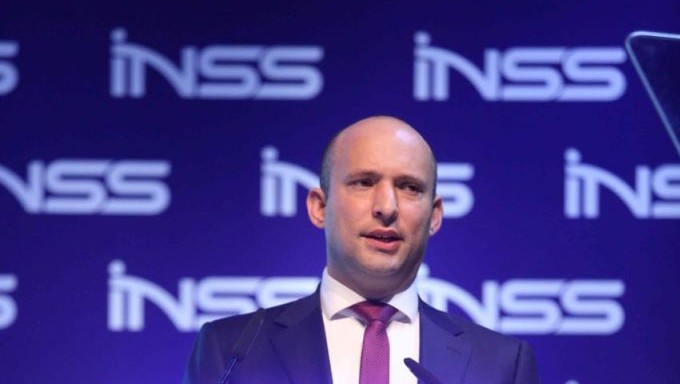
Education Minister Naftali Bennett on Tuesday welcomed the planned publication of the state comptroller’s report on the 2014 war in Gaza, charging that the Israeli leadership failure to think creatively was to blame for its indecisive outcome.
The report would be “an earthquake” for the security establishment, but would also provide “an opportunity,” he told a conference of the Israeli Institute for National Security Studies in Tel Aviv. “The report paints a clear picture: The rigid thinking among the country’s leaders is the root cause of the failures.”
The Knesset is expected to clear for publication State Comptroller Yosef Shapira’s probe into how the security cabinet handled itself during Operation Protective Edge. The report is said to show bitter infighting among members of the high-level ministers’ forum, especially between Bennett, who was economy minister at the time, and then-defense minister Moshe Ya’alon.
The report is said to be especially critical of Prime Minister Benjamin Netanyahu and Ya’alon, though it also calls out Bennett for his unauthorized visit to troops fighting at the frontline during the war.
Coalition officials, especially those close to Netanyahu, initially tried to prevent a vote in the Knesset State Control Committee’s subcommittee on classified materials to permit the publication of that section of the report. But on Monday, seemingly bowing to the inevitable, sources close to Netanyahu said the premier was not opposed to publicizing the non-classified portions of the document.
Bennett maintains that he became aware of the urgency of dealing with cross-border tunnels, an issue that became the war’s main goal in its final weeks, outside the confines of cabinet discussions, including during his conversations with IDF officers, and that the threat posed by the tunnels was not properly discussed or understood in the security cabinet’s meetings.
“The state comptroller’s report determines that the concept of rigidity in security matters has collapsed, and we need to adapt a new security paradigm: No more rigidity and footslogging, but victory — clear and decisive victory,” Bennett said Tuesday.
Israel’s army should be allowed to achieve military victories that do not require excuses, explanations or public relations campaigns to make it look better, he said. “No longer [should we have] 50 days of war that end in a stalemate. We have to move from a deadlock in our thinking to innovation and initiative.”
If Israel’s leaders were to instruct the military to pursue victory, victory would be achieved, the leader of the Jewish Home party said. “Victory is not a dirty word. Victory is the only objective of an army fighting a war. The security of Israel’s citizens depends on Israel winning again.”
Bennett called on Netanyahu to convene the security cabinet to draw lessons from the comptroller’s report on the war, known in Israel as Operation Protective Edge.
Ya’alon, who took the stage at the INSS’s 10th annual conference right after Bennett, defended his wartime performance and accused Netanyahu and Bennett of failing to show leadership during the campaign.
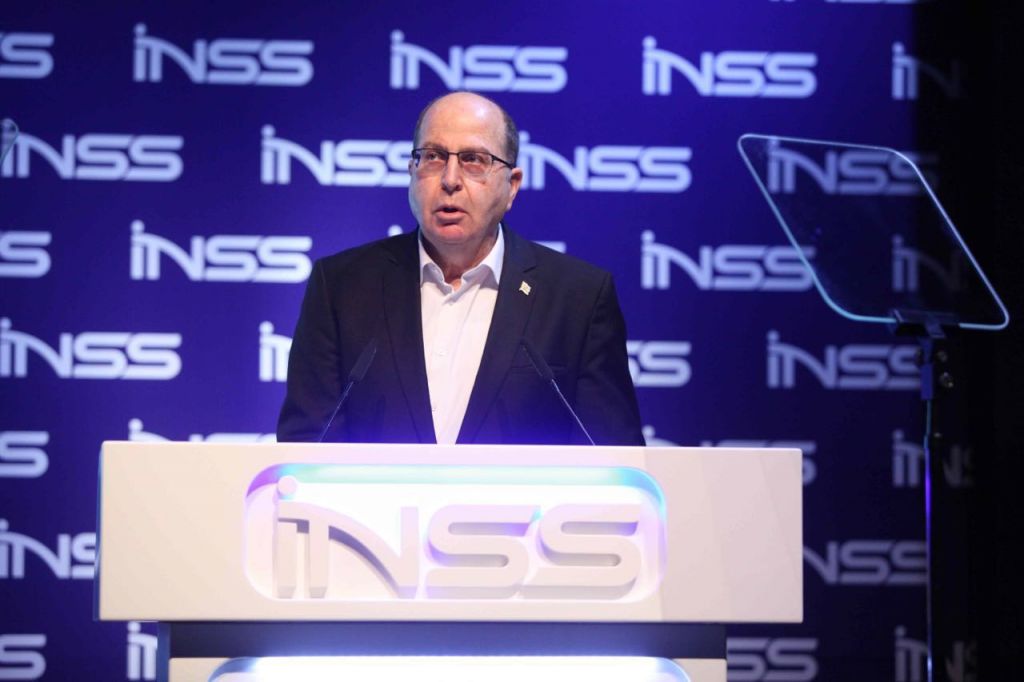
“We defined exactly our objectives and achieved them,” he said about the army’s conduct during the war. “The ceasefire was reached according to our terms, without submitting to any of Hamas’s demands. The south has been quiet for the last two years. This is an example of prudent leadership.”
The former defense minister, who has announced he’ll seek the premiership in the next election but has not specified with which party, said he welcomed the decision to release the report, but attacked unnamed politicians who leaked conversations from within the security cabinet to the media “to get a few ‘likes’ on Facebook.”
Ya’alon said it was “obvious” who was responsible for the leaks, clearly hinting at — though not naming — Bennett, who emerges from the comptroller’s report in a rather positive light, since he pushed for decisive action against the tunnels early on while other politicians and military leaders assessed they did not require immediate action.
After discussing the report in Hebrew, Bennett switched to English to lay out his vision for the Israeli-Palestinian conflict. He promoted his plan to annex parts of the West Bank, offering the Palestinians “autonomy on steroids.”
The upheaval in the Arab world, the UK’s decision to leave the European Union and Donald Trump becoming US president are recent historical events that “coincided to create the perfect opportunity,” he continued.
“For the first time in 50 years Israel needs to determine its own fate. No alibis. It’s ours to decide. We must ask ourselves: What do we want? We are at a juncture, we have to to choose. What is right for Israel?”
He posited that there were two choices: either the Palestinians create their own state in the West Bank, or Israel applies sovereignty over Area C and creates a better conditions for Palestinian and Israeli alike. “It’s clear that a second Palestinian state, beyond the one in Gaza, just isn’t going to happen. That is the failed idea of yesterday, not the future.”
Times of Israel staff contributed to this report.








The Times of Israel Community.