

Gaza hospitals to shut down for lack of fuel
Energy crisis could turn into humanitarian crisis. Israel said aid offer was refused
 Add ToI as a Preferred Source on Google
Ilan Ben Zion is an AFP reporter and a former news editor at The Times of Israel.
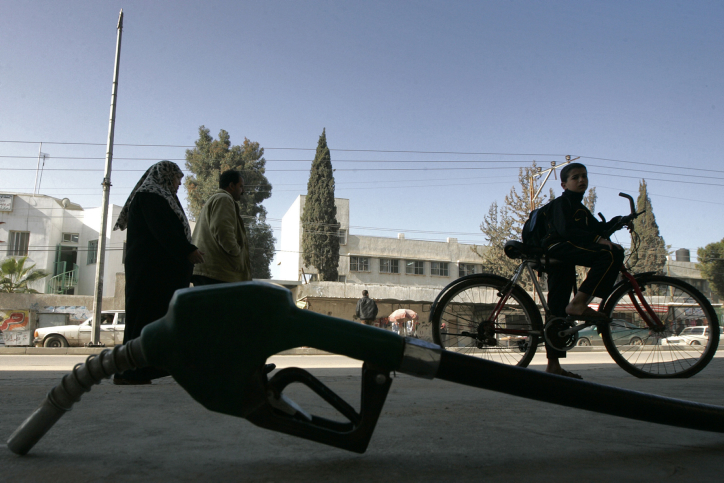
Gaza Strip hospitals will lose power on Sunday due to an acute lack of fuel, Haaretz reported.
Unless a suitable solution is agreed upon by Hamas, Egypt, and Israel before Sunday, Gaza’s hospitals will lose power around noon. Ashraf al-Qader, a Hamas health ministry spokesman, said this will endanger the lives of patients, triggering a humanitarian crisis in the crowded Gaza Strip.
Gaza’s sole power plant ceased operating four days ago because Egypt ceased pumping fuel through underground tunnels a week ago due to fuel shortages. The power plant produces 60% of the Hamas-controlled Gaza Strip’s needs, and its halted operations has triggered an energy crisis.
Diesel fuel for the Hamas enclave was shipped from Israel until a year ago, when Hamas started smuggling cheaper shipments from Egypt through tunnels. The gas they imported was a mere 2.5 shekels per liter, compared to the current price in Israel of nearly 8 shekels per liter.
Egypt does not supply Gaza with fuel overland through the Rafah Crossing due to its agreement with Israel that only permits pedestrians to cross. Egypt therefore offered to transport fuel to Gaza via Israel’s Kerem Shalom crossing, but Hamas officials rejected this proposal.
“This is unacceptable because of our bitter experience with the Zionist occupation and the way it controls the delivery of the shipments,” Ahmed Abu al-Amreen, a representative of Hamas’ Energy Authority told reporters.
Israel offered the PA to supply the Gaza Strip with fuel but the PA, Hamas or both refused, tweeted the Prime Minister’s Office Arabic spokesman Ofir Gendelman.










The Times of Israel Community.