

Iran’s deputy FM brands nuclear program ‘big loss’ economically
In leaked briefing, Abbas Araqchi tells journalists that P5+1 backed down on Iran’s terror support
 Add ToI as a Preferred Source on Google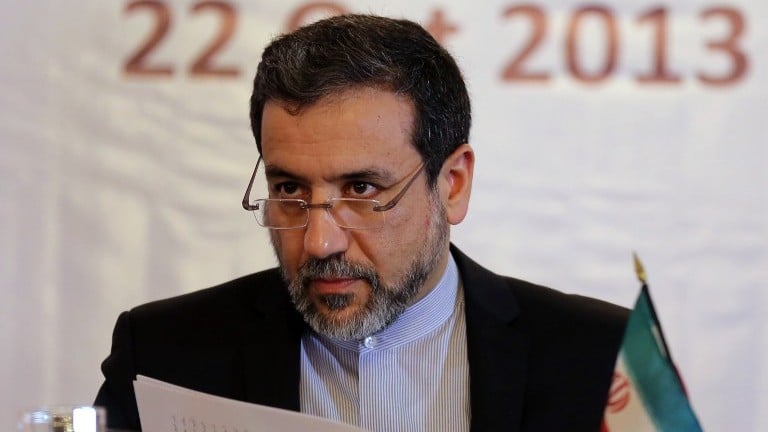
Iran’s deputy foreign minister and senior nuclear negotiator has called the Islamic Republic’s nuclear program “a big loss” economically, but necessary to defend the country’s honor.
In a leaked off-the-record meeting with journalists Saturday, Abbas Araqchi stressed that “if we want to calculate the expenses of the production materials, we cannot even think about it.” But, he said, “we paid this price so we protect our honor, independence and progress, and do not surrender to others’ bullying.”
Yet, he explained, “If we value our nuclear program based only on the economic calculations, it is a big loss.”
Meeting with the country’s news chiefs under the direction of the Supreme Leader Ali Khamenei, Araqchi said the Iranian Foreign Ministry’s public diplomacy and media relations have so far been unable to sell the agreement to the Iranian people and “the national broadcasting [service] has to help so the people do not feel frustrated with the agreement.”
During the meeting, which was leaked by the Iranian media soon after, the deputy foreign minister suggested that the Iranian parliament should only review the agreement reached in Vienna, and not present it for ratification.
Araqchi stressed that Iran should declare its final position on the deal as soon as possible, “so that should Congress reject the agreement, the burden of rejection and the failure of the talks would fall on the United States.”
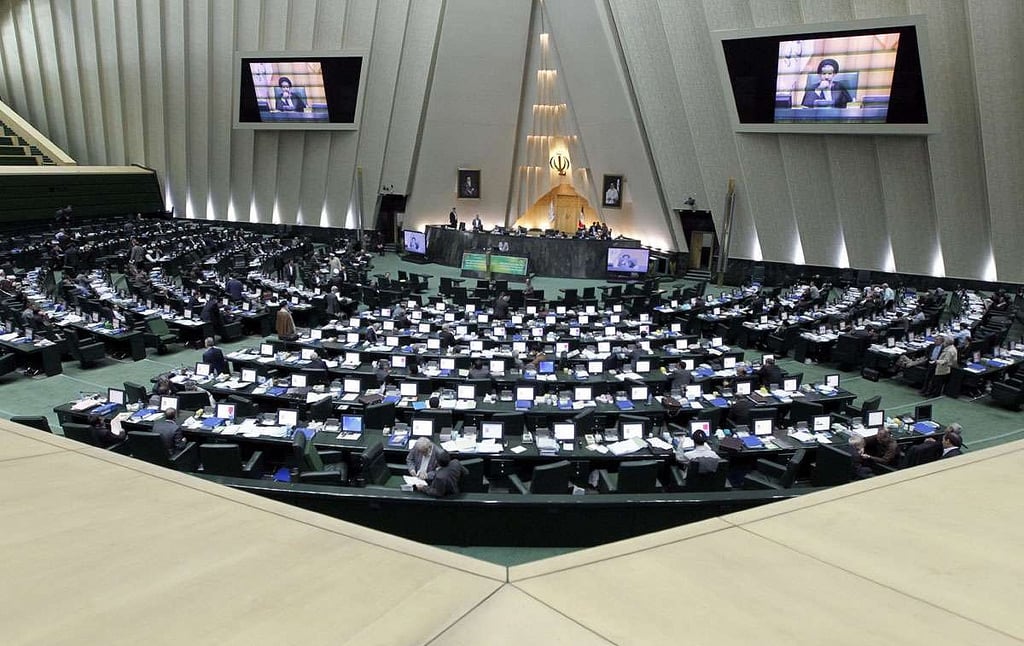
“If the [Iranian] National Security Council approves the Vienna nuclear agreement and the leader of the Islamic Republic signs it, then this resolution becomes law,” he added.
With regards to the implications of the agreement on Iranian support for Hezbollah in Lebanon, Araqchi explained that, “we said during the talks that we cannot not provide weapons to Hezbollah, and we are not willing to sacrifice them [Hezbollah] for our nuclear program. Therefore, if you want to keep the weapon sanctions as part of the agreement, we will continue with our efforts. We discussed this matter for a while.”
The Western powers eventually agreed to separate that resolution from the agreement, Araqchi said.
This is in direct contrast to remarks by US officials, who claimed Tuesday that Iran’s support for terror groups was never considered for inclusion in the nuclear deal.
The Iranian minister told journalists that he took seriously previous American threats of a possible military action. “It might be that people do not know the details, however, our IRGC and military friends know that every night in 2007-8 we were concerned that we would wake up in the morning and Iran would be surrounded by all necessary means for an attack against it.”
‘They tried 10 years of economic sanctions and military threats’
Iranian military personnel had shown the country’s negotiating team maps of bases where potential foreign attack planes had been identified. “The attack on Iran was a matter of the political will of Mr. Obama,” Araqchi said. “Despite everything, we still continued to object and did not compromise.”
He said that the West tightened the economic sanctions as much as they could and they reached a level where their continuation would lead to a “confrontation.”
“They tried 10 years of economic sanctions and military threats,” he explained, “and it was our strength and capabilities that brought them to the negotiation table.”
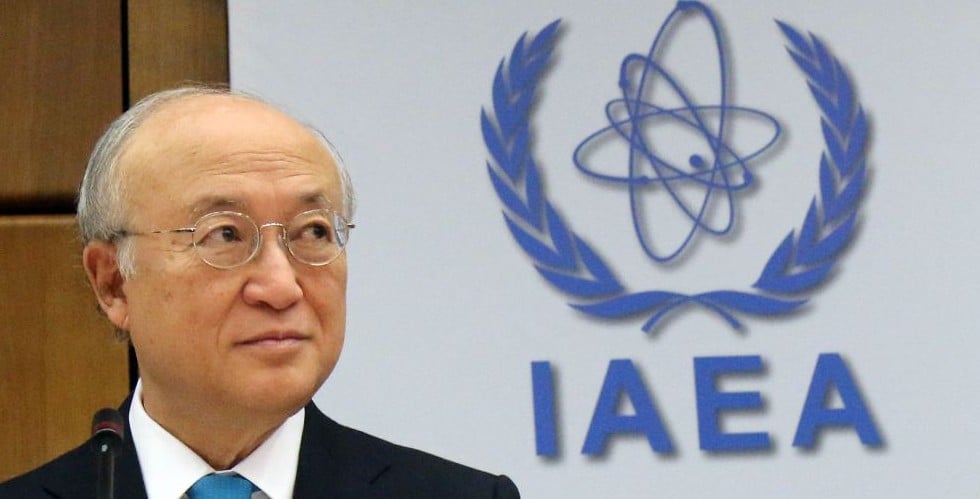
Araqchi admitted that the regime had made some mistakes, and that those “mistakes in the past, made-up documentations and excuses were turned into claims against us.” He cited the example of International Atomic Energy Agency chief Yukiya Amano, who Araqchi said submitted a 60-paragraph report that included Iran’s use of detonators with multiple timers.
Iran, Araqchi said, has “to be careful with the information that we provide them… It is not that we are dealing only with the IAEA and these spies, but we are dealing with all countries that have nuclear programs. There are formulas and methods that prevent us from providing excess information to the IAEA inspectors. We did not know this in the past and provided information that we should not have done.”
Against national interest and security
The content of this supposedly off the record briefing was published a day later on the website of the Islamic Republic of Iran Broadcasting and picked up almost immediately by various other news sites inside Iran.
Due to the pressure from above, however, the original report was removed by the national broadcasting service, which stated that the publication of Araqchi’s statements was a “misunderstanding.”
Some believe that radical elements within the national broadcasting authority, who oppose the nuclear deal, leaked the briefing in order to undermine the reformist government’s achievements.
Araqchi called the leak “immoral” and “unprofessional,” saying it went “against national interest and security.”
The leak apparently occurred just days after the Iranian Ministry of Culture and Islamic Guidance issued confidential instructions to the media, warning them to avoid publications that could question “the achievements of the nuclear talks,” or would “indicate contradictions among the views of the high-ranking officials.”
On the day of leak, Iranian President Hassan Rouhani said during an interview on live Iranian television that the achievements of the nuclear talks exceeded his initial expectations.







The Times of Israel Community.