

Turkey to withdraw troops from UNIFIL in south Lebanon
Ankara says most of its forces will leave peacekeeping force by next month; decision comes day after kidnapping of two Turkish pilots in Beirut

 Add ToI as a Preferred Source on Google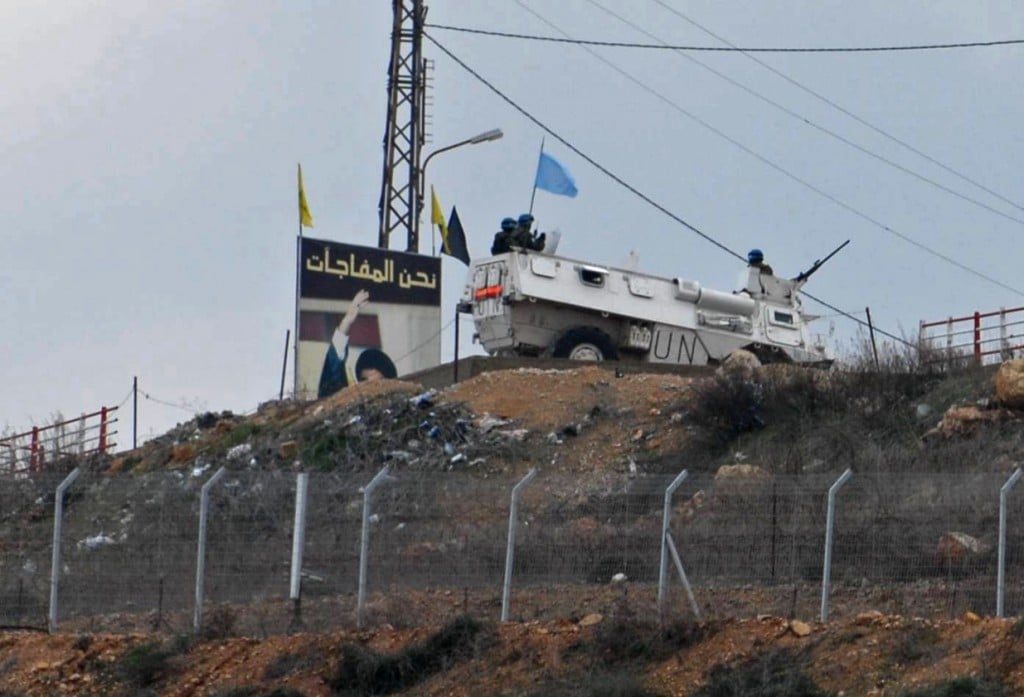
Turkey is set to withdraw most of its troops serving in south Lebanon as part of the UN Interim Force in Lebanon (UNIFIL), in charge of monitoring peace and security along the Israel-Lebanon border.
Turkey’s Engineering Construction Unit, composed of 280 soldiers, will be withdrawn by September, a UNIFIL spokesperson announced Friday.
“The withdrawal will be completed by the first week of September while Turkish troops will continue to serve in the UNIFIL Maritime Task Force,” UNIFIL Spokesperson Andrea Tenenti said.
Fifty-eight Turkish troops currently serve in the task force.
“The Turkish Engineering Construction Unit started serving with the UNIFIL in 2006 and has since provided great support to the troops for its experience and expertise,” Tenenti noted, adding that “what matters is that the UNIFIL is capable of maintaining its power on ground to efficiently complete its mission.”
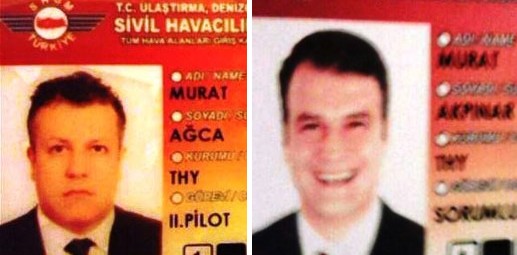
Ankara’s decision came less than a day after two Turkish Airlines pilots were kidnapped in Beirut early Friday morning, prompting the Turkish Foreign Ministry to call on all Turkish citizens to leave Lebanon and to issue an advisory against Lebanon-bound travel.
The UNIFIL spokesman said the events were unrelated.
The two Turkish men were named as Murat Akpinar and Murat Agga, according to a report in the Lebanese Daily Star newspaper.
Lebanon’s state news agency said a Shiite group called the Zuwaar al-Imam Rida claimed responsibility for the kidnapping. The group, which was previously unknown, said in a statement carried by the National News Agency that the pilots “will only be released when the Lebanese hostages in Syria return.”
In May 2012, a rebel faction in northern Syria took hostage 11 Lebanese Shiites who had been on a bus tour of religious sites in the area. The commander of the brigade, Ammar al-Dadikhli, told The Associated Press last September that he was holding them captive to try to force Lebanon’s Shiite militant group Hezbollah to stop supporting Syrian President Bashar Assad’s regime. Syria’s rebels are predominantly Sunnis, and are widely supported by Lebanon’s own Sunni community.
Two hostages were later released with Turkey’s assistance.
Turkey has become a frequent target of criticism from the relatives of the remaining hostages, in part because the Syrian rebels operate near the Turkish border. Ankara is a fierce critic of the Assad regime, and has offered both covert and open support to the rebels trying to overthrow him.
A representative for the Lebanese hostages’ families denied that there was any link between Friday’s kidnapping and the captives in Syria. However, Sheik Abbas Zougheib of the Higher Shiite Councils said that if the kidnapping “is to settle the question of Lebanese abducted in Syria, we support it,” according to Lebanon’s state news agency.
A senior Lebanese official told Reuters earlier in the week that relatives of the kidnapped Shiites were allegedly planning on abducting Turks as bargaining chips.
AP contributed to this report.






The Times of Israel Community.