

WikiLeaks founder says he may leave embassy refuge after 3 years
Wanted in Sweden, Julian Assange conditions exit from Ecuadorean mission in London on findings by UN panel on detention
 Add ToI as a Preferred Source on Google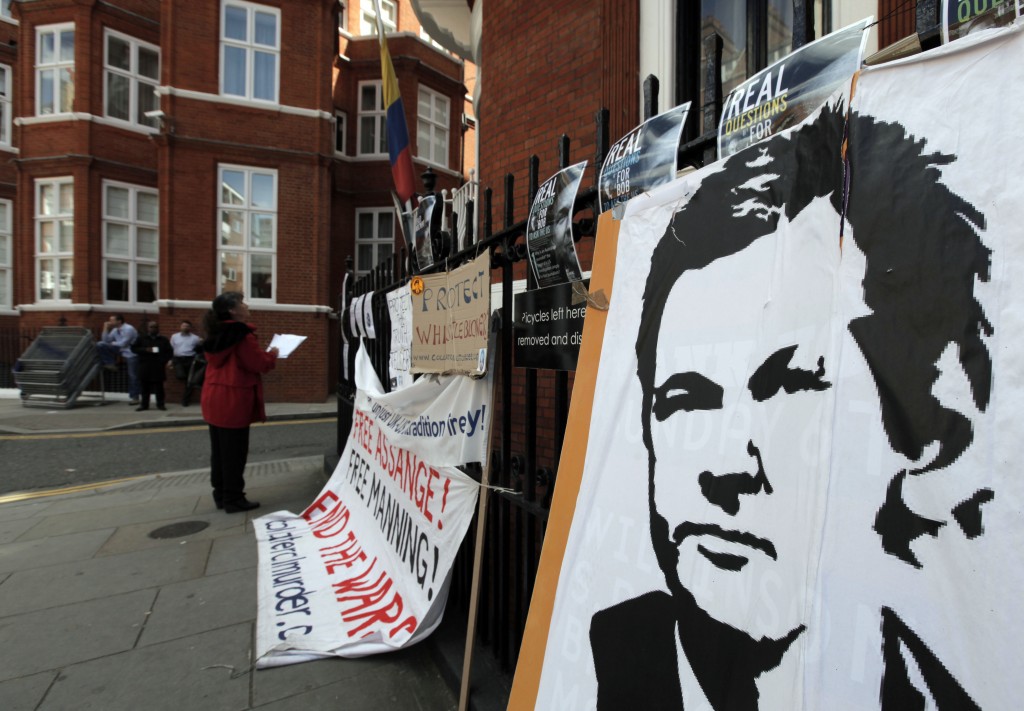
LONDON — WikiLeaks founder Julian Assange says he will accept arrest by British police if a UN working group on arbitrary detention decides that the three years he has spent holed up in the Ecuadorean Embassy does not amount to illegal detention.
Assange said if the UN finds he has lost his case against the United Kingdom and Sweden then he will turn himself into police at noon on Friday.
“Should the UN announce tomorrow that I have lost my case against the United Kingdom and Sweden I shall exit the embassy at noon on Friday to accept arrest by British police as there is no meaningful prospect of further appeal,” he said in a statement Thursday.
“However, should I prevail and the state parties be found to have acted unlawfully, I expect the immediate return of my passport and the termination of further attempts to arrest me,” he said.
Assange: I will accept arrest by British police on Friday if UN rules against me. More info: https://t.co/Mb6gXlz7QS pic.twitter.com/ho0Pvf94F7
— WikiLeaks (@wikileaks) February 4, 2016
Assange has been holed up in the Ecuadoran Embassy in west London for more than three years in a bid to avoid extradition to Sweden over rape allegations, a charge he has denied.
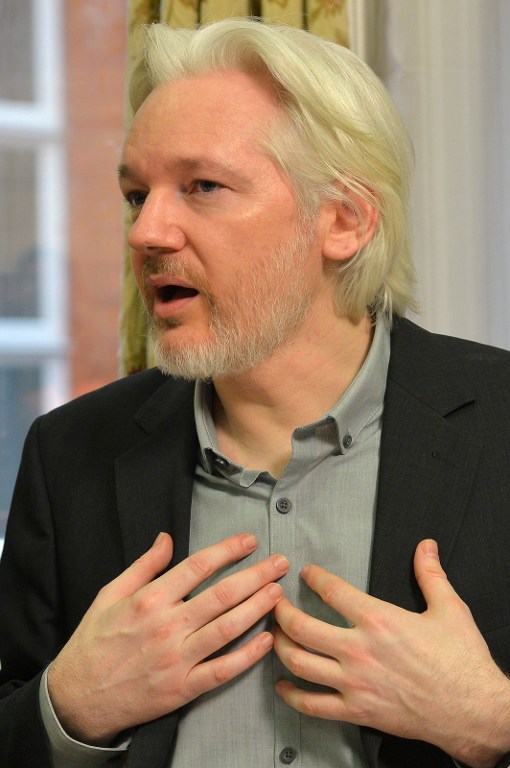
The Australian WikiLeaks founder fears he could eventually face extradition to the United States to be put on a trial over the leak of hundreds of thousands of classified military and diplomatic documents.
In September 2014, he filed a complaint against Sweden and Britain to the UN Working Group on Arbitrary Detention claiming his confinement in the embassy amounts to illegal detention.
Any decision by the group would not be legally binding, but other people have reportedly been released in the past on the basis of its rulings.





The Times of Israel Community.