

15,000 years ago, hunter-gatherers in Israel’s Carmel plain dined on duck all winter
Researchers from the University of Haifa analyze hundreds of waterfowl bones from site and determine the land was marshy and dotted with lakes
 Add ToI as a Preferred Source on Google
Rossella Tercatin is The Times of Israel's archaeology and religions reporter.
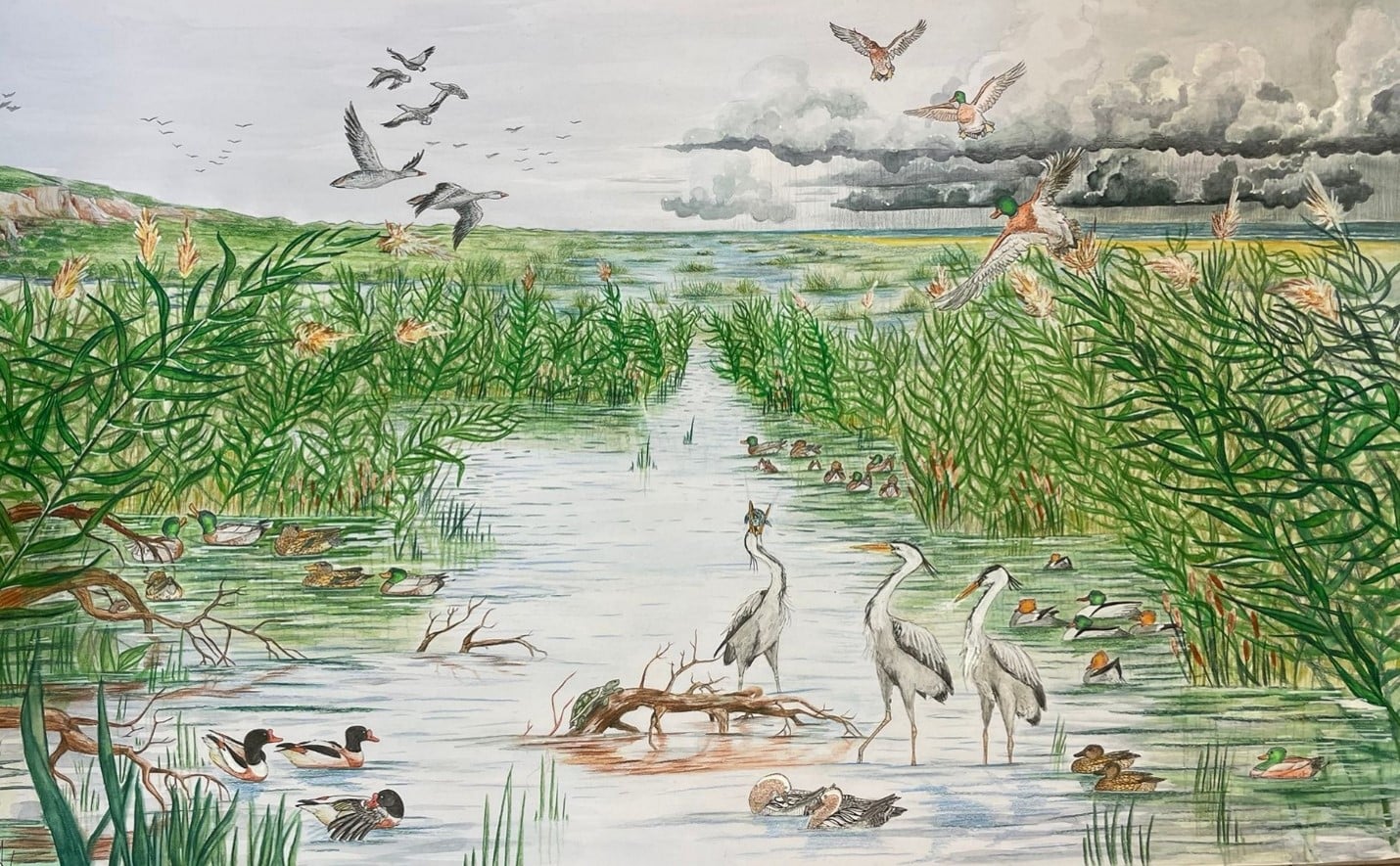
Some 15,000 years ago, the Carmel plain in northern Israel was covered in lakes and marshes, attracting a high variety of waterfowl, much of which ended up on the tables of the region’s inhabitants, a new study published last week in the International Journal of Osteoarchaeology has found.
Coming from the United Kingdom, the paper’s lead author Dr. Linda Amos said she has always enjoyed a roasted turkey for the winter holidays. This festive tradition helped her connect with the habits of those ancient hunter-gatherers whose practices allowed the researchers to learn more about the natural environment of the region.
“Every winter, they ate ducks,” Amos from the University of Haifa and Christian-Albrechts-Universität in Kiel, Germany, told The Times of Israel over a phone interview. “It resonates with me that in that season, they would know this delicious bird came back. I can imagine them on a foggy morning, getting up, going out, and hunting ducks, as they had heard they had arrived.”
Prof. Mina Weinstein-Evron and Prof. Reuven Yeshurun from the University of Haifa also authored the study, which marks the first time scholars have focused on bird bones uncovered in the Natufian layers at the el-Wad Cave terrace, analyzing hundreds of them.
The Natufians were a hunter-gatherer population that lived in the region at the very end of the Paleolithic period (approximately 15,000 to 11,700 years ago) and are considered a critical link between the last nomadic hunter-gatherers and the first sedentary farmers in the Neolithic, as the Natufians resided in permanent villages. The site was dated through radiocarbon analysis.
“They transitioned from being much more mobile and following the resources to being more sedentary and staying in one place for life, which then led to them becoming more resourceful in how they exploited what was available around them,” Amos said. “We really do see that at el-Wad. These people were eating everything.”
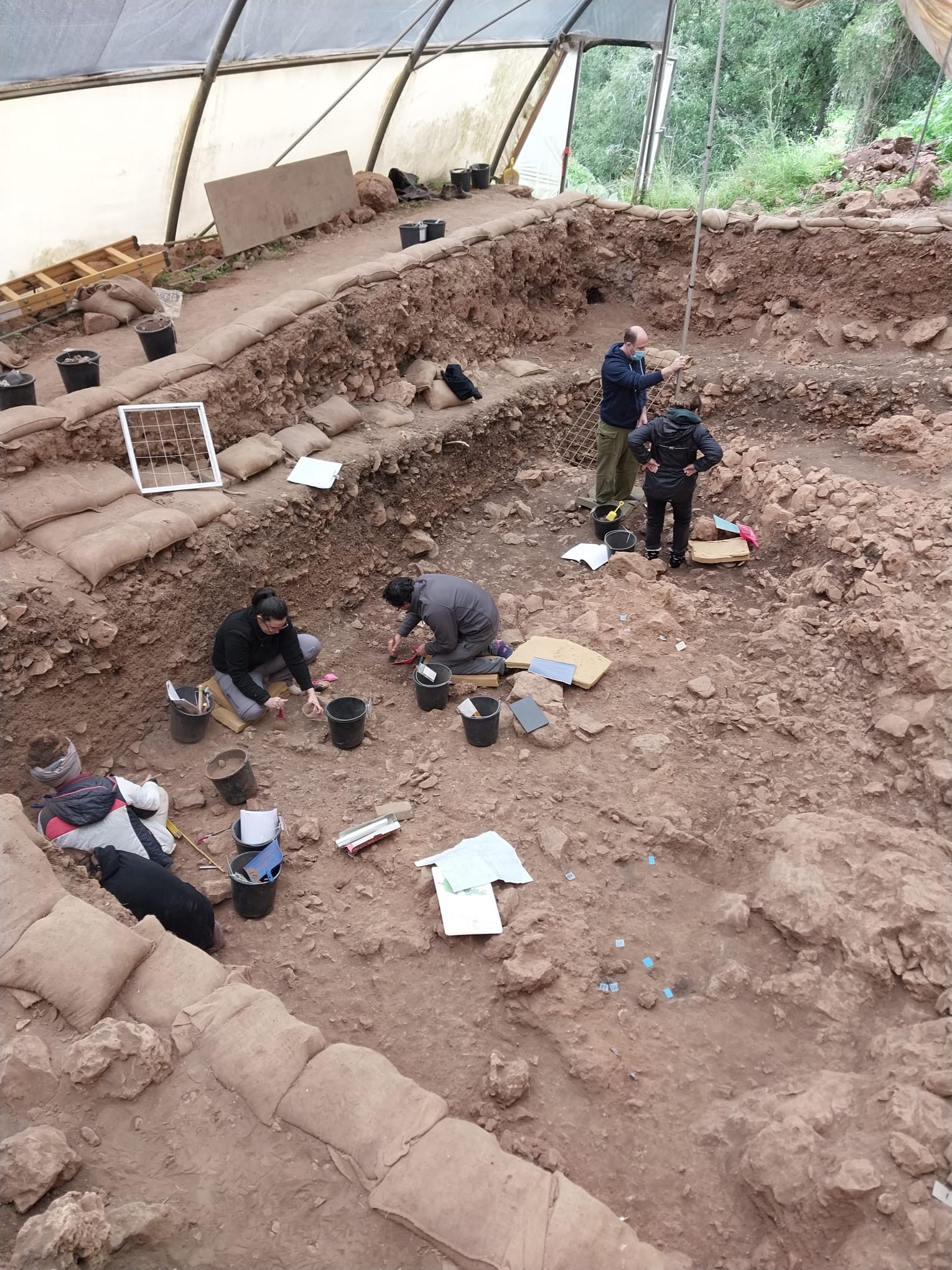
In the past, researchers focused on how the Natufians ate gazelles, one of the main staples of their diet.
“They were eating partridges and other birds, even snakes,” Amos said. “What we have found in our study is that besides taking advantage of all the Mount Carmel environment had to offer, they also moved to the coastal plain to harvest ducks and waterbirds that came seasonally.”

The Natufians from el-Wad would walk at least five kilometers (3.1 miles) to reach the plain.
Amos explained that the significant presence of bird bones, which are known to have precise habitat requirements, offers evidence that, contrary to modern times, the Carmel plain featured important bodies of freshwater in those millennia.
“We didn’t even know this habitat existed until the birds told us through their bones,” she said. “I find it really exciting.”
According to Amos, none of the material discovered by researchers in the past had suggested the presence of wetlands.
“The [remains of] micro and large mammals, or vegetation, did not really tell us that there were these wetlands,” she said. “However, the variety of birds that we have in the early Natufian suggests that there was a plentiful wetland area with large lakes, marshes, and a type of environment that we hadn’t seen in any other lines of evidence.”
The species includes ducks, geese, waders, gulls, cranes and rails.
No evidence survived on how the Natufian hunted the ducks, but Amos and her colleagues found butchery marks on the bones. Some of them also exhibited signs of burning, indicating that the meat had been cooked before consumption.
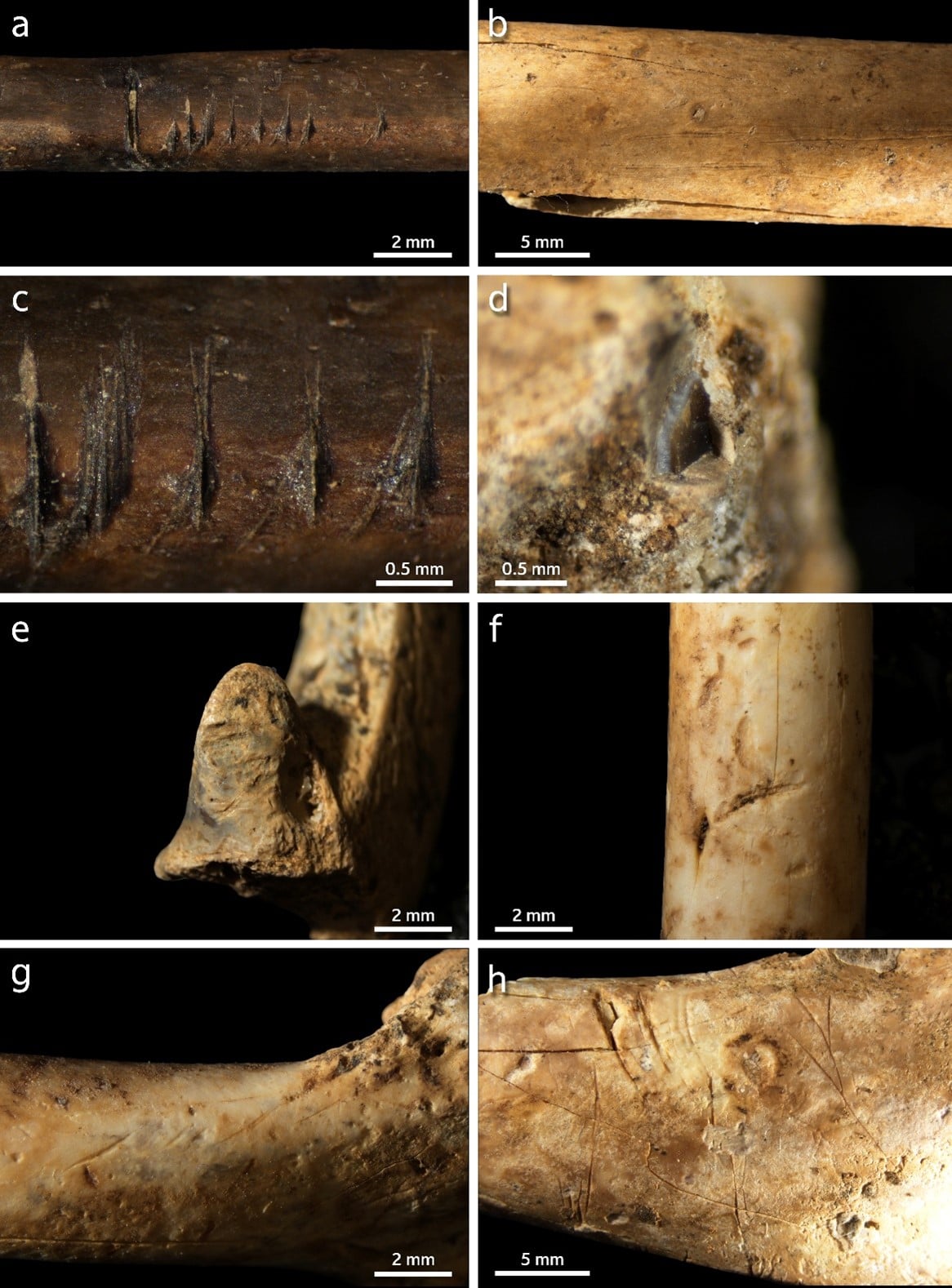
The bones were also used for other purposes.
“People at el-Wad also made pendants or ornaments,” Amos said.
In the past, archaeologists working at the site had already uncovered decorative artifacts made from bird bones, including impressive headdresses made from partridge bones, but these were primarily associated with burials.
“Here we found that in their homes, they were making beads from all the different species of birds,” Amos said. “This means that, compared to what happened in later periods, there was no separation between the birds they thought were important in some sort of symbolic way, and those they ate.”
The researchers also found a bone with a small fragment of flint still embedded in it.
“This gave us a glimpse into the process, besides the final product,” Amos noted.
Based on the type of bones found in the different layers of the site, the diversity of birds decreased over the millennia.
“In the late Natufian, we see that there’s less diversity in the ducks, there are fewer species, mostly just the common mallard,” Amos said.
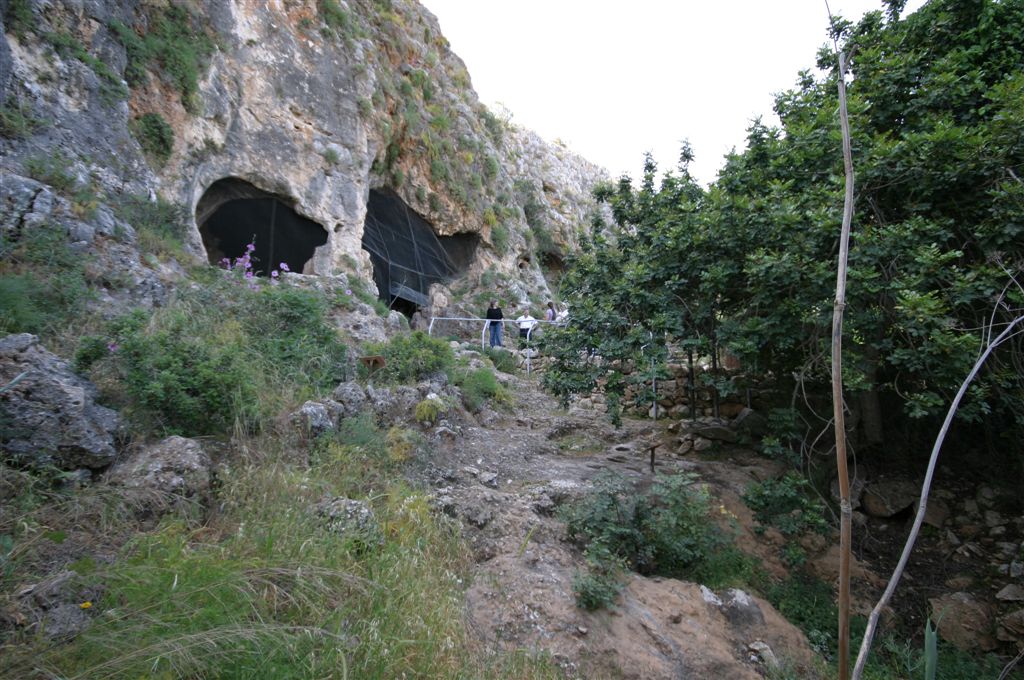
“This indicates that there’s a change in the wetlands, there’s a narrower range of habitats to exploit,” she added. “We believe this has something to do with a rise in sea level due to global climate change, which made the coastal plain narrower and changed the availability of the freshwater lakes.”
Today, the Carmel coastal plain is a fertile farming area.
“We don’t have this type of wetland there anymore, though some species do pass by,” Amos said. “But we are talking about the species that aren’t very specific in what they need. However, I must admit that I spent two years in Israel, and one thing I really missed was seeing the ducks.”










The Times of Israel Community.