

50 years after the Dirty War, Argentine Jews remember the ‘disappeared’ from their community
Educational initiatives highlight the disproportionate number of Jews who were abducted, tortured and murdered by the military junta amid antisemitism from government forces
 Add ToI as a Preferred Source on Google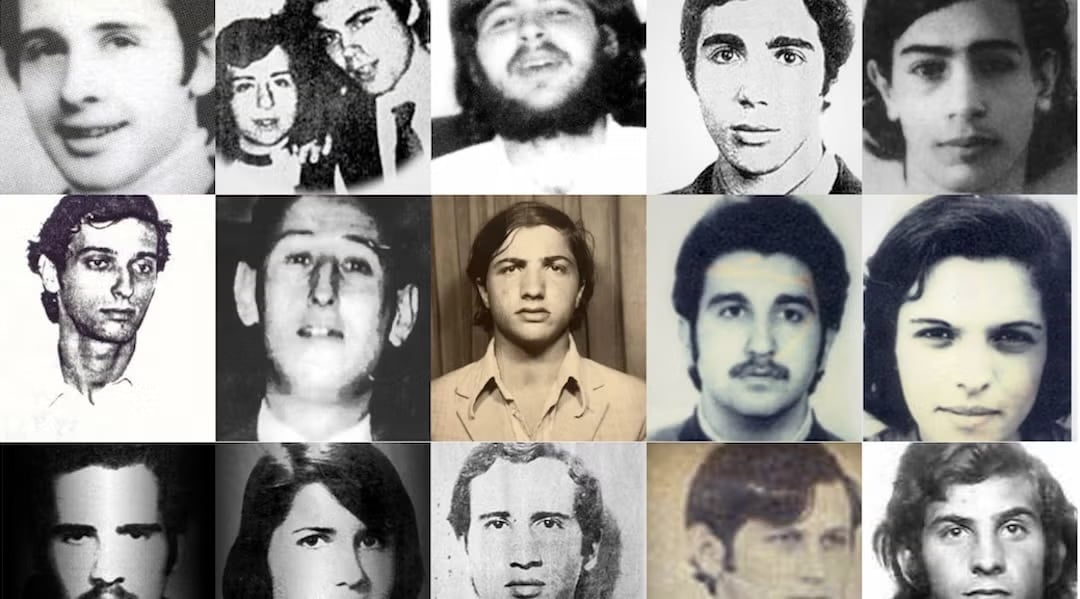
BUENOS AIRES (JTA) — As Argentina marks the 50th anniversary of the 1976 military coup, a lesser-known aspect of the dictatorship is gaining attention: the disproportionate number of Jews among the disappeared.
Estimates suggest that as many as 1,900 Jews were abducted, tortured and murdered by the military junta during the six-year Dirty War, when many sources say 30,000 people were disappeared. Depending on the source, Jews represented 5% to 8% of the total, even though Jews made up less than 1% of Argentina’s population at the time.
That grim history is being explored in educational initiatives by Argentina’s Jewish community, aimed at younger generations and focused on understanding how the dictatorship operated and the disproportionate suffering it inflicted on Jews.
“The Jews were subjected to a particular form of treatment that resulted in greater brutality on the part of the repressive forces,” according to a new curriculum released by the education department of AMIA, the Jewish community center in Buenos Aires. “The experience of Jewish Argentines who were victims of state terrorism was marked by a strong antisemitic imprint among many members of the task forces.”
The AMIA project includes meetings between Jewish youth and relatives of the Jewish “disappeared,” as well as visits to memorial sites. Some 1,000 students are expected to take part this month.
A parallel digital project, Eduiot (“Testimonies”), documents the stories of Jewish victims of the military dictatorship and includes meetings between relatives of the disappeared and high school students.
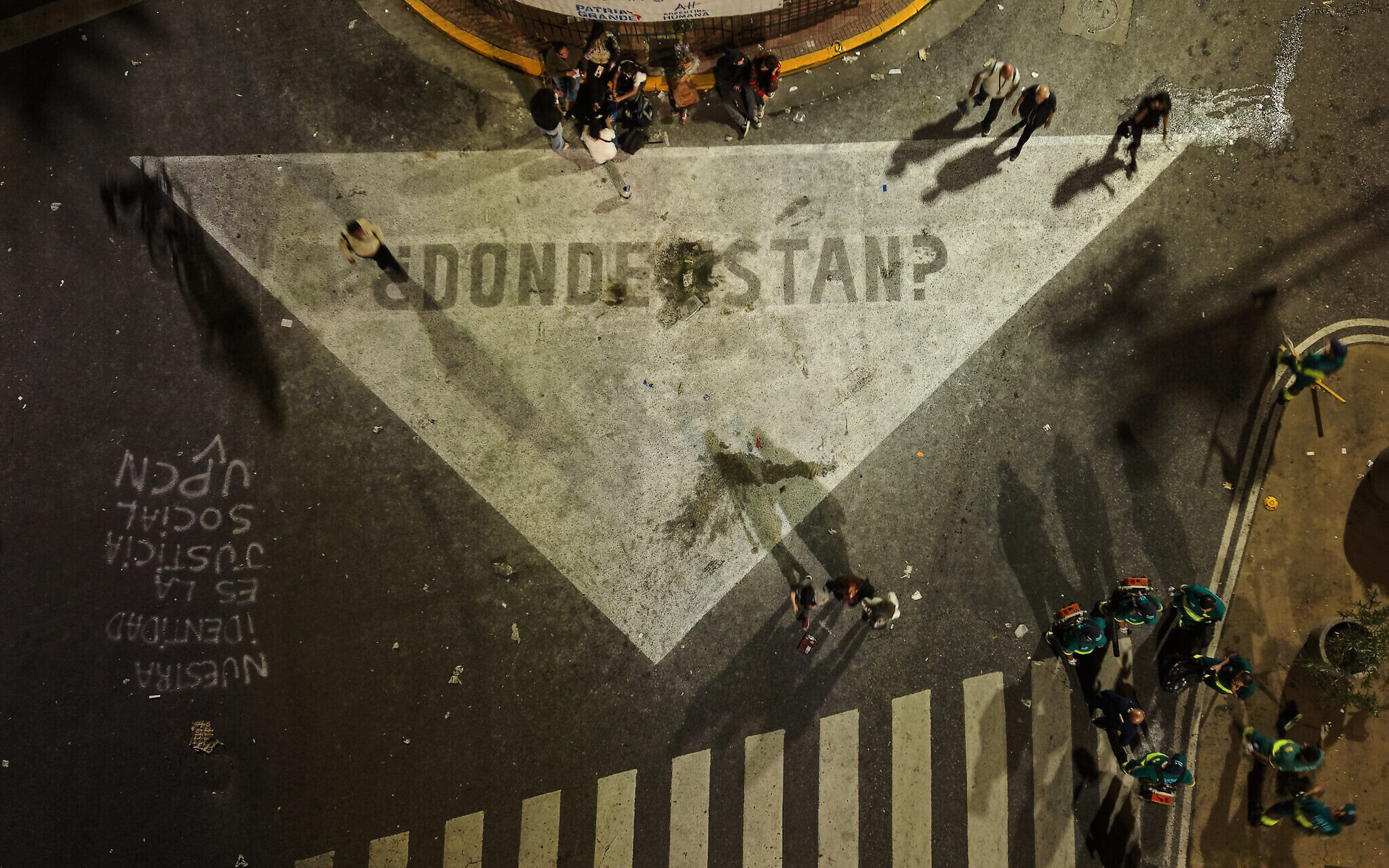
The materials rely on personal testimonies to explain the human impact of the dictatorship and to put individual stories in the broader historical context.
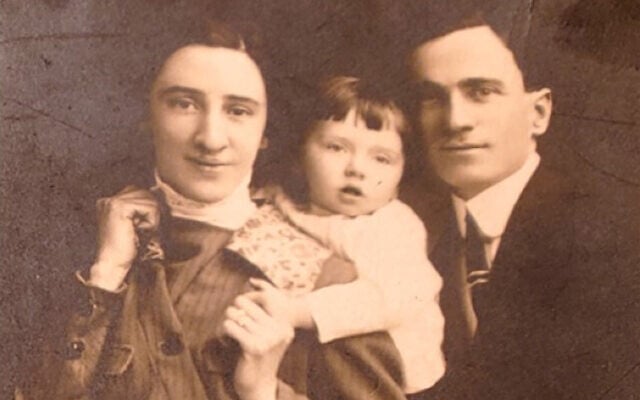
Eduiot includes the story of Fernando Ruben Brodsky, a 22-year-old student who disappeared in 1979, including accounts from relatives who continue to seek answers. His mother, Sarah Brodsky, shares accounts of her son, a psychology student and kindergarten teacher who was abducted from his home on Aug. 8 and never seen again.
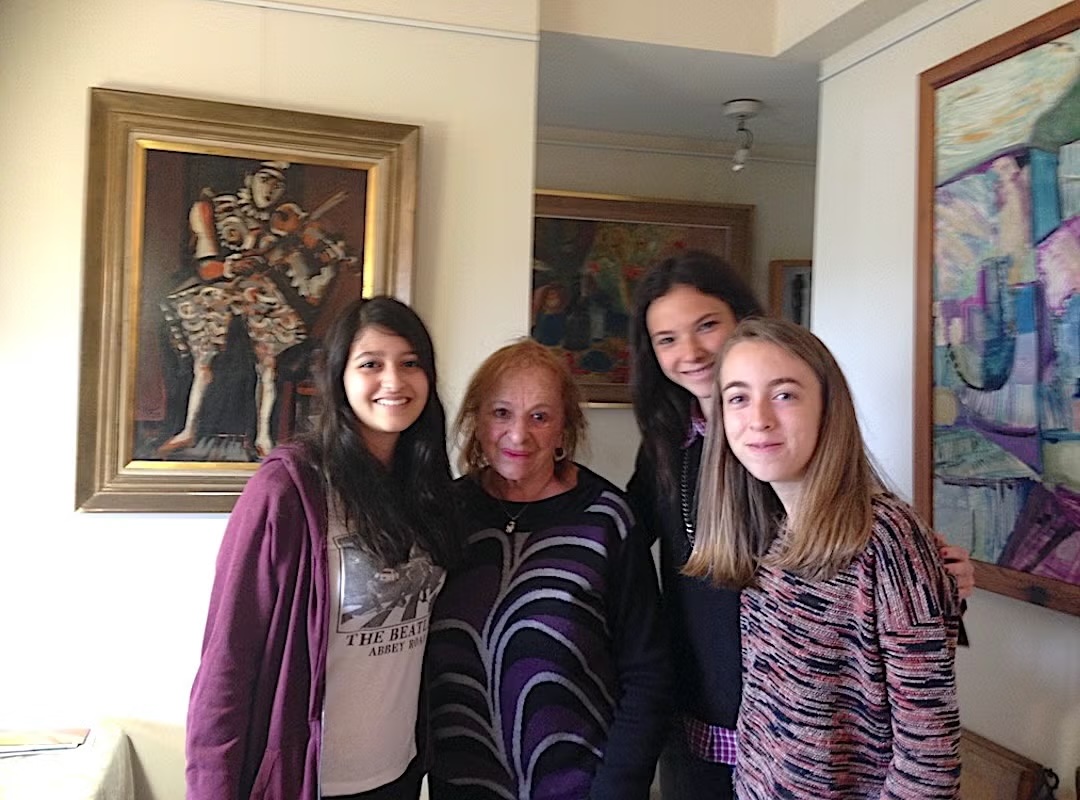
The testimonials relate how security forces subjected Jews to antisemitic abuse when they were kidnapped or detained, including Nazi language and symbols and “special” interrogations reserved for Jews.
The anniversary comes amid renewed debate over how Argentina interprets the dictatorship. President Javier Milei’s government has called for a broader account that also includes victims of left-wing guerrilla violence, which some suggest is a way to minimize the crimes of the dictatorship. Milei and other voices close to the government have also questioned the 30,000-victim figure, promoting a lower number (often 9,000).
Under the junta, the military and state security forces targeted suspected left-wing sympathizers, including students, unionists, journalists and activists.
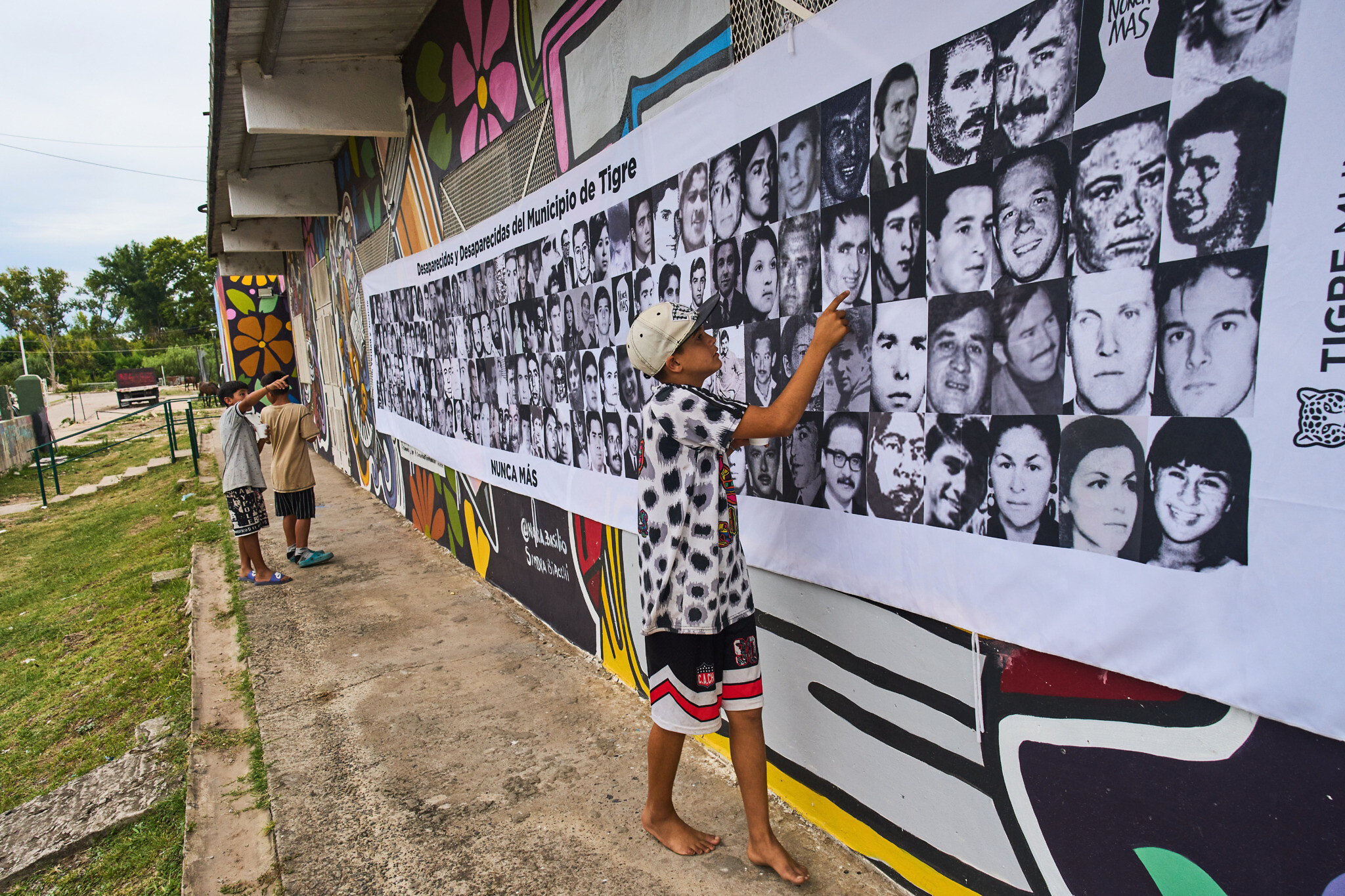
In 1979, Jewish advocacy groups such as the Anti‑Defamation League expressed grave concern over the disappearances, focusing on the Jewish victims, and Jewish families in Argentina and abroad helped compile lists of the missing. According to an ADL official at the time, “Jews are not specifically targeted as Jews. However, the security agents tend to be suspicious of Jews.”
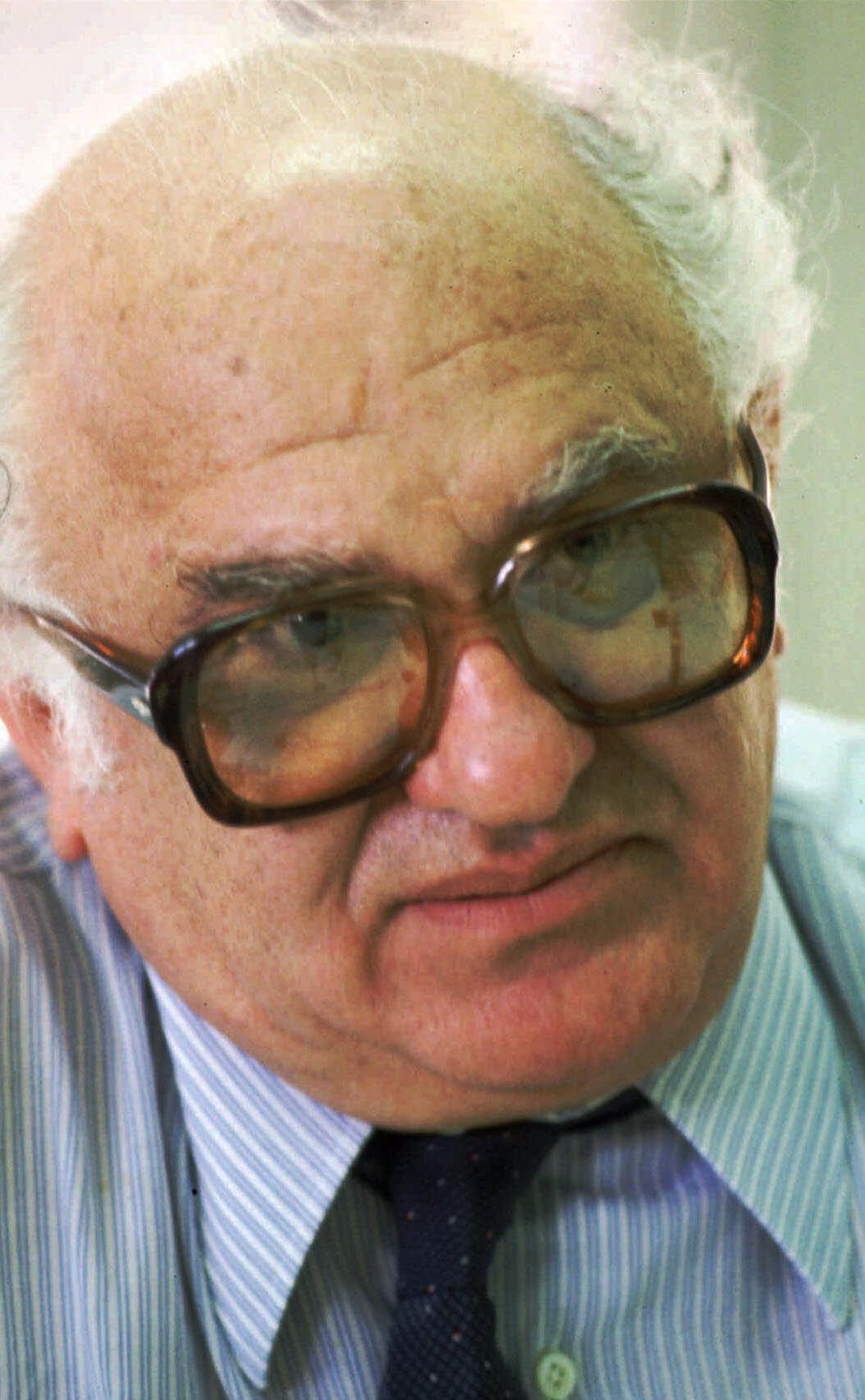
The best-known Jewish target of the state was journalist Jacobo Timerman, who published a left-leaning newspaper, La Opinion. In 1977, the generals who ruled Argentina shut down the paper and imprisoned Timerman. Among other things, Timerman was accused of masterminding a plot to establish a Jewish homeland in the remote Patagonia region of southern Argentina.
He survived, and in his 1981 memoir, “Prisoner Without a Name, Cell Without a Number,” he recounted how he was subjected to torture during his 2.5 years in confinement.
According to Eduiot, Jewish advocacy for the disappeared “proved effective in bringing early attention to human rights violations.”
The US Congress launched investigations, and in a 1978 article in Le Monde, novelist and Holocaust survivor Marek Halter compared the persecution of Argentine Jews to Nazi-era atrocities.
The Eduiot site includes photographs and audiovisual material, and features the accounts of parents, siblings, cousins, nephews and nieces of Jews persecuted and disappeared under the dictatorship.
“Because every testimony matters and holds great value,” according to its website. “Because these dark episodes of our history must never be repeated, and because we want each of the disappeared to have a space of remembrance on this site, helping families sustain their memory and uphold the call for justice.”









The Times of Israel Community.