

85 years after Baghdad’s Farhud massacre, last survivors fear story is being forgotten
Inaugural commemoration Monday sees Iraqi Jews remember the June 1, 1941, pogrom that killed about 180 Jews and marked the decline of one of the world’s oldest Jewish communities
 Add ToI as a Preferred Source on Google
Zev Stub is the Times of Israel's Diaspora Affairs correspondent.
Moshe Kahtan was just under 3 years old when rioters ransacked the Jewish community in Baghdad, Iraq, in 1941, but he still has vivid memories from that day.
“When people started banging on our door, we went up on our roof, and my parents threw me across the roof to another apartment to save me,” Kahtan, now 88, recalled. “Our landlord was a Muslim, but he wasn’t raised in hatred like others of that generation, so he went out to the street in front of our building with a gun, and said he would shoot anyone who tried to attack the Jews inside.”
“Even now, many years later, I still get flashbacks,” he added.
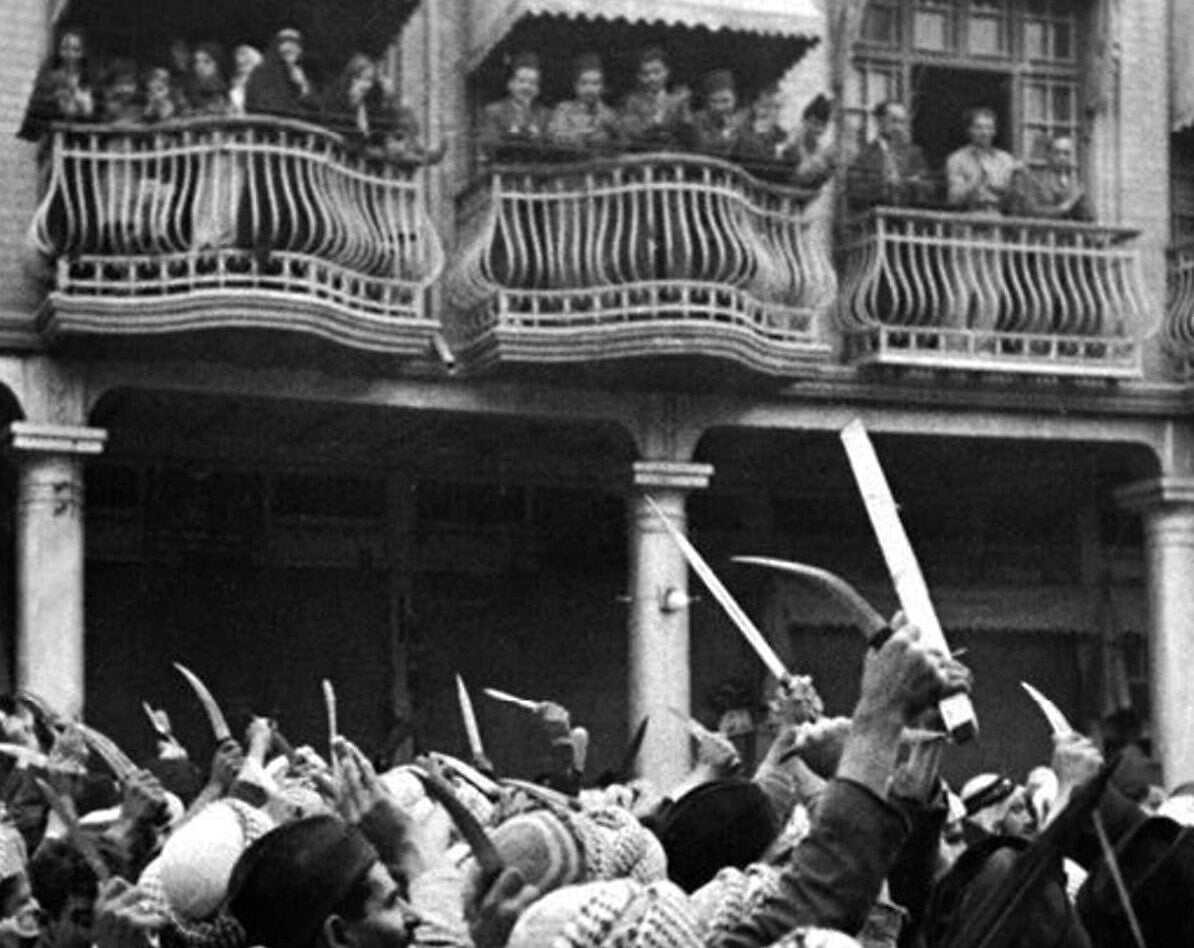
During the two-day pogrom that started on June 1, 1941, Arab mobs went on a violent rampage of murder, theft and rape that killed some 180 Jews, wounded more than 1,000, and destroyed hundreds of homes.
The pogrom, known as the Farhud (an Arabic term for “violent dispossession”), is sometimes referred to as the Holocaust in Iraq, and marked the beginning of the end of the nearly 2,000-year history of Jews in Iraq, historians say.
But despite the significance of the riot to the Mizrahi Jewish community, most Israelis still lack awareness about it, according to David Kahtan, Moshe’s son.
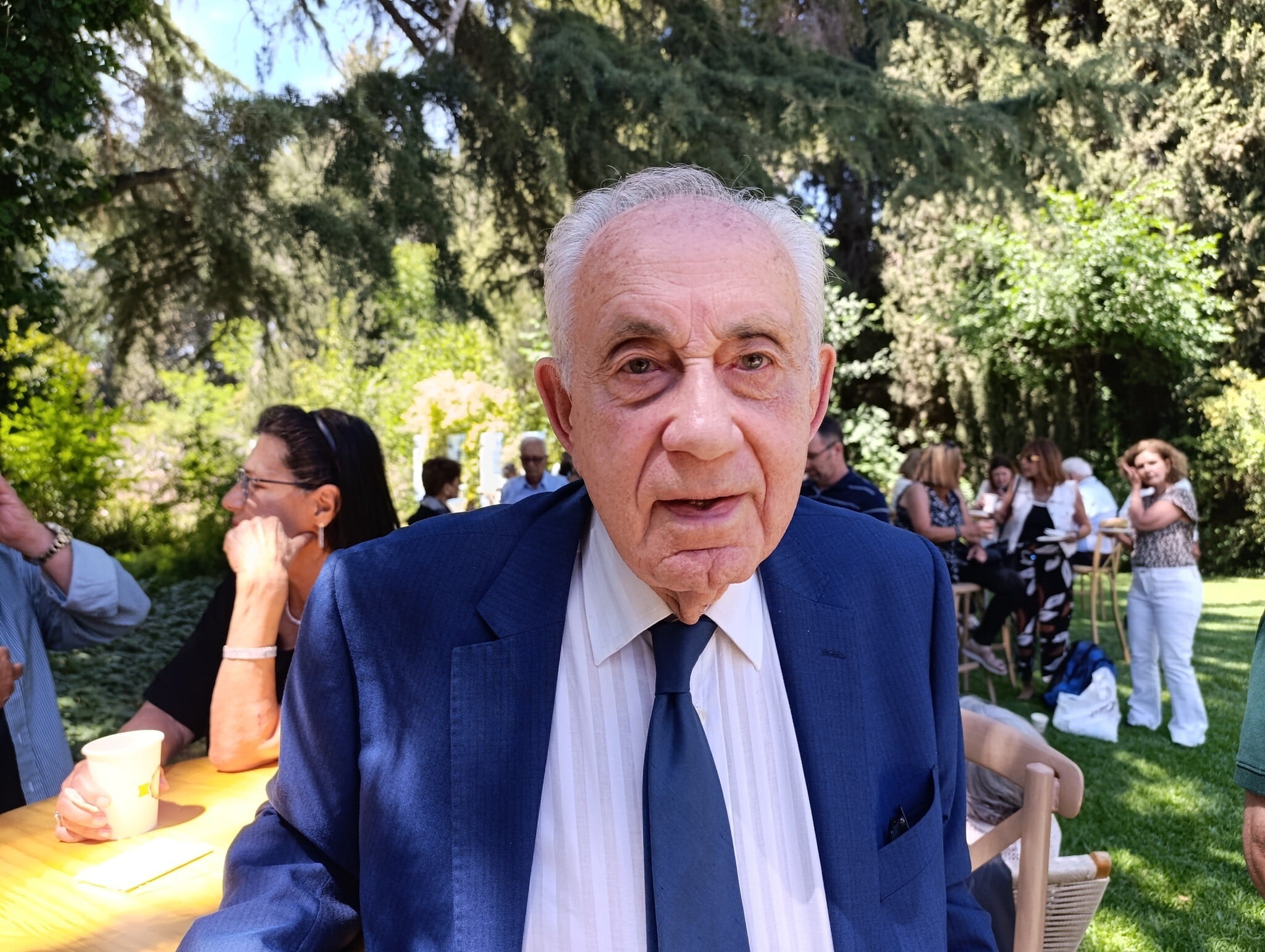
“It’s only recently that the Farhud is starting to become known in Israeli society,” Kahtan said. “But it’s 85 years too late.”
The younger Kahtan is working on changing that. A year after the television broadcast of the documentary he produced about the history of Iraqi Jewry, he led the creation of a memorial ceremony at Beit HaNassi, the President’s Residence in Jerusalem, marking the anniversary of the Farhud.
Some 200 people attended the first-of-its-kind event, including many survivors who arrived with their families to pass on their stories. At the entrance, one young woman gently teased her grandfather that his identity card was too old, and that he wouldn’t be admitted by the guards.
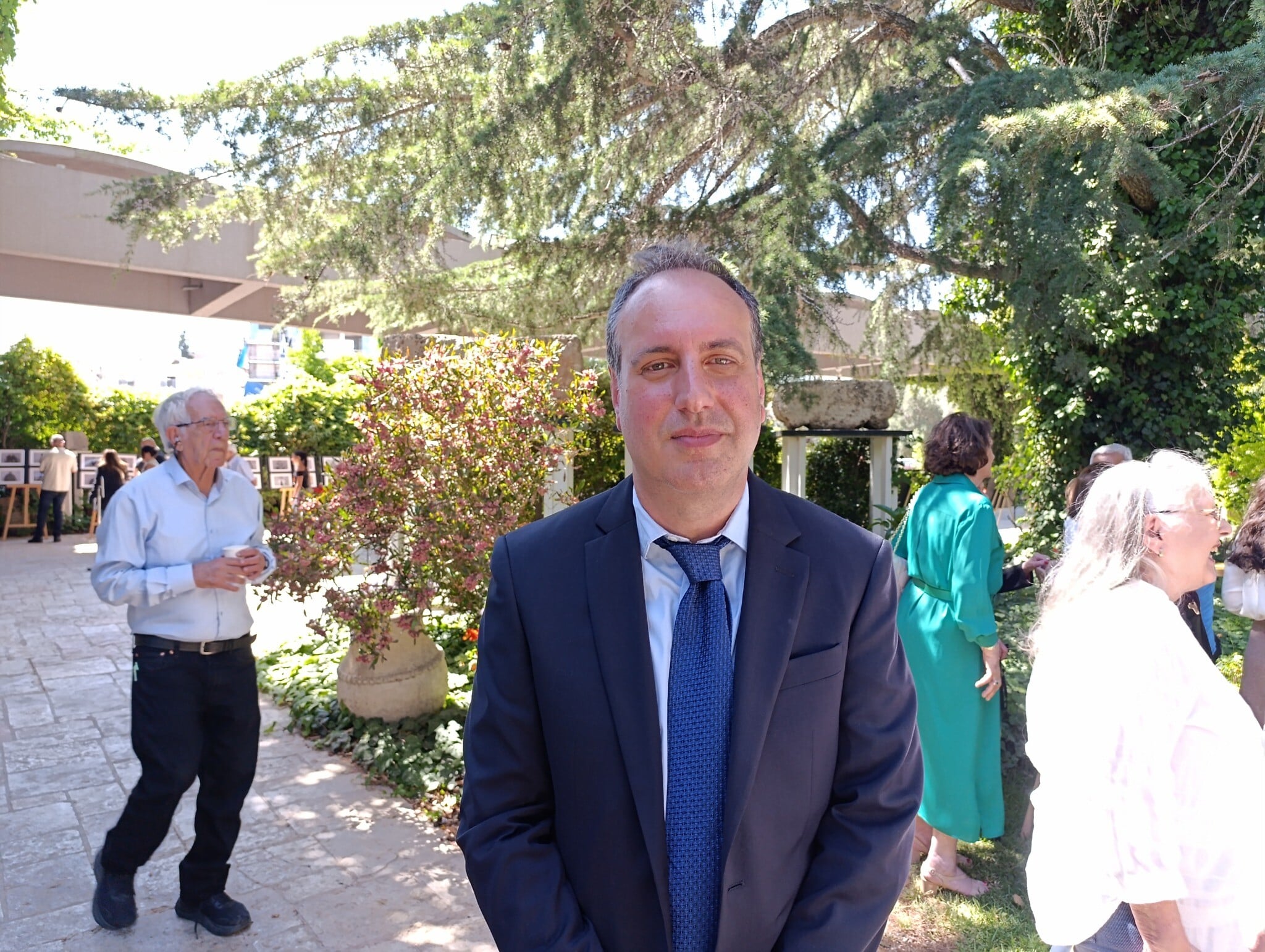
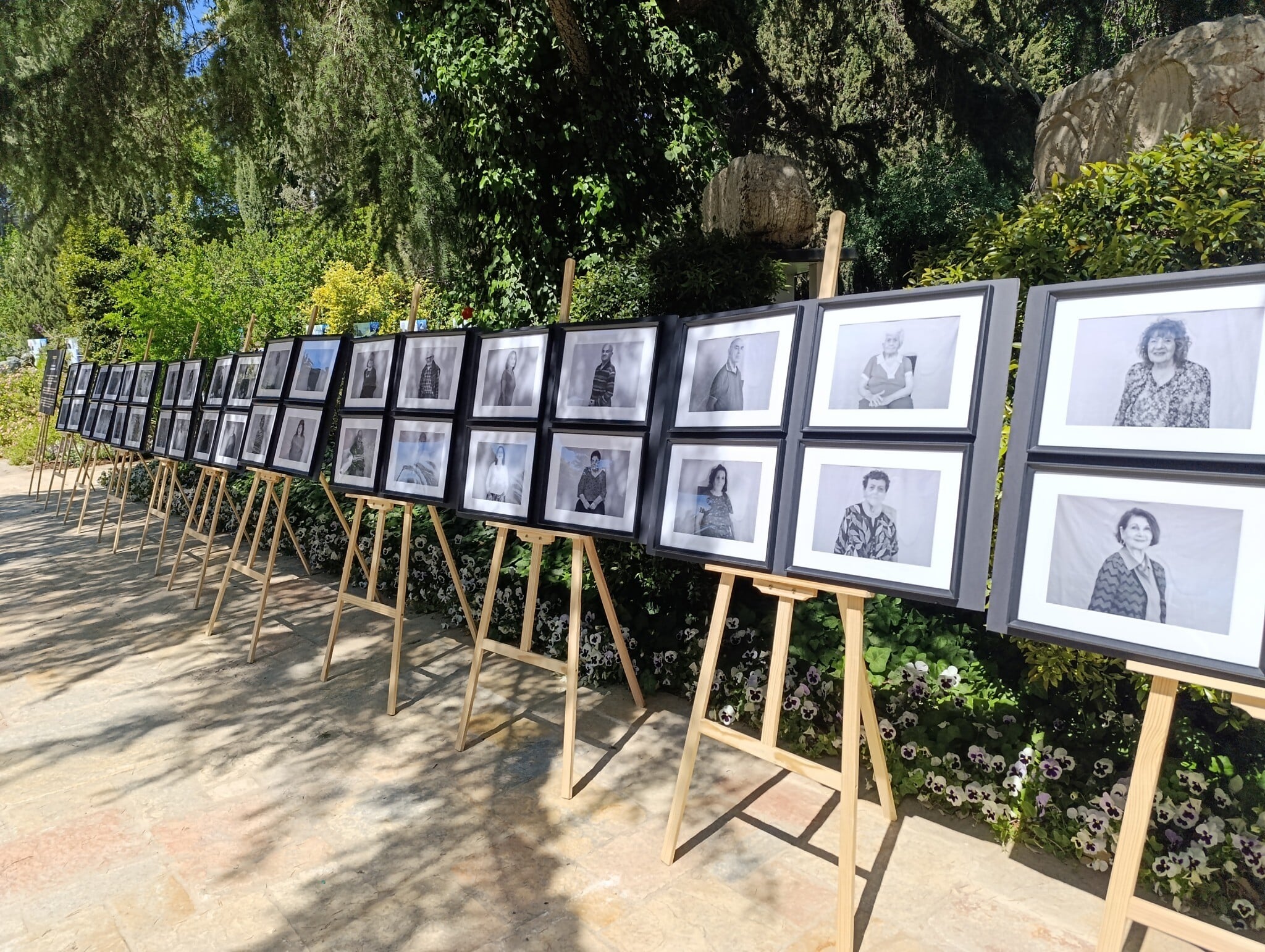
David Kahtan, who grew up in the UK and speaks better English than Hebrew, is working to record the testimonies of survivors before they die. Alongside the ceremony is a photo display he organized of more than 85 survivors, photographed by Rona Olshevsky.
“This is a personal initiative that has become a life passion,” Kahtan said. “It’s not my profession, but I’m trying to do my part so this story gets told.”
Witnesses to a massacre
Historians view the Farhud as a turning point in the history of Iraqi Jewry, shattering a sense of security among the community and foreshadowing the mass exodus of most of the country’s Jews to Israel over the coming decades.
At the time of the attack, Iraq was home to one of the world’s oldest Jewish communities, with 150,000 people and roots stretching back more than 2,500 years to the Babylonian exile. Jews played prominent roles in Iraq’s commerce, government and cultural life.
But the Farhud, which began during the Shavuot holiday, exposed how Nazi-inspired antisemitism had spread beyond the European continent and into the Arab world. It erupted during a period of political instability in Iraq following the collapse of a pro-Nazi coup led by former prime minister Rashid Ali al-Gaylani. British-backed forces had just retaken the country, and rumors were spreading that Iraqi Jews had aided the British victory.
“On that terrible night, frenzied rioters descended upon the homes of the Jews of Baghdad, beating them, killing and wounding them… for one reason alone: they were Jews,” President Isaac Herzog said at the opening of the ceremony. “Eighty-five years have passed, yet the waves of antisemitic hatred continue to rise, and even to intensify, threatening the safety of Jews across the world.”
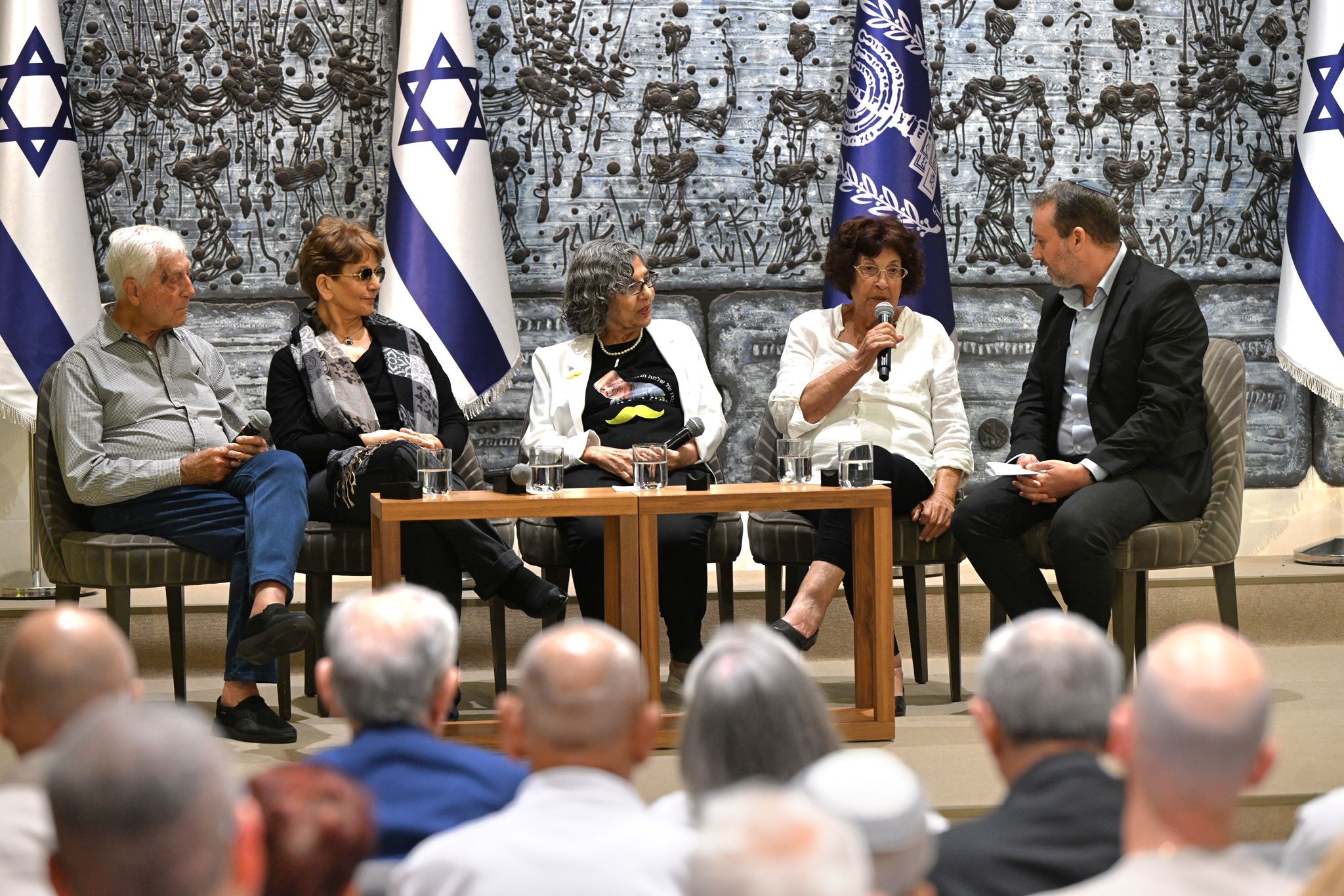
Nadia Cohen, the widow of the legendary Israeli spy Eli Cohen, recalled the atmosphere during the days before the attacks in Baghdad, where she lived as a young child.
She saw a person on the street marking Jewish houses in the neighborhood with paint so they could be easily identified, and sensed that something in her world had changed. She didn’t tell her parents, however.
“Long before I was the wife of a famous spy, I knew how to keep quiet,” Cohen told attendees of the ceremony. “Our parents were listening to the radio about the news coming from Germany at the time, and they were trying to hide their anxieties from us.”
On the eve of the Shavuot holiday, the Jewish community was dressed in festive white clothing, but when her father came back from synagogue that morning, he was shocked by the scenes of slaughter he had witnessed on the streets, Cohen recalled.
Armed mobs attacked Jewish neighborhoods, looted homes and businesses, and assaulted residents while security forces largely failed to intervene. Upon arriving home, Cohen’s father had the wisdom to bring some cakes and drinks to nearby policemen, attracting them to protect their building and ultimately saving the family, she said.
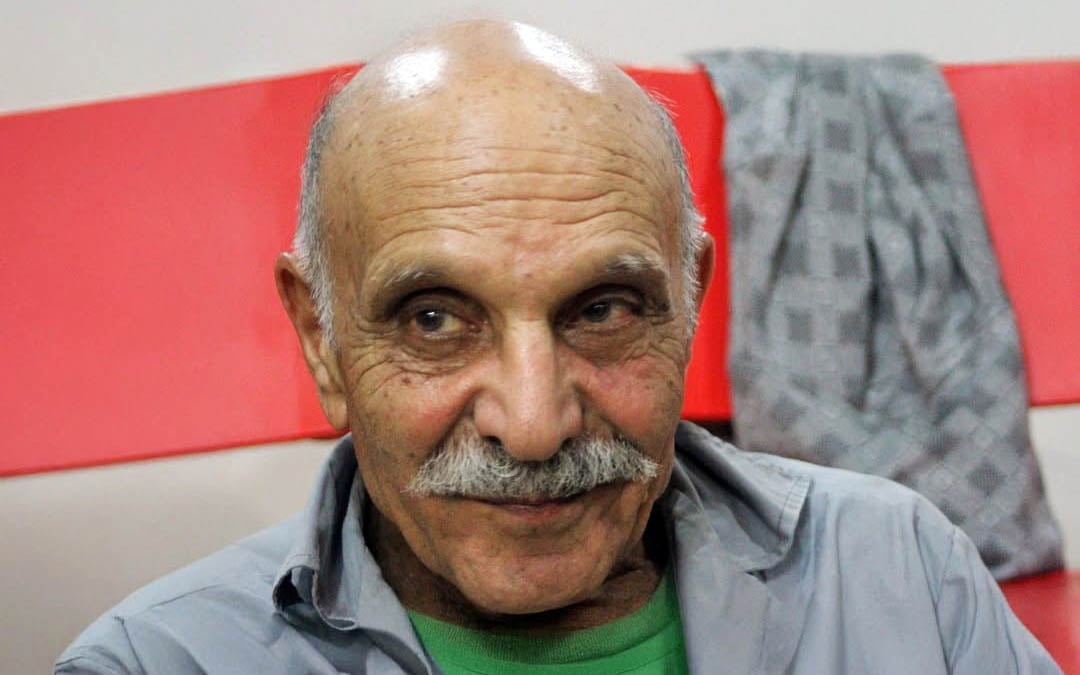
Eddy Mor was another survivor who was visiting Baghdad for the holiday when the violence began. On his journey home, he saw people pulled from their cars and slaughtered on the streets, and was only saved when his bus found safety at a police station overnight. When he returned home, a mob gathered around his house with knives and other weapons, but his father produced a gun — to the family’s surprise — and managed to protect them temporarily.
While many Jewish families were brutally betrayed by neighbors they had trusted, others were saved from the mob by Muslims as well, Mor noted.
“If it weren’t for the help of Muslims, there would have been two or three times as many people murdered,” he said. “But the official numbers don’t sufficiently reflect the scope of violence at that time.”
Another survivor of the Farhud, Shlomo Mantzur, was just a baby when his city was attacked, and his family later moved to Israel. Decades later, Mantzur was murdered by Hamas terrorists in Kibbutz Kissufim on October 7, 2023, with his body abducted to Gaza and held for 509 days.
“The writing was on the wall in Iraq at the time, and, while we thought such a thing could never happen again, we were attacked in our sovereign country,” said Mantzur’s sister, Hadassah Lazar. “The pattern of hatred and violence was the same in both cases.”
Survivors stressed the importance of strengthening the memory of the Farhud to preserve the community’s legacy for future generations.
“I hope this event will become an annual reminder, because we Jews tend to forget,” Cohen concluded. “An Arab remembers his home from 200 or 300 years ago, and what was done to him then. We must also preserve the memory of what happened to Iraqi Jewry. Our fate depends on learning the history and not forgetting.”




The Times of Israel Community.