

After backing Iran with Israel strike, Houthis avoid further escalation, for now
Joining war, albeit late, to satisfy Tehran and assert relevance, Yemeni rebel group is limited by fears of retaliation, but maintains threat of blocking Red Sea traffic and attacking Gulf

 Add ToI as a Preferred Source on Google
Nava Freiberg is The Times of Israel's deputy diplomatic correspondent.
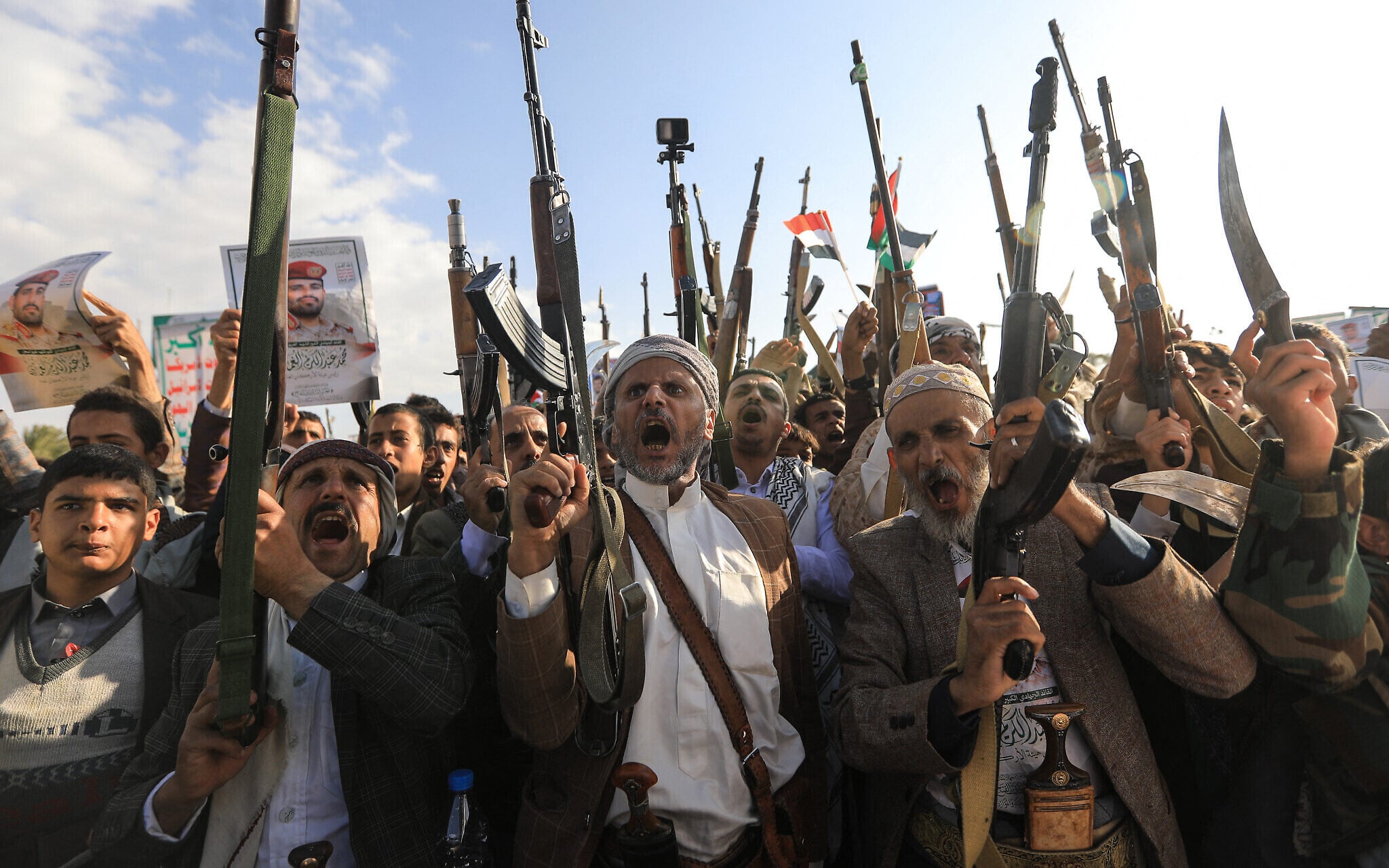
A month into the US-Israeli war with the Islamic Republic, one Iran-backed armed group that had been noticeably absent from the fighting finally joined the fray.
On Saturday, Yemen’s Houthi rebels fired a ballistic missile at what they called “sensitive Israeli military sites” in southern Israel. Another cruise missile was launched from Yemen, followed by a suspected drone attack, later in the day, according to the IDF.
Whether these attacks — all successfully intercepted — marked a symbolic show of support for Iran or the opening of a new front in the war remains unclear. As Washington’s ceasefire talks with Iran continue, the Houthis themselves are likely still calibrating.
While the rebel group is not a serious threat to Israel, its military capabilities and geographic position give it the ability to imitate what its backers in Tehran have done. Iran threw the global economy into panic by largely blocking shipping in the Strait of Hormuz, and the Houthis can do the same in the Red Sea, another key chokepoint.
The Houthis can also strike Gulf energy infrastructure, potentially widening the war beyond its current scope and triggering harsh responses from the US and Arab allies.
Fearing such retaliation, the Houthis appear to have chosen a calculated signal of alignment with Iran that stops short of triggering full escalation, and, barring extreme circumstances, are unlikely to shift direction.
Why now?
Unlike Iran’s Shiite allies in Lebanon and Iraq, who quickly joined the regional war that began on February 28 with US and Israeli strikes on Tehran, the Houthis waited until this weekend to act — a delay that reflects both domestic constraints and strategic self-interest.
Unlike Hezbollah in Lebanon, the Houthis are not a full-blown Iranian proxy, and “they operate based on cost-benefit calculations,” said Nachum Shiloh, a research fellow at Tel Aviv University’s Dayan Center specializing in Yemen and the Gulf states.
They also represent a different strain of Shia Islam from the Islamic Republic’s.
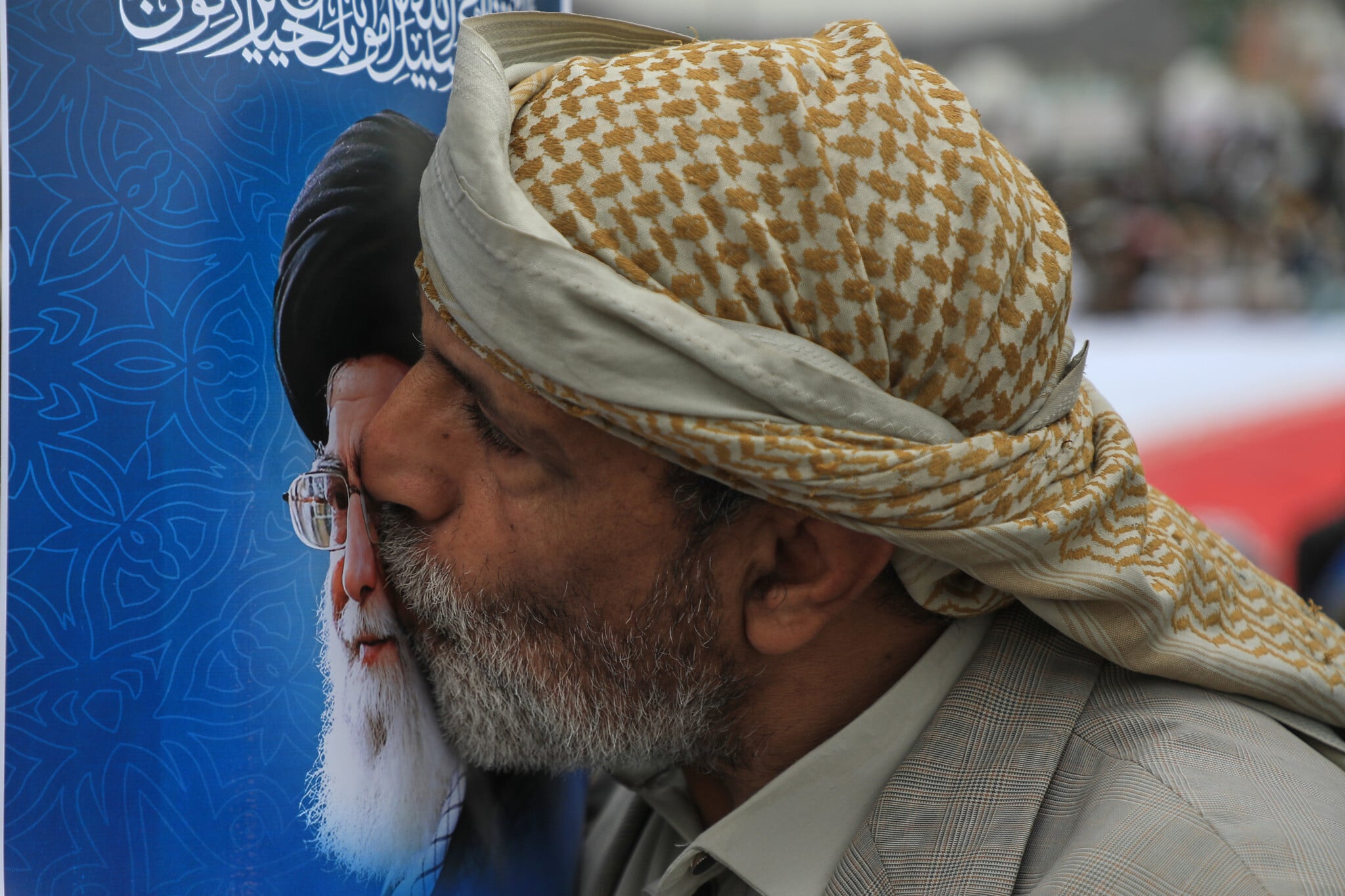
“The Houthis are different — they are Zaidi Shiites who have existed in a state-like form for about a thousand years. They take Iranian strategic considerations into account. But their own strategic calculations come first,” Shiloh said.
Those calculations include domestic constraints.
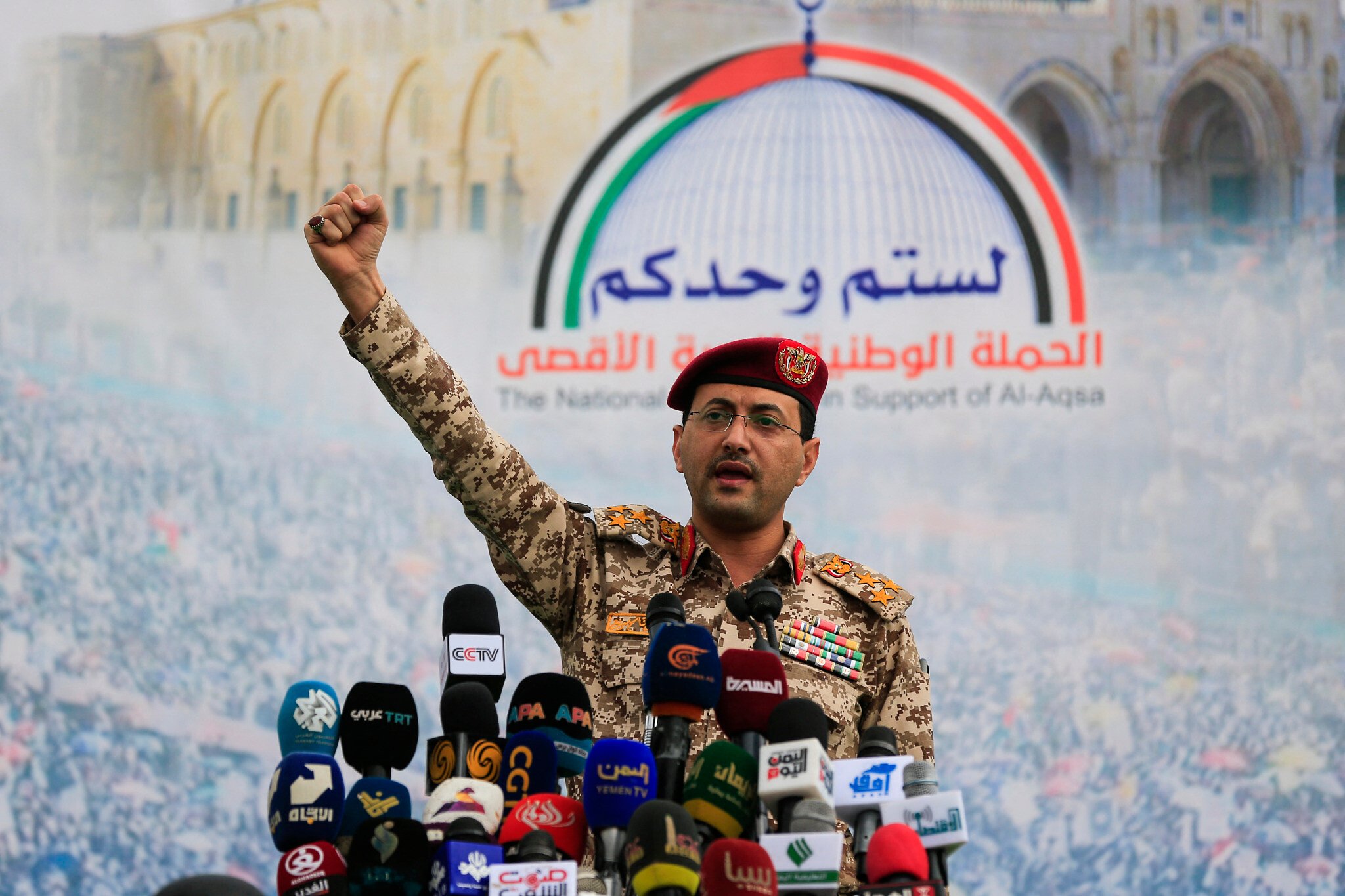
“This war is about coming out in support of Iran, and [that] doesn’t generate the same level of domestic support that the Houthis’ involvement in the Gaza war did,” said Allison Minor, former US deputy special envoy for Yemen and now director of the Project for Middle East Integration at the Atlantic Council.
The Houthis — whose slogan calls for “Death to America, Death to Israel, [and] a Curse on the Jews” — first started attacking Israel and Red Sea shipping in November 2023, saying the attacks were in support of Hamas during Israel’s war against the terror group in Gaza.
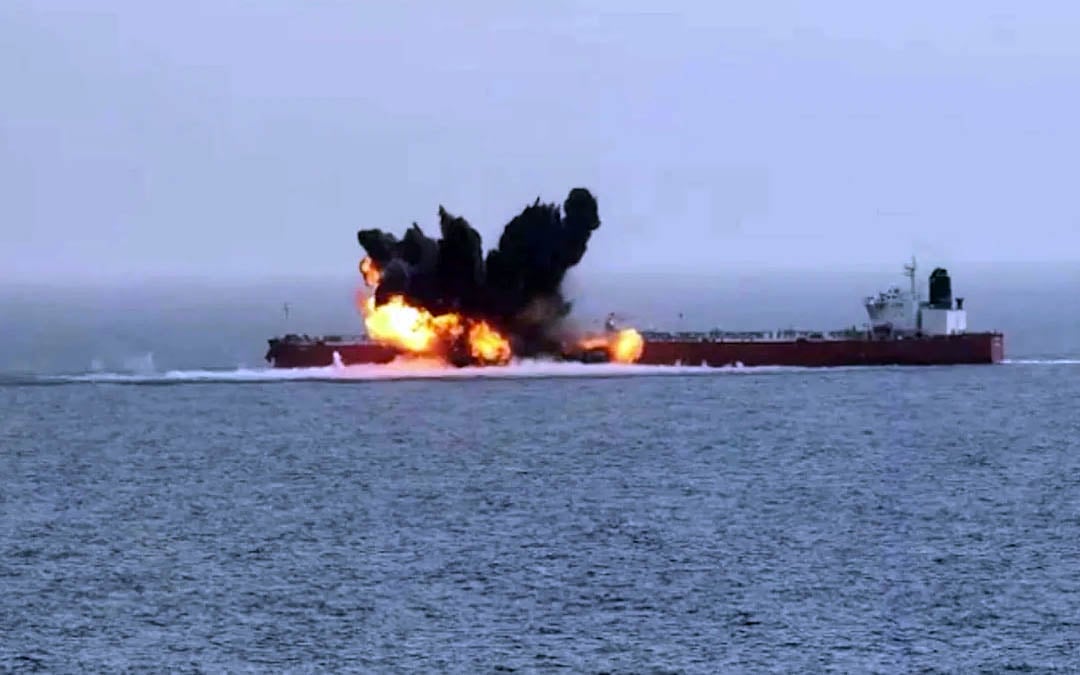
In March 2025, after the Houthis targeted over 100 merchant vessels with missiles and drones, sinking two ships and killing four sailors, US President Donald Trump announced Operation Rough Rider to end the threat posed by the group in the Red Sea and Gulf of Aden and reestablish US regional “deterrence.”
Two months later, Trump declared he was halting US strikes on the Houthis after a deal that saw them stop their attacks on the Red Sea, even as they continued attacking Israel. The Houthis later stopped their attacks on Israel after the Gaza ceasefire reached in October 2025, until this weekend.
In all, the Houthis launched over 130 ballistic missiles and dozens of explosive-laden drones at Israel, including one in July 2024 that killed a civilian and wounded several others in Tel Aviv, and prompted Israel’s first strike in Yemen.
While the Houthis are dependent on Iran for “material and expertise” — the US estimated in recent sanctions designations that the Houthis are getting $2 billion annually from illicit fuel supplies, primarily from Iran — the Iranians understand that their influence is limited and they can’t “completely direct Houthi behavior,” Minor said.
Still, while Iran continues to be battered militarily, and with Israel bogged down by another front with Hezbollah in Lebanon, the conflict reached a point where the Houthis could both show support for Tehran and assert their regional power.
“On the one hand, [the Houthis] can satisfy Iran — especially after Iranian complaints that they hadn’t ‘delivered’ over the past month — and on the other hand, they can advance their own goals: deterring Gulf states from joining the broader conflict and signaling to Israel and the US that they are a relevant power,” Shiloh said.
Military capabilities
While the Houthis’ involvement appears limited for now, their choice to strike Israel raises the prospect of a broader regional confrontation, particularly given their ability to strike targets far beyond Yemen and disrupt shipping lanes around the Arabian Peninsula.
The Bab el-Mandeb Strait — a narrow chokepoint between Yemen and the Horn of Africa — is the greatest point of concern. With the Strait of Hormuz effectively blocked by Iran, Saudi Arabia has been sending millions of barrels of crude oil through Bab el-Mandeb, reportedly reaching a full capacity of around 7 million barrels per day.
“By choosing to attack now, [the Houthis] focus on signaling to the US, Israel, and the broader world that they retain the capacity to increase the already growing pain on the global economy should they decide to try to close the Bab al-Mandab,” said Thomas Juneau, Non-Resident Fellow at Yemen’s Sana’a Center for Strategic Studies.
The group possesses the naval assets to successfully block the strait, including their own vessels and even small submarines, Shiloh said. Even limited Houthi action can effectively shut down shipping lanes, due to insurance markets and commercial risk, added Minor.
If they choose to do so, Saudi Arabia and all countries along the Red Sea, as well as Israel and the US, would face serious challenges.
There is also potential for a renewed conflict with Riyadh, which fought with the Houthis for years until a 2022 ceasefire, Minor added. With pressure involving both Iran and the Houthis, Saudi Arabia could suffer extensive damage, she warned.
If the Houthis see fit to break their détente with Riyadh, “we definitely would see them starting to attack Saudi oil infrastructure…there’s lots of kindling to turn this into a more full-blown fire,” she warned.
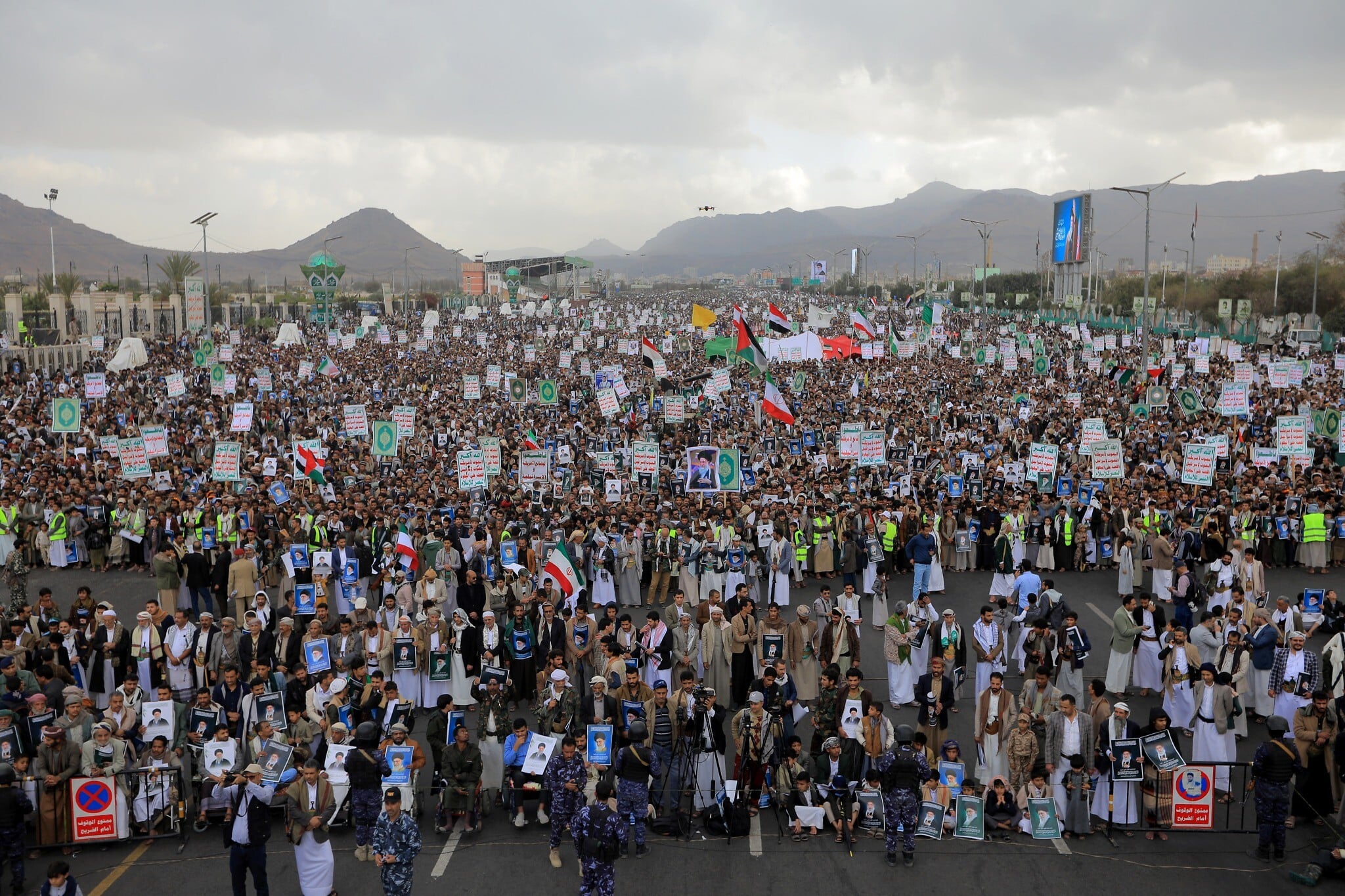
The Houthis command a sizable ground force — estimated at between 300,000 and 500,000 fighters — and control roughly a third of Yemen’s territory and population, or about 12 to 15 million people.
“Most of them are young, and for many, their primary livelihood is tied to the [Houthi] regime — including military service,” he said. “These are not forces capable of invading Israel — there’s still about 1,700 kilometers separating [the two sides]. However, they can certainly threaten their neighbors — particularly Saudi Arabia.”
Houthi spokespeople have said in recent days that they intend to target Gulf states, including Saudi Arabia and the UAE, if the war against Iran leads to strikes on oil and energy infrastructure.
Trump said on Monday that progress was being made in “serious discussions” with Tehran about ending the war, but warned that the US would destroy Iranian energy sites and infrastructure if a deal is not reached and the Strait of Hormuz is not opened in the near future.
Fears of retaliation
Despite their capabilities, however, the Houthis are unlikely to dramatically disrupt shipping in the Red Sea, as doing so risks drawing the US into another sustained fight that the group would prefer to avoid.
“As long as we’re dealing with ballistic or cruise missile fire, the likelihood of US intervention remains relatively limited,” said Shiloh.
But if the Houthis decide to block traffic through Bab el-Mandeb, the regional and global economic impact, already under strain due to the closure of the Strait of Hormuz, would make it hard for the US not to get involved.
Juneau initially predicted that a full Houthi effort to block Red Sea shipping would only come under extreme circumstances, such as a perceived collapse of the Iranian regime.
Even while the regime appears poised for survival, however, the Houthis “could still very well decide to resume their strikes in the Red Sea, in particular if they assess that the damage on the global economy would increase Iran’s leverage as it opens up, possibly, negotiations with the US on what a postwar order could look like,” he said.
But fears of retaliation decrease the chances that they’ll choose to pursue such drastic escalation, and “by focusing their [initial] strike on Israel only, they signal to the US, and also to Saudi Arabia and the UAE, that for now they do not seek escalation,” Juneau said.
Washington will also likely avoid being pulled into another major campaign against the Houthis if it can, as doing so would imply that Operation Rough Rider failed, and the ideal would be to keep Washington’s efforts focused on Iran.
If the US and Israel do find themselves in another confrontation, however, they will look to inflict even further damage on the Houthis.
Past US and Israeli strikes took out many key leaders, weapons stockpiles and production sites, as well as mobile sites, including launchers.
“This suggests that the US and Israel had significantly improved the quality of their intelligence on the Houthis; there is therefore reason to believe that a renewed campaign of strikes by the US and Israel would cause yet more damage,” Juneau said.
Times of Israel staff and Agencies contributed to this report.







The Times of Israel Community.