

After meeting Mamdani, leading NY rabbi says ‘deeply’ worried about next 4 years
Rabbi Ammiel Hirsch says he was ‘pleased’ to meet with mayor-elect, but remains concerned about his ‘harsh ideological anti-Zionism’
 Add ToI as a Preferred Source on Google
Luke Tress is The Times of Israel's New York correspondent.
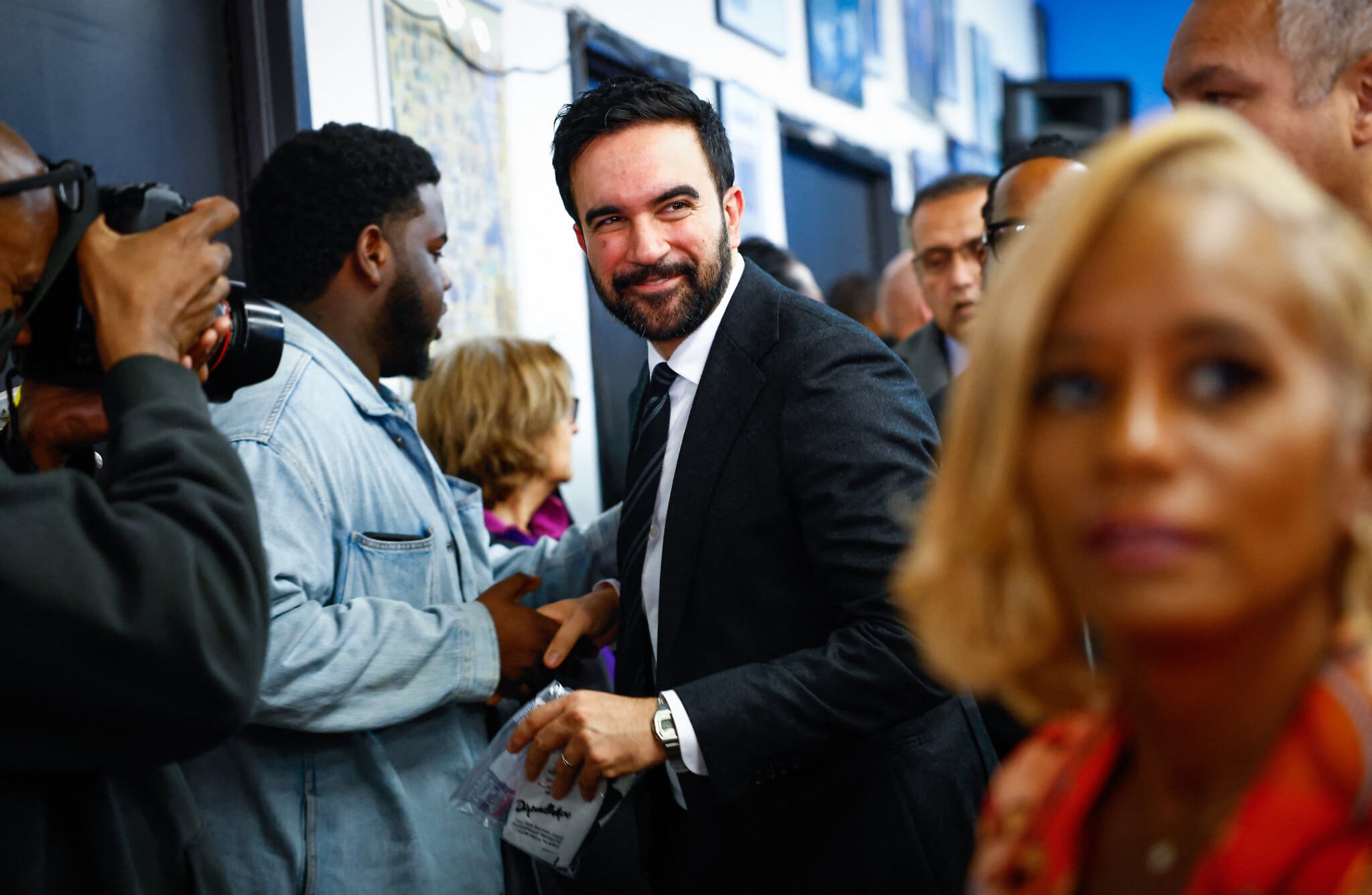
NEW YORK — Rabbi Ammiel Hirsch, a prominent Reform leader in New York City, said on Friday that he remains deeply concerned about the city’s future after a meeting with New York City Mayor-elect Zohran Mamdani.
Hirsch is the president of the New York Board of Rabbis, head of Manhattan’s Stephen Wise Free Synagogue and a national leader in the Reform movement.
He is a prominent voice in support of American Zionism and had urged Mamdani to reconsider his views on Israel during the mayoral campaign.
He and other rabbis met with Mamdani on Thursday night, weeks before Mamdani takes office on January 1.
Hirsch said on X that the group was “pleased to be able to discuss our concerns” with Mamdani, but that “concerns remain.”
“We’ve never before had a mayor who has expressed this kind of ideological hostility to the very existence of Israel. It is not about policy differences; rather, it is about the denial of Israel’s right to exist as a Jewish state at all,” Hirsch said on X.
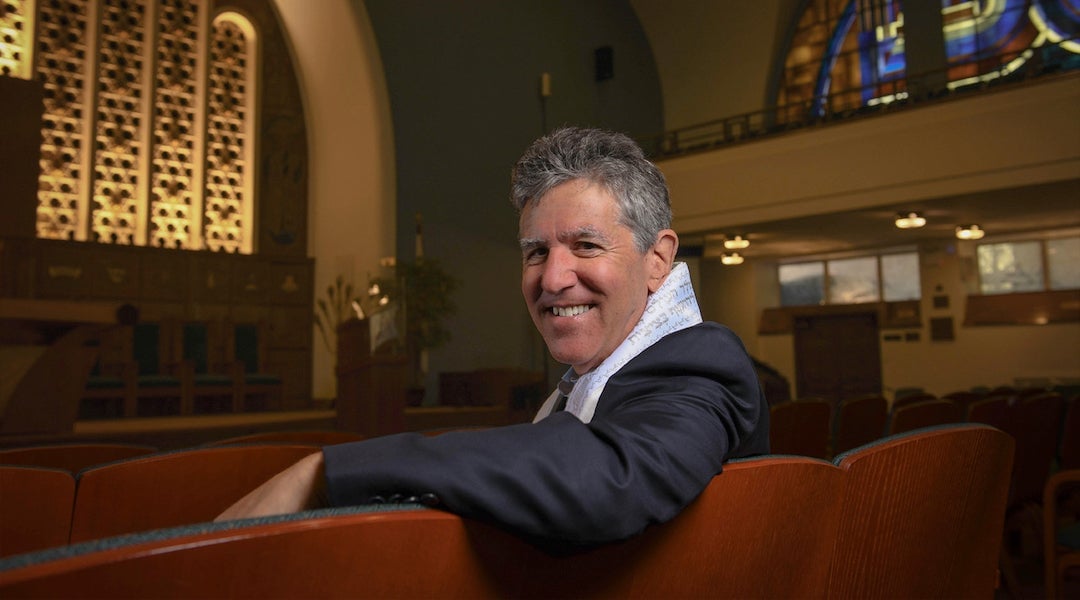
The post came hours after Jewish Insider published an interview with Hirsch in which he said he left the meeting with Mamdani “encouraged,” saying, “He is making an effort to reach out to as many representatives, particularly in the Jewish community, as he can.”
However, in his X post, Hirsch wrote: “It is not about policy differences; rather, it is about the denial of Israel’s right to exist as a Jewish state at all. I continue to worry deeply about the upcoming four years and conveyed to the mayor-elect that anti-Zionist rhetoric and anti-Israel policies will threaten Jewish safety in NYC and will, inevitably, lead to an unproductive and tense relationship with the Jewish community.”
The contents of the meeting were off the record.
Hirsch told The Times of Israel he appreciated the meeting, which was also attended by a couple of Mamdani’s staff.
He said that whether Mamdani pursues anti-Zionist policies after taking office is his prerogative as mayor, but that it would be concerning to the city’s Jewish community if he were to do so.
“He needs to decide now, as he is transitioning to governing, as opposed to campaigning, whether he wants to continue” with anti-Israel policies that Mamdani voiced during his campaign, such as his pledge to arrest Prime Minister Benjamin Netanyahu.
“If he decides, in his governance capacity, that he will pursue these kinds of anti-Israel policies, and I am as concerned as that as I was before, then it will result in a very rocky relationship with the New York Jewish community,” Hirsch said, adding that “it’s still early,” as Mamdani has not yet taken office.
Hirsch said that Mamdani’s political life has been marked by “very harsh ideological anti-Zionism — harsh, uncompromising anti-Zionism.”
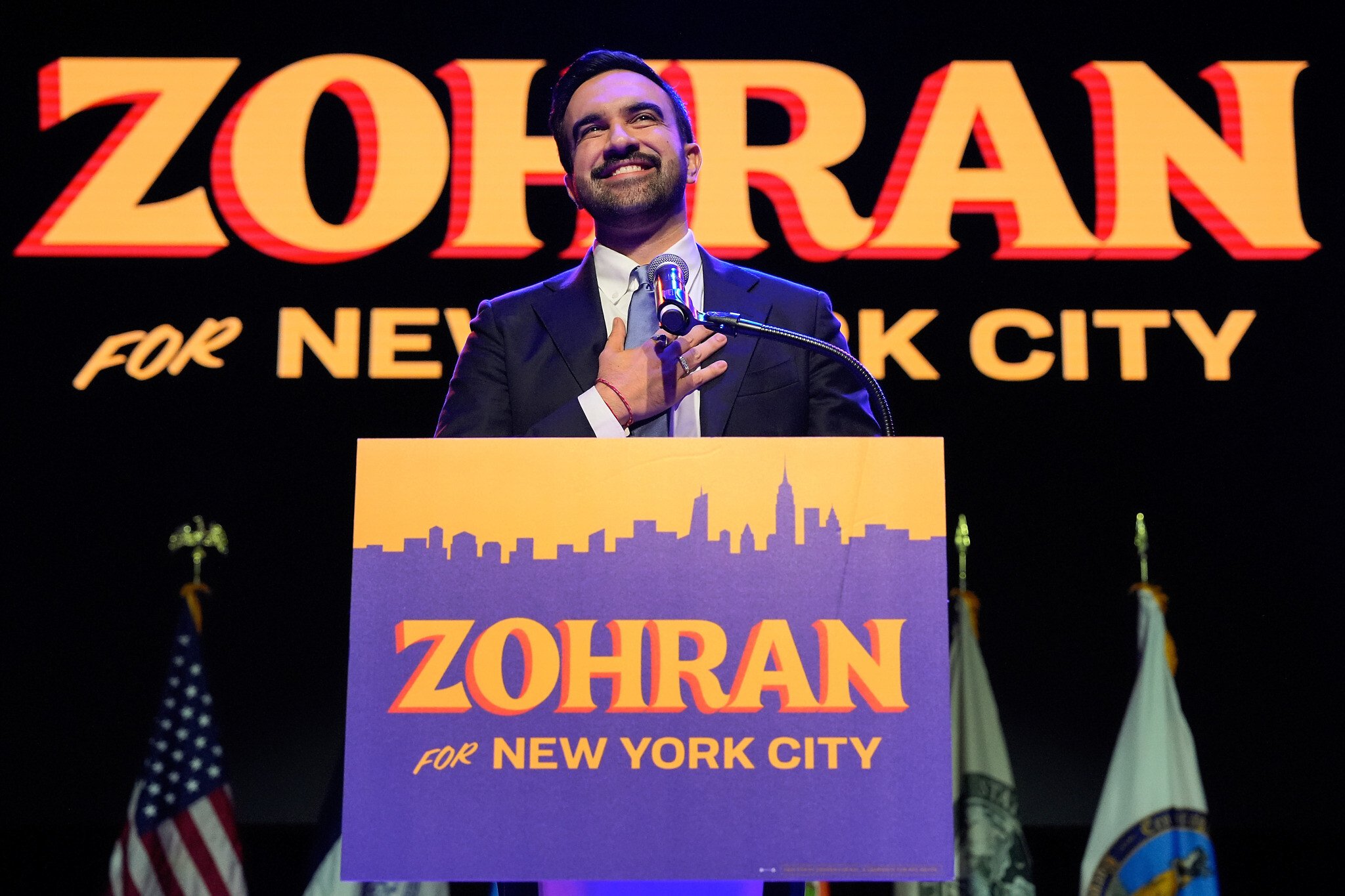
Mamdani has said that pro-Palestinian activism was his reason for entering politics and aligning with the far left, and that “it is Palestine that I will always organize for.” His first political activity was founding his campus chapter of Students for Justice in Palestine while he was a student at Bowdoin College.
Mamdani has identified as an anti-Zionist and repeatedly refused to recognize Israel’s existence as a Jewish state.
“I have not seen any substantial departure from that ideology,” Hirsch said.
Hirsch outlined three possibilities for Mamdani as mayor. Mamdani could carry out policies in line with that anti-Zionist ideology, he could change his mind about those positions, or he could retain the ideology without enacting it as mayor.
“The last two scenarios are better for the New York Jewish community,” Hirsch said. “We’ll just have to wait and see, but we have to, on behalf of the Jewish community, we have to monitor this very carefully.”
Warm welcome from anti-Zionist Satmars
The meeting stood in opposition to Mamdani’s warm welcome on Wednesday at celebrations hosted by the Satmar Hasidic community. The movement is non-Zionist on theological grounds, but not aligned with the anti-Israel activist movement that Mamdani is affiliated with.
The Satmar community was honored to welcome Mayor-elect Zohran Mamdani at the #KufAlefKislev event at Waterfront Square. This day is celebrated by Satmar communities worldwide in gratitude to Almighty G-d for saving the late Satmar Grand Rebbe, Z”L, from the clutches of the Nazis pic.twitter.com/Fjh3uxR6Xx
— Rabbi Moishe Indig (@MoishIndig) December 11, 2025
“The Satmar community was honored to welcome Mayor-elect Zohran Mamdani,” said Rabbi Moishe Indig, a prominent political organizer in the community.
Mamdani attended events marking Kuf Alef Kislev, an annual celebration on the Hebrew calendar anniversary of the Satmar Rebbe Joel Teitelbaum’s escape from the Nazis in 1944.
Teitelbaum later immigrated to New York to build the Satmar movement, one of the leading Hasidic movements in New York.
Images shared by Indig showed Mamdani, wearing a kippah, meeting community leaders on the stage at the front of the event.
“It’s our great honor to welcome the honorable Mayor-elect Zohran Mamdani,” a speaker told the crowd in the video, to applause.
“Before the elections, the mayor-elect promised Rabbi Moishe Indig that he will be the new friend of our community, and now even before taking the oath of office, he’s honoring that promise by joining us tonight,” he says.
Indig’s endorsement of Mamdani in the mayoral election sparked a split in the Satmar community.
Indig later defended the decision in an interview with Mishpacha magazine, saying the endorsement was in the interest of the community and “transactional.”
Mamdani has opposed stripping public funding from yeshivas — a priority for the Hasidic community — that are out of compliance with state education standards.
The Satmar enclave in south Williamsburg, Brooklyn, overwhelmingly voted for Mamdani’s opponent, Andrew Cuomo, in the mayoral race.







The Times of Israel Community.