

After US killing of leader, what’s next for al-Qaeda in Arabian Peninsula?
Qassim al-Rimi’s death in an American operation raises questions about the jihadist group’s operations and its future
 Add ToI as a Preferred Source on Google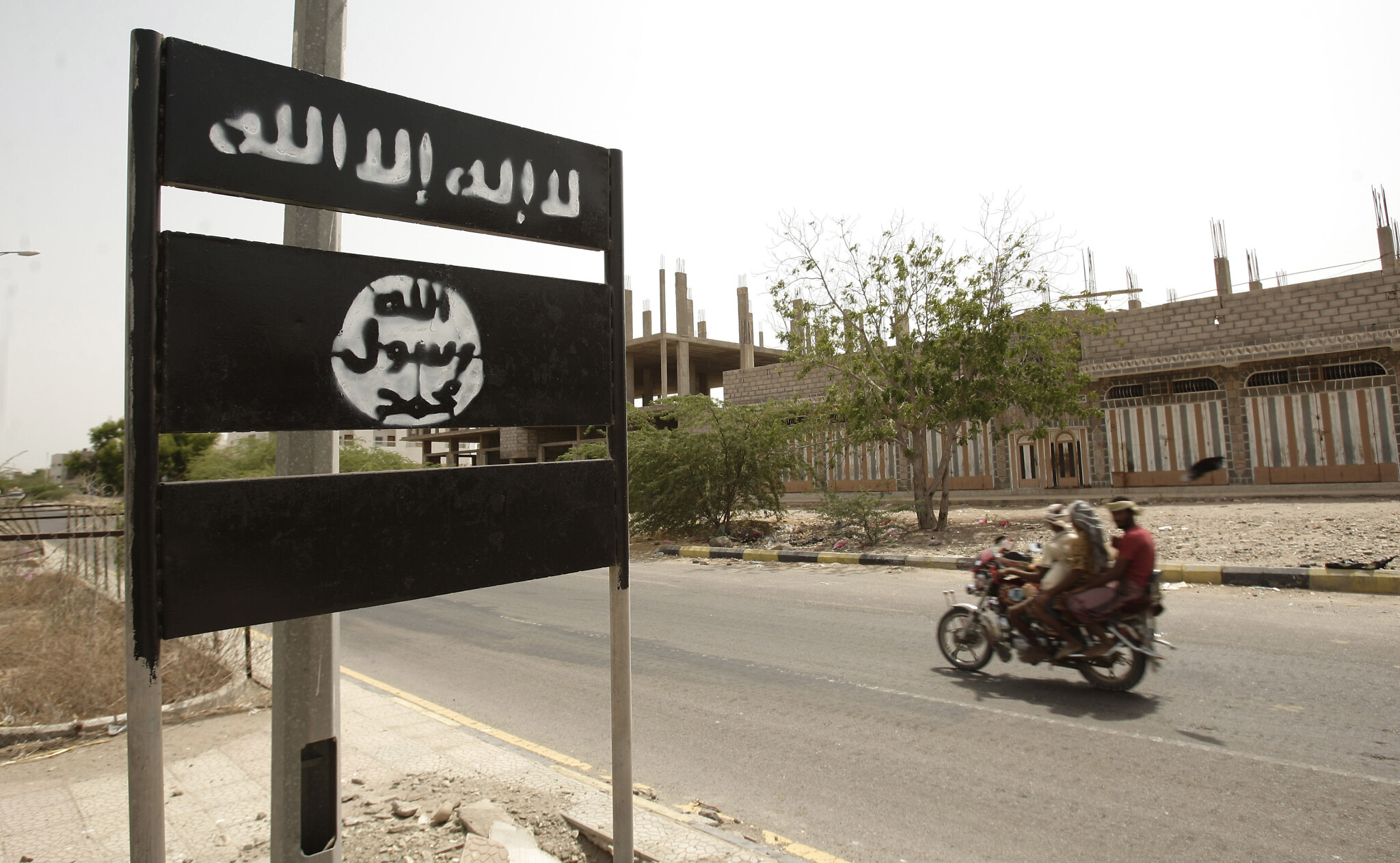
DUBAI, United Arab Emirates (AFP) — The US killing of the leader of al-Qaeda in the Arabian Peninsula in war-torn Yemen raises questions about the jihadist group’s operations and its future.
US President Donald Trump said the United States “conducted a counterterrorism operation” that eliminated Qassim al-Rimi, according to a White House statement released on Thursday.
But what does this mean for AQAP and for Yemen, where a five-year war between the government — backed by a Saudi-led military coalition — and the Iran-aligned Houthi rebels has crippled the country?
How significant was Qassim al-Rimi?
Al-Rimi was named AQAP leader after his predecessor, Nasir al-Wuhayshi, was killed in a US drone strike on Yemen in June 2015.
He was one of the group’s founders in 2009 and its first military commander.

“Al-Rimi’s death is significant,” said Gregory Johnsen, a non-resident fellow at the Sana’a Center think tank.
“However, he was not a good leader for AQAP and since he took over in 2015, the group’s international terrorist wing has atrophied badly.”
Johnsen said the two most likely candidates to succeed al-Rimi were Khalid Batarfi, reportedly running the group’s external operations, and Saad bin Atef al-Awlaki, the group’s leader in Yemen’s Shabwa province.
According to Peter Salisbury, an analyst at the International Crisis Group, a successor will most likely be announced soon.
But, he added, it will not be “someone with the name brand recognition al-Rimi had, and certainly not of the stature of his predecessor, al-Wuhayshi.”
How will this affect AQAP’s operations in Yemen?
AQAP, along with other jihadist groups, has flourished in the chaos of the war between the Yemeni government and the Houthi rebels.
But analysts say the group’s abilities on the ground have dwindled over the years.
“Al-Rimi’s skills as a military planner will be missed, but AQAP’s ability to operate on the ground in Yemen had already diminished greatly,” said Elisabeth Kendall, a researcher at the University of Oxford.
“In operational terms, its activity peaked in 2017 with over 270 domestic attacks, albeit mostly small scale.”
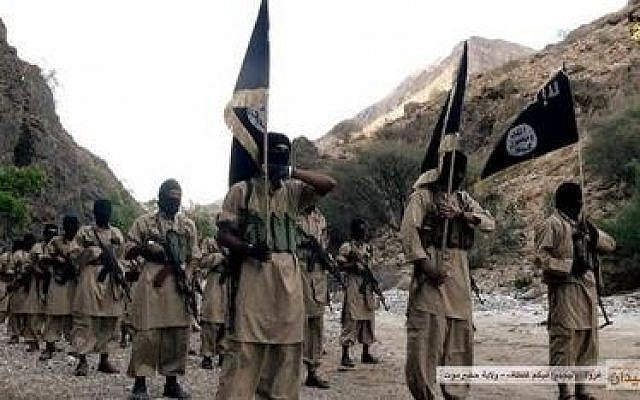
Johnsen also said that AQAP’s ability on the ground has weakened over the past decade, describing it as “a shadow of its former self.”
AQAP has carried out operations against both the Houthis and government forces as well as sporadic attacks abroad, including on the offices of the French satirical publication Charlie Hebdo in 2015.
Andreas Krieg of King’s College London said al-Rimi’s killing has a “PR value” for the United States but will not affect AQAP’s ground operations.
How will it affect AQAP’s ability to strike abroad?
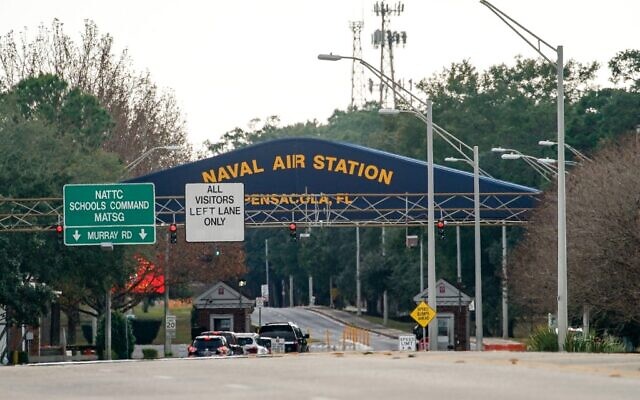
The killing of al-Rimi comes after AQAP claimed responsibility for a December 6 shooting at the US Naval Air Station Pensacola in Florida, where a Saudi officer killed three American sailors.
The attacker was identified as Mohammed Alshamrani, 21, a second lieutenant in the Royal Saudi Air Force and a student naval flight officer.
The SITE monitoring group said he had posted a short manifesto on Twitter before the attack that condemned America “as evil” and that it included a quote from al-Qaeda’s slain leader Osama bin Laden.
“It is still unclear how much of a hand AQAP had in directing, as opposed to inspiring, the Pensacola shooting,” Johnsen said.
According to Johnsen, al-Rimi’s killing “is one more blow” to attacks by the group overseas.
“Prior to the Pensacola attack, the last time AQAP claimed any credit for an overseas attack was in 2015,” he added.
The group’s focus has “shifted onto inspiring rather than directing attacks”, said Kendall.
Salisbury noted that AQAP has not executed a major overseas operation for the past decade.
“Attacks associated with the group have either come from legacy, former operatives or ‘lone wolf’ attacks by people inspired and sometimes in limited contact with the group over the internet,” he said.
The United States has waged a long-running drone war against the leaders of AQAP, which it considers al-Qaeda’s most dangerous branch.
According to the White House, al-Rimi’s killing “further degrades AQAP and the global Al-Qaeda movement.”
“It brings us closer to eliminating the threats these groups pose to our national security,” it said.







The Times of Israel Community.