

Ancient Levant farmers used irrigation to thrive amid millennia of drought, study shows
International scholars find that Bronze and Iron Age farmers proved resilient in the face of climate change, cultivating grapes and olives in increasingly complex societies
 Add ToI as a Preferred Source on Google
Rossella Tercatin is The Times of Israel's archaeology and religions reporter.
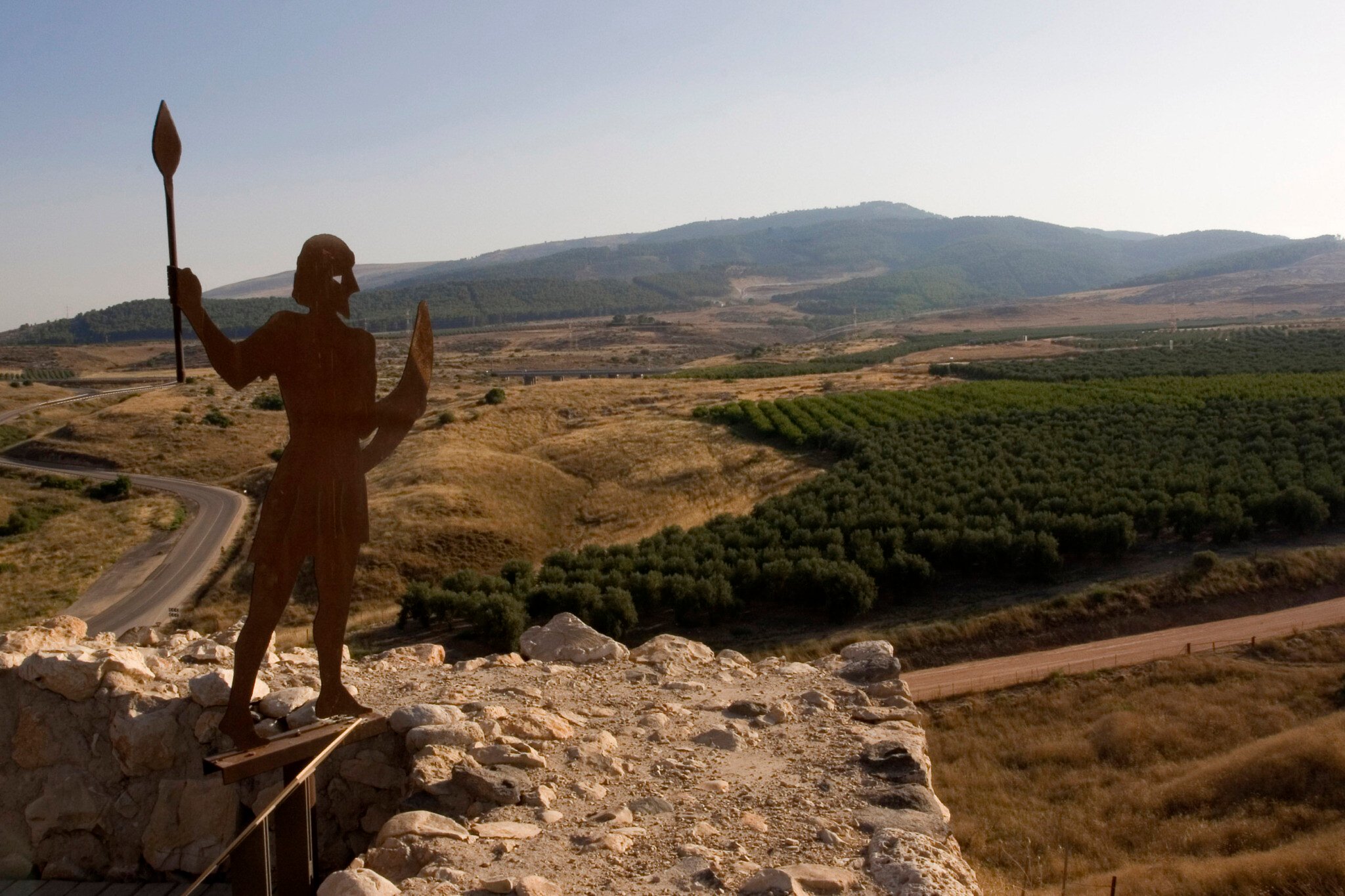
Over the course of millennia, inhabitants of the Levant used irrigation to mitigate the effects of climate change and maximize the production of olives and grapes, demonstrating resilience and ingenuity, according to a new study by international researchers published in the prestigious journal PLOS ONE on Wednesday.
The findings shed new light on the interplay between climate, agriculture, trade and human society in a region often described as the cradle of civilization, where great empires and nations rose and fell — from the Assyrians and Babylonians to the biblical Israelites.
Scholars from the University of Tübingen in Germany and Durham University in the United Kingdom studied over 1,500 samples of olive and grape seeds from some 25 archaeological sites across modern-day Israel, the Palestinian Territories, Lebanon, Jordan, Syria, Turkey and northern Iraq. The samples spanned roughly 3,000 years — from the Early Bronze Age, around 3600 BCE, to the end of the Iron Age in 600 BCE.
By analyzing carbon isotopes, the researchers were able to reconstruct the water conditions in which these crops were grown.
“We were interested in how people in the Bronze and the Iron Age in the Levant and northern Mesopotamia treated their crops, and particularly grapes and olives,” one of the paper’s authors, Dan Lawrence of Durham University, told The Times of Israel over the phone.
“There are different reasons why crops might or might not have had enough water,” he said. “If rainfall decreased as a result of climate change, generating a drought, this could cause more stress for the crops, but also prompt more irrigation.”
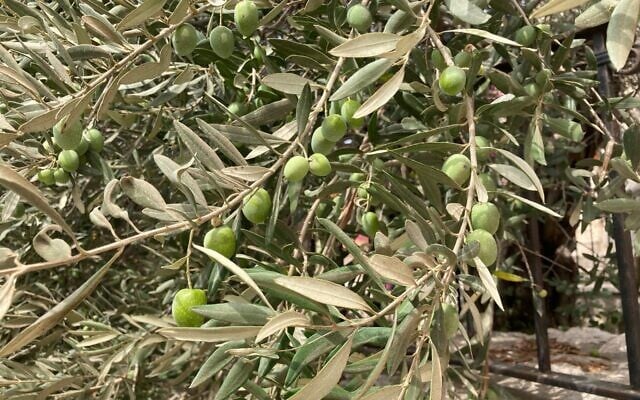
Lawrence noted that while previous studies had focused on staples such as barley and wheat, oil and viticulture had received far less attention.
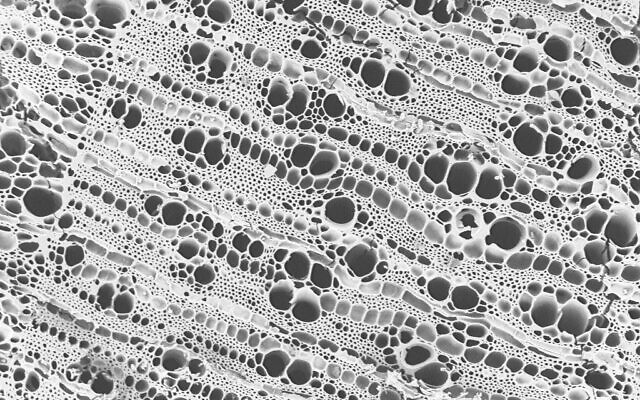
He and his colleagues adopted an innovative approach, examining not only seeds but also charcoal wood samples from the same sites. This allowed them to measure water stress levels more comprehensively.
Their analysis centered on stable carbon isotopes, which plants absorb during photosynthesis. Because plants take up different isotopes depending on weather conditions, archaeobotanical remains preserve a record of the climate in which they grew.
“We assume that [farmers] would irrigate crops primarily to make them grow large and healthy, rather than throughout the year,” Lawrence explained. “So, if the isotope values in seeds and wood [which grows year-round] are similar, it suggests they weren’t irrigating. But if the values differ significantly, it indicates that irrigation was being used at that particular site.”
Irrigation levels reflected increasing resilience to a steadily drying climate.
“It’s worth understanding that what happened across this period is that the climate got progressively more arid,” Lawrence said. “In addition, we had a couple of what are called ‘rapid climate change events,’ or RCC events, one around 4,200 years ago, and one around 3,200 years ago, with severe droughts.”
The scholar noted that both of these moments are traditionally associated with the collapse of civilizations in the area.
“I’m not so sure that the collapses described [by scholars] were as dramatic as once believed,” Lawrence added, “but we wanted to examine the broader trends — both the long-term drying of the climate and the impact of those two events.”
What the researchers found in the PLOS ONE paper is that irrigation was increasingly employed across the region over the millennia.
The findings also suggested that regions already accustomed to arid conditions sometimes fared better during periods of intensified drought compared to areas less accustomed to the challenge.
“In places with lower rainfall, you’d expect the drought to hit harder,” Lawrence explained. “But instead, because those regions were already quite dry, they actually seemed to cope a little better — which might sound counterintuitive. Our thinking is that since it was already dry, people were likely relying on irrigation, so when the drought struck, a system was already in place. That’s an interesting example of the resilience people developed.”
The researchers also identified areas where farmers went to great lengths to cultivate grapes.
“One site on the Euphrates in Syria, called Emar, lies below the minimum rainfall needed to grow grapes at all,” Lawrence said. “So they must have been using substantial irrigation just to make it possible.”
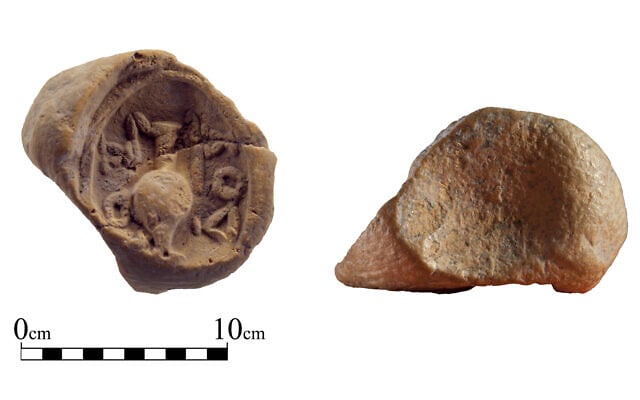
According to Lawrence, grapes and olives were especially significant because they were closely linked to increasingly complex, urbanized economies — a cornerstone of these societies’ development.
“We see periods where there’s a clear focus on cultivating grapes and olives, even at the expense of other crops, which suggests there was strong demand,” he said. “That shows they were able to grow them, and it had wide implications for how society functioned. Grapes and olives essentially acted as commodities — they could be exchanged for goods, or even for money at a certain point. That tells us there was a fairly organized state with markets, trade networks, and economic integration.”
The researcher acknowledged that the region and period under study were far from uniform, both in their conditions and in the peoples who lived there.
Still, he pointed to one important unifying factor.
Farmers “were working in very different environments, so there was a lot of variability — and even local preferences, for instance, regarding certain foods,” he said. “But more broadly, what stands out is how well farmers adapted. They experimented, responded to the conditions they faced, and developed skills in managing them. We see an overarching pattern of adaptation rather than specific cultural choices.”
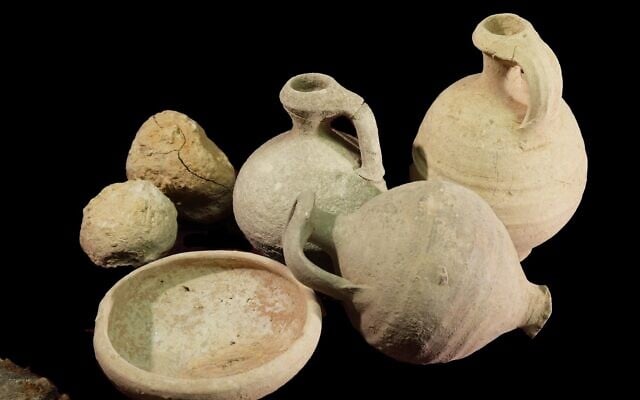
Looking ahead, Lawrence hopes researchers can expand the study to include other crops and livestock and integrate the findings with pottery and additional material remains. Such an approach, he said, could offer a more precise picture of life, agriculture, and trade in the Bronze and Iron Ages.
“It would be super cool to unpick all this stuff,” he said.









The Times of Israel Community.