

As Iran threat returns, private safe rooms factor again into cost of living
Homes with their own bomb shelters can cost as much as 10% more than those without, though some price-sensitive renters are willing to forgo the convenience
 Add ToI as a Preferred Source on Google
Zev Stub is the Times of Israel's Diaspora Affairs correspondent.
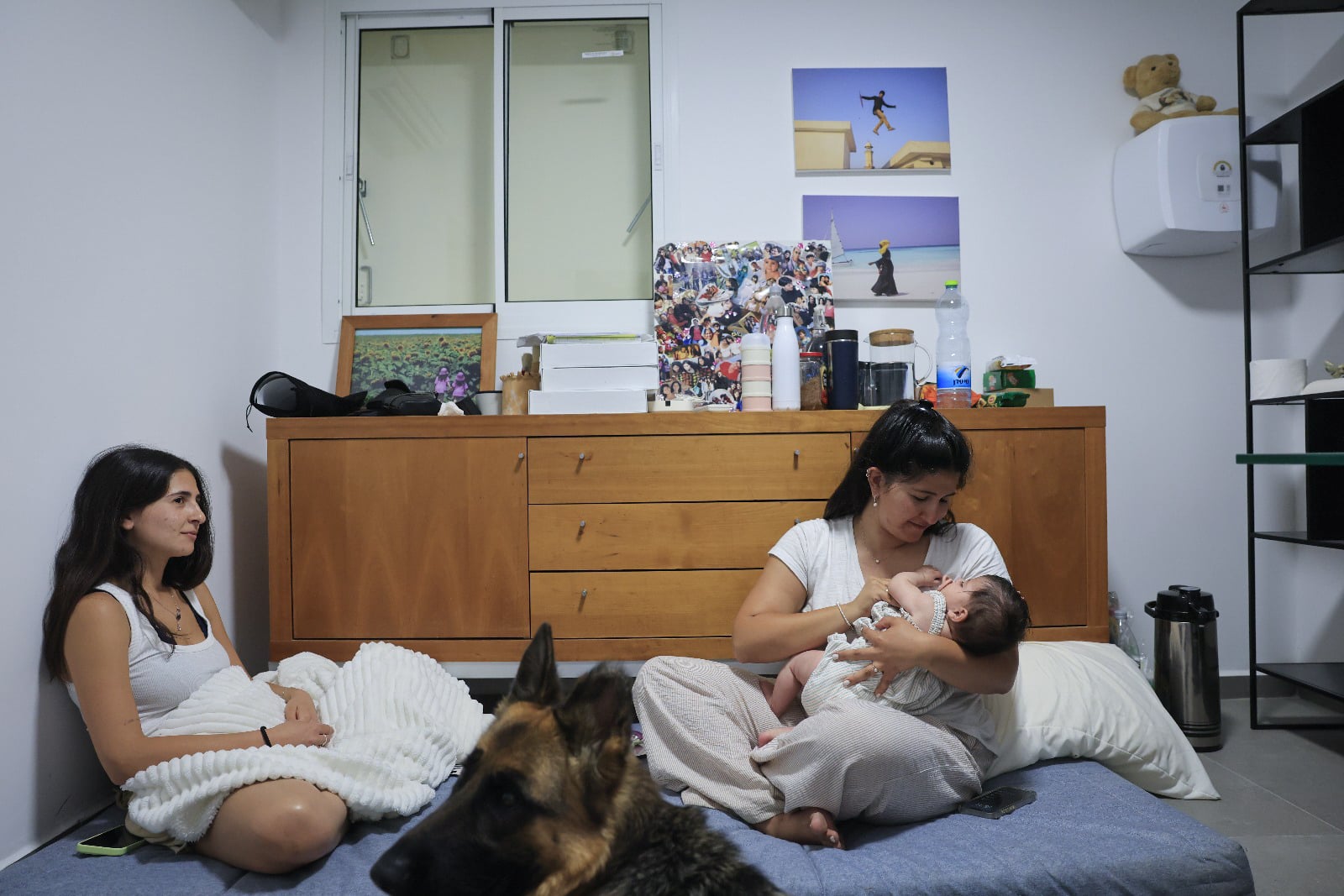
As the possibility of renewed missile attacks from Iran returns to Israelis’ minds, homeowners and buyers are once again factoring the value of having a private protected room — known in Hebrew as a mamad — into real estate transactions.
Only about 44 percent of apartments in Israel come with private safe rooms, but those that have one can sell for as much as 10-20% more than those without, real estate agents say.
Iran threatened this month to attack Israel if the US took military action against the Islamic Republic in response to its crackdown on widespread protests, bringing back unhappy memories of the June’s deadly barrages.
Trump has since signaled that no such action is imminent, but even before protests broke out, experts and Israeli officials had indicated that Iran’s rapid buildup of its ballistic missile stocks since the June war was making a fresh round of fighting increasingly likely.
Iran launched hundreds of ballistic missiles and drones at Israeli territory over 12 days of war in June, killing 32 people, injuring hundreds, and causing billions of shekels’ worth of damage to buildings.
Air raid sirens sent millions of Israelis to shelters repeatedly during that war, and those with private safe rooms in their homes had an easier time of it than those running to shared safe spaces in apartment building basements or scrambling outdoors for public shelters.
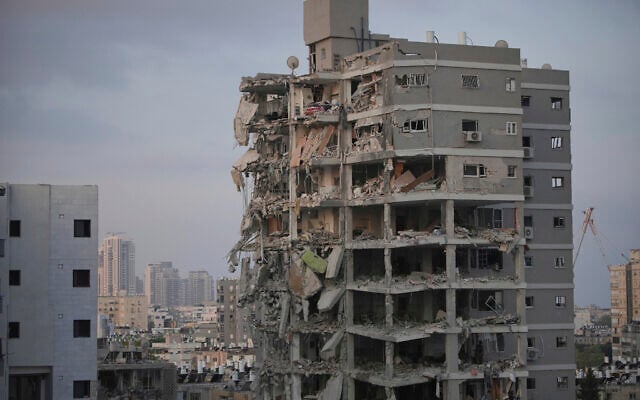
While private safe rooms are standard in newly constructed homes, they remain an unavailable luxury for more than half of all households.
Of an estimated 2.96 million homes across Israel, 1.67 million (56%) did not have a safe room as of the end of 2024, according to data from the Israel Builders Association.
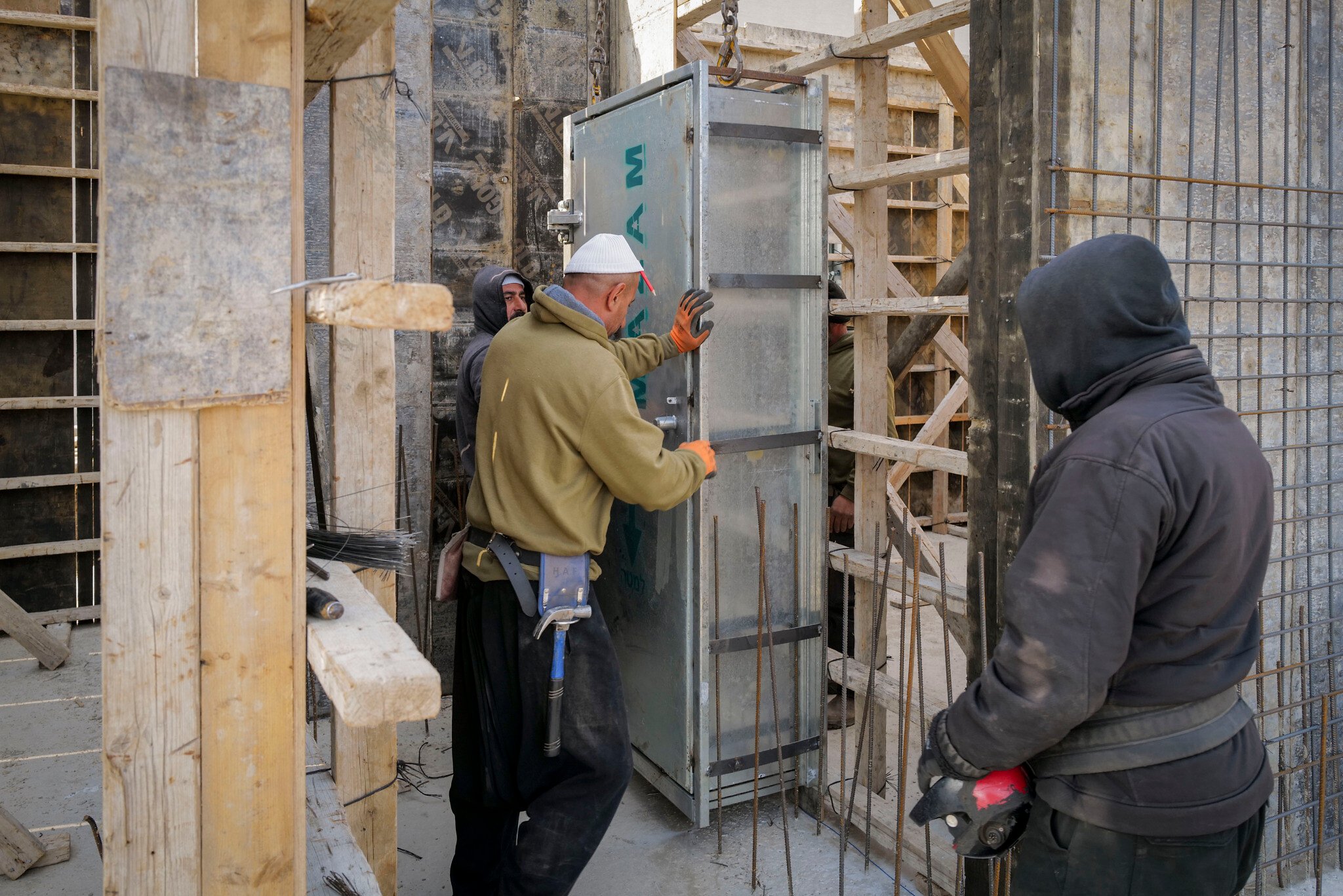
Contractors have only been required by law to provide them in new homes since 1993, after Iraqi president Saddam Hussein bombarded Israel with Scud missiles during the 1991 Gulf War.
Most residential buildings do include shared residential shelters, usually in the basement, following building regulations introduced in 1969. Many tall buildings built after that time have shared protected shelters on each floor of the building, known in Hebrew as a mamak.
There are also public shelters in most neighborhoods. Some 70-80% of Israelis have access to a private or public shelter, experts have estimated, although about half of Arab Israelis do not.
Because new buildings, including those that have undergone urban renewal, offer private safe rooms in every apartment, most upscale home buyers take for granted that their new domicile will have one.

New or newly renovated buildings generally command 20% more than older counterparts, according to Amit Ferenz of MyPlace Realty. However, it’s impossible to know how much of that increased price is driven by the presence of a safe room and how much by other factors that make newer units more expensive per square foot.
“International buyers typically look for new or fully renovated buildings, and these properties almost always include a mamad,” said Ferenz . “For this reason, at least in Tel Aviv, there is no clear indication of a changing market trend driven specifically by the presence of a mamad. In practice, the security-related premium is already embedded in the price of the property as part of the overall value of a new building.”
Still, buyers generally see a lack of private shelters as a big disadvantage, noted Noah Sander, an agent at Daon Group Real Estate in Tel Aviv. In his estimation, the price difference between two identical apartments, one with a mamad and one without, would be at least 7-10%, and maybe more.
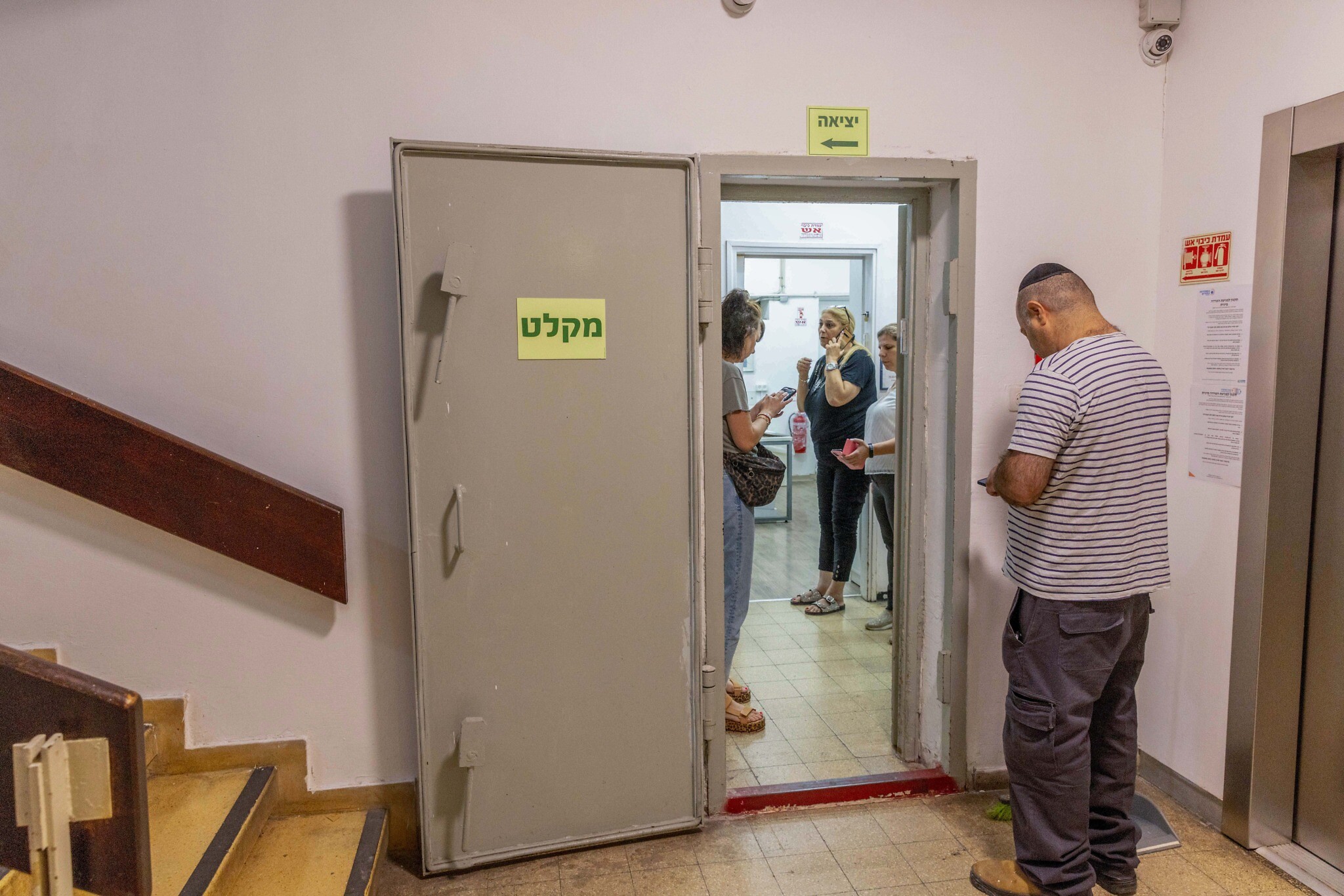
Both mamads and mamaks are built with reinforced concrete designed to withstand flying shrapnel and explosive shockwaves from missile attacks, and may even protect those huddled inside from direct hits, though only by missiles carrying smaller explosive payloads than those launched by Tehran.

“Mamads are designed to protect us from rockets shot by Hamas, but they can’t withstand direct hits from the ballistic missiles Iran uses, which are much more powerful,” Sander said. “The safest options for his kind of attack are public shelters.”
Because private mamads in apartment buildings are generally built along the exterior of structure, they offer less protection than mamaks, which are usually located toward the center of the building and are built on reinforced columns that go down to the base of the structure. (In freestanding homes, mamad locations can vary, though because they are often used as bedrooms or offices, they may be placed along outside walls to allow sunlight and air via specially designed and reinforced windows.)
While many homebuyers may be willing to pay extra for the convenience of a private shelter, the same may not hold true for renters, who are often more likely to prioritize finding a home in habitable condition within their price range over one with a safe room.
“Rents in Tel Aviv have gotten so high that my main priority is to find an apartment that’s in decent, livable condition,” said Amanda Lasser, who is currently seeking a small apartment for her and her dog. “That means floors that are not falling apart and a kitchen and bathroom that are at least clean-looking and well-maintained. So with all these considerations, if there’s a mamad, I’d be lucky. But it’s definitely not something I seek out, and I don’t think I would pay extra to have one.”

Rental prices, especially in popular areas, have continued to surge in recent years — even as home purchase prices have leveled off — fueled by high demand and other factors.
In some parts of Jerusalem, real estate agents say rental prices have risen by as much as 30% over the past two years. Tel Aviv and other central cities have seen prices go up by as much as 10%, they say.
And according to experts, newer units with safe rooms — whether crucial for the renter or not — can carry rental prices up to 20% higher than older homes without.
Irene Rabinowitz, who recently moved into a rental in Jerusalem, said finding a home with a mamad wasn’t a consideration in her search, adding that she “wouldn’t have paid extra for it.”
“To be honest, I didn’t even ask about a shelter in the building,” Rabinowitz said. “Prices are crazy.”







The Times of Israel Community.