

After seeing Iran war damage, Israelis weigh costs of adding private shelters
Interest in adding fortified rooms has jumped since Iranian ballistic missiles killed 28, but even with some bureaucratic hurdles lifted, many are holding out for cheaper options
 Add ToI as a Preferred Source on Google
Zev Stub is the Times of Israel's Diaspora Affairs correspondent.
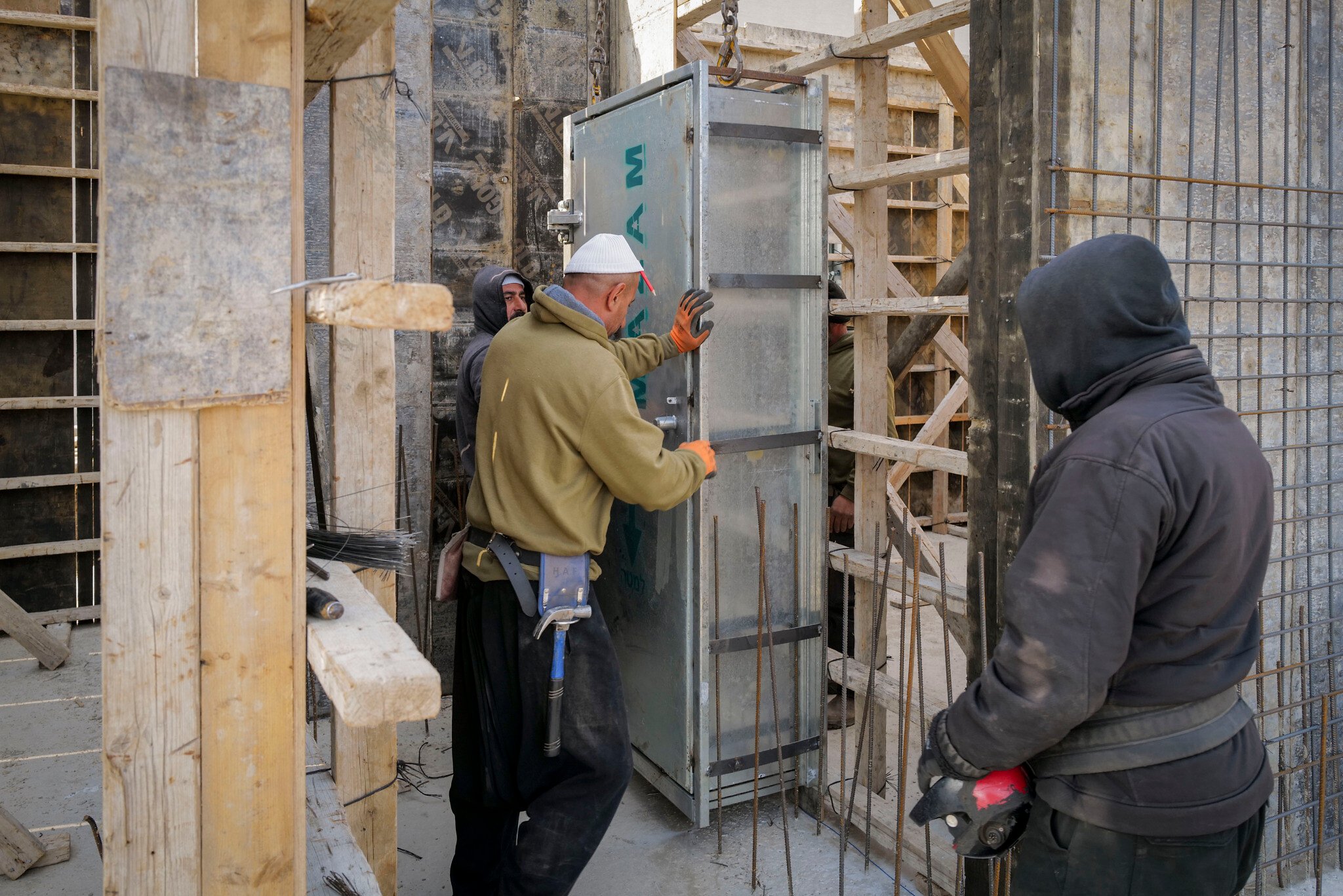
When an Iranian ballistic missile hit an apartment building in the central city of Bat Yam on the third day of Israel’s recent military operation in Iran, six people were killed instantly, but those who took cover in their safe rooms were unharmed even as the building was destroyed.
It was one of numerous instances during the 12-day Operation Rising Lion in which safe rooms were shown to save lives. Following the war’s conclusion, interest in building private safe rooms has jumped, though it is not clear that this will lead to a building boom.
A spokesperson for the Jerusalem municipality said the city has seen more residents inquire about adding a private protected room (known in Hebrew as a mamad) onto their homes in recent weeks. However, that has yet to translate to an increase in building applications.
Part of the reason is that many homeowners would rather wait to complete an urban renewal project in the coming years than lay out the money for a protected room right now, said Michal Mayer, co-founder of Yoma Architects and former municipal engineer for Bat Yam and Lod.
The availability of urban renewal plans such as Tama 38 and Pinui Binui (evacuate-and-rebuild) has made it more attractive for most apartment owners to upgrade their homes at no cost, with the developer funding the project in exchange for the right to build additional housing units for sale, she said.
“For most people, it is more economical to wait to do urban renewal than to build a private mamad,” which might cost upwards of NIS 200,000 ($59,300) per apartment, said Mayer. “People want greater safety in their homes now, but they don’t want to pay for it if they can have it built for free later on,” she said.
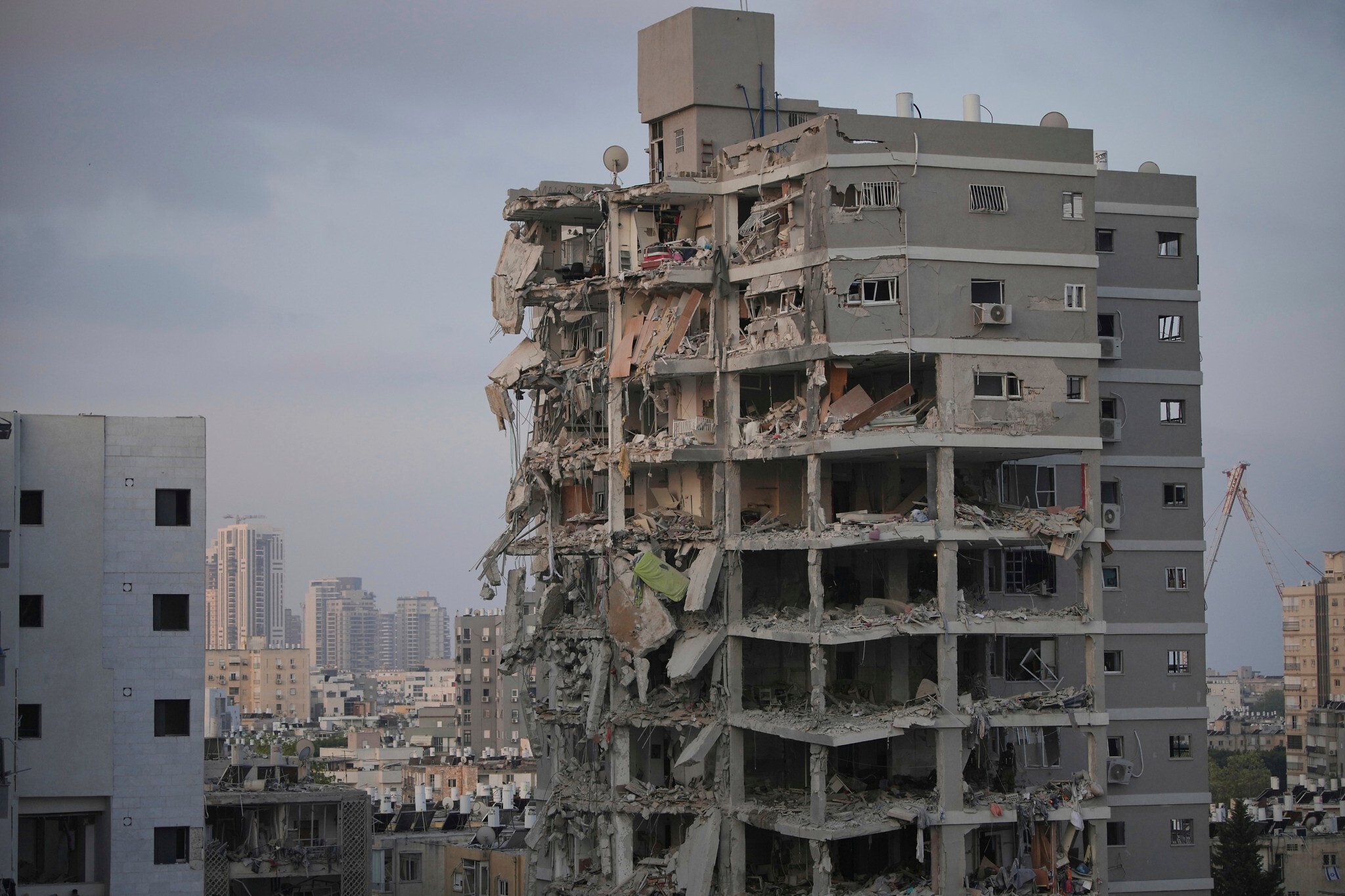
For most people, the most convenient option for sheltering during a rocket siren is a protected room inside the home. However, most homes do not have these, as contractors have only been required by law to provide them in new homes since 1993, after Iraqi president Saddam Hussein bombarded Israel with Scud missiles during the 1991 Gulf War.
Of an estimated 2.96 million homes across Israel, 1.67 million (56%) did not have a safe room as of the end of 2024, according to data from the Israel Builders Association. Safe rooms are most common in newer cities and neighborhoods, as well as homes that have undergone urban renewal, but they are lacking in areas with older buildings.
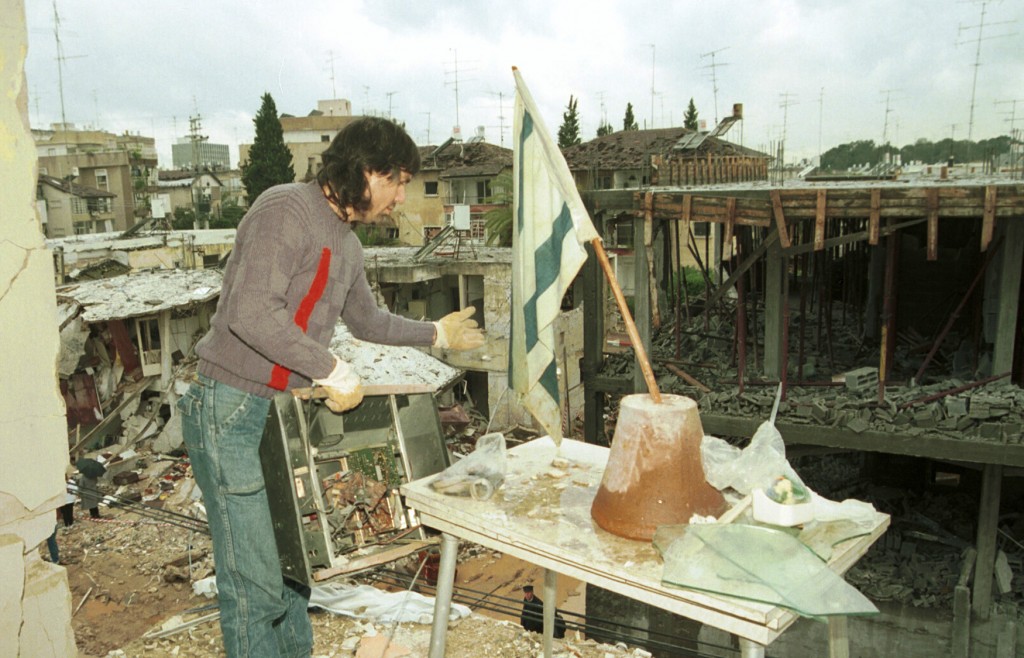
Still, most residential buildings do include shared residential shelters, usually in the basement, following building regulations introduced in 1969.
In the 1970s and 1980s, many tall buildings began to include shared protected shelters on each floor of the building, known in Hebrew by the acronym “mamak.”
These are actually safer than the private household safe rooms, Mayer said.

“While personal mamads are generally located along the exterior of a building, mamaks are usually located toward the center of the building, which makes them much safer in case of a direct hit,” she said. “They also create an environment for people on the floor to take care of each other.”
In addition, Mayer continued, mamaks offer several architectural advantages.
“A mamad has strict requirements about how it appears on the building’s facade, and the column has to go down into the underground parking lot,” she said. “A mamak strengthens the building in only one place, at its core, allowing for much more freedom in the building’s design.”
Some 70-80% of Israelis have access to a private or public shelter, which includes neighborhood shelters, Mayer noted, although about half of non-Jewish Israelis do not.
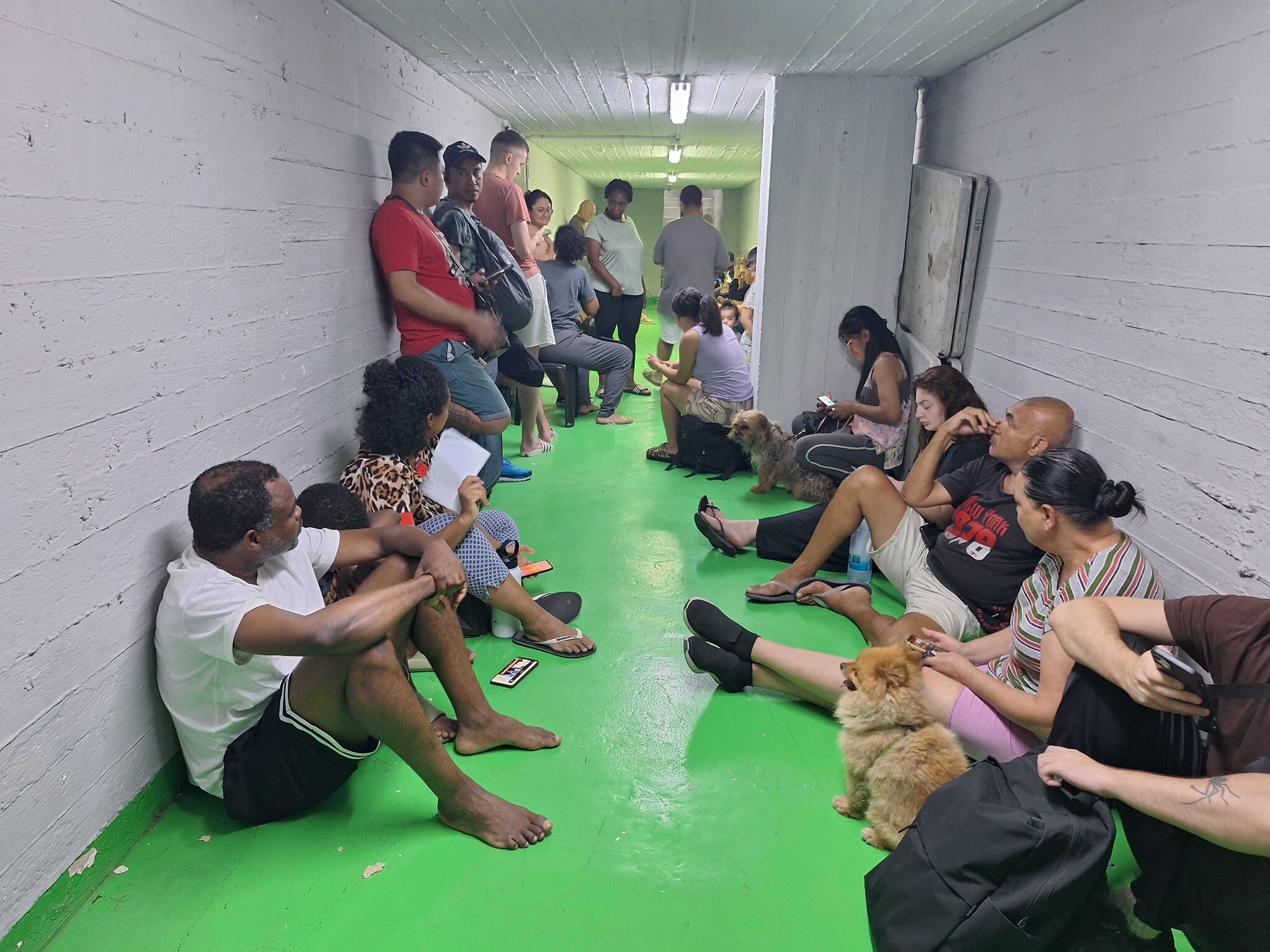
Speeding up the process
Part of the challenge in adding safe rooms is Israel’s notoriously lengthy approval process, which can slow construction projects by years.
A fast-track plan to expedite the process of building some private protected rooms has been established in recent years as the threat of powerful long-range missiles has become a more pressing concern.
In 2019, a regulation known as TAMA 40/A/1 was created to allow private safe rooms to be built without municipal bureaucracy, even when they deviate from existing plans for the housing plot.
TAMA 40/A/1 was initially designed only for cities along the northern border under threat from rockets from Hezbollah. However, after Hamas launched its war against Israel on October 7, 2023, the framework was temporarily expanded to cover the entire country.
TAMA 40/A/1 allows individuals to add a safe room for buildings of up to two stories without going through municipal planning stages, Mayer said. It only requires certification from the Home Front Command that it meets safety and engineering standards. Other aspects, including checking that the safe room remains within the owner’s property lines and doesn’t encroach on a neighbor’s land, are the responsibility of the owner and contractor.
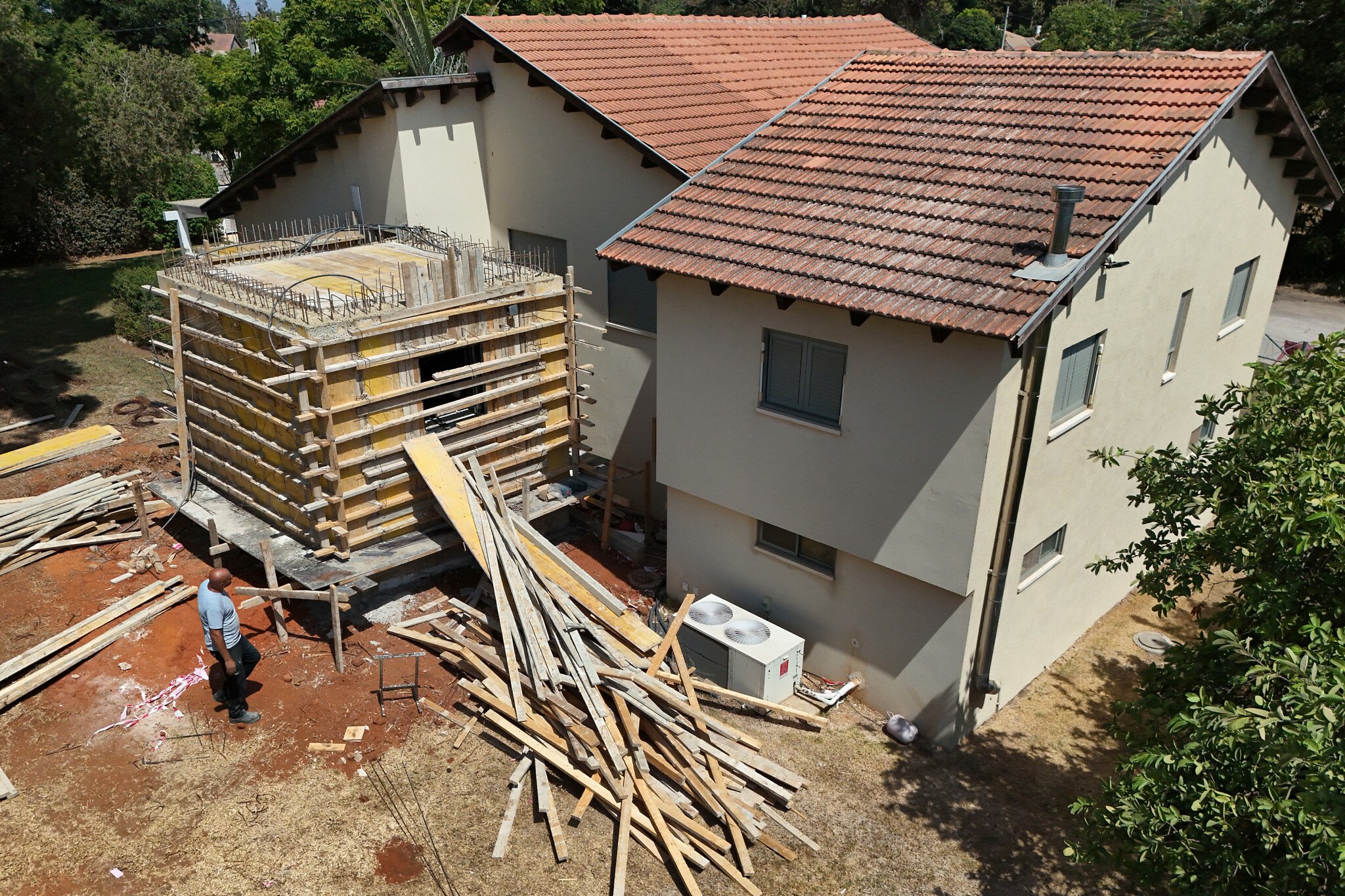
Some 7,000 TAMA 40/A/1 projects have been submitted to the Home Front Command since October 2023, with 97% approved, according to records.
However, as TAMA 40/A/1 only applies to buildings of two stories or fewer, it is not relevant for most urban apartment buildings.
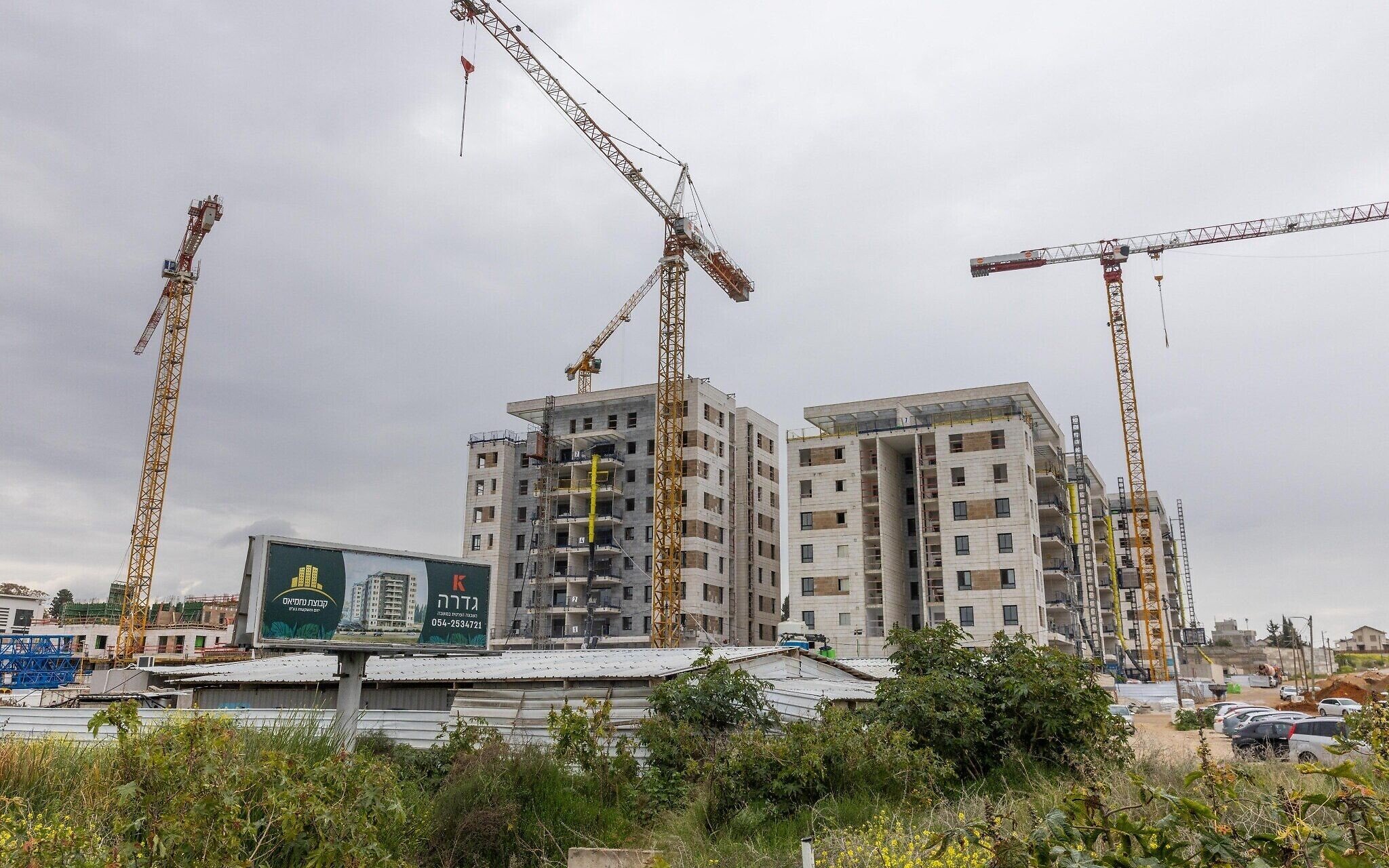
Plans for additional safe rooms for taller buildings must go through the local municipalities for approval. Many cities have worked to expedite the application process in light of the security situation, and the process now needs the approval of 60% of the building’s residents, instead of the previous 75%. Application fees are often waived, and financial grants are available for high-risk areas.
In Jerusalem, approvals for the construction of protected rooms can be obtained in as little as three or four months, instead of a year as was previously needed, a spokesperson for the city said. Tel Aviv has also taken steps to shorten its approval process, its municipal spokesperson said, without providing further details.
Regulations require a safe room to be at least nine square meters (97 square feet). Adding one to an existing building, with reinforced concrete, a blast-resistant door, shockproof window, and air filtration system, typically costs NIS 150,000 to 250,000 ($44,475 to $74,120), depending on the size and building quality.
In nearly all cases, a safe room increases property values by much more than the outlay to build one.
In addition to the value of the added floor space, studies have shown that homes with an attached safe room can be worth as much as 20% more than those without.
Other options
There are cheaper options available, noted Chaim Ben Zikri, sales manager at Arviv Migun, which offers different types of protected spaces.

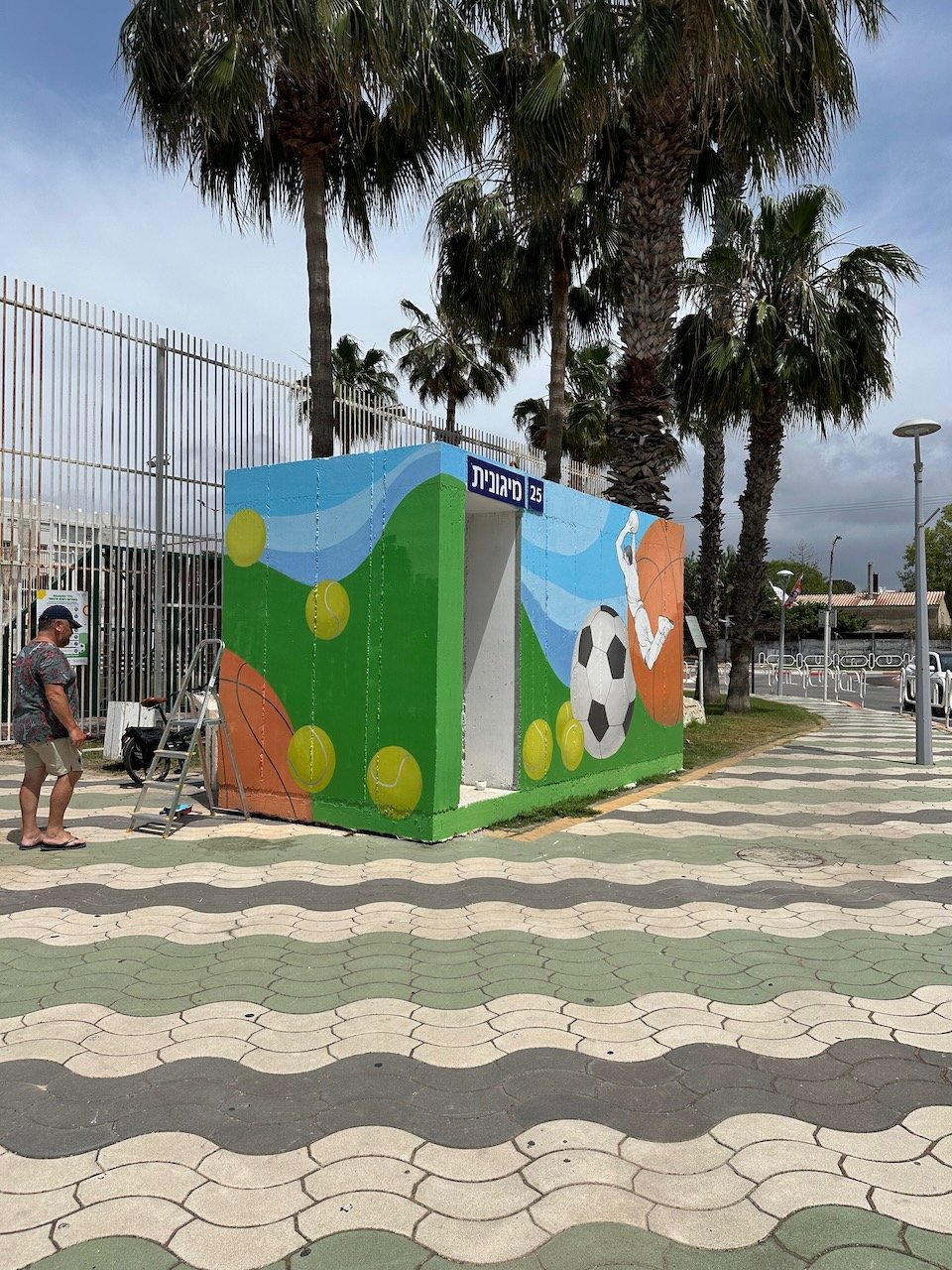
A migunit is a portable one-story concrete bomb shelter that is typically built remotely and then set in place in a yard or field via a crane once a proper base is established. The time to obtain approval and install these can be a matter of weeks. A migunit can cost NIS 50,000 to NIS 150,000 ($14,846 to $44,540), Ben Zikri said.
Another possibility is to add protection inside an existing room of a home by reinforcing it with concrete or steel sheets. These don’t require any building approvals, and can be done within a week for NIS 90,000 to 180,000 ($26,723 to $53,447) per room, Ben Zikri said.
These options are less secure than a mamad, but can offer significant protection if neither is available, Mayer noted.
With the war with Iran over, at least for now, Israelis can step out of crisis mode and think about better ways to incorporate shelters into broader urban planning, Mayer noted.
“We need to think for the long term about how to plan great cities that are safe for everyone,” Mayer said. “This crisis can become an opportunity for urban development.”
But Israelis shouldn’t take the current network of shelters for granted, she added.
“In most countries, including Ukraine, people have no place to go when there are rockets,” Mayer said. “It wasn’t an obvious decision when the government began requiring shelters in homes more than 50 years ago. There is plenty to criticize, but it is important to understand how unique our situation is.”








The Times of Israel Community.