

As Iranian missiles rain down, hospitals scramble to raise funds for underground shelters
With the Health Ministry’s budget recently slashed, medical centers around the country are using storage spaces and parking lots while seeking donations for more protected buildings
 Add ToI as a Preferred Source on Google
Reporter at The Times of Israel
Last week, while medical staff at Hillel-Yaffe Hospital in Hadera were performing a cardiac catheterization in one of the hospital’s three protected operating rooms, a siren went off signaling an incoming Iranian ballistic missile attack.
The missile was intercepted, and the surgery continued successfully. Afterward, the staff wheeled the patient to a different building with a protected recovery area.
On Wednesday, an Iranian missile landed near the Hadera power station, just under a mile from the hospital. The Israel Electric Corporation reported no damage to infrastructure.
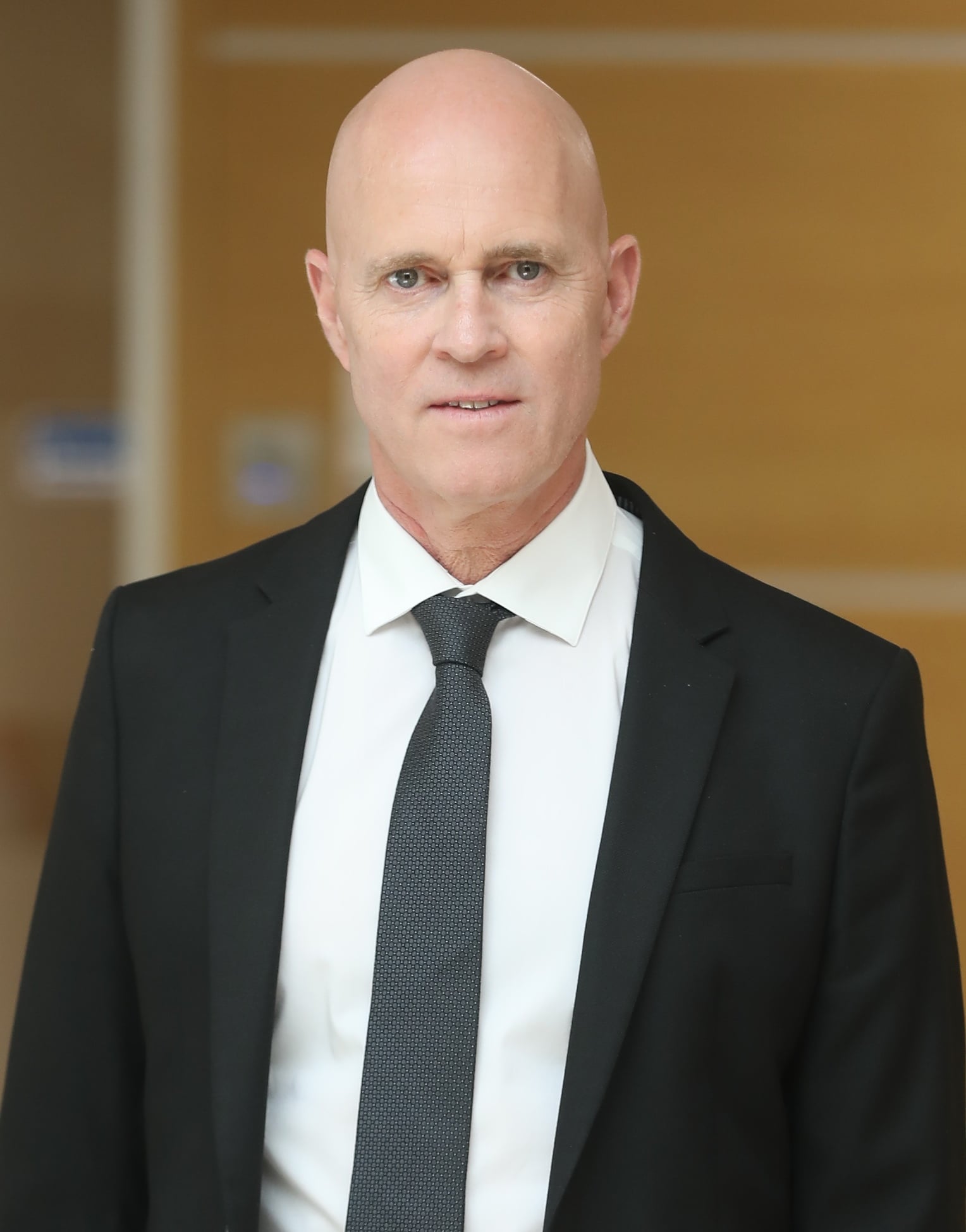
“We’re trying to provide excellent medical care without proper security,” Prof. Mickey Dudkiewicz, director general of the hospital, told The Times of Israel via video call before the strike.
Since the conflict with both Iran and Hezbollah began, the hospital — which is located midway between Tel Aviv and Haifa and serves 650,000 people — has been forced to evacuate an entire inpatient building. It has relocated patients to other hospitals, which Dudkiewicz said, “worries us, because what if a rocket hits the ambulance?”
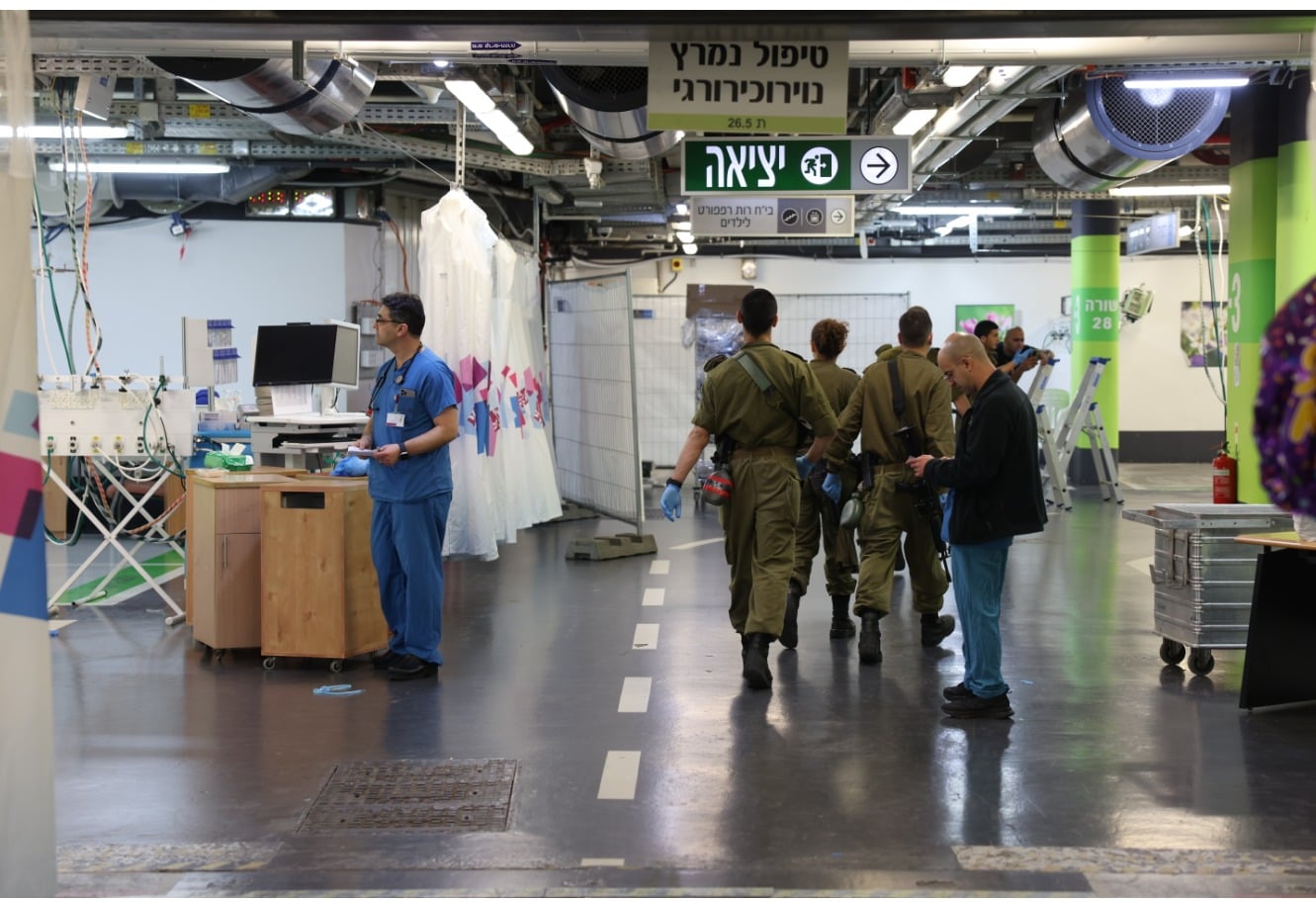
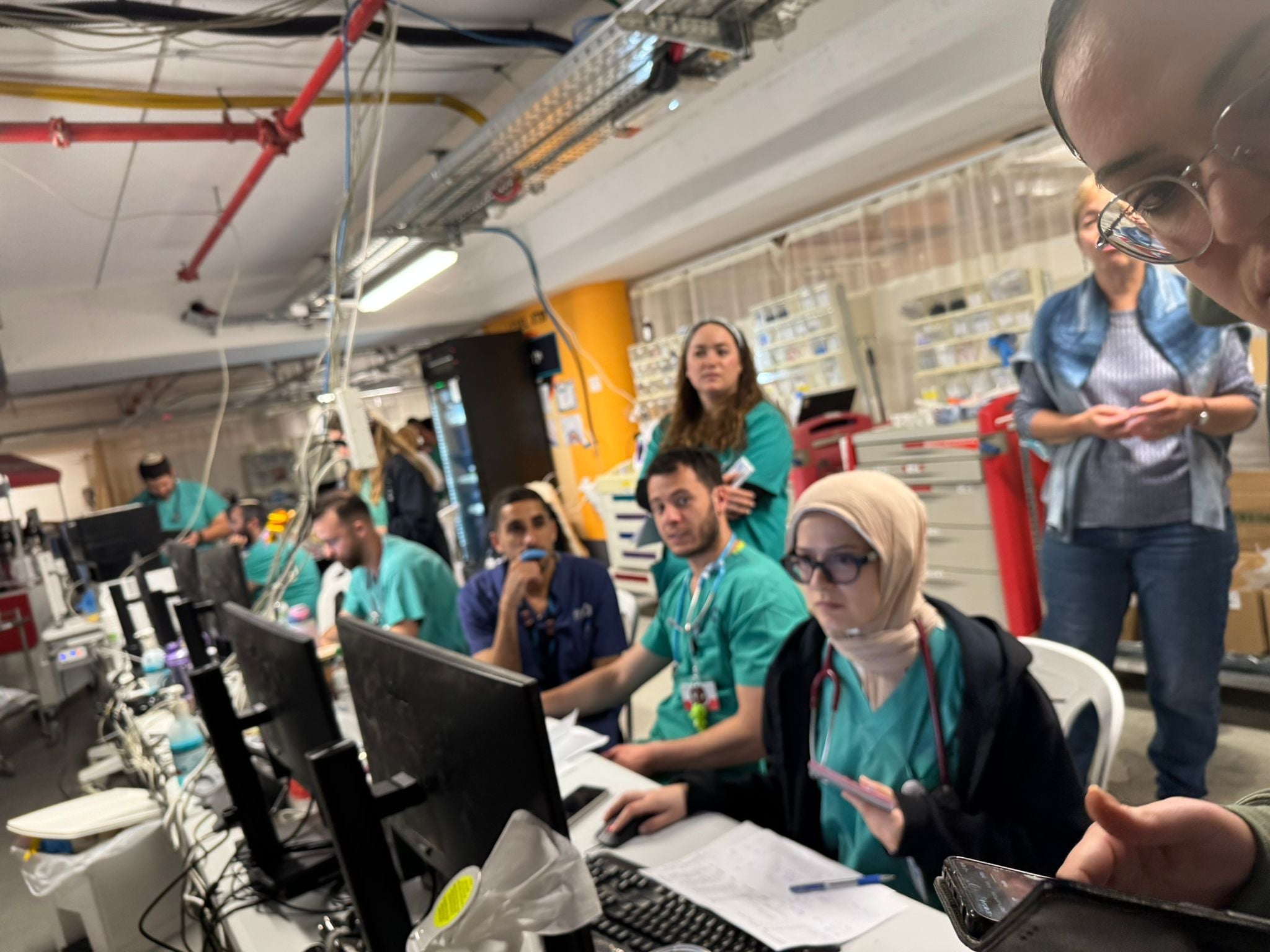
The emergency department and pediatric emergency department now operate in a basement that is not suited for full medical care.
“We have to maintain our ability to treat people, but lives are at risk,” Dudkiewicz said.
The predicament at Hillel-Yaffe reflects the wartime crisis facing medical centers around the country.
With creativity and improvisation, hospitals and other facilities are converting underground parking lots, storage areas, and unused spaces into shelters to protect their patients and staff during the ongoing war with Iran and Hezbollah, which began with joint US-Israeli strikes on Iranian regime targets on February 28. However, increasingly, medical centers are finding they don’t have enough funds to keep their patients safe and are being forced to turn to private donors to pick up the slack.
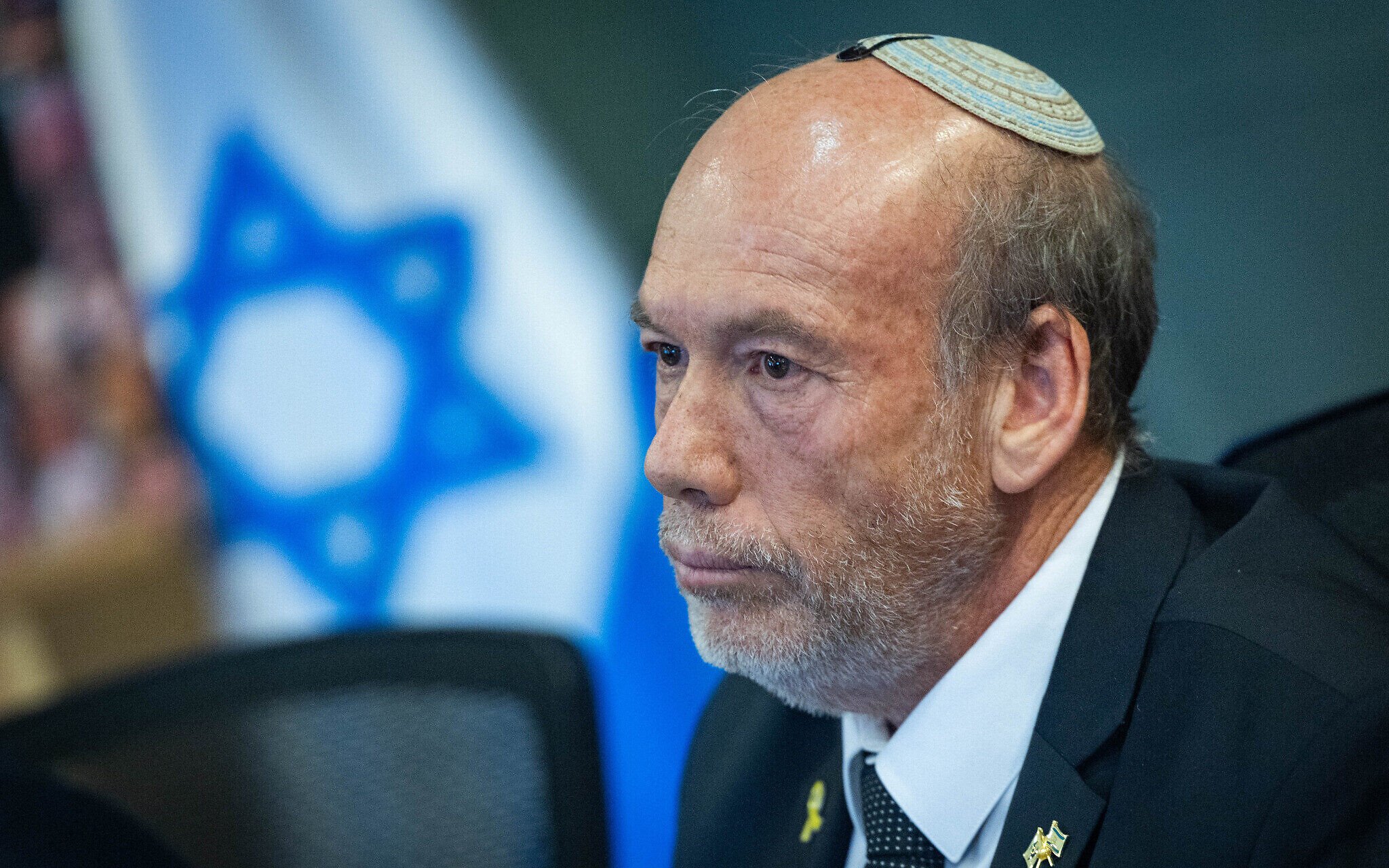
Official Israel is well aware of the scope of the deficit: In a report published in January, State Comptroller Matanyahu Englman found that 56% of inpatient beds and 41% of operating rooms in the country’s hospitals lack standard protective infrastructure.
The situation is even more serious in psychiatric hospitals, where approximately 75% of inpatient beds are unprotected. About 63% of beds in geriatric hospitals lack standard protection.
The comptroller’s report also found that in medical centers near the borders in the north and south, 56% of catheterization and vascular imaging rooms are unprotected.
“Even sites designated as ‘the highest level of protection,’ where hospitals are currently operating, do not in fact meet required protection standards,” the comptroller wrote.
Englman stressed the importance of strengthening protective infrastructure in all hospitals so that they can provide medical services during a prolonged, large-scale war, which is where Israel now finds itself.
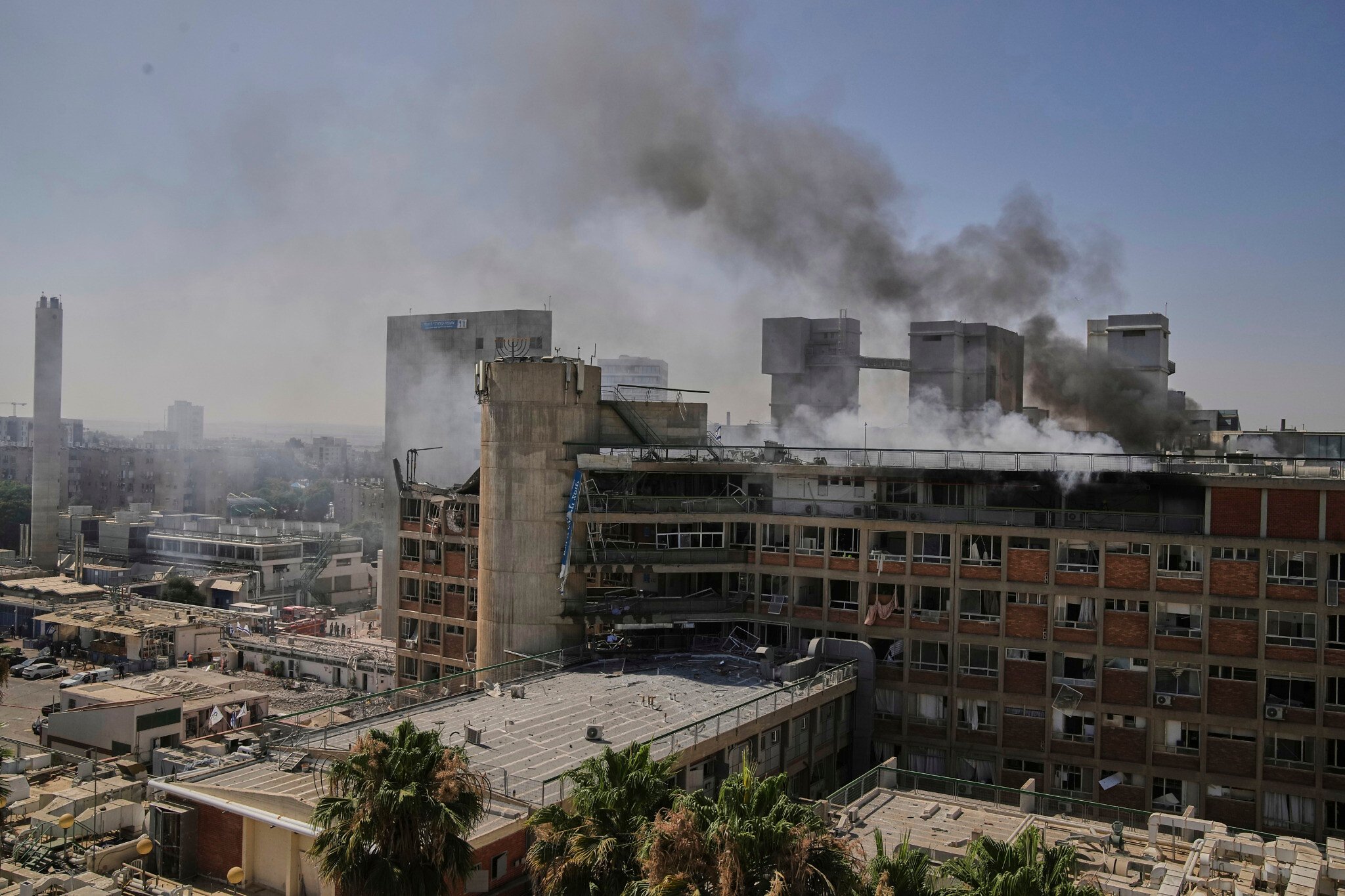
He recalled the Iranian missile strike on Soroka Medical Center in Beersheba during the Iran war last June, which wounded 80 people and wrecked eight operating rooms along with six research laboratories.
“This must serve as a wake-up call for the government,” Englman said. “This is a threat to national resilience.”
Englman estimated that a multi-year framework would cost about NIS 4.8 billion ($1.54 billion). However, last week the government voted to slash NIS 66.6 million ($21.4 million) from the Health Ministry’s budget, a move that prompted an outcry from health experts.
In reply to a Times of Israel query, a spokesperson said the Health Ministry “is working to enable the best medical care while maintaining functional continuity in routine times and emergencies, and to protect hospitals and departments according to need and budgetary considerations.”
The Finance Ministry did not reply to a request for a comment.
‘It’s still not enough’
At Hillel-Yaffe, a protected hospital building originally expected to be completed in 2023 is still in the early stages of construction, Dudkiewicz said, estimating the cost for its completion to be approximately NIS 450 million ($145 million).
He said the Health Ministry has pledged NIS 100 million ($32 million) for the project.
“The ministry sees great value in strengthening Hillel-Yaffe Hospital in light of its location, its distance from other hospitals, and the size of the population it serves,” the hospital spokesperson said.
The ministry “understands our need and wants to give more, but it’s still not enough,” said Dudkiewicz.
After Soroka was hit by the Iranian missile in June, the government said the Beersheba hospital would receive public and private funds totaling over NIS 1 billion ($307,375,000), including a $100 million (NIS 315 million) contribution from Israeli-Canadian businessman Sylvan Adams.
However, to complete construction on new protected buildings, Soroka also held a gala at the Plaza Hotel in New York City in November to raise another $50 million (NIS 157 million).
Dudkiewicz and other hospital directors have also embarked on fundraising campaigns to meet their urgent wartime needs.
A spokesperson for Tzafon Medical Center in Tiberias said its current campaign focuses on life-saving equipment, advanced protection and sheltering solutions, and strengthening “the resilience of our medical teams.”
The spokesperson said that construction and infrastructure development are advanced “through a strong partnership between the Health Ministry and philanthropic support.”
At Jerusalem’s Shaare Zedek Medical Center, a spokesperson said that the hospital is also raising money to cover a spike in expenses during the current crisis.
“It’s obviously more expensive to run the hospital operationally underground,” the spokesperson said.
He said that the information technology, internet communications, and all the patient data systems are now being operated underground, “which is a very significant expense.”
Raising funds for a fortified critical care division
Rambam Health Care Campus in Haifa began constructing an underground hospital in the parking lot “after learning the lessons of the 2006 Israel-Hezbollah war, when there was no protection at all,” a spokesperson told The Times of Israel.
Construction on the facility began in 2010 and was completed in 2014.
“The special thing is the fact that everything is already installed inside the walls and ceilings,” the spokesperson said. “All you have to do is take out the cars, clean, and put in beds.”
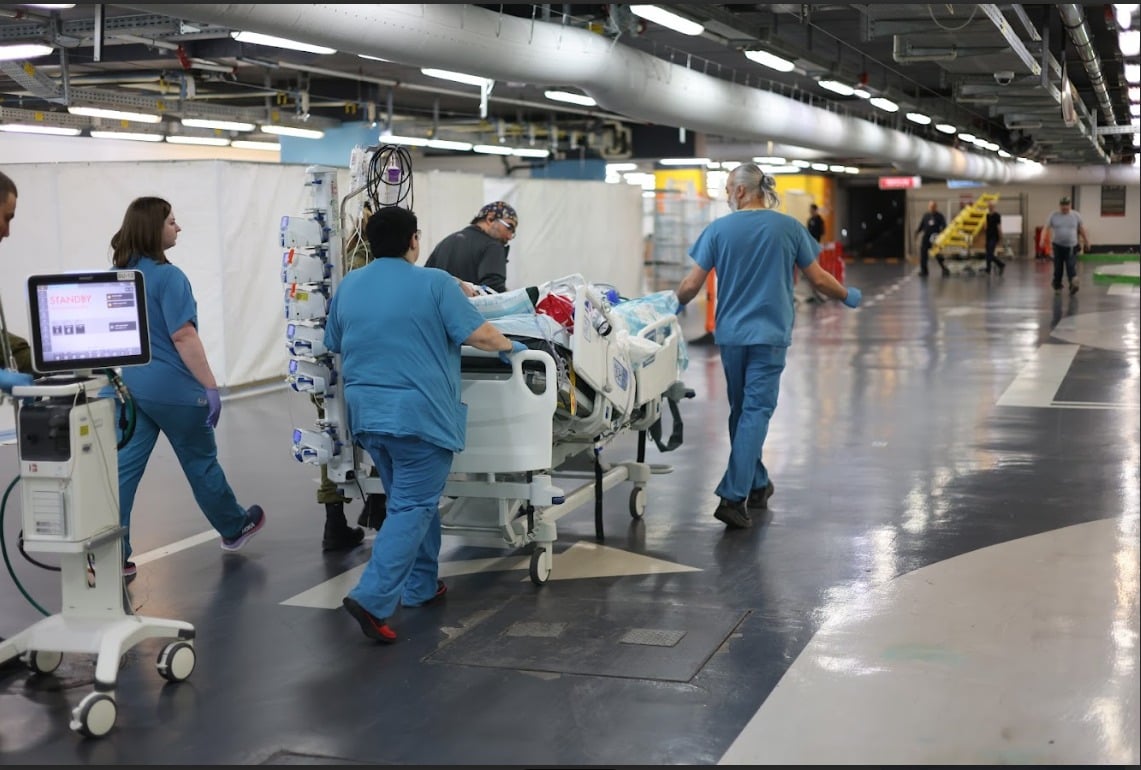
Currently, there are 900 people underground and another 200 in protected wards above ground.
“We have 22 protected operating rooms, so we continue to operate at 80% of capacity compared to routine days,” the spokesperson said.
Yet the hospital has also reached out to donors for help purchasing equipment for its fortified underground emergency hospital and a fortified critical care medicine division.
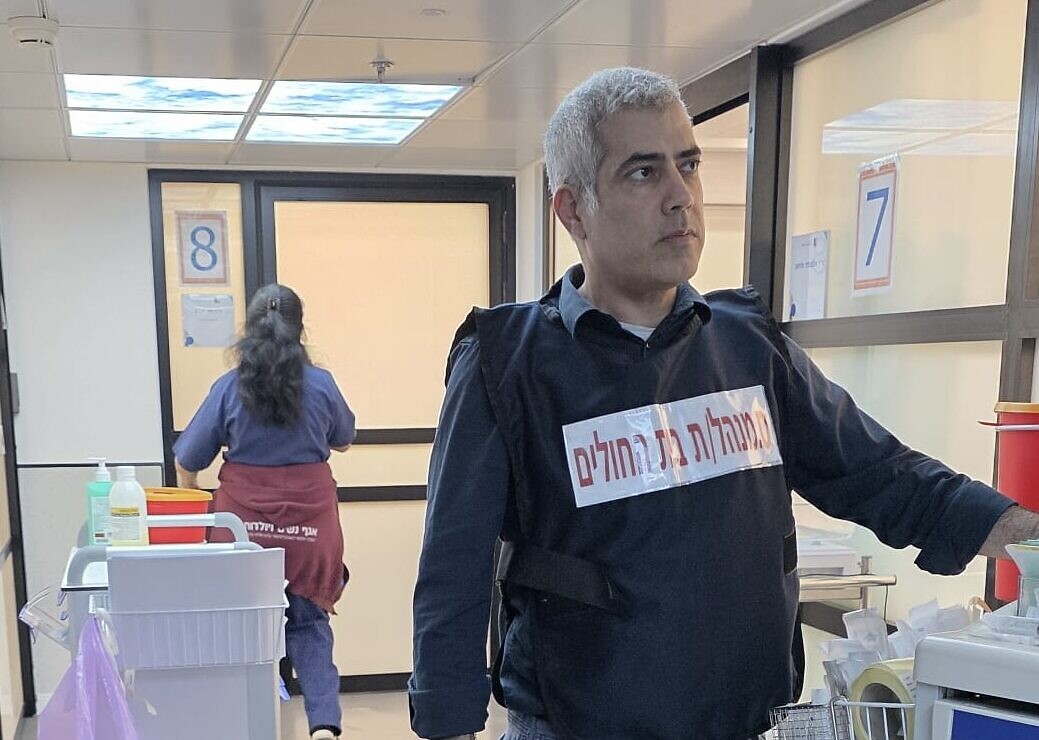
“Hospitals are not designed to be underground,” Dr. Yuval Dadon, Wolfson Medical Center’s deputy general director, told The Times of Israel by telephone. “We know that when staff members and patients stay too long underground, it’s not good for their health.”
Dadon said that since the conflict began, Wolfson has worked to “facilitate and transform storage spaces into highly equipped and capable facilities.”
“Nobody expected that we were going to be bombarded by so many missiles for so long,” Dadon said. “Right now, we are being very creative in finding solutions to continue and provide great health to all our patients. It’s a change in perspective.”







The Times of Israel Community.