

‘Cynicism on steroids’: Experts pan budget cuts in wake of coalition fund increase
Cuts to healthcare, education and science could have been prevented by halting the allocation of billions in coalition funds to ultra-Orthodox schools, says Berl Katznelson Center

 Add ToI as a Preferred Source on Google
Sam Sokol is a former political correspondent at The Times of Israel. He was previously a reporter for the Jerusalem Post, Jewish Telegraphic Agency and Haaretz. He is the author of "Putin’s Hybrid War and the Jews"
The government’s wartime decision to significantly boost the allocation of funds to coalition priorities while simultaneously slashing the budgets of all ministries by 3 percent is likely to harm public health, education and other public services, several experts who spoke with The Times of Israel in recent days have warned.
According to last week’s government decision, in order to boost defense spending by NIS 28 billion ($9 billion) amid the war with Iran, there will be cuts of NIS 84.3 million ($27 million) from the Welfare Ministry, NIS 66.6 million ($21.4 million) from the Health Ministry, and NIS 65.8 million ($21.2 million) from the education budget. They also include cuts of NIS 55 million ($17.7 million) in funding for science, culture and sports.
The cuts immediately led to objections from communities living on the borders with Lebanon and Gaza, who objected to the loss of approximately NIS 150 million ($48 million) “intended to restore and strengthen the frontline areas of the State of Israel.”
It also provoked concern among top public health experts, including Prof. Hagai Levine, the head of the Israeli Association of Public Health Physicians.
“The war is severely harming public health, causing serious disruptions in the supply of medical services, and will require a health rehabilitation plan. Therefore, a budget increase is required, not a horizontal cut,” Levine told The Times of Israel.
The current conflict with Iran follows “two years of difficult war with severe burnout of staff, physical damage to institutions like Soroka [Hospital], a chronic shortage of professional manpower, and low public spending,” he said, arguing that further cuts “mean harming health and human life.”
Levine said there were fears that critical prevention programs will be the ones specifically targeted.

Nadav Davidovitch, chairman of the Taub Center’s Health Policy Program, agreed, stating that the cuts could lead to “significant damage” to health promotion programs and to the implementation of the so-called Tama 49 plan for updating and expanding Israel’s public health system by 2048.
Both Levine and Davidovitch have previously warned that the Israeli health system, already stressed by the war, was not being properly managed due to last year’s decision to appoint Tourism Minister Haim Katz to head the Health Ministry, a move that left it without a full-time chief.
Several additional ministries are currently also being run by either Katz or Justice Minister Yariv Levin, drawing criticism from the opposition.
The decision to implement across-the-board budget cuts came only days after the government approved the inclusion of over NIS 5 billion ($1.6 billion) in discretionary coalition funds for Haredi institutions, West Bank settlements and other party priorities in the 2026 state budget.
Coalition funds are money allocated in the budget-planning process based on agreements struck between the parties during coalition negotiations over the formation of the government.
“The government could have waived this entire cut had it given up the coalition funds,” Aviad Houminer-Rosenblum, the deputy director of the Berl Katznelson Center, told The Times of Israel.

“But even after three years of war, and while fighting Iran and facing a major social crisis, the government’s priorities continue to be ultra-sectoral, favoring ‘the base’ over the public good,” he said.
According to last week’s government decision, the coalition funds will be curtailed by NIS 150 million ($48.3 million).
While the beleaguered educational system’s budget is being cut, NIS 75 million ($24.3 million) in coalition funds will flow to ultra-Orthodox “recognized but unofficial schools,” which commit to teaching 75 percent of the curriculum and receive 75 percent of the funding of state schools — while so-called exempt schools, which receive about 55 percent of the funding allocated to state schools provided they teach 55 percent of the core curriculum, will receive NIS 32 million ($10.3 million).
This is a significant long-term problem for Israel’s continued existence, argued Prof. Dan Ben-David, the head of the Shoresh Institution for Socioeconomic Research and a senior faculty member in the Department of Public Policy at Tel Aviv University.
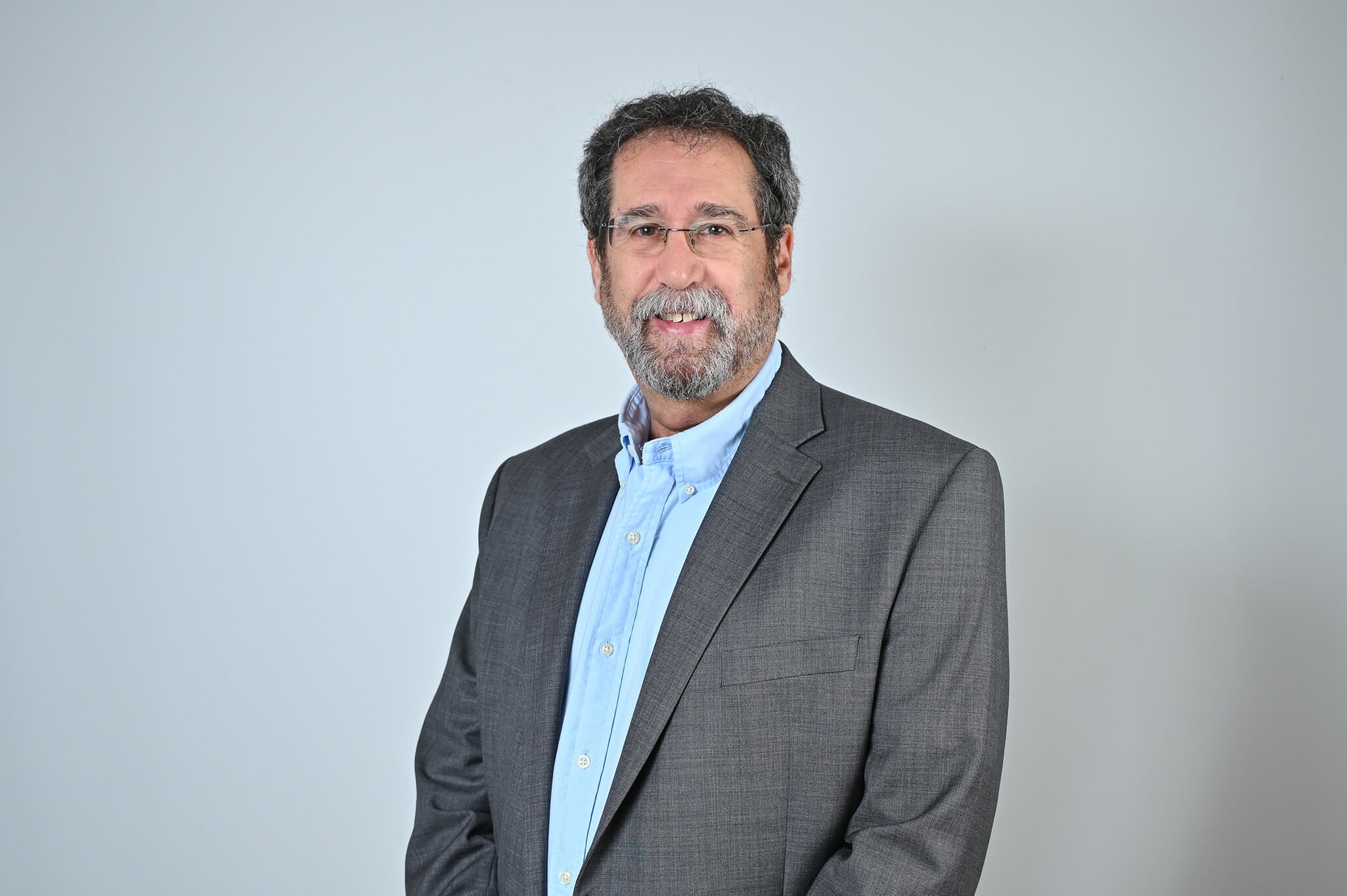
“During the past three years, Israel’s science and technology have literally saved the country” but Israeli students “are scoring below nearly all OECD countries in the core subjects,” with fully half of Israel’s children falling behind even “many third-world countries,” he said,
“When these children become half of the adults, and eventually, the majority, they will not be able to maintain a first-world economy — which means that they will not be able to support the first-world army needed to defend Israel. That is an existential problem that Israel is careening headfirst toward with its eyes wide open,” Ben-David argued.
“You would think that a government’s role is to ensure their children and grand-children’s survival, but what we are witnessing is a government that is not just ignoring its education system, its budget proposal for this year actually reduces spending on education and healthcare.”
He bemoaned that this was happening at the same time the government was spending millions on the ultra-Orthodox, just because they prop up the coalition.
“These are the same Haredim who are denying their children the math, science, technology, English and other knowledge that they will need to ensure their own physical survival in the future — not to mention the rest of the country’s,” he said, calling it “a display of governmental narrow-mindedness and cynicism on steroids.”










The Times of Israel Community.