

As more women head to war, IDF uniforms designed for men expose female troops to risks
The army’s one-uniform-fits-all approach means a fifth of combat soldiers are operating in clothes, vests and other gear unsuited to their physiques, harming safety and effectiveness
 Add ToI as a Preferred Source on Google
Tal Schneider is a Political Correspondent at The Times of Israel
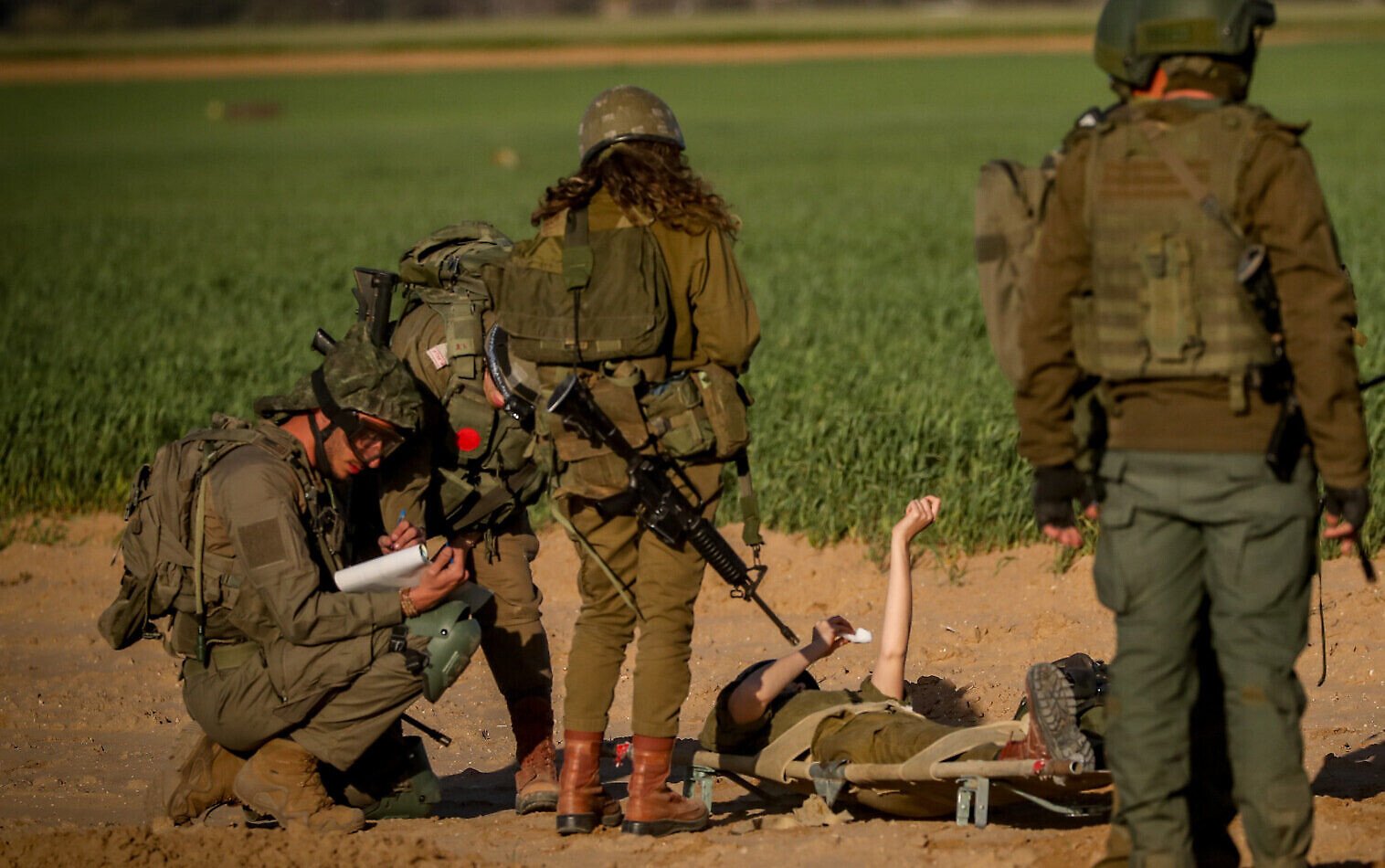
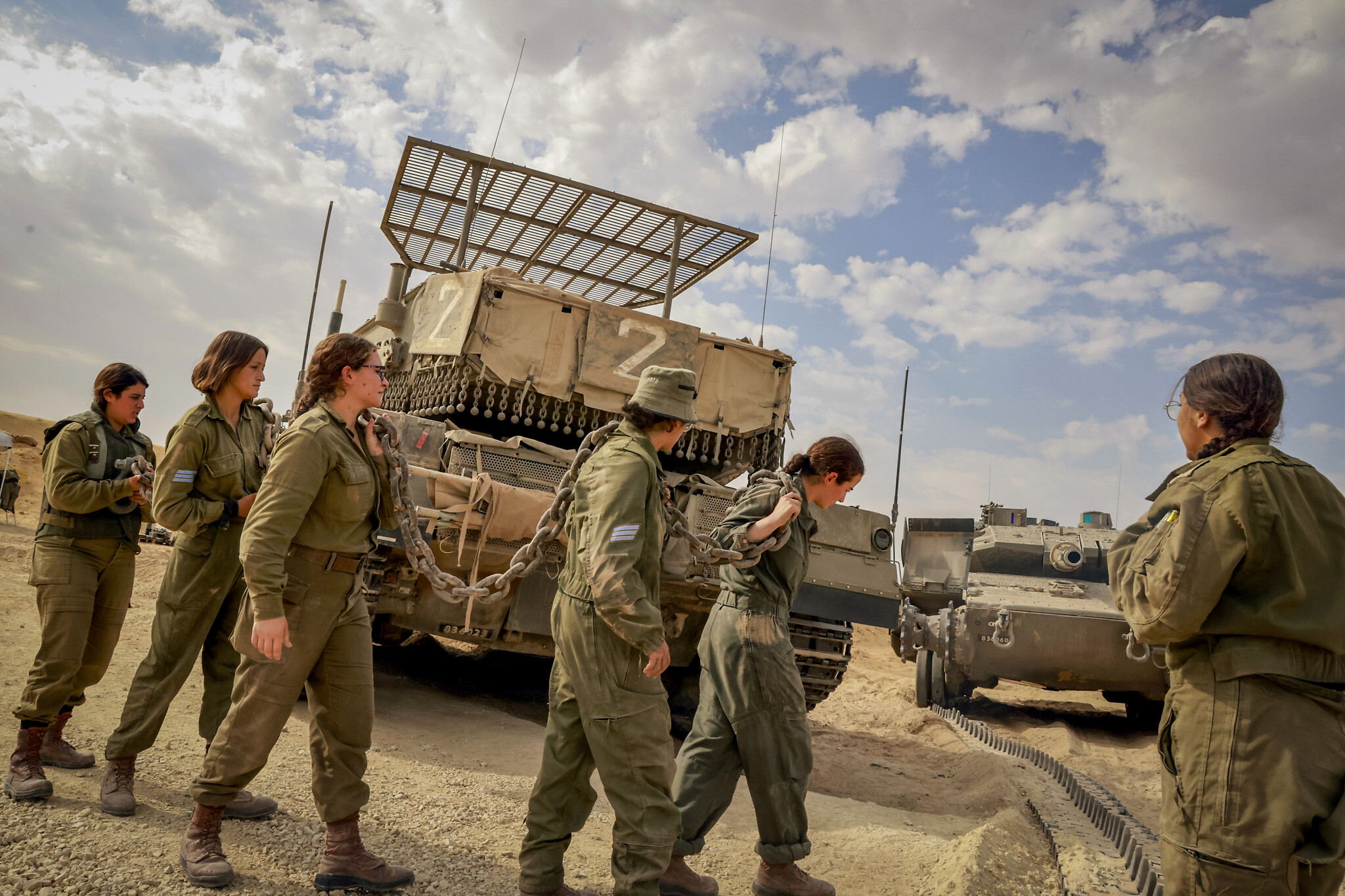
In recent years, women have defied tradition by making inroads into nearly every aspect of military service, from combat activity to operating tanks. But one facet of army life remains a poor fit: the uniforms, boots and tactical equipment made for men that the military still insists women use when serving.
According to the Israel Defense Forces, as of 2024, over one in five combat soldiers was female. But women in the army continue to receive gear designed for the male physique, albeit in smaller sizes. Cuts aren’t made to suit the female body, and in many cases, alteration or customization isn’t an option.
Despite acknowledging a sharp rise in the number of female combatants, the IDF has yet to design battle gear for them, lagging behind other militaries around the world that have taken measures to clothe their women soldiers.
The problem goes beyond comfort or looks, say industry experts. Ill-fitting protective vests or helmets can leave female troops exposed to danger, heavier gear can subject their bodies to unneeded wear and tear, and awkwardly cut uniforms can reduce mobility.
Gear that’s made for the female body structure can directly improve accuracy in hitting targets, reduce the risk of injuries during training, and provide better protection against shrapnel.
“There needs to be a serious conversation about female-specific gear, making all necessary adjustments to ensure maximum protection on par with male soldiers and also to ensure that women can perform their missions without reduced capability due to ill-fitting equipment,” said Gali Norkin, an executive at the Israeli brand Source Tactical Gear, which makes female-specific protective vests adopted by other armies, though not the IDF.
With uniforms, the problem starts with the basic design. Standard on-base uniforms fit women like a sack in the crotch area, there’s no tailoring for the waistline, the sleeves are disproportionately long as women’s arms are generally shorter than men’s.
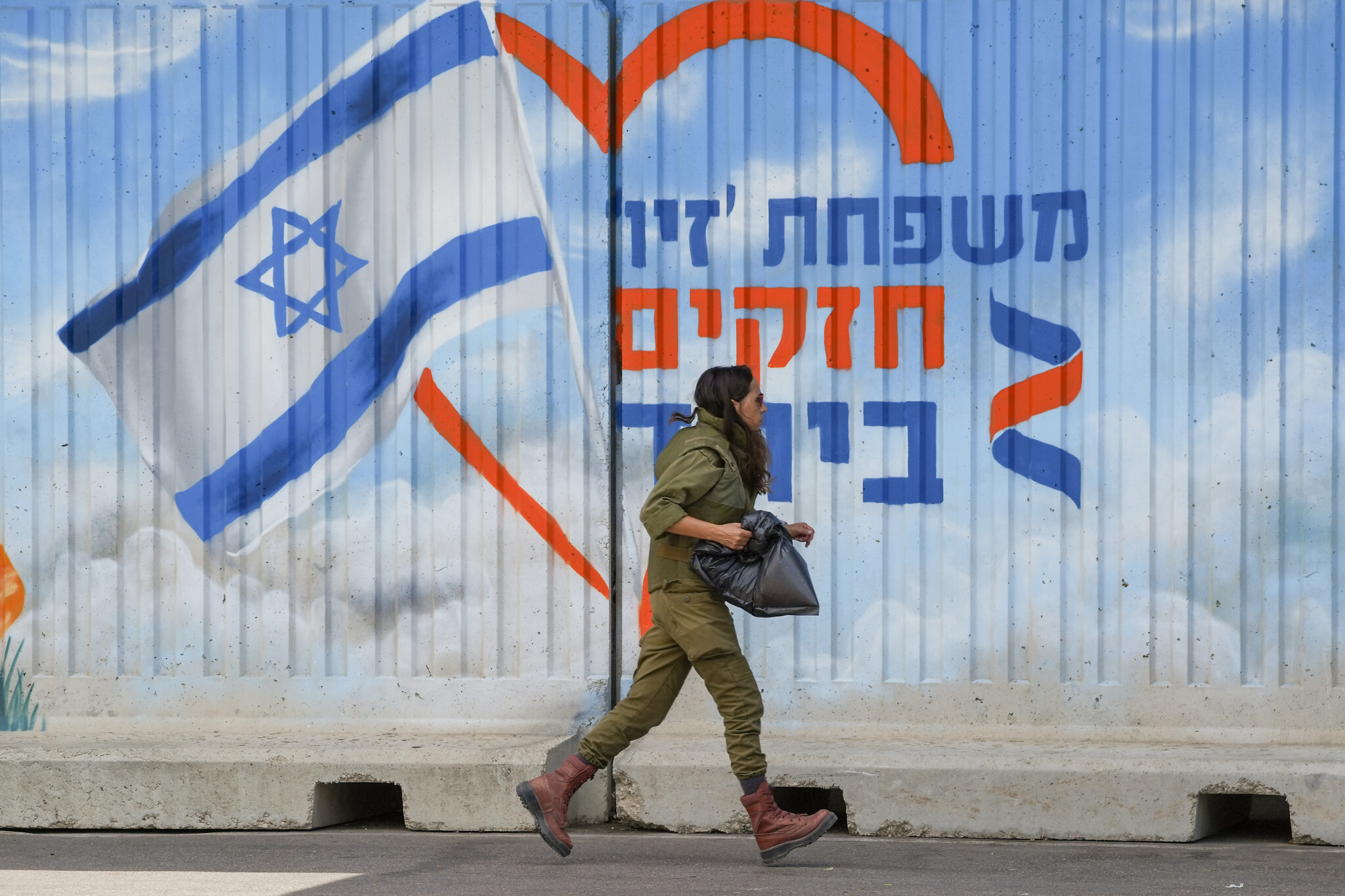
Parents of female IDF soldiers are used to taking them in for alterations when they’re home for the weekend. Almost every neighborhood in Israel has a tailor or seamstress hemming and stitching for a steady stream of young female soldiers. When the uniforms inevitably tear and fray, and a new set is issued, the tailoring has to be repeated.
Asked by The Times of Israel whether she’d requested uniforms designed for her body and whether her boots were comfortable, one female soldier casually replied, “Why bother? I manage, it’s fine.”
The response isn’t unusual — it reflects the attitude of many female combat soldiers. They’ve reached their demanding positions after overcoming resistance at home, sometimes withstanding direct criticism from their parents and mockery from their friends. In some high-profile cases, female soldiers had to fight their way into the IDF with the help of a lawyer and a High Court petition.
Such petitions and internal IDF debates have mostly focused on whether women are capable of meeting the standards required for combat roles. Discussions have centered around differences in muscle mass and the ability to climb walls, charge forward, and carry heavy loads.
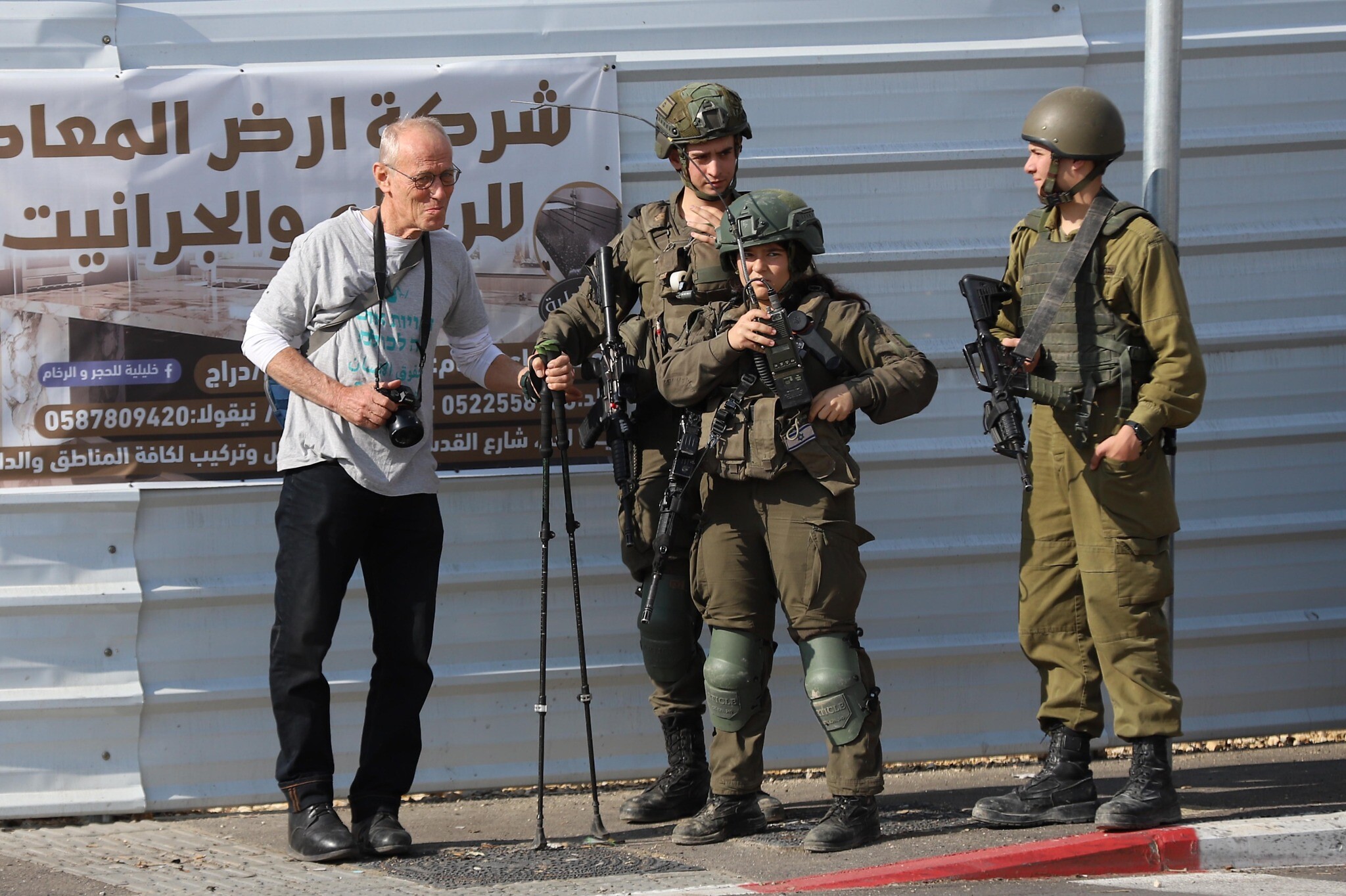
But consideration is rarely given to the question of whether female troops’ experiences during training could be improved by tailoring equipment to their physical specifications.
At a recent Knesset meeting, Maj. Sapir Barabi, a top officer in the IDF’s Human Resources Directorate, revealed that the number of female combat soldiers had increased tenfold from 2012 to 2024.
“Today, women make up 20.9% of the IDF’s combat force — that’s an unprecedented figure,” Barabi said. “We’re also seeing growth in technological units, but the biggest spike is in female combatants.”
One cut fits all
Until a few years ago, most IDF combat soldiers received standard on-base uniforms upon induction — a shirt with front pockets and cargo pants made of thick, durable fabric. These uniforms are still used in most units, but over time, a new model was introduced: tactical uniforms.
When the IDF launched its pilot program for tactical uniforms — first in special units, later expanding to all field units — it wrote on its website that these were “survival uniforms. They’re made from special fire-retardant fabric that self-extinguishes in the event of a fire.”
In addition, they wick away sweat and maximize comfort — clear advantages in the field.
Female soldiers in the IDF receive the same uniforms as male soldiers, but in smaller sizes. The cut, however, is identical to the men’s.
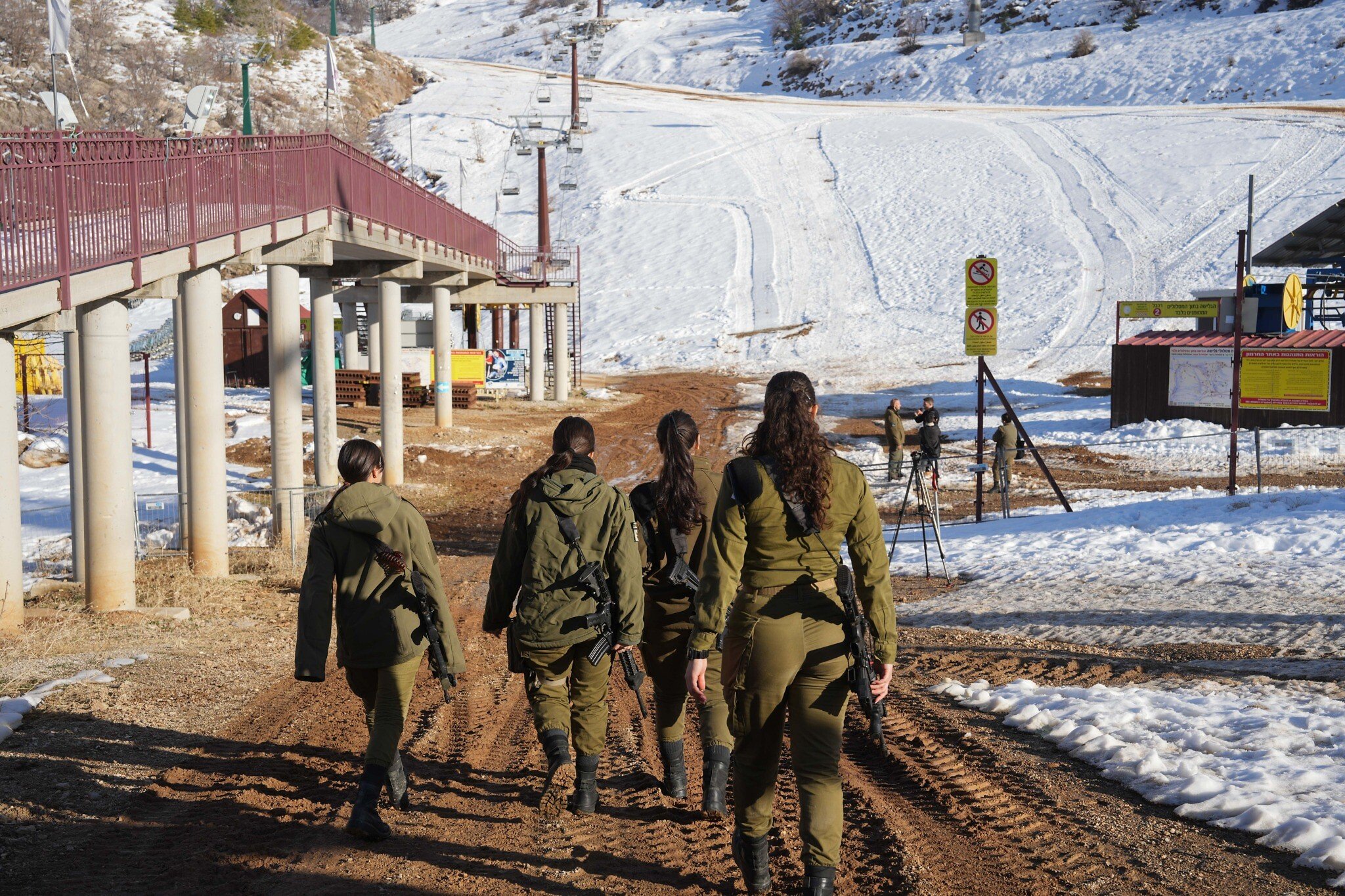
The large on-base uniform pockets add weight on the chest, the sleeve proportions don’t fit, the shirt is too wide at the waist and tends to ride up from the pants, while the overall structure doesn’t suit a female body. The same is true for the tactical uniforms — the cut is the same as the men’s.
The IDF Spokesperson’s Unit confirmed that though uniforms come in 10 sizes, the cuts are standardized. In rare cases, a spokesperson said, soldiers for whom the available sizes are too small or too large may receive custom-tailored uniforms through a designated IDF sewing unit.
The Beit Jann group’s Maquette, the largest civilian supplier of uniforms to the IDF, confirmed that today’s uniforms are not cut differently for male and female soldiers — everyone receives the same model. Only dress uniforms for career officers are given gender-specific cuts.

“For [the new] tactical uniforms, we’re still in the development and adaptation phase, but as of today, there are no uniforms distributed that are dedicated for women,” said Maquette CEO Kanj Kablan. “With on-base uniforms, there’s no women’s cut — just the regular design we’re all familiar with, the cargo-style uniform. These are distributed to both male and female combat soldiers. In dress uniforms and formal uniforms for career soldiers, there is a distinction between male and female cuts.”
Combat uniforms tailored to the female body already exist in other militaries around the world. For example, the US military has a version of tactical uniforms in which the upper body includes specialized elements for female protection.
Vested interests
A few years ago, the Israel Police released a video announcing the introduction of new protective vests developed specifically for female officers.
According to the police, the vest was created by the Operations and Policing Division and includes a soft protective layer against gunfire and knife attacks — threats that characterize the environments in which female officers often operate. Additionally, the ceramic components were reduced in weight by about 20%.
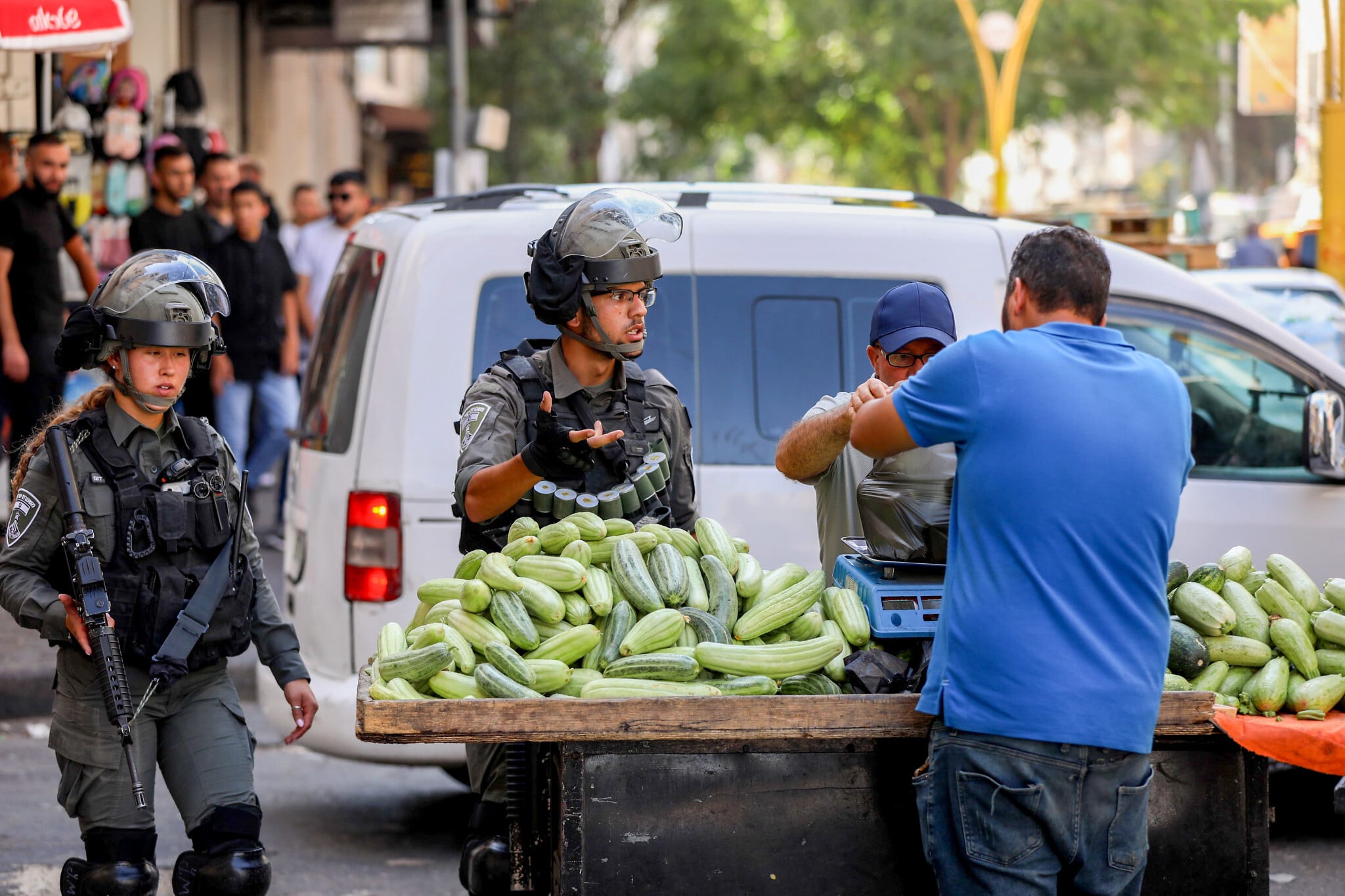
But in the army, female soldiers are still issued the standard male-designed combat vest, an IDF spokesperson said. Only ceramic plates are adjusted, making them shorter to suit women’s anatomical structure.
Marom Dolphin, the IDF’s main vest supplier and manufacturer of the Amran vest, a modular tactical ballistic vest meant to stop bullets and shrapnel, confirmed that the protective gear is one gender fits all.
The company’s CEO, Arik Elazar, told The Times of Israel that all recruits now receive new gear upon enlistment and that an upgraded version of the Amran vest has been developed — one that fits the body better, allows greater mobility, and includes a quick-release mechanism.
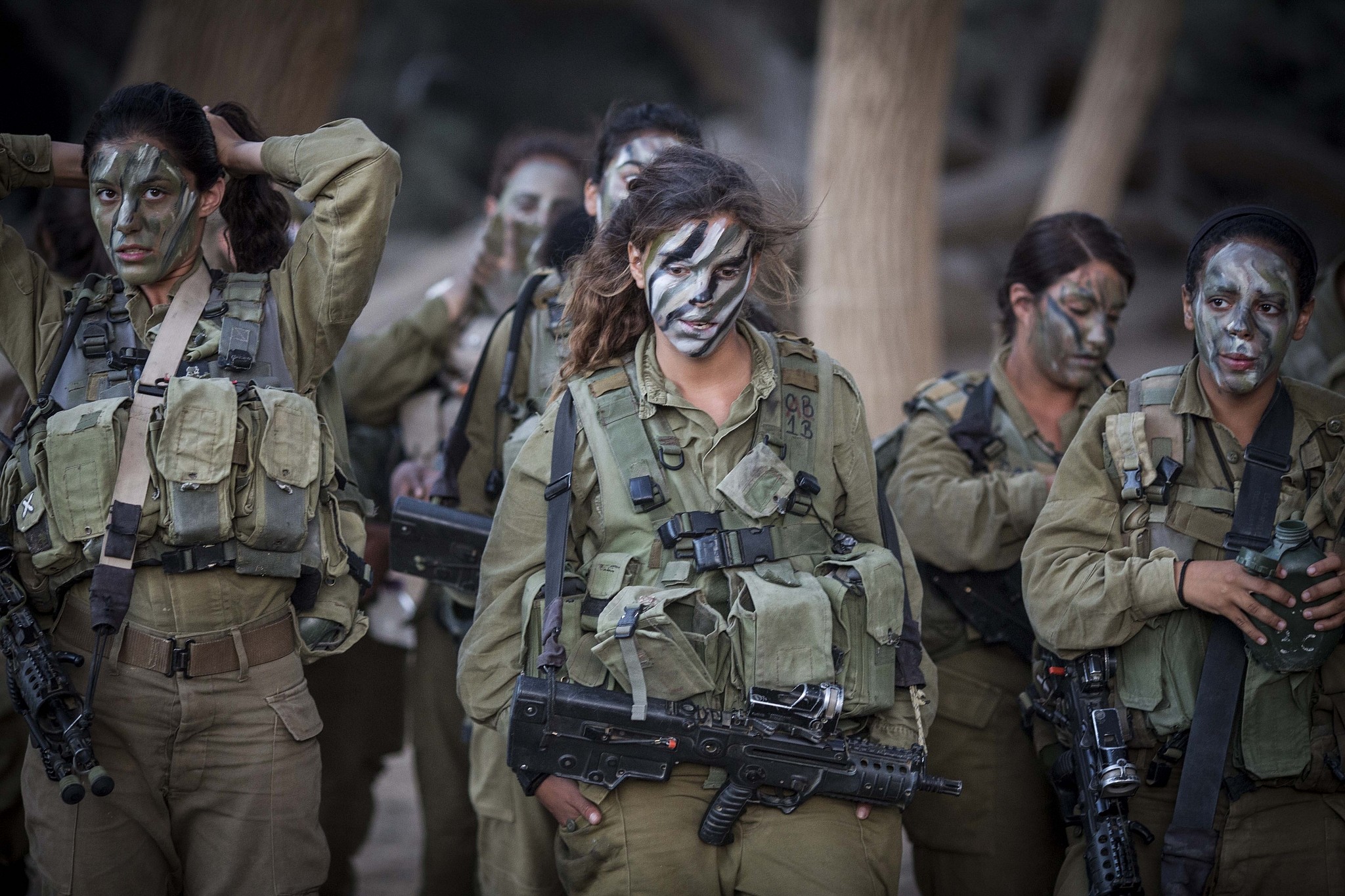
According to Elazar, there is also a women-specific version — “Amran for Women” — developed based on IDF specifications. The adaptations, as confirmed by the IDF, focus mainly on sizing — primarily the inclusion of smaller-sized ceramic plates.
However, Source, another gear company that supplies vests to militaries worldwide, including in the UK and Cyprus, revealed that an improved version of the protective vest designed specifically for women does exist — though the IDF has not yet adopted it.
Source Tactical Gear — a sister company of the veteran Israeli brand known locally as Shoresh, which makes popular shoes and backpacks — conducted a comprehensive study of 55 female combat soldiers from various IDF units. The study included in-depth interviews, focus groups, and open discussions aimed at understanding female soldiers’ experiences with the gear provided to them by the IDF.
The data revealed that 98% of participants said they were not measured before being issued a combat vest. The same percentage reported that they were offered only a single vest size.
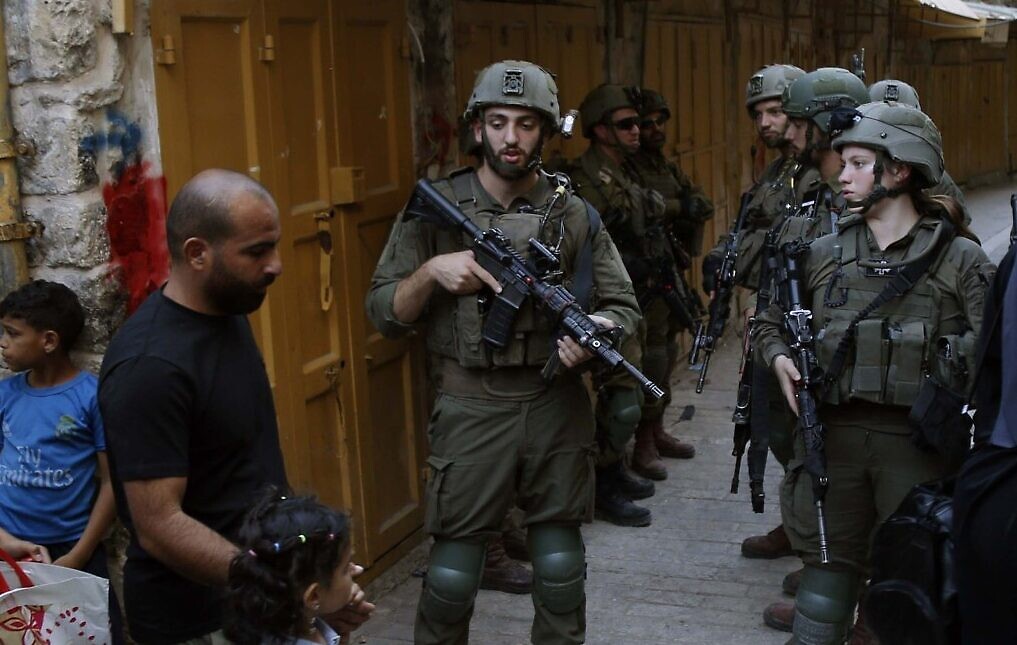
When asked whether the vest fit them, 90% said no, and only 10% said yes. Among those who found the vest unsuitable, 10% were able to exchange it, 57% had to make their own modifications, and 33% continued to use it despite stating it didn’t fit.
Following the findings, Source developed a dedicated protective vest for female combatants and won a UK government tender to supply female-specific vests to the British Army as part of the Virtus project.
In the new vest design, part of the area between the shoulder and chest has been shaved off to expose the shoulder recess, allowing for more comfortable weapon carrying. In addition, a compressed ballistic panel was developed to address the issue of partial chest protection in female soldiers — an issue that arose from the use of flat panels that did not properly contour to the female chest. The new panel was designed to provide better coverage of the chest and its sides, significantly improving protective effectiveness for the female body.
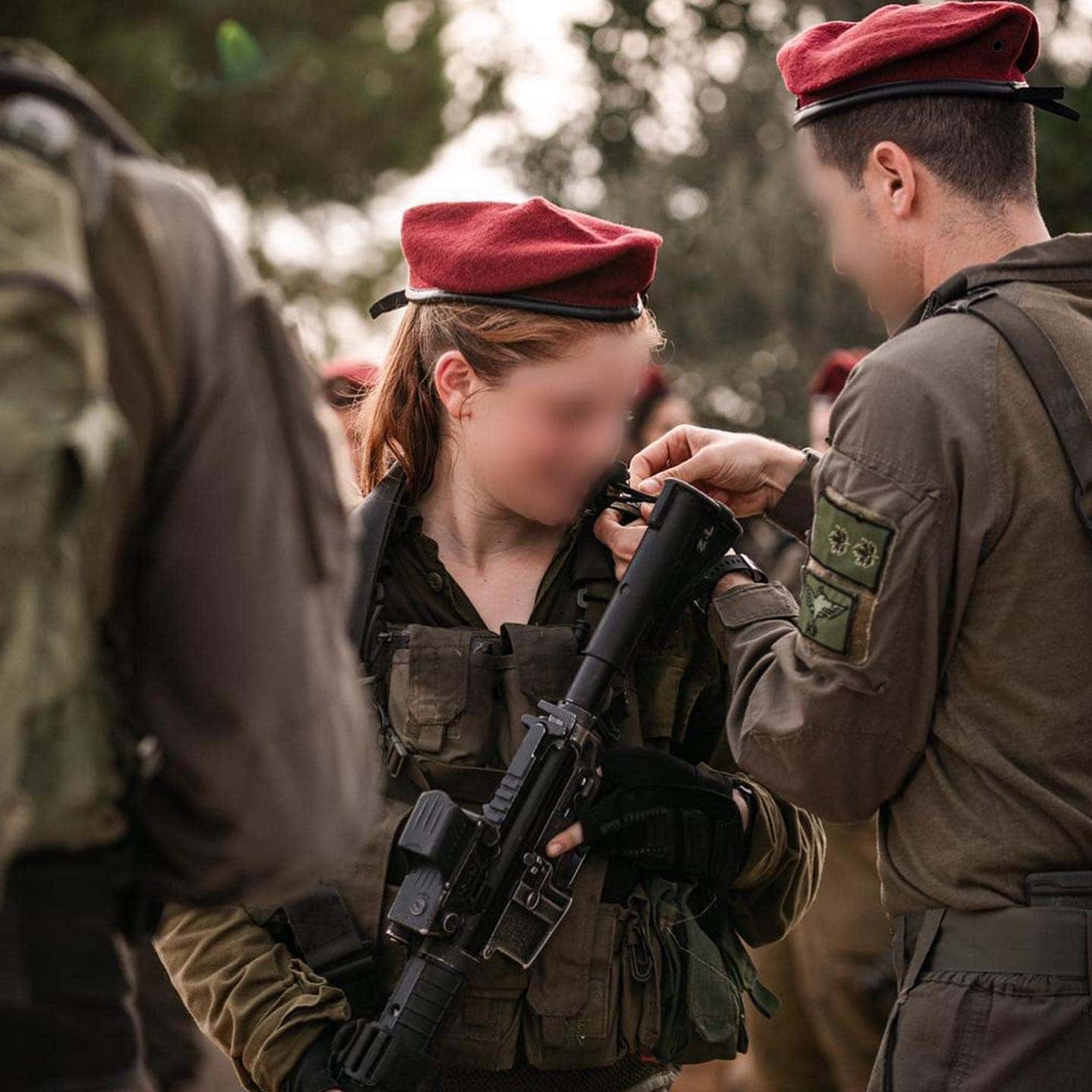
Norkin, who is vice president of program management at Source Tactical Gear, told The Times of Israel that while the company mainly supplies uniforms, vests, and protective equipment to foreign militaries, it also supplies some items to the IDF.
“In other countries, steps have been taken to adapt vests to the female body,” Norkin said. “It’s not just about offering a small or extra-small vest — it’s about structural changes to the vest, and perhaps more importantly: to the ballistic protection inside it.”
Norkin explained that body protection consists of two facets: the first is hard armor, commonly referred to as a ceramic plate; the second is soft armor, designed primarily to protect against shrapnel. The majority of injuries sustained by male and female soldiers alike are caused by shrapnel rather than direct gunfire, which calls for a rethinking of how to protect female bodies and how to tailor all protective gear accordingly.
“A hard plate inserted into a ‘male’ vest doesn’t fit the upper body of a woman,” Norkin said. “The plates choke them, crush the chest. Gaps are created between the plate and the body, and these gaps are ballistic weak points through which a bullet or shrapnel could penetrate. This isn’t just about discomfort or reduced operational effectiveness — it’s inferior protection compared to what male soldiers receive.”
According to Norkin, Source proposed that the IDF adopt gear tailored to the female body, presenting specially cut plates and soft armor designs adapted to women’s body shapes.
The US Army began producing and distributing women-specific protective vests as early as 2021. The vests, protective shirts, and even specially designed groin protection were developed and distributed to female soldiers following research and development by PEO Soldier, a US military office responsible for designing field gear tailored to the needs of male and female soldiers in combat.
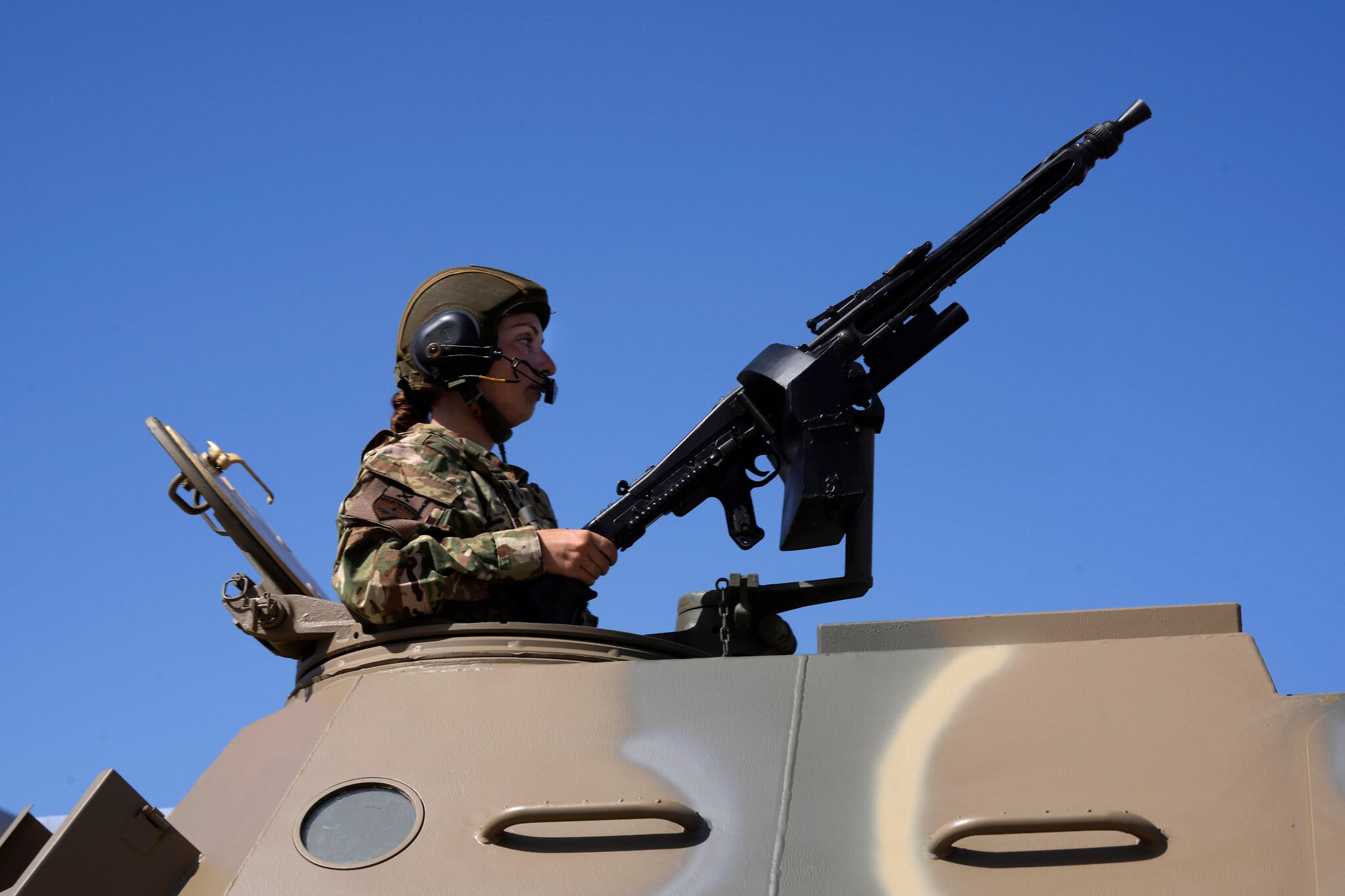
As for helmets, in Israel, the issue hasn’t been addressed. By contrast, the US military developed a helmet that sits more comfortably on women’s heads, taking into account long hair and the need to tie it back so it doesn’t get caught in the helmet straps or structure.
For context, around 3,800 women serve in combat roles in the US military. Across all its branches, women make up about 16% — a significantly lower figure than in the IDF, where mandatory conscription applies to all non-religious women.
One small step for womankind
According to a response issued by the IDF Spokesperson’s Unit, “The IDF places great importance on improving the equipment provided to its personnel, both women and men.”
“In light of the combat operations and the increase in the number of female combatants, a staff project is underway to improve service quality and experience for women across the military and particularly in combat roles. This is in addition to many steps taken in the past to better serve women,” the statement continued. “The claim that combat service for women is significantly impaired by the uniforms they receive is incorrect. Eligible female combatants are issued tactical uniforms tailored to their sizes.”









The Times of Israel Community.