

At memorial, Netanyahu compares own peace efforts to Rabin’s
PM says slain leader who signed landmark Oslo Accords ‘strove for peace’ yet ‘never took his eyes off the dangers we face’; hails ties with Trump
 Add ToI as a Preferred Source on Google
Tamar Pileggi is a breaking news editor at The Times of Israel.
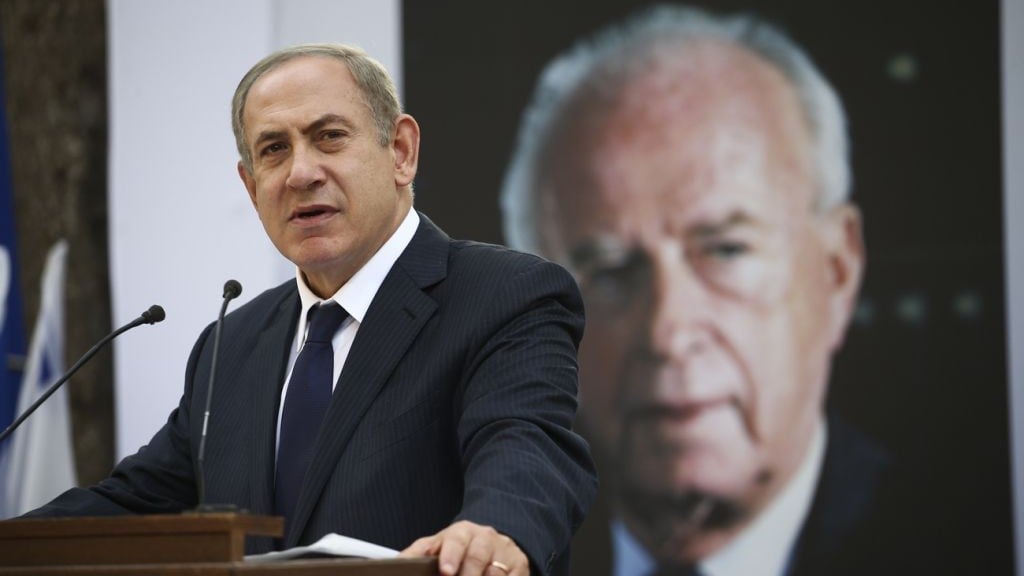
Prime Minister Benjamin Netanyahu on Sunday hailed the legacy of slain prime minister Yitzhak Rabin, and likened the landmark 1995 peace deal Rabin brokered with the Palestinians to his own government’s efforts to renew deadlocked peace talks.
Addressing the state memorial marking the 21st Hebrew anniversary of Rabin’s murder, Netanyahu noticeably avoided the partisan, political controversy surrounding the 1995 assassination, including claims his own rhetoric led to the murder, and instead focused the bulk of his remarks on the late prime minister’s “fierce” pursuit of peace and the global threat of Islamic extremism.
“Rabin strove for peace, but he also recognized the unwillingness of many Palestinians to make peace,” Netanyahu said, adding that the late prime minister “never for a moment took his eyes off the dangers we face.”
“He understood early on that security was the cornerstone of our existence, and often spoke of the threat of radical Islam faced by Israel and the rest of the free world,” Netanyahu said. “Today we still face that same threat, but it is even greater now than during Rabin’s time.”
Despite these regional threats, Netanyahu said Rabin “fiercely” continued to extend his hand in peace.
“I have also extended my hand in peace, but time after time the Palestinians refuse to engage in peace talks or recognize a Jewish state within any borders,” he said.
During the speech, Rabin’s daughter Dalia Rabin could be seen rolling her eyes.
The 1995 Oslo Accords, signed by Rabin’s government and seen as a major steppingstone toward an eventual peace deal, created the Palestinian Authority, for the first time giving the Palestinians autonomy and creating a pathway toward eventual statehood.
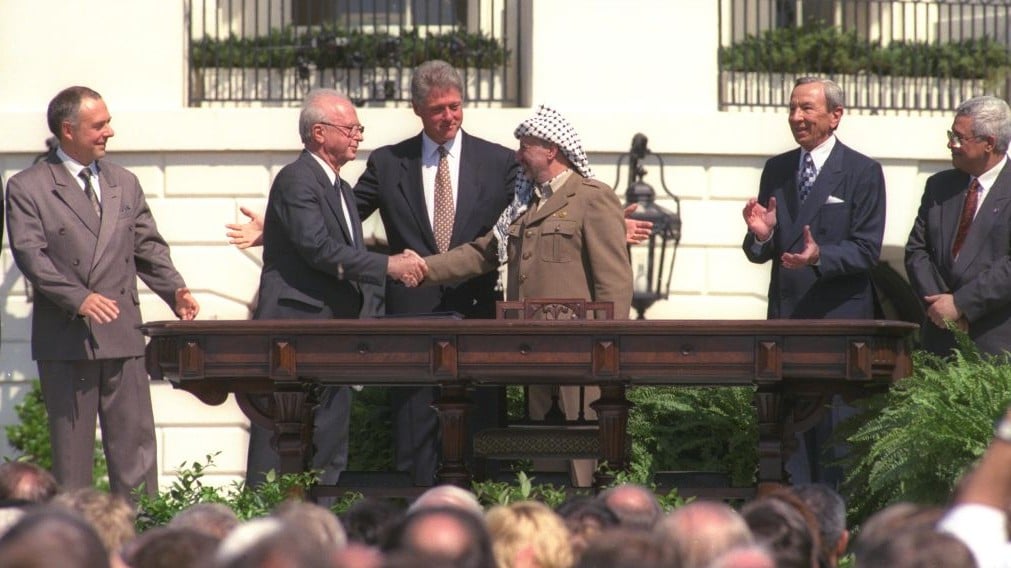
The groundbreaking agreement was seen as dangerous by the Israeli right, including Netanyahu, and Rabin eventually paid with his life when far-right extremist Yigal Amir shot and killed him at a peace rally in Tel Aviv on November 4, 1995.
During Netanyahu’s last seven years in office, at least two attempts at peace talks have fallen apart without an agreement, though the Israeli leader maintains he is open and willing to engage in talks without preconditions.
However, many critics see his right-wing dominated government as an impediment to peace talks and view Netanyahu as not only the polar opposite of Rabin, but partially responsible for his murder.
After Rabin’s murder, some castigated Netanyahu and other right-wing leaders for contributing to the incendiary political climate that led to the assassination.
In the weeks before his assassination, Netanyahu and other senior Likud members attended a right-wing political rally in Jerusalem where protesters branded Rabin a “traitor,” “murderer” and “Nazi” for signing a peace agreement with the Palestinians earlier that year.
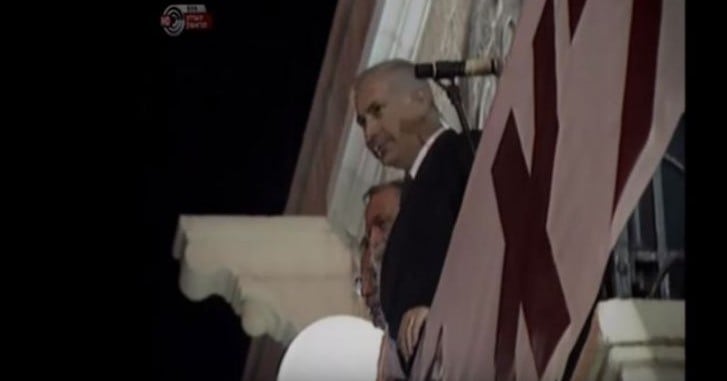
Critics say Netanyahu — who stood with other right-wing politicians on a balcony above Zion Square as the protests unfolded beneath him, and who also marched in a Ra’anana protest as demonstrators carried a coffin behind him — ignored inflammatory rhetoric that incited to Rabin’s murder.
On Saturday, Netanyahu rebuffed allegations that he contributed to the anti-Rabin incitement in a video posted to his Facebook page.
In the post, Netanyahu denounced the “shocking political assassination” of his former political rival, and said he was the victim of “attempts to distort the historical truth and attribute the incitement that preceded his murder.”
Last week, Netanyahu came under fire from left-wing and centrist lawmakers after he failed to condemn a claim by fellow Likud MK and coalition chairman David Bitan that Rabin’s assassination was “not political.”
At the memorial event, the prime minister said Rabin’s legacy must focus on his lifetime of accomplishments for Israel, and not just on his murder.
“I am concerned about that the story of Yitzhak’s life will always stand the under the shadow of its tragic final moments,” Netanyahu said. “But that’s not the whole story. Every boy and girl, even those born after his death, need to know of all of the accomplishments of Yitzhak Rabin.”
“The scar that remains from the murder of Yitzhak Rabin will remain for generations, and will not be erased,” he said. “It is an event that is etched in the hearts of our people.”
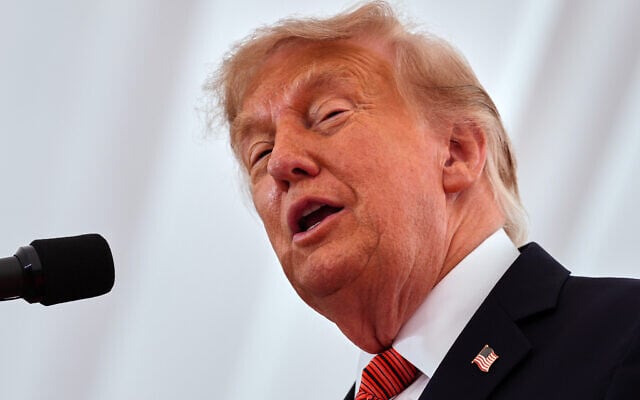
At a later memorial event at the Knesset, Netanyahu spoke of Rabin’s role in forging strong ties with the US, which he said would continue under Donald Trump after he takes office as the next US president.
“I thank President Obama and look toward the future,” he said. “Donald Trump is a true friend of Israel. I look forward to visiting Washington and working together with him to strengthen both countries.”






The Times of Israel Community.