

Behind closed doors, Likud officials blame Netanyahu and think about what’s next
Party officials feel the PM’s political career is nearing its end, but they’re keeping quiet, at least for now

 Add ToI as a Preferred Source on Google
Shalom Yerushalmi is the political analyst for Zman Israel, The Times of Israel’s Hebrew current affairs website
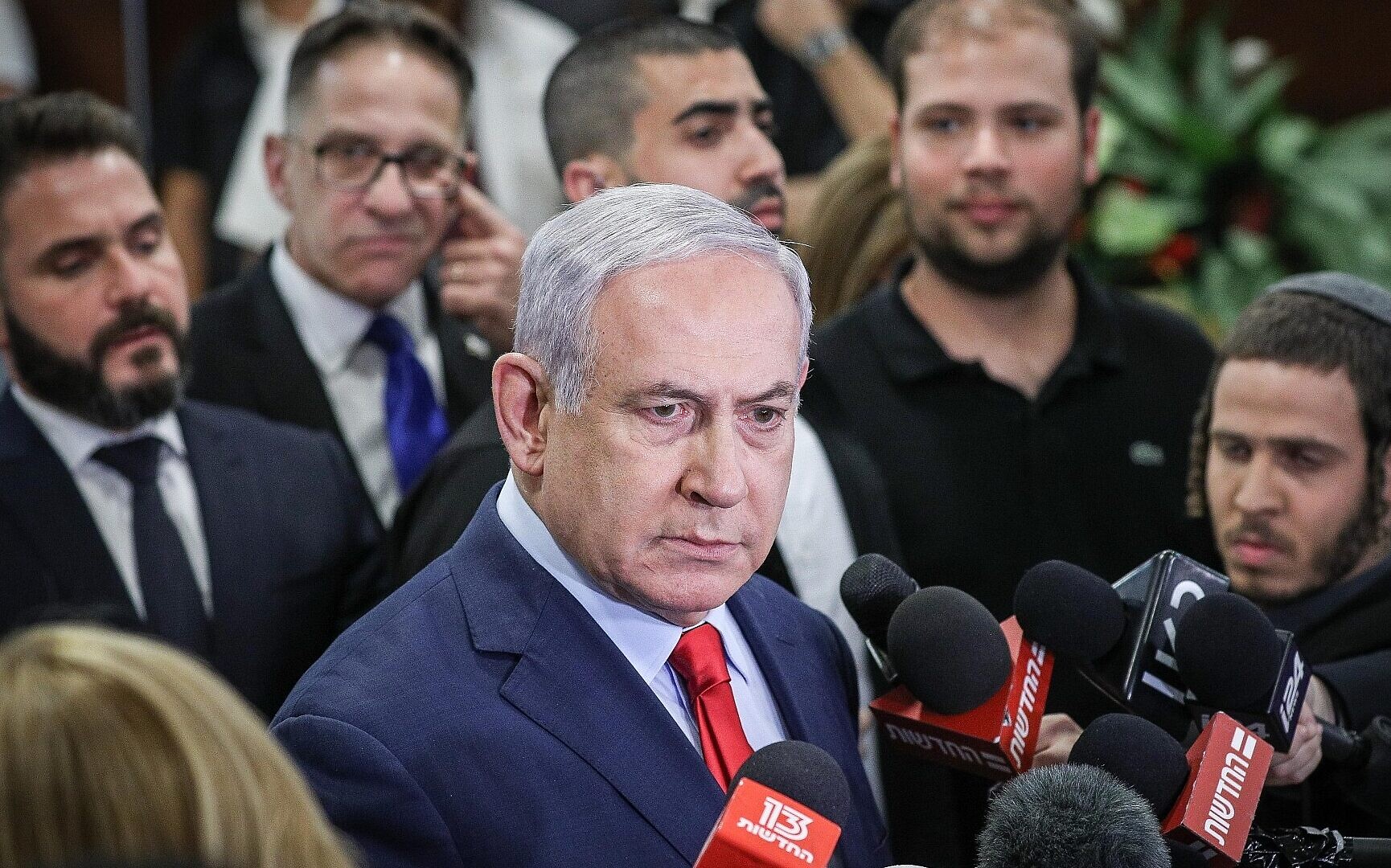
Behind closed doors, senior Likud officials are voicing harsh criticism — unprecedented criticism — of Prime Minister Benjamin Netanyahu and his political maneuvering in the last few weeks that led to the dissolution of the Knesset and new elections.
Powerless to stop his spiraling political and legal troubles, Netanyahu stumbled this week, brought the whole system down with him, and could well be nearing the end of his political career, his party members whisper in the halls of power.
“Why did we need to get to a situation like this?” one senior official said angrily. “After all, it was clear to everyone that Netanyahu was limited [in his options for forming a coalition]. He doesn’t have any power to maneuver among the right-wing parties. If I was head of Likud, or anyone else, I would have assembled a government in a couple of days. All the gates were open to me. For him, everything is closed.”
“It’s a complicated affair,” added another Likud official. “We thought that Netanyahu was an asset. And it’s true that he is, in that he’s the only one among us that could successfully bring in 35 seats. But what did he do with them? What are those seats worth?”
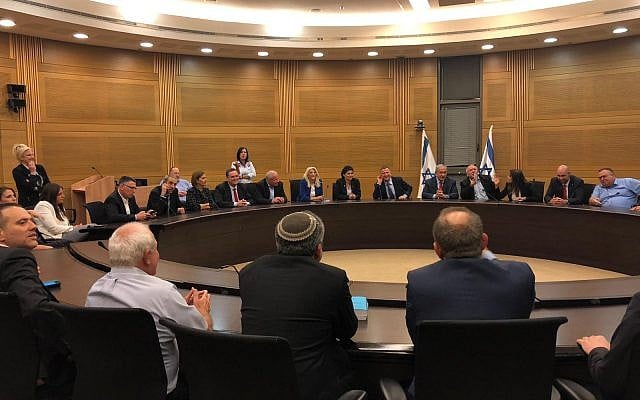
“We saw Netanyahu Wednesday night in the plenary. It was the toughest moment of his political career. I think that what happened to him and to us is much worse than losing an election. It’s essentially a false victory,” the official told Zman Yisrael, The Times of Israel’s Hebrew news site.
The prevailing feeling among the Likud leadership after the past week’s upheaval is that Netanyahu is at the end of his political career. These things are said quietly, but the explanation is well-reasoned.
According to party officials, the premier could win the September 17 elections, but he will again be unable to successfully cobble together a coalition with the immunity legislation he desperately wants, in order to avoid an indictment in three corruption cases.
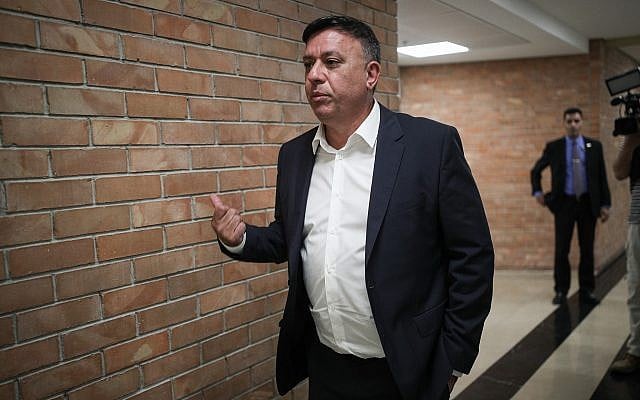
The blow to his morale, the public criticism, his shaken status and the fact that he essentially agreed to give up on the immunity legislation in a deal with Labor head Avi Gabbay that didn’t pan out — all these are signs that the game is lost, they argue.
This raises the possibility of resistance within the Likud party.
“The Likud will at best get [an impressive] 40 seats, but Netanyahu still needs partners in order to form a coalition. This isn’t a situation that allows for a coalition with reforms,” one party official said.
“What happened in the last few months brought Netanyahu to a low point where he doesn’t have the ability to maneuver politically. Each coalition partner is his own sovereign ruler who takes advantage of Netanyahu’s virtual prison to squeeze him and get what he wants. Each partner holds the key, and doesn’t let Netanyahu out of his cell.”
So what’s next?
“The justice system will continue to work in the meantime. Netanyahu can’t prevent that. He’ll end up incapacitated, even if he’s elected. Within Likud, people are going to get up and say that it can’t work,” the official said.
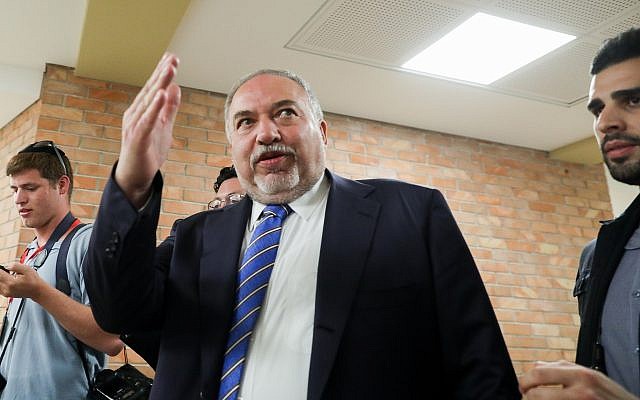
“Everyone knows that it’s going to end with a plea bargain, and Netanyahu’s going to go home. Avigdor Liberman is aiming for this, too. He said that Likud is not only Netanyahu.”
The nail-biting political drama of the last few days plunged Knesset legislators into a depression, including the freshman legislators in Likud. On Wednesday, immediately after the vote to dissolve the parliament, new Likud MKs Keren Barak and Keti Shitrit broke out in tears.
And amid all the chaos, there is backroom criticism of the agreement that was signed with Moshe Kahlon earlier this week to run on a joint ticket in the next election, and the reserved slots granted to his Kulanu party.
Likud officials don’t believe that Kahlon deserves such generous terms.
There are party members demanding that the agreement be brought to the party’s Central Committee for approval, but they’re working under the surface — until everything erupts into the open.









The Times of Israel Community.