

Ben-Gurion professor debates Arab ‘kissing cousins’ on TV
A top Israeli genetics researcher will be discussing Arab marriage practices on a BBC program seen by hundreds of millions worldwide
 Add ToI as a Preferred Source on Google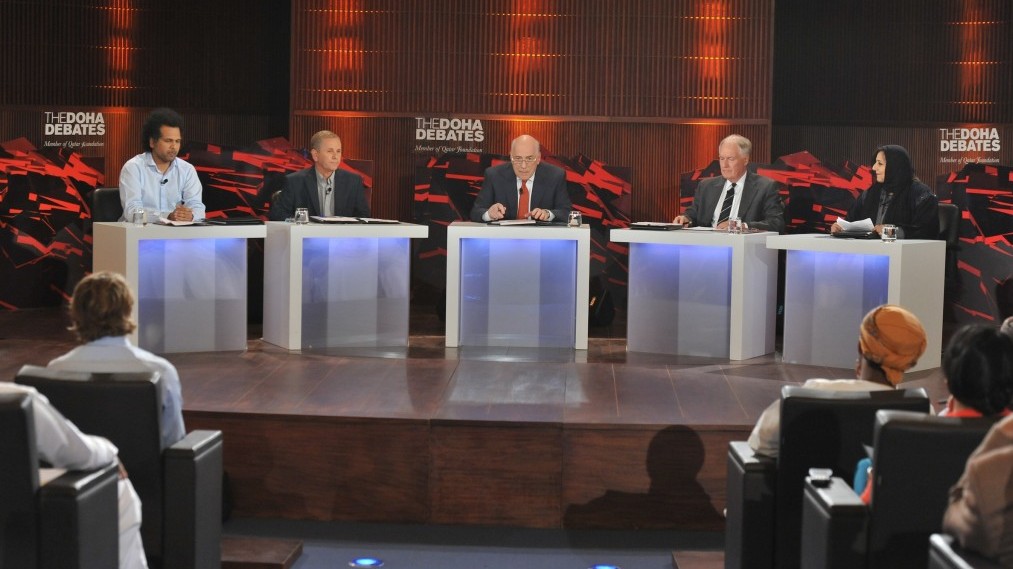
Professor Ohad Birk, head of the Genetics Institute at Soroka Medical Center and director of Ben-Gurion University’s Morris Kahn Laboratory of Human Genetics, will be one of the few Israelis to have ever participated in the BBC’s prestigious “Doha Debates” discussion program. Birk, who is a researcher of all aspects of genetics and inheritance, has been invited to discuss genetic disease in the Arab community as an expert in the field.
“The Doha Debates” is sponsored by the BBC in order to encourage free debate on sensitive issues in the Arab world. The program, a monthly show hosted by veteran BBC newsman Tim Sebastian, is broadcast in English (with subtitles in Arabic) and is seen in over 400 million households around the world. Previous topics have included “resistance to the Arab Spring is futile,” “it’s time for the US to get tough on Israel,” “Dubai is a bad idea,” and many other controversial topics.
In this month’s program, Professor Birk will discuss the question of discouraging marriage between close family members, a practice common in many parts of the Arab world, and one that many geneticists believe leads to an increase in birth defects. Birk will be advocating for changes in Arab cultural mores to discourage consanguineous marriage, while his two debate partners — British-Pakistani journalist Safraz Manzoor and Australian genetic researcher Professor Alab Bittles — will argue for allowing the practice to continue.
Birk was invited to the program because of his work on genetic diseases in the Bedouin community. Birk’s research has led to the discovery of some 20 genetic diseases in the Bedouin community due to consanguinity, while running a program that has reduced the infant mortality rate in the Negev Bedouin community by 25% over the past five years.
Besides his work with Bedouin, Birk has done important research in many other areas of genetics. Last year, Birk and a BGU research team discovered that nearsightedness is caused by a genetic mutation. The defective gene was discovered as a result of Birk’s work on Bedouin genetic disease, and could eventually lead to new treatments for myopia, Ben-Gurion University said. Birk has also pioneered research on Progressive Cerebro-Cerebellar Atrophy (PCCA), a genetic disease that strikes children in the Moroccan and Iraqi community. One in 40 members of each community carries a mutated gene that causes the disease.
While Israelis have appeared on “The Doha Debates” in the past, nearly all have debated Middle East political issues; Birk is one of the few who will be participating in a nonpolitical discussion. Despite the tensions roiling the Middle East, the Qataris hosted the Israeli researcher with courtesy and comfort, dispelling any concerns about security, Birk said after the program was filmed several weeks ago. The program takes place in Qatar, where Birk traveled on his Israeli passport and appeared before the live studio audience.
“The Doha Debates” will air on BBC World News on Sunday April 1 at 02:10 and 15:10 GMT (05:10 and 18:10 Israel time, 5:10 AM and 8:10 PM Eastern).







The Times of Israel Community.