

Cabinet said to pan police chief for ‘selective enforcement’ of Gaza aid protests
Levin, Ben Gvir claim police harsher on Gaza aid protesters than anti-overhaul activists; Shabtai: You’re the ones who want aid to enter via Kerem Shalom; I’m enforcing your decisions
 Add ToI as a Preferred Source on Google
Michael Horovitz is a breaking news editor at The Times of Israel
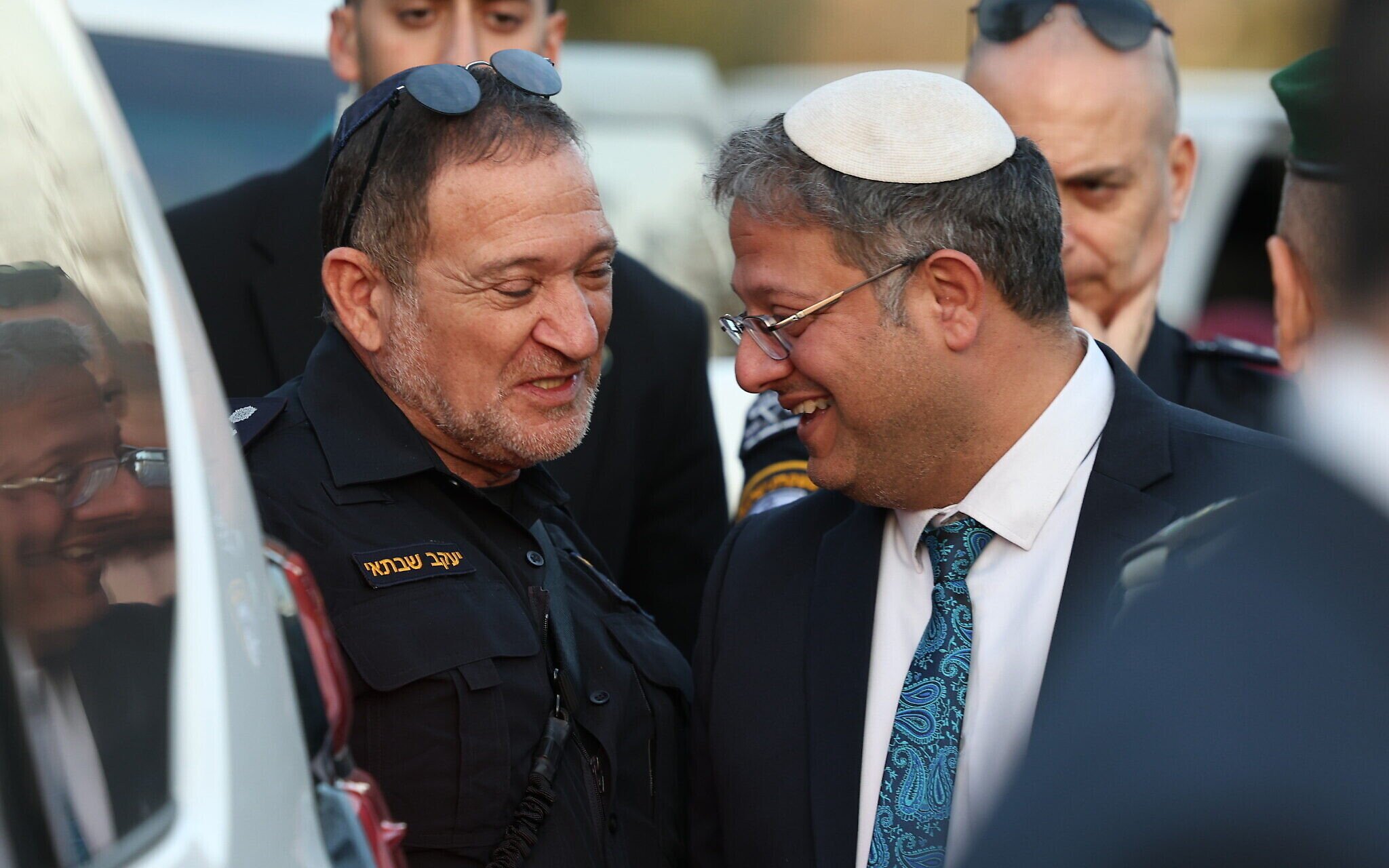
Cabinet ministers accused Israel Police Commissioner Kobi Shabtai of “selective enforcement” over the handling of protesters trying to prevent the entry of humanitarian aid into the Gaza Strip, it was reported Friday.
Ministers clashed with Shabtai at the cabinet meeting overnight Thursday, comparing the police’s harsh treatment of the recent protests to what they claimed was a hands-off approach to protesters who blocked roads during demonstrations against the government’s controversial judicial overhaul last year, according to Channel 12 news.
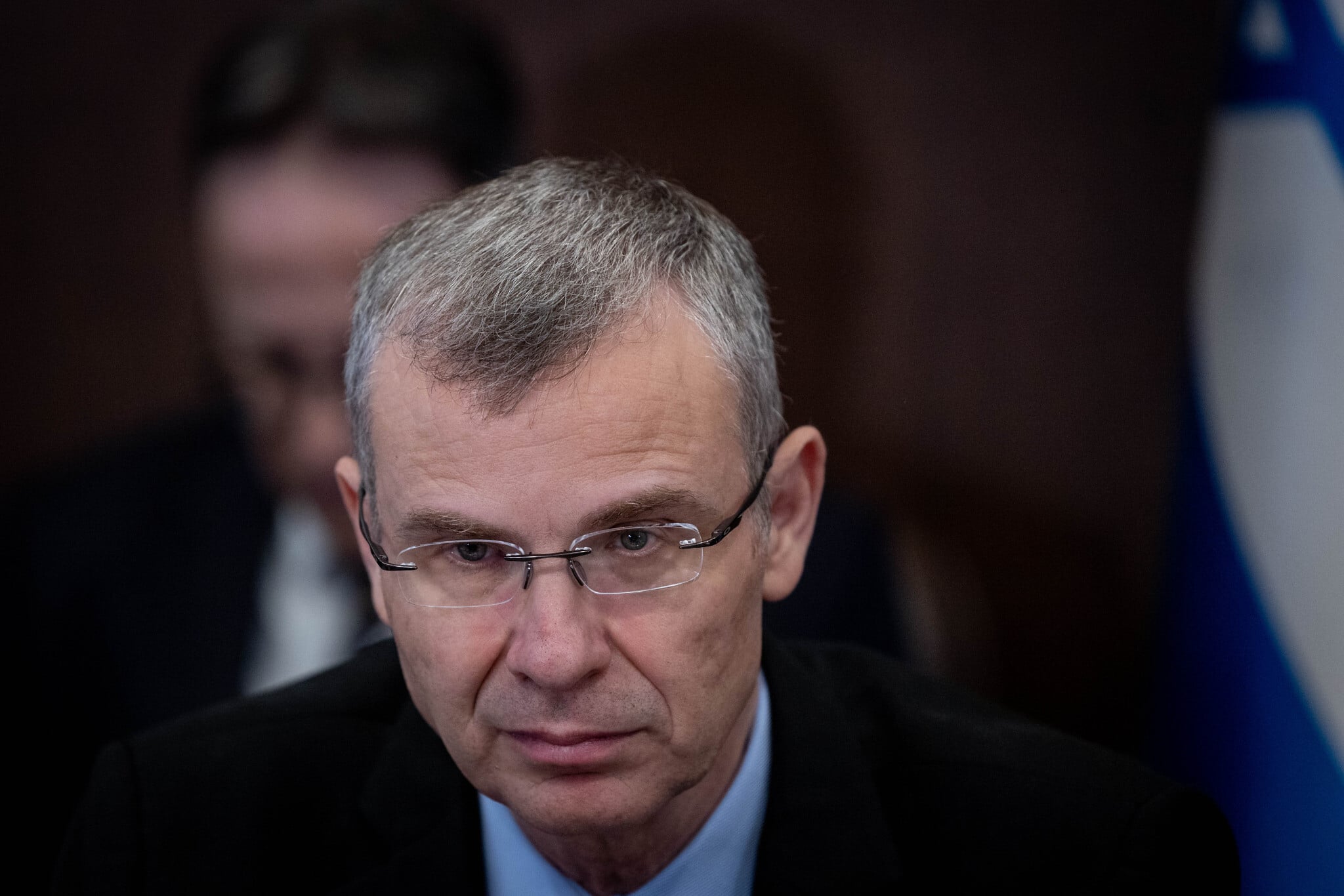
“At the demonstrations on [Tel Aviv’s] Kaplan, you allowed them to block roads, burn roads and you brought horses. And here at Kerem Shalom [crossing into Gaza], you selectively enforce the law when they try to block humanitarian aid to the Strip,” Justice Minister Yariv Levin, the architect of the government’s controversial legislation, reportedly told Shabtai, with Transportation Minister Miri Regev agreeing.
“There you didn’t touch them for three and a half months, and here you are beating them,” Levin claimed.
Shabtai reportedly responded: “You are making the decisions, I am enforcing them. You are the ones that want the entry of aid through Kerem Shalom.”
National Security Minister Itamar Ben Gvir, who pushed for harsher treatment of anti-overhaul activists, also claimed there was “selective enforcement” of demonstrations.
“We’ve all seen the pictures of clashes between soldiers and police officers and hostages’ families blocking the crossing. I don’t understand why we are allowing a rift in the nation. Why do we need these conflicts? Let’s talk again about the closure of this crossing and the end of this negligence of bringing [Gazans] aid,” he said.
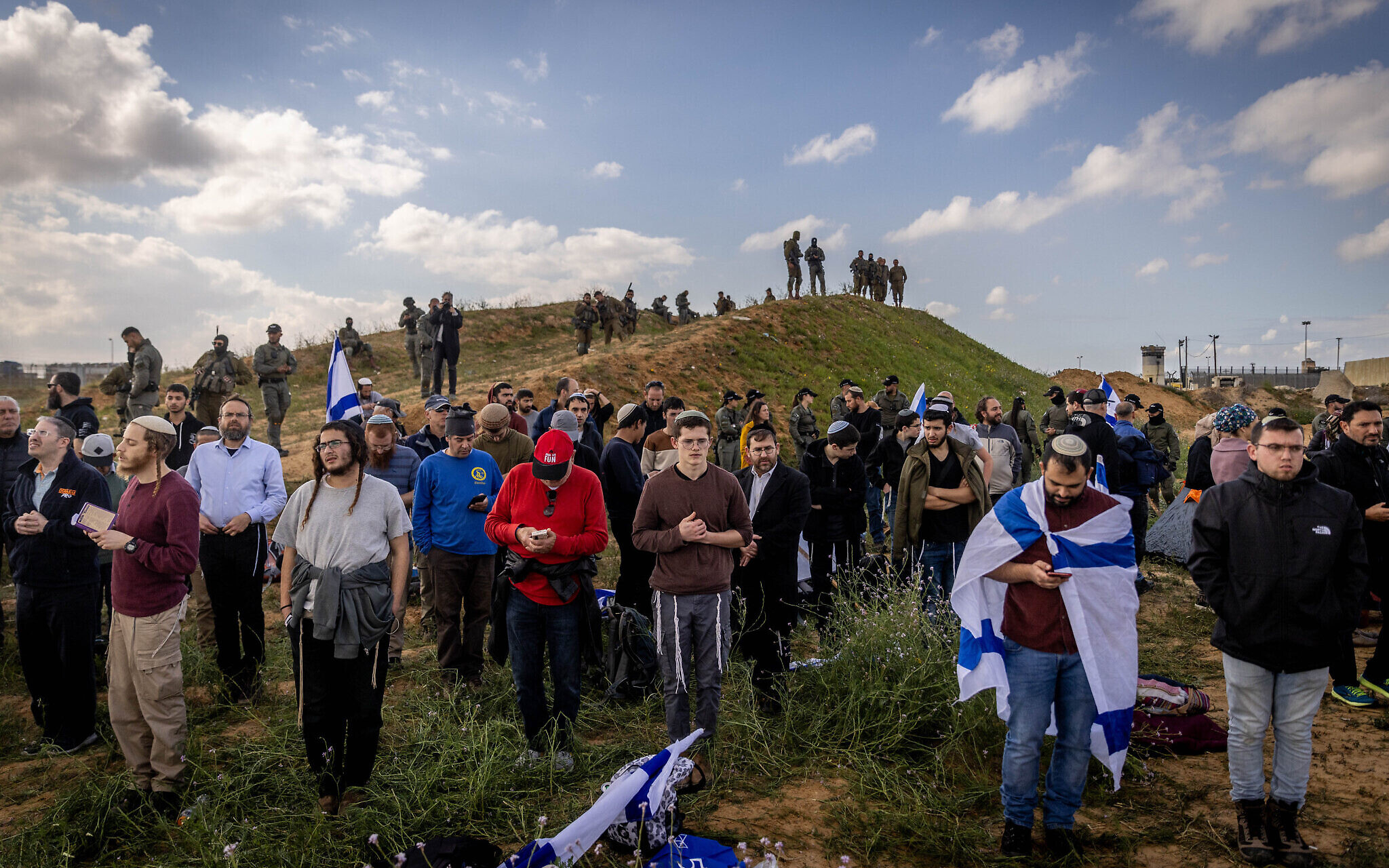
The meeting came a day after some 30 protesters were detained at the Kerem Shalom border crossing after they began rioting and cursing security forces at the scene.
The area had been declared a closed military zone on Sunday, making it illegal for civilians to be there after days of protests by activists hindering the entry of goods through the crossing.
Footage on Wednesday showed scuffles between protesters and security forces, and a mounted officer running over one of the protesters.
את התמונות האלו נזכיר לבן גביר כשיקרא לעצמו ״ימין״ בבחירות הבאות במשמרת שלו כמכתיב מדיניות המשטרה: פרשים ואלימות משטרתית מזעזעת כרגע כלפי משפחות שכולות ומשפחות חטופים שמנסים לעצור את ה״סיוע ההומניטרי״ מהממשלה לחמאס. במעבר כרם שלום. אין בעיה! pic.twitter.com/W6ludyEwkk
— daniel amram – דניאל עמרם (@danielamram3) January 31, 2024
The demonstrators oppose aid for Gaza while hostages kidnapped during Hamas’s October 7 massacre remain in the enclave. Israeli leaders say the aid is necessary to enable Israel to continue operating freely against Hamas, amid intense international pressure and a desire to prevent a humanitarian disaster in the war-torn territory.
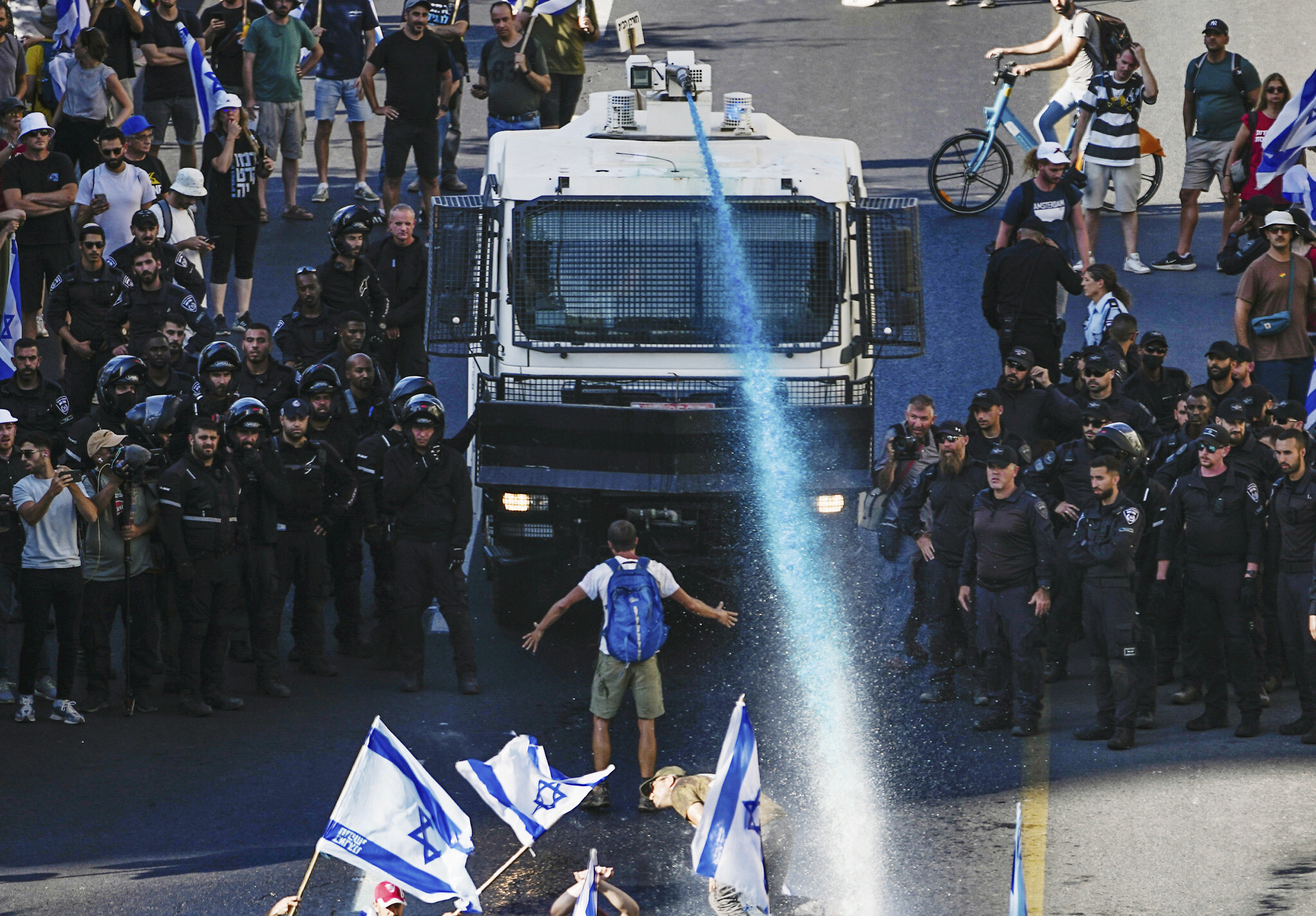
Government ministers, particularly Ben Gvir, repeatedly clashed with law enforcement over the anti-judicial overhaul demonstrations throughout 2023, urging them to handle protesters who blocked roads, and picketed ministers outside their homes and during their public appearances more forcefully.
In addition to mounted officers, police employed water cannons and the foul-smelling “skunk” water to drive off protesters during the anti-overhaul campaign.
Hamas launched an unprecedented attack on October 7, murdering close to 1,200 people in Israel, most of them civilians, and taking another 253 hostage, 132 of whom remain captive in Gaza.
In response, Israel launched an extensive military campaign against the terrorist organization, and the government initially said no aid would be allowed into Gaza.
By the end of October, however, Israel was allowing humanitarian aid to enter the Strip through the Rafah crossing on the Gaza border with Egypt. Prime Minister Benjamin Netanyahu has since said multiple times that without minimal aid being given to Gaza, the Israel Defense Forces would be unable to complete its objectives in the war due to risks such as diseases spreading in the Strip.
As part of a temporary truce deal in November, 105 hostages were released, and Israel promised to up the number of trucks carrying aid to 200 a day, but could not keep up with the demand with only one crossing open. As a result, Netanyahu announced in mid-December that Israel would reopen Kerem Shalom to allow more aid into the Strip.
Officials in US President Joe Biden’s administration, who have pushed Israel to allow aid for Gaza throughout the war, urged Israel to ensure that the crossing remained open and aid continued to make it through despite the civil disturbances.
Netanyahu repeated that the aid was essential to success in the war during a press conference last Saturday night, and added that officials were instructed to take care of the issue.
“I understand the families’ plight, but [giving aid to Gaza] is our policy,” he said.
Regardless, members of Netanyahu’s government expressed support for the protests, with far-right Otzma Yehudit MK Limor Son Har Melech joining the activists on Sunday after the military zone was announced, and MK Nissim Vaturi, from Netanyahu’s Likud party, telling Kol Chai radio that he too wanted to join them.
Times of Israel staff contributed to this report.





The Times of Israel Community.