

 From the Liveblog of
Sunday, July 7, 2024
From the Liveblog of
Sunday, July 7, 2024
Chief Rabbinate again refuses to appoint women to political role reserved for ‘rabbis’
 Add ToI as a Preferred Source on Google
Canaan Lidor is a former Jewish World reporter at The Times of Israel
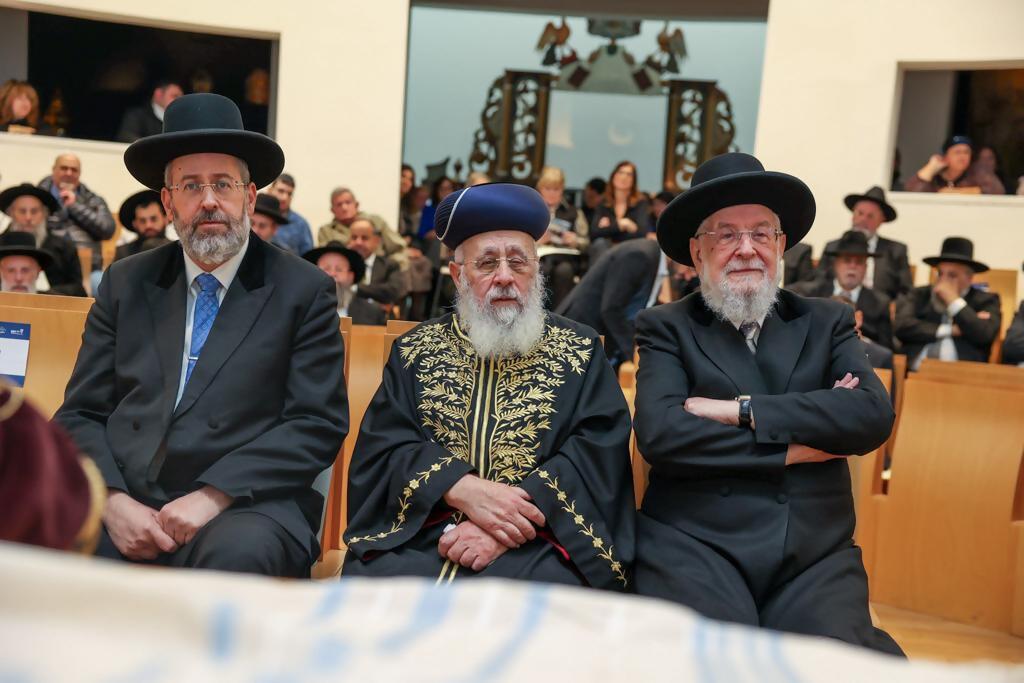
In a response to the High Court of Justice, the Chief Rabbinate reiterates its refusal to consider appointing women to a political position — on the body which selects chief rabbis — whose title includes the word “rabbi.”
The response by Rabbi Yaakov Roja, the interim president of the Council of the Chief Rabbinate, is to a High Court of Justice ruling from January that said women may also be considered “rabbis” for the purposes of the Chief Rabbi Election Assembly.
The ruling states that in the context of the 1980 law that codifies the chief rabbi election process, the term “rabbi” applies not only to the recipients of that title from the Orthodox Chief Rabbinate — which bestows it only on men — but also to individuals, including women, with knowledge of the Torah and Halacha, the Jewish legal code, comparable to that of the men.
The ruling and the Chief Rabbinate’s refusal to heed it are the main reason for the rabbinate’s refusal to appoint an electing forum to vote on new chief rabbis. Israel currently has none for the first time in a century, following the end of the term last week of Rabbis David Lau and Yitzhak Yosef, the former Ashkenazi and Sephardi chief rabbis, respectively.
“There is not a halachic possibility of appointing women as rabbis. Considering a woman for this role is also forbidden,” Roha writes in his reply. “Within the limits of my authority I can therefore appoint only rabbis under the word’s meaning, and not women.”
The electing assembly, which is an ad-hoc body convened by the Rabbinate ahead of each election, is made up of 150 delegates, 70 of whom are non-rabbis, a handful of whom are women. Out of the rabbis in the assembly, 70 are municipal rabbis affiliated with the Rabbinate. The remaining 10 rabbis, which are the subject of the High Court of Justice ruling, are personal appointees of the chief rabbis.










The Times of Israel Community.