

Days after speaking about peace, Gazan mother’s 3 children killed in Strip blast
Umm Naim told ToI a week ago in an Israeli hospital that peace is her dream; after the death of children in Al Maghazi explosion, she now says Israel will ‘taste the fire’
 Add ToI as a Preferred Source on Google
Lazar Berman is The Times of Israel's diplomatic reporter
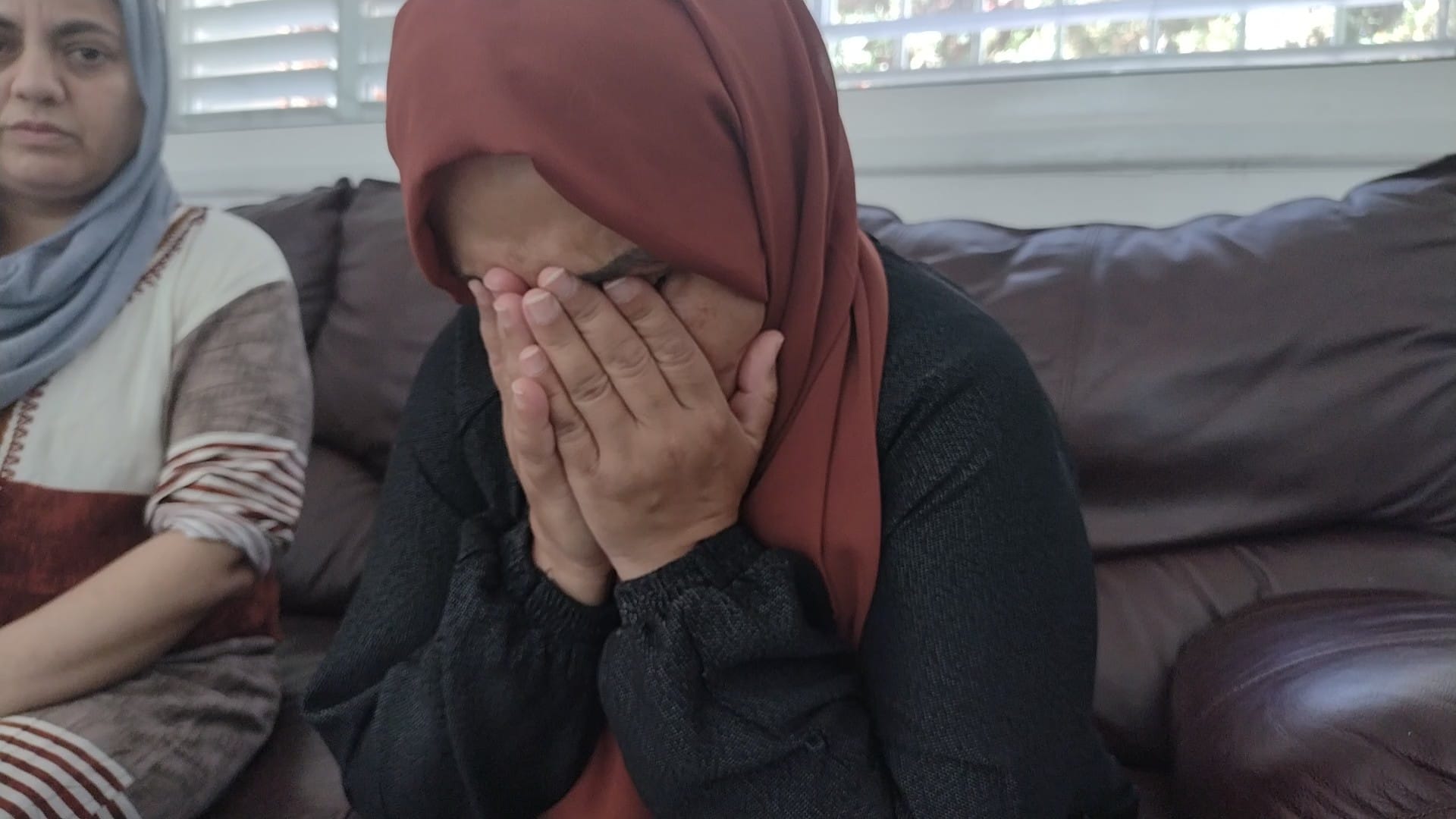
For years, Umm Naim insisted on a message of peace, even after losing her husband in an Israeli strike in 2014.
“We hope all the children, all the people in the earth, to be smile, to be happy,” the 47-year-old told The Times of Israel last week, during a temporary stay in Ashdod after her son was treated at an Israeli hospital for his damaged heart. “Muslim, Jewish, anyone. Anyone. This is my voice.”
“I love peace, this is my dream for me,” she continued, in energetic but choppy English.
That was last Sunday.
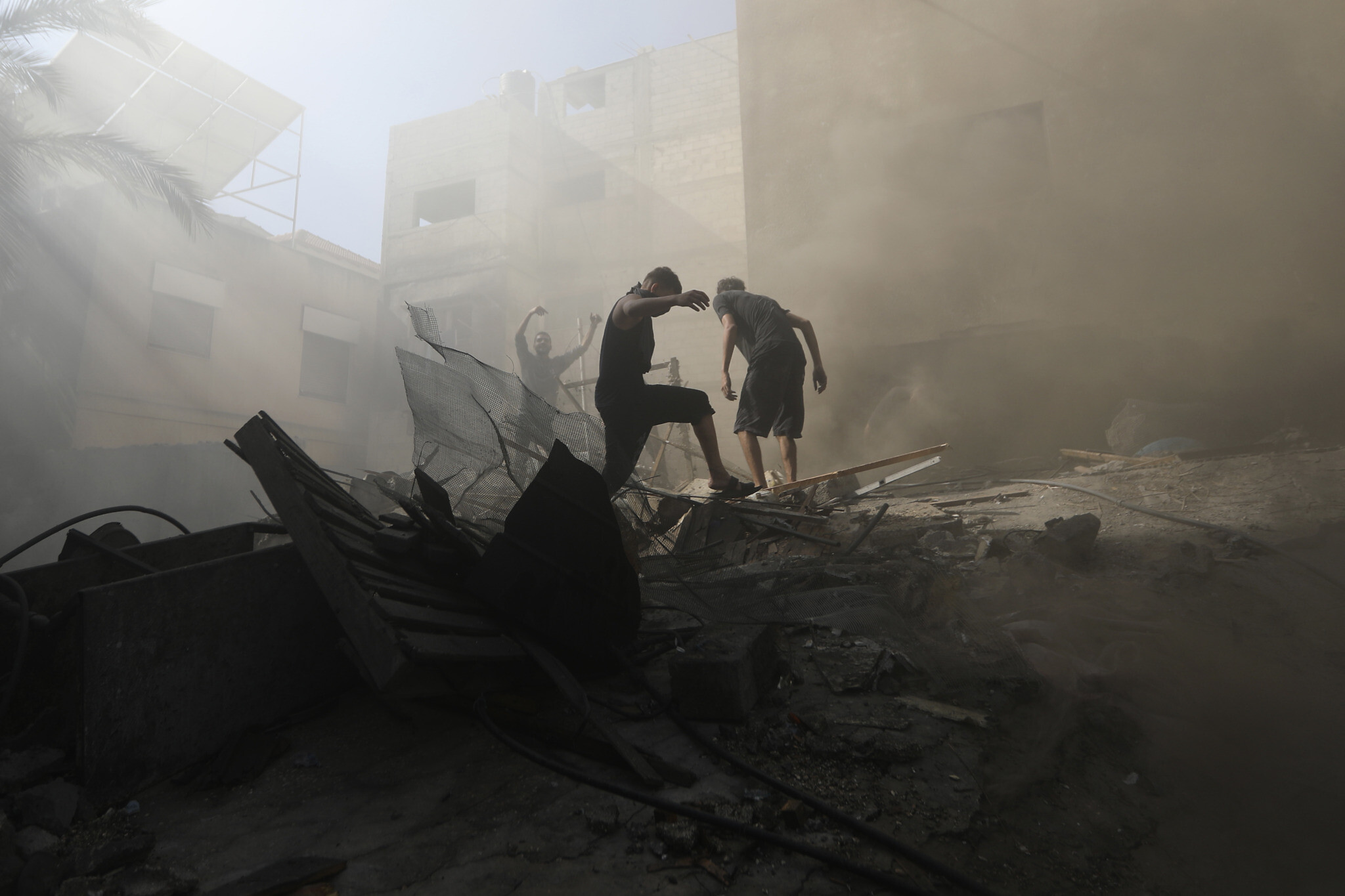
Six days later, what Gazans say was an Israeli airstrike hit Al Maghazi in the central Gaza Strip, a 74-year-old neighborhood of densely packed apartment buildings with a significant Hamas military presence. The neighborhood is south of the Wadi Aza, the area to which Israel has asked Gazan civilians to move as they operate in the north. The IDF told The Times of Israel it was looking into the incident.
In 2017, a tunnel belonging to Hamas was found under a United Nations elementary school for boys in Al Maghazi. Israel struck a Hamas training camp there in February.
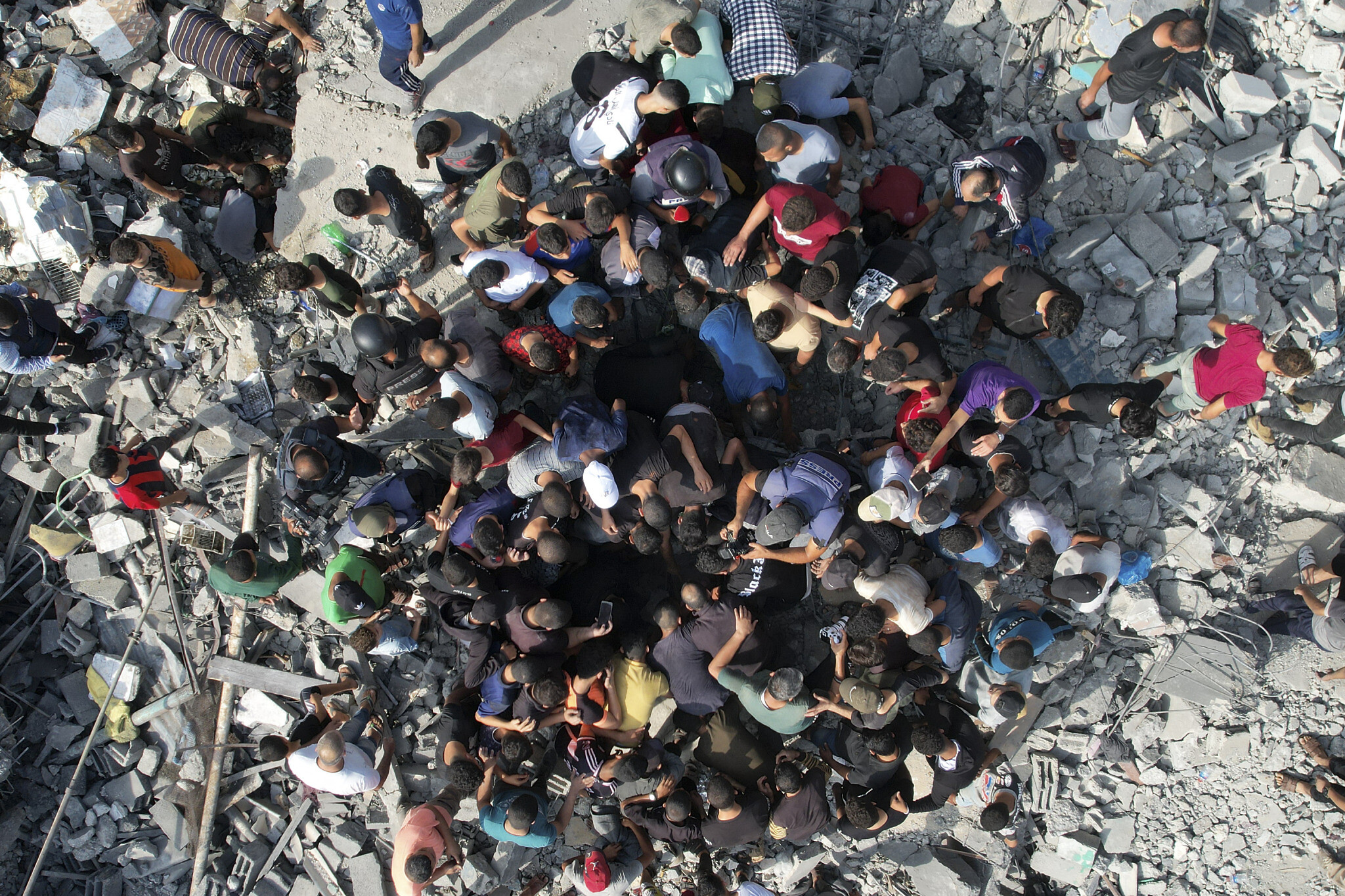
The Hamas-run Gaza Health Ministry said that over 40 civilians, mostly women and children, were killed in the blast on Saturday night.
An hour before the explosion, Umm Naim spoke from Ashdod with her children, Mina (18), Mai (15) and Obeida (17).
“I sent my children to my sister in Maghazi, a secure place, no problems there, the most relaxed place in all the Gaza Strip, to be sure they were safe,” she told The Times of Israel on Tuesday.
“I told them, I want to be sure you’re well, are you eating,” she recounted. “They said, ‘Mama, we are good, everything relaxed, don’t worry about us.'”
She recalled they asked about Naim, her 8-year-old son undergoing treatment at the Sheba Medical Center in Ramat Gan.
Naim, who was born at Sheba, was named after her husband who died during the 2014 conflict between Israel and Hamas.
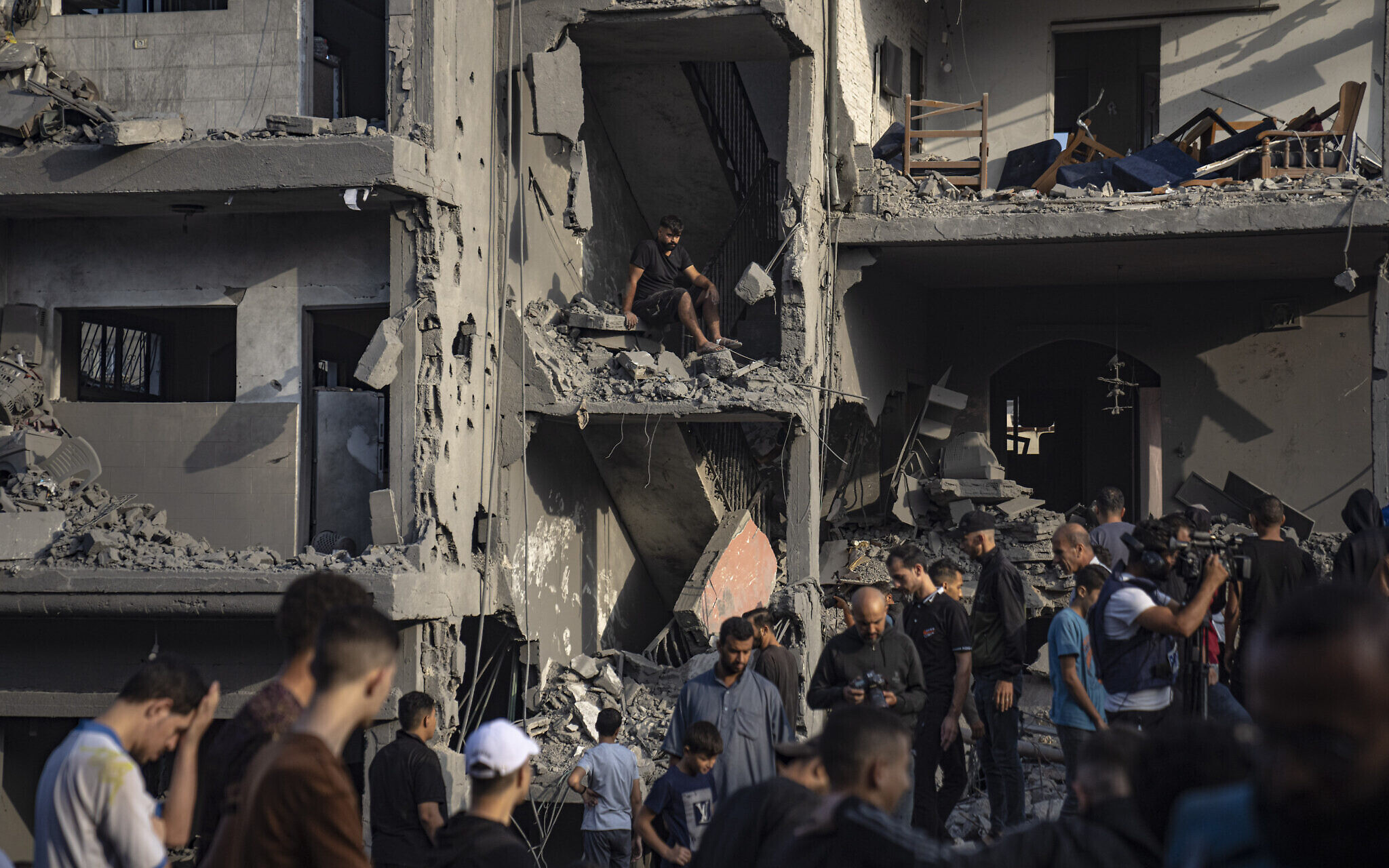
After speaking with her children from Ashdod, Umm Naim saw on the news that there was a strike in Al Maghazi. She recognized her sister’s children and grandchildren among the casualties.
“I said ‘My children are with them!’ All the night I tried to call, there was no answer.”
Umm Naim called a relative, who went to the Al Aqsa Martyrs Hospital nearby.
“She went and saw my daughters there,” Umm Naim said. “She saw my nieces and nephews, she saw the family.”
On Sunday, her son Obeida was found under the wreckage.
‘They don’t know anything about the world’
Umm Naim said her children were introverted and well-behaved.
“They are innocent, they don’t know anything about the world, they are shy and quiet,” she insisted. “In the house, in society, they never made problems. They don’t go out of the house. From the house to the school, from school to the house. Eat, drink and sleep.”
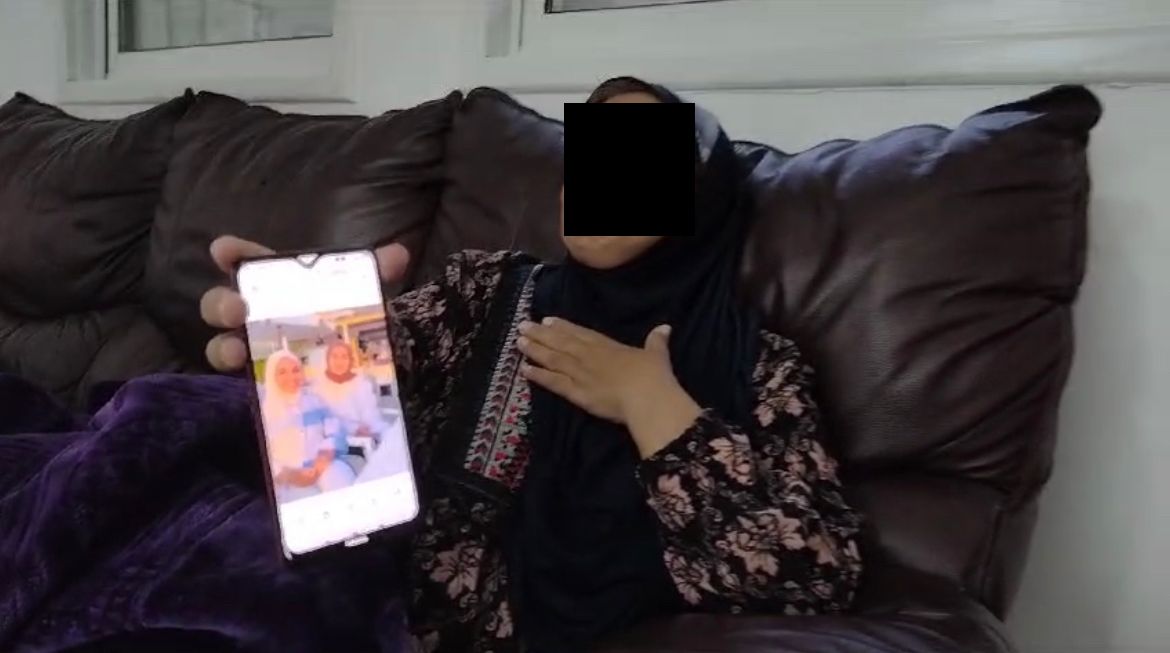
Umm Naim said they would never hurt an ant.
“They never hurt anyone. They were innocent, beloved. What did they ever do that they would treat them like this? That they would shoot them, burn them, drop a barrel bomb on them? What is their guilt?”
If Israel wants to destroy homes, she said, she could understand.
“But warn the people to leave their homes,” she said. “There’s no reason the children will die. Why come and and make explosions and everything falls on the children? Why? Why?”
Israel declared war on Hamas after some 3,000 terrorists breached the Gaza border on October 7, slaughtering around 1,400 people — mainly civilians — in communities in southern Israel and perpetrating acts of horrific brutality including decapitations and rapes. They also took at least 240 hostages to the Strip, including at least 30 children.
Faced with the worst civilian trauma in its history, Israel has vowed to end Hamas’s control of the territory and eliminate the terror threat that has emanated from the enclave for the better part of two decades.
The cry of Umm Naim
For now, and for the foreseeable future, Umm Naim is stuck in Ashdod, living at Shevet Achim, an Israel-based Christian organization that brings children from neighboring countries into Israel for heart surgery.
Jonathan Miles, the founder of Shevet Achim, told The Times of Israel last week that he works to bring sick Gazan children to Israeli hospitals because “we’re Christians from the nations who believe the word of God that we received from the Jewish people.”
Miles has also brought dozens of children from Syria, Iraq, Jordan, and the West Bank to Israeli hospitals for life-saving heart surgery.
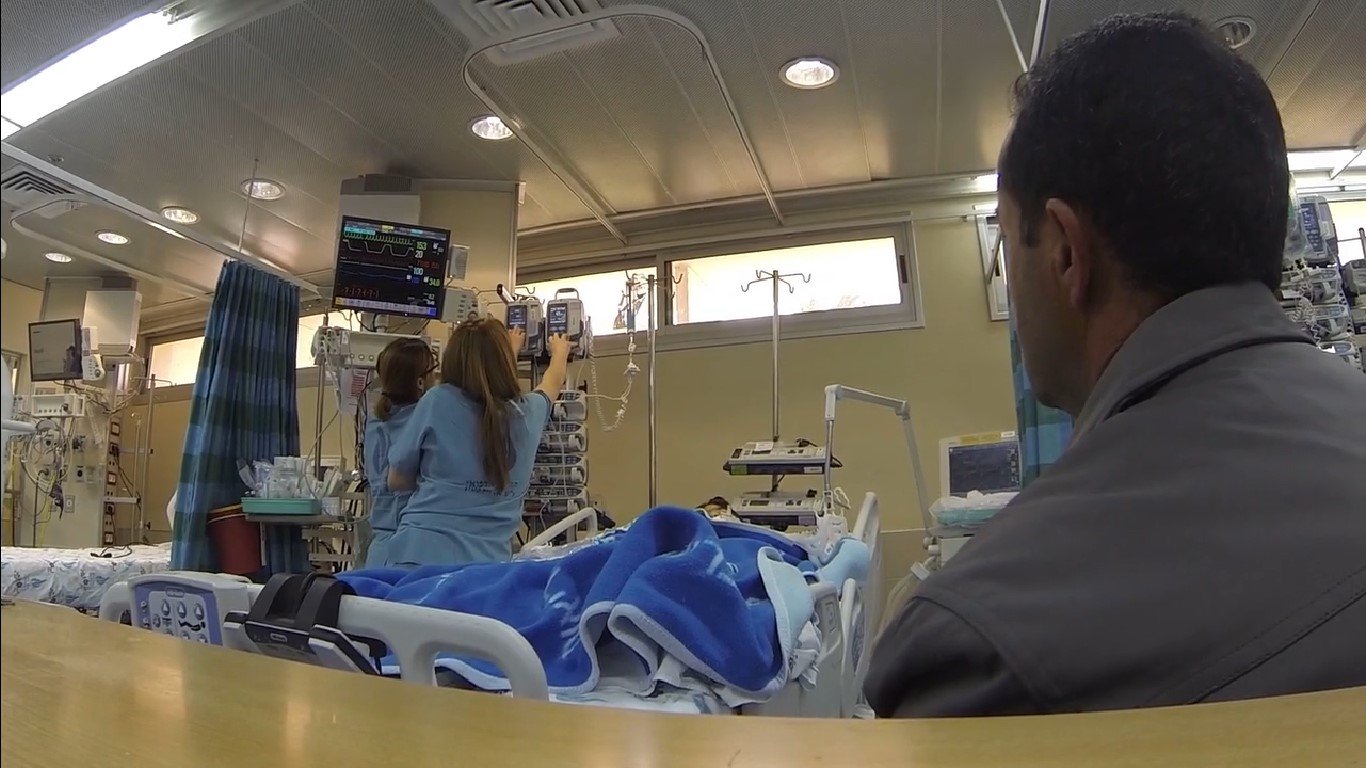
And while he had no shortage of praise for Israelis, at the same time, Miles observed that “this war is such a hard blow that people in Israel are struggling to value the life of their neighbors in the same way they always have. Without God’s help, it’s impossible.”
After Umm Naim’s children were killed, Miles called for Israel to be more careful in its operations.
“For years, Israel has won trust and respect by warning civilians before taking down occupied buildings,” he said. “I pray that in this time of testing, Israel will hear the cry of Umm Naim.”
Taste of fire
Before the Al Maghazi blast, Umm Naim told The Times of Israel that all she wanted was to be home with her children in peace.
“I want peace, to be with my children, because I am all the time afraid,” she said.
Now, grieving three of her children, her message in one of pain and anger.
“Don’t the people of Israel see the massacres that are happening?” she asked. “Don’t they see the children?”
Umm Naim said that Israel’s public should “stop the government from killing the children.”
“What I see is that Israel is doing a war only against children and women, their victory is only against children and women, this what I see and all the world sees,” she said.
She also had a dire warning for Israel: “The one who made us taste the fire will taste it himself through his family, his children, his loved ones. As we tasted the fire, they will taste.”
Her son Naim walked into the room just then.
“My love, come to me,” she said. “This is Naim, this the only son that’s left for me from all my family.”








The Times of Israel Community.