

Defending Israel in EU, Hungarian minister says bloc risks being boxed out of Mideast
Critics of Israel intentionally using language that borders on antisemitism, charges János Bóka, who also serves as antisemitism czar for one of Jerusalem’s closest allies in Europe

 Add ToI as a Preferred Source on Google
Lazar Berman is The Times of Israel's diplomatic reporter
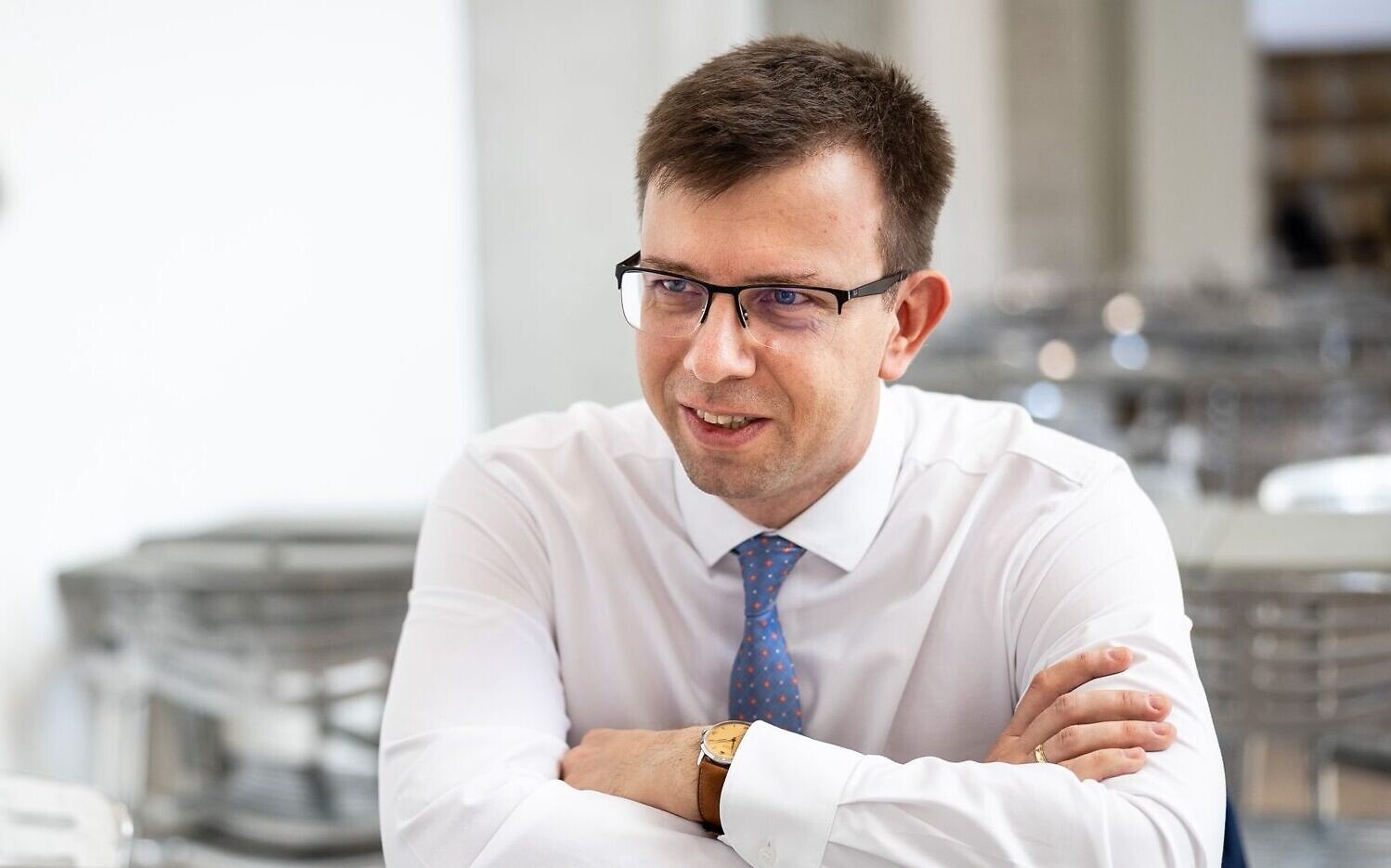
Pursuing policies that are hostile to Israel will render Europe irrelevant in the Middle East, Hungary’s European Union Affairs Minister János Bóka told The Times of Israel.
Bóka’s position for Budapest’s government makes him a central player in overseeing what Jerusalem regards as a key shield from international pressure, with Hungary one of a handful of countries in the 27-nation bloc known for stymying efforts to put sanctions or other penalties on Israel.
In Israel on a five-day visit, Bóka, who is also Hungary’s antisemitism czar, argued that growing European criticism of Israel was largely fueled by domestic politics, and parried claims that his populist government had trafficked in antisemitism.
“If the European Union wants to remain a player in the region, it needs to have a strategic and constructive relationship with the state of Israel,” Bóka said during a visit to the Yad Vashem Holocaust memorial and museum last week.
Bóka’s visit also included meetings with Knesset Speaker Amir Ohana, Diaspora Affairs Minister Amichai Chikli, Deputy Foreign Minister Sharren Haskel, and Transportation Minister Miri Regev.
His visit came weeks after anti-Israel sentiment on the Continent appeared to grow to a crescendo, with formal allies imposing arms embargoes and efforts to isolate the country and turn it into a pariah state gaining steam, threatening trade between Israel and its largest economic partner.
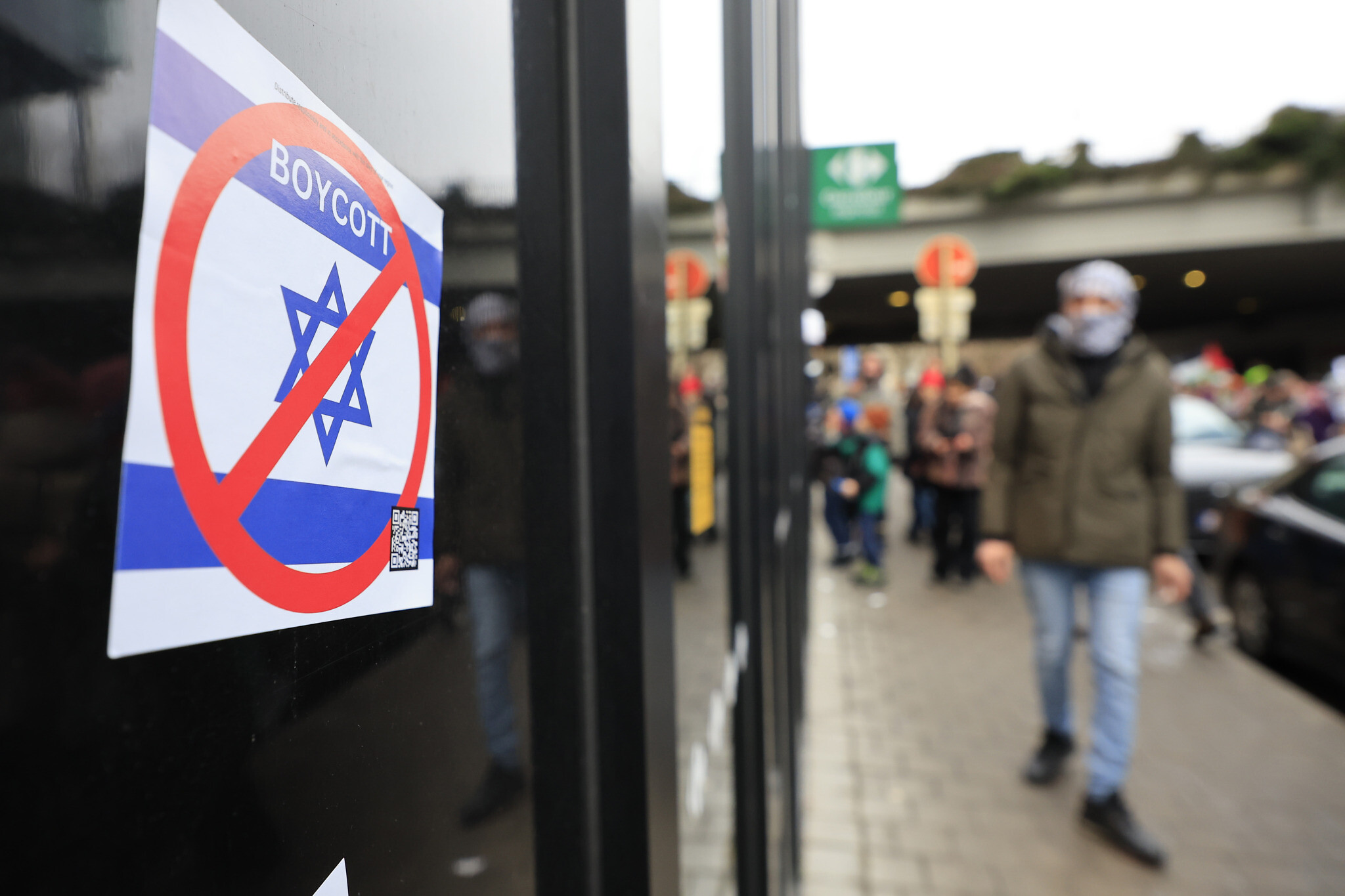
In September, the European Commission formally presented its proposal for sanctions on far-right Israeli ministers and a partial suspension of the European Union’s association agreement with Israel.
The sanctions have not been approved, and with a ceasefire in place in Gaza, the effort is frozen.
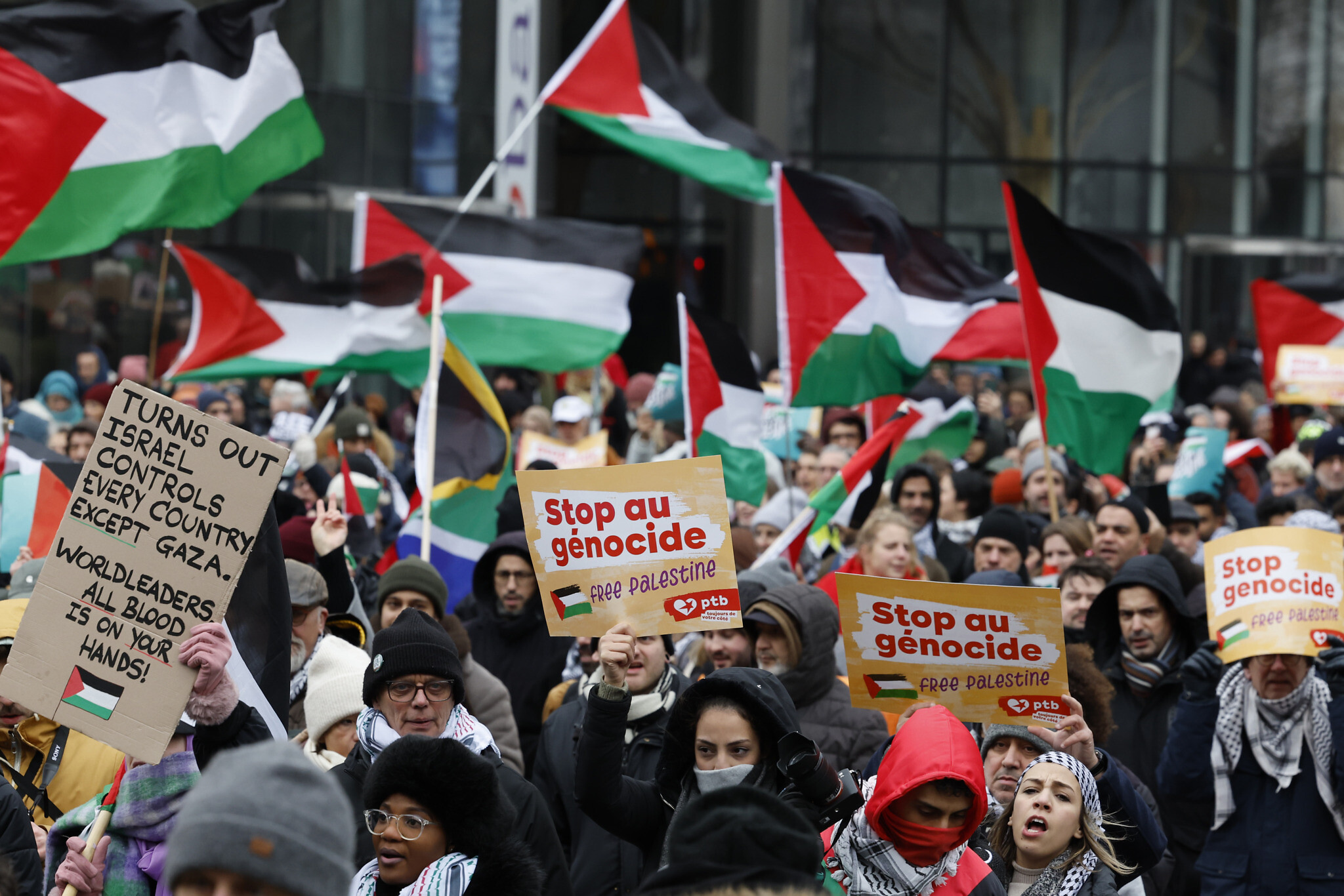
Pro-Palestinian, anti-Israel protests have been shaking major European cities since the Hamas attacks of October 7, 2023.
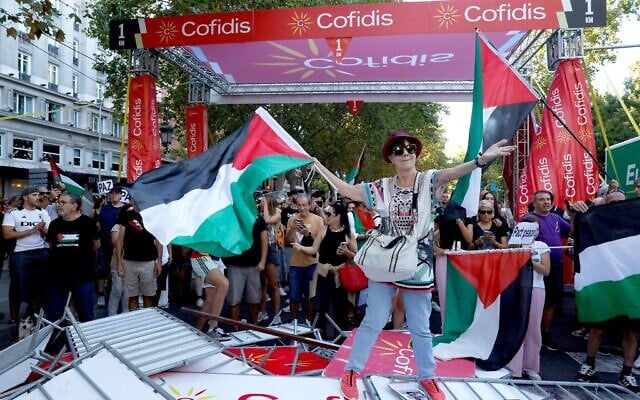
Calls have also grown to ban Israel from some sporting and cultural events, with Spanish Prime Minister Pedro Sanchez saying after protesters disrupted the Spanish Vuelta cycling race in September that Israel should be excluded until the “barbarity” in Gaza ends. Some countries have also threatened to boycott the Eurovision Song Contest — hugely popular in Israel and Europe — if Israel is allowed to compete.
Bóka argued that European critics of Israel are intentionally using language that flirts with antisemitism.
“Even political actors are now using a language that is anti-Israeli and anti-Zionist on the surface, but very deliberately, they are balancing on the edge of being antisemitic,” he said. “I think they are very consciously using a terminology that could be interpreted both ways.”
“For example, when they say from the river to the sea, obviously this means an area where there is no place for Jewish communities or a Jewish state,” Bóka continued. “I believe that they are very consciously using this terminology in order to play on this sentiment.”
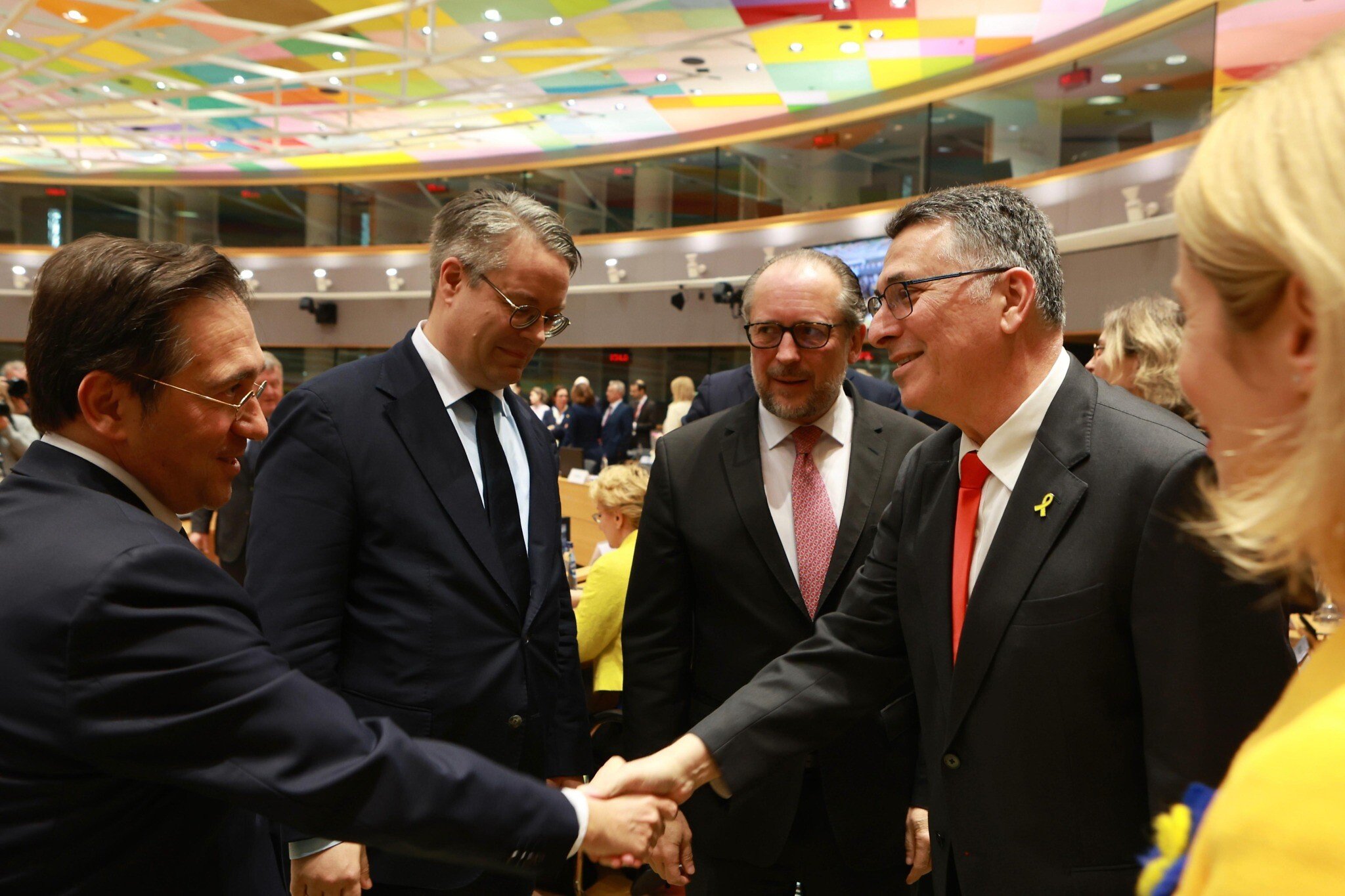
Hungary is one of Israel’s closest allies in the European Union, with Prime Minister Viktor Orban directing police to ban pro-Palestinian, anti-Israel rallies following Hamas’s massacre in Israel on October 7, 2023, which sparked the ongoing war in Gaza.
But it isn’t the only EU country pushing back against the increasingly hostile stance toward Israel adopted by many western and northern European countries. Prime Minister Benjamin Netanyahu has for the past decade cultivated a cadre of central and eastern European countries that could be relied upon to thwart anti-Israel efforts in Brussels. Membership in the grouping has changed over time, with Poland, for example, stepping away, but Hungary has remained a constant.
“The usual suspects are Hungary, Czech Republic, Austria, from time to time, Romania, and we’re also coordinating very closely with Germany,” said Bóka. “I would also include Italy in this group of like-minded countries.”
Even within that group, Hungary has stood out for its willingness to thumb its nose at European majority positions, including on Israel.
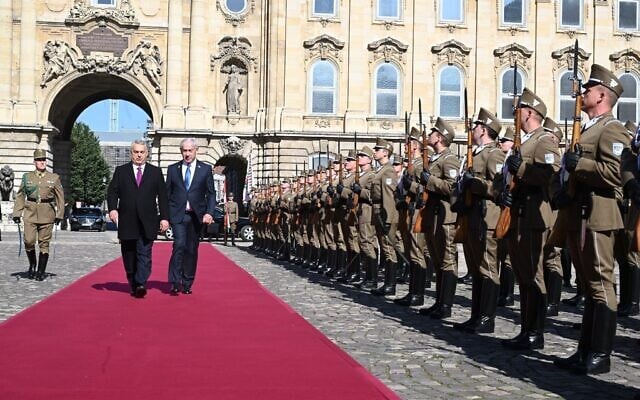
In July, a panel of judges at the International Criminal Court reported Hungary to the court’s oversight organization for failing to arrest Netanyahu when he visited Budapest in April, stating that the move undercut the court’s ability to bring suspects to justice.
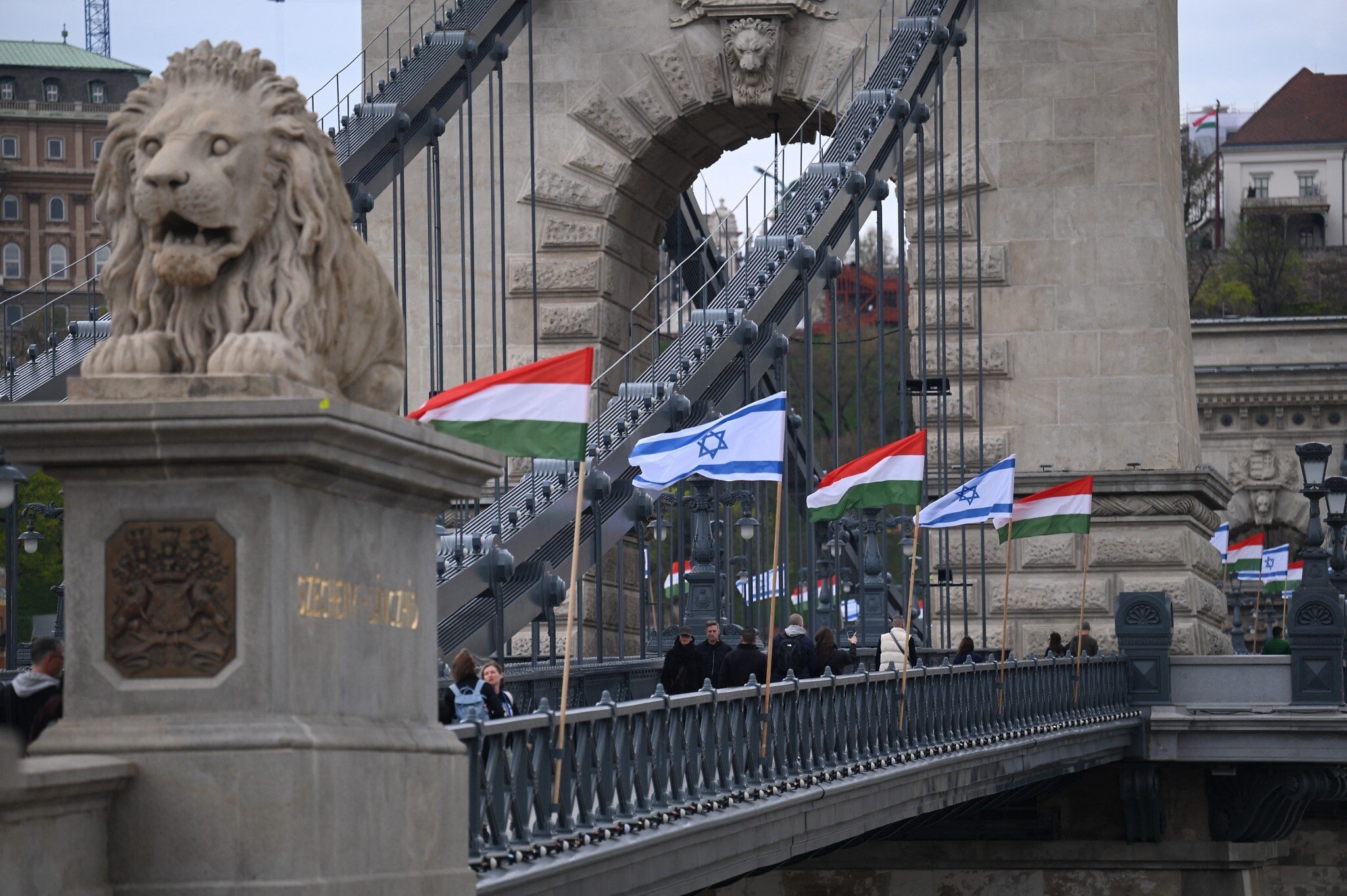
The Israeli leader received a red carpet welcome from Orban during the state visit.
‘Civilizational conflict’
Bóka argued that many EU states adopt adversarial stances toward Israel because of domestic politics.
Senior Israeli officials made similar accusations during the wave of Western countries recognizing a Palestinian state in September.
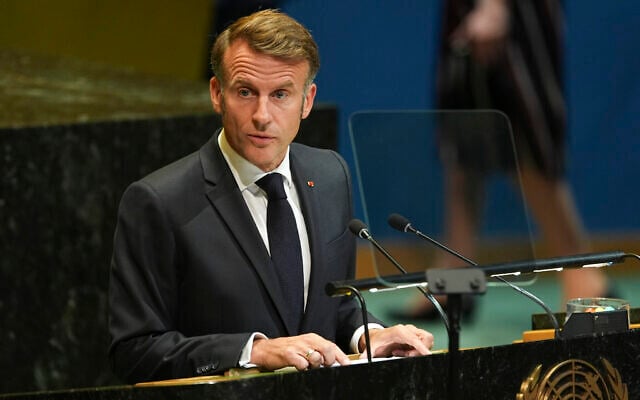
According to the minister, French President Emmanuel Macron’s decision to lead a global campaign to recognize a Palestinian state “was part of an attempt on behalf of the French President to boost popularity by playing to a political audience that he wants to address.”
A two-state solution should be “the end of a process and not the beginning of the process,” Bóka said.
Recognizing a Palestinian state now “could be easily interpreted by some as an appeasement or a gift to those who are not afraid of using violence as a means to achieve political objectives,” he added.
Communist Hungary recognized a Palestinian state in the 1980s, and there is a Palestinian embassy in Budapest.
However, Bóka insisted that Hungary does not fully recognize a Palestinian state: “We recognize the Palestinian Authority as the representative of the Palestinian people in their exercise of the right to self-determination. I think the declaration that we made could be interpreted as recognizing the Palestinian Authority, not necessarily the state of Palestine.”
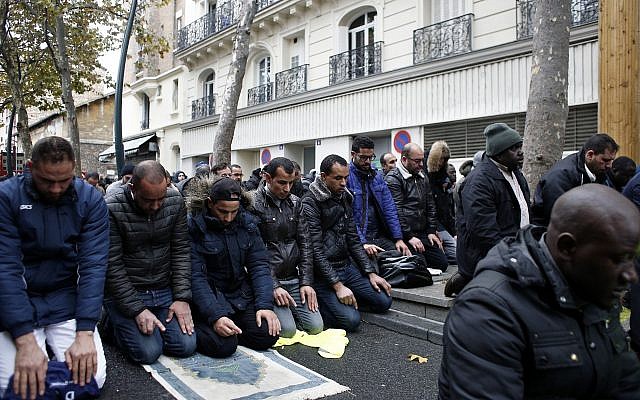
According to Bóka, a major factor in growing support for the Palestinian cause in many European countries is Muslim immigration, a trend that he said threatens the “pillars” of the continent’s civilization, echoing the stance of Hungary’s anti-migrant government.
“If there is mass and uncontrolled illegal migration from Northern Africa and the Middle East, this will necessarily change the fabric of the society,” he argued.
“Radical Islamism has found a partner in the progressive far left,” said Bóka, contending that they have a common goal of destroying European society and its democratic institutions. “The progressive left and the woke activists are the useful idiots of Islamist radicals.”
He described shifting demographic trends as a “civilizational conflict” with potentially dire implications for Jews.
“Those who are in favor of the European civilization and European culture, as we know that is based on Judeo-Christian roots or is rooted in a Judeo-Christian tradition,” said Bóka, “then we must reinforce our efforts so this process will not result in a Europe that is not a welcoming environment for Jewish communities anymore.”
The minister has one Jewish grandparent and grew up active in the Bnei Akiva religious Zionist youth movement, visiting Israel twice with the group in the 1990s. His trip to Israel this month was his fourth to the country.
Antisemitism and Soros
A 2023 poll by the Anti-Defamation League found that 37 percent of Hungarians harbored antisemitic attitudes, the highest figure of 10 countries polled.
Orban himself has been accused of using antisemitic tropes in political campaigns and was criticized for praising World War II-era leader Miklos Horthy, who allied with the Nazis.

“Of course, antisemitism exists in Hungary,” Bóka acknowledged. “There are antisemitic approaches, there are antisemitic feelings, there are antisemitic individuals.”
The important thing, he said, was how the government reacts to antisemitism.
“There is no political antisemitism in Hungary,” said Bóka. “We have increased the political price of antisemitism in Hungary, and we have hugely decreased the benefit of applying political antisemitism as a tool in public discourse. We have a zero tolerance policy towards antisemitism.”
Orban’s zero-tolerance policy on antisemitism recently saw Hungary bar the provocative Irish rap group Kneecap from entering the country and performing at a music festival, accusing the band of “antisemitic hate speech.”
In April, Netanyahu also praised Orban for his “very bold stance against antisemitism.” He added that Orban provides the local Jewish community not only with security but also with the ability to conduct Jewish life.
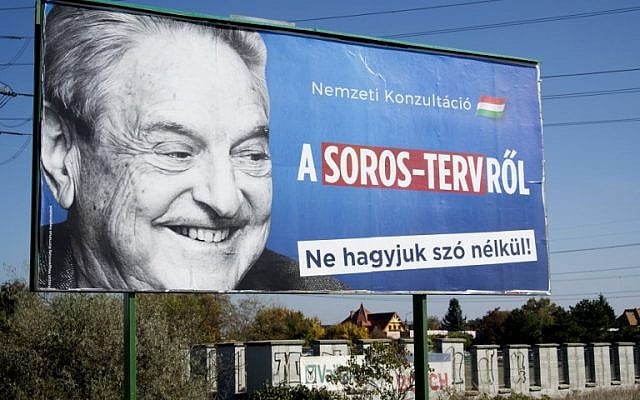
Much of the criticism of Orban has revolved around his opposition to Jewish billionaire George Soros, regularly accusing the US-based philanthropist of orchestrating flows of migrants to Europe by financially backing pro-immigration and pro-refugee civil groups.
The government also says groups supported by Soros interfere in Hungary’s domestic affairs and ultimately aim to topple the hardline Orban.
In 2017, Israel’s ambassador to Hungary slammed a government-led anti-Soros campaign for “sowing hatred” and suggested it evokes memories of the Holocaust.
However, the Foreign Ministry in Jerusalem later walked back the statement, saying Soros “continuously undermines Israel’s democratically elected governments by funding organizations that defame the Jewish state and seek to deny it the right to defend itself.”
Bóka pointed at Hungarian polling that showed that most of the country’s Jews did not see the anti-Soros campaign as antisemitic.
“If George Soros decides to engage in political life, he becomes part of the political discussion, then he can be a legitimate target of political criticism,” he argued.







The Times of Israel Community.