

Demobbed IDF troops rebuild kibbutz on Lebanon border to honor fallen friends
Iconic Kibbutz Manara saw 75% of its buildings damaged and only 40% of its population return after the war with Hezbollah; 10 new residents fresh out of uniform aim to revitalize community
 Add ToI as a Preferred Source on Google
Reporter at The Times of Israel
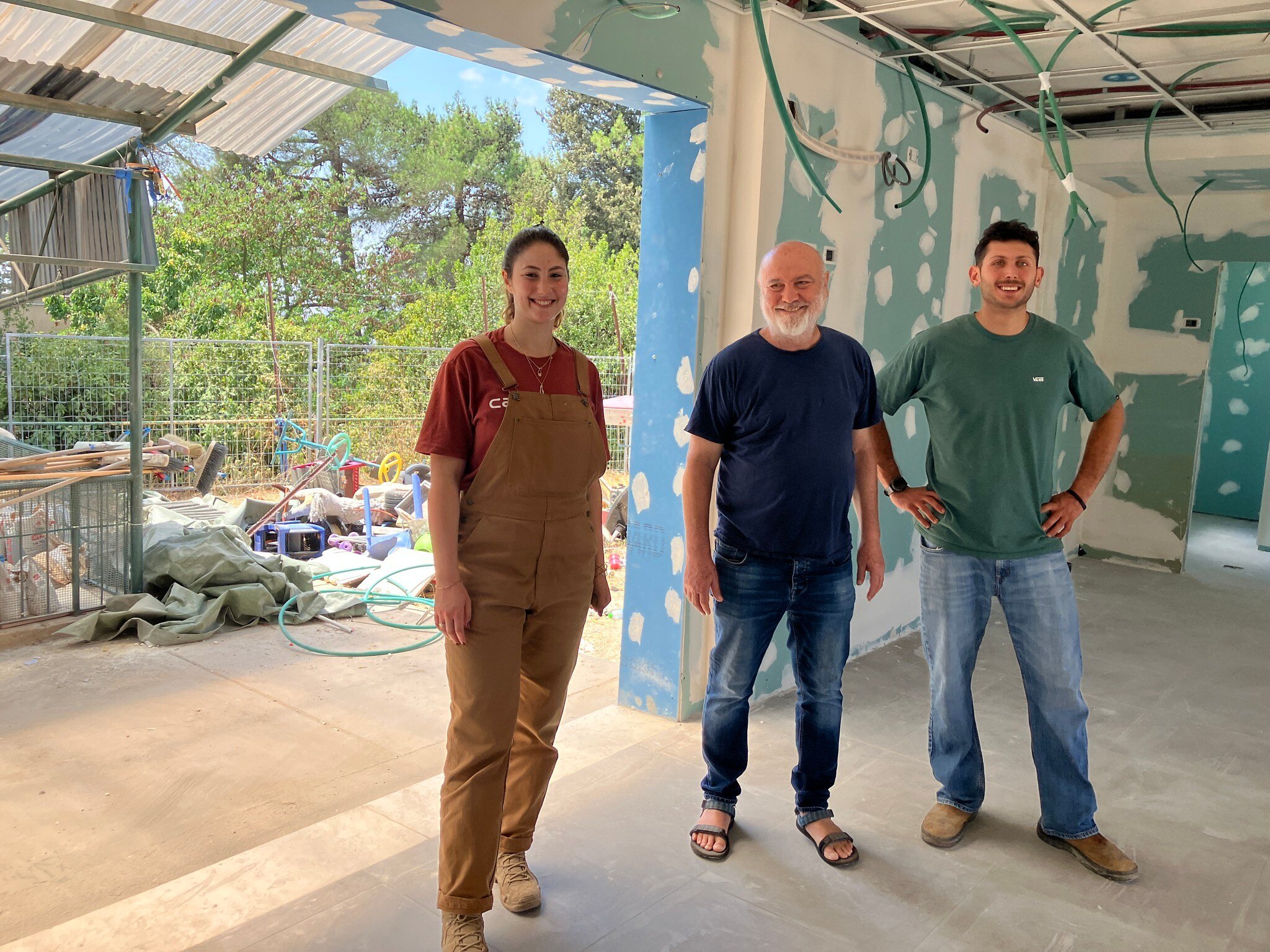
MANARA – A group of 20-somethings has banded together to help rebuild Manara, a kibbutz on the edge of the northern border with Lebanon.
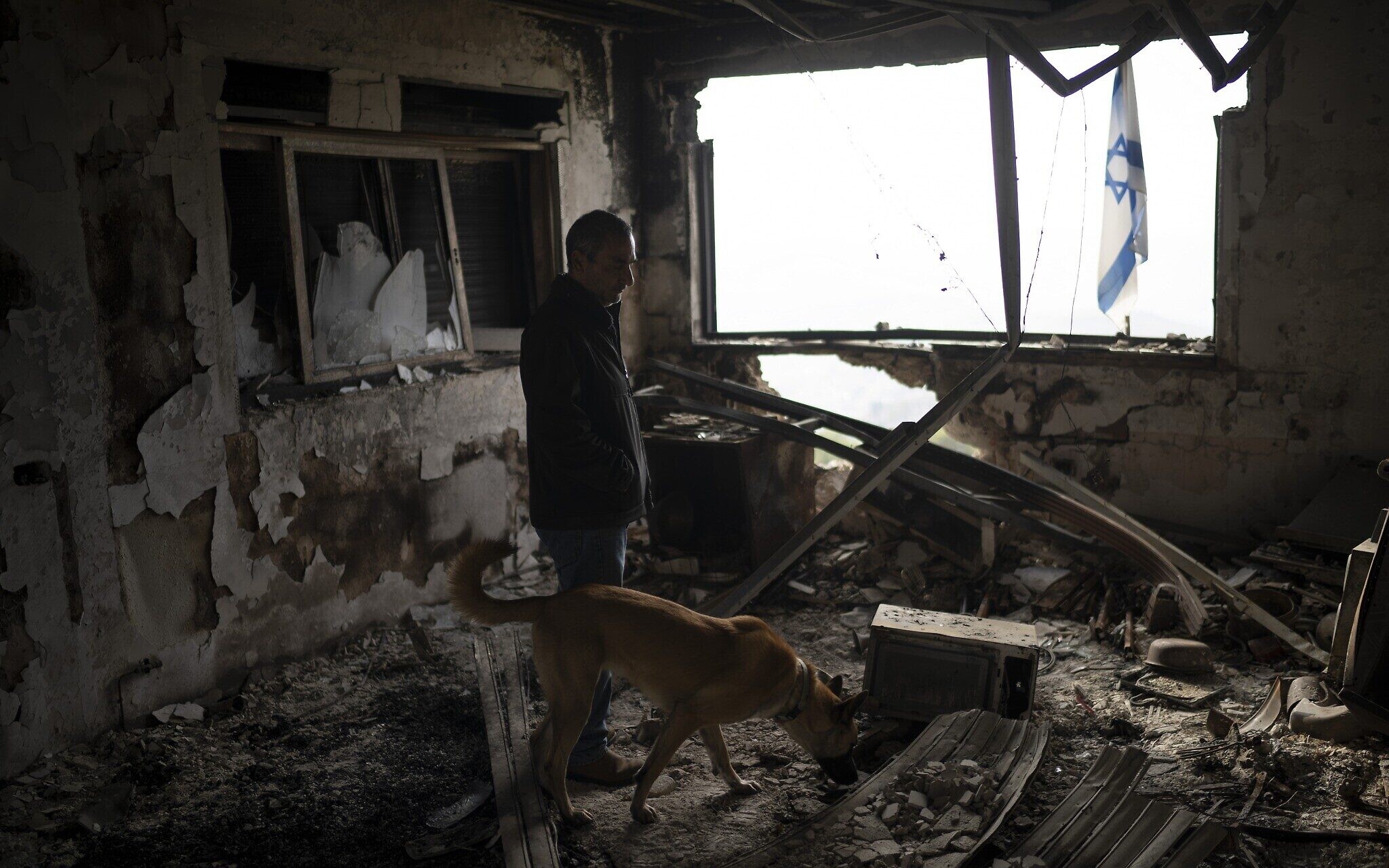
The small community saw 75 percent of its buildings and infrastructure destroyed by Hezbollah rockets and explosive drones during the 14-month war with the Iranian-backed terror group. The kibbutz’s 260 residents were among the 60,000 Israelis evacuated by the government from 43 northern communities during the war.
Since the ceasefire took effect on November 27, 2024, about 40% of Manara’s residents have returned home.
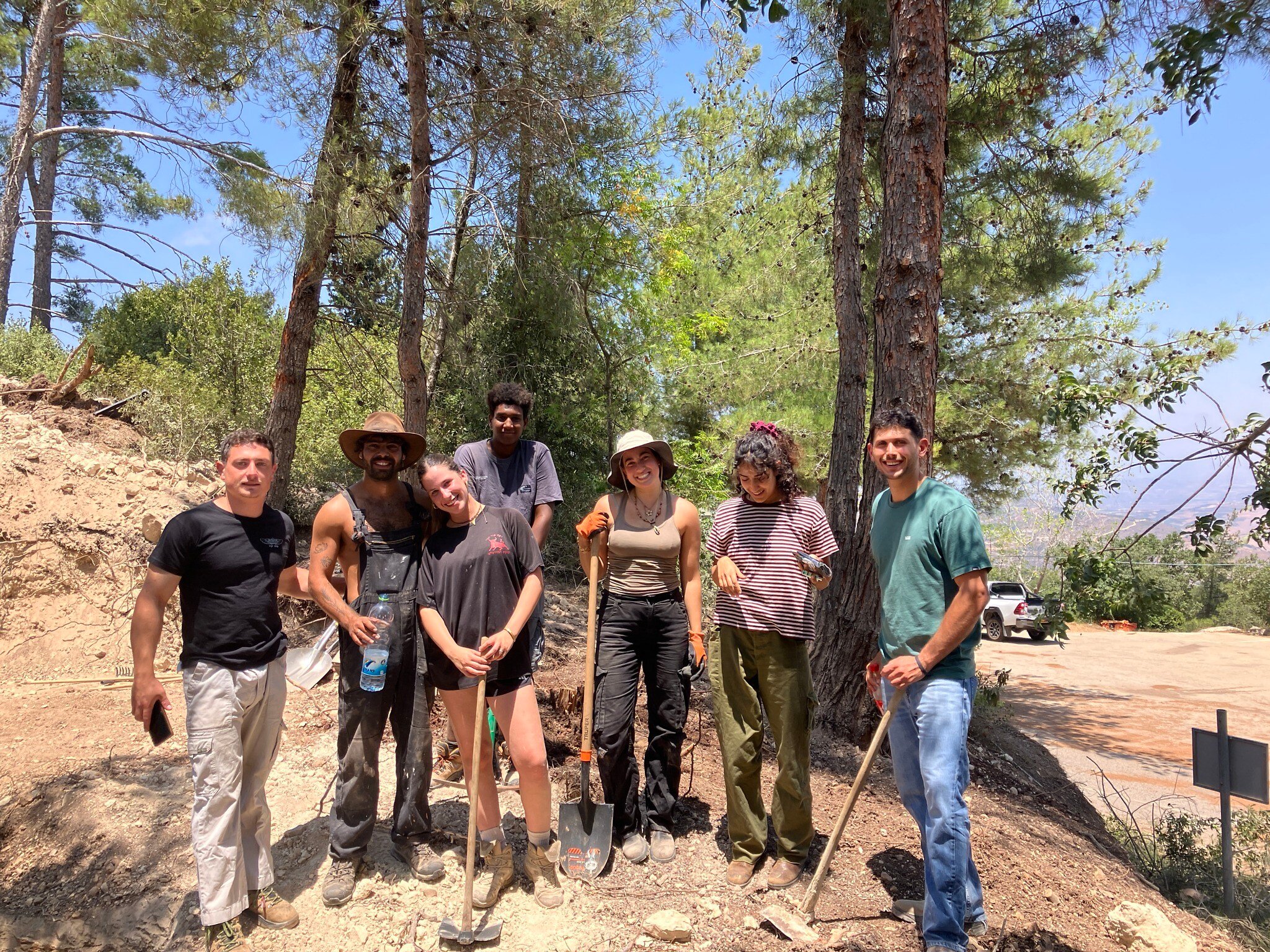
Uriel Weintrub, 23, a former Egoz soldier from Zippori who lost five fellow soldiers during a battle with Hezbollah operatives in southern Lebanon in October 2024, started the grassroots initiative Shuvu Manara (Return to Manara) with a friend, Almog Levanon, 23, from Ra’anana, to help revitalize the battered community.
He said the idea of rebuilding the kibbutz was a way to honor the memory of his fallen comrades.
“We’re here to move washing machines, put up shelves, help with babysitting,” said Weintrub on Tuesday morning as he ate breakfast with some of the other members of the 10-person group, none of whom originally hail from Manara.
They live together in a kibbutz building damaged during the war. Now rebuilt by the team, they sleep three to a room, dormitory-style. The living room and dining room are furnished with reclaimed couches and mismatched chairs, and their army equipment is set up in neat rows by the door.
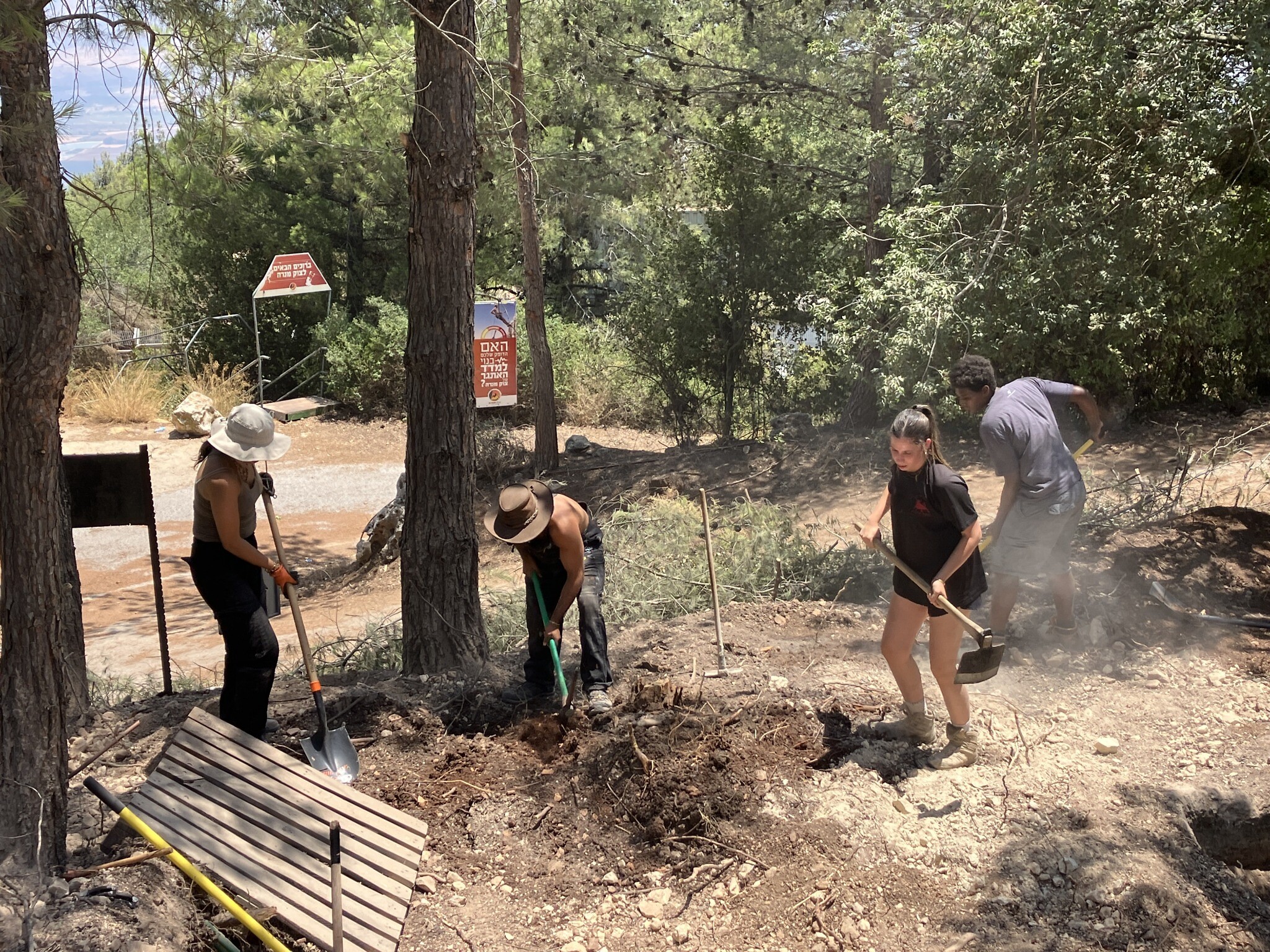
The group guards at night, Levanon said, and works on restoring the kibbutz during the day. They have fixed the library, opened a small pub, and are currently restoring an ancient winepress, earmarked as the centerpiece of an outdoor garden.
“We’re part of the kibbutz and we want to continue to live here,” said Levanon. “If someone needs something, we’re here to help. We’re trying to bring people back.”
The Israel Defense Forces has said that its achievements against Hezbollah since the ceasefire could potentially bring the Lebanese terror group to complete disarmament.
Hezbollah-led forces attacked Israeli communities and military posts with a rain of rockets and drones starting on October 8, 2023, with the terror group saying it was acting in solidarity with the Hamas invasion of southern Israel the previous day. After the decimation of the Hezbollah leadership, intensive IAF airstrikes and an IDF ground campaign into southern Lebanon, a ceasefire was brokered on November 27, 2024.
Approximately 74% of Israelis displaced from the north have returned to their homes.
Speaking to a group of reporters on Monday, outgoing IDF Northern Command chief Maj. Gen. Ori Gordin said that he believed the threats from Hezbollah “are very far away, and there are no immediate threats to the border area, the communities, or the residents.”
However, the IDF will maintain its presence at five points in southern Lebanon near the border to thwart any potential attack on Israel.
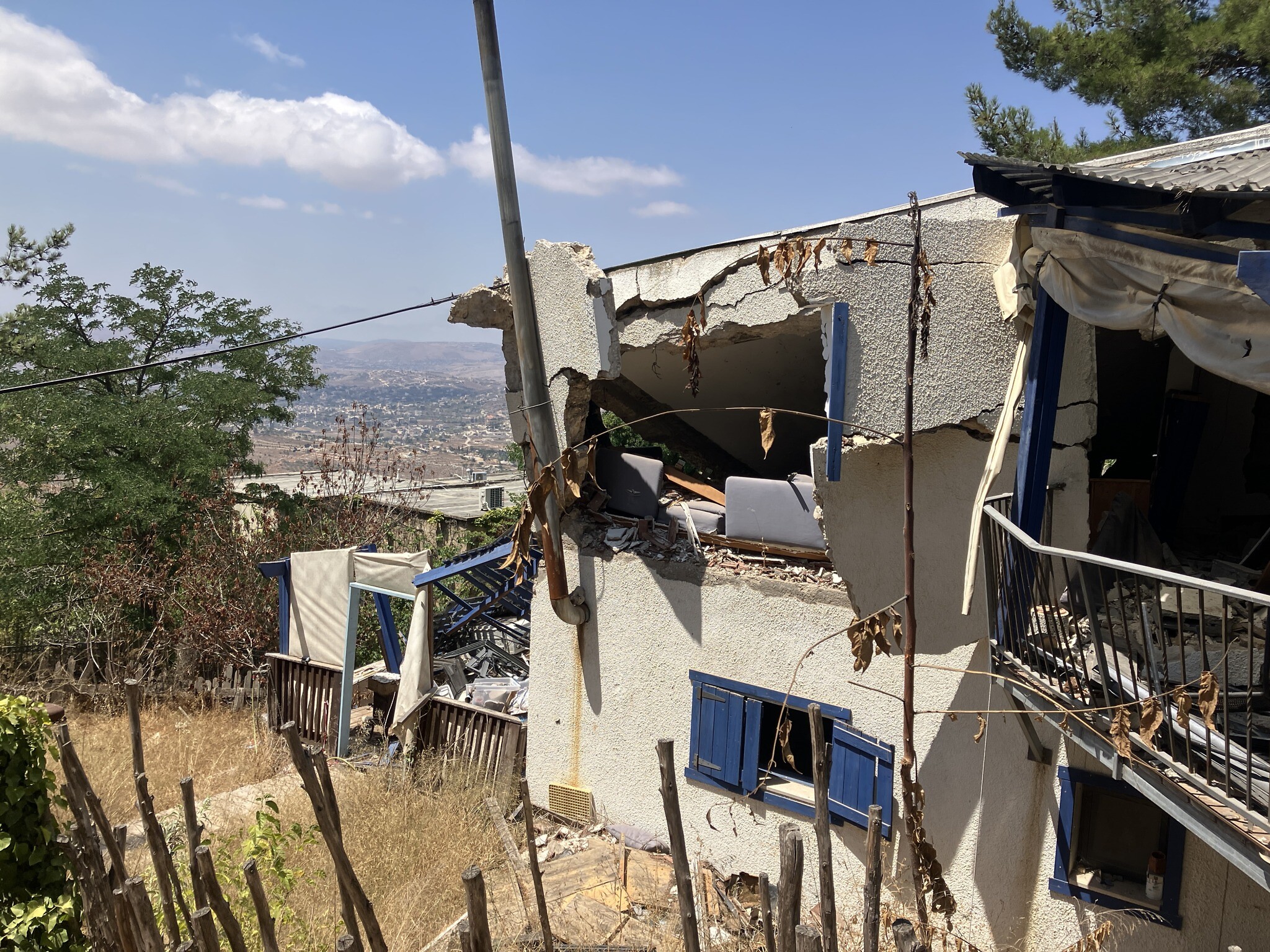
Signs of destruction everywhere on the kibbutz
The kibbutz, founded in 1943, stands on the Ramim Mountain Ridge, the highest peak on the Lebanese border. All around the pastoral kibbutz are signs of destruction and restoration in equal measure.
During a tour of the kibbutz, Ido Shelem, 64, the financial manager, took a Times of Israel reporter to see a nursery school that had been completely damaged during the war.
“We’re going to open it on September 1 with a new bomb shelter connected to the nursery,” Shelem said confidently, even if not all the children will be present.
He expected 60-70% of kibbutz residents to move back by December 31. He explained that the revitalization of the kibbutz was of national importance.
“Manara means lighthouse in Arabic,” Shelem said. “We believe it is a symbol of the north, something that is more important than political ideas. The lights of Manara can be seen by people in Lebanon and in Syria. We won’t let the light of the lighthouse go out.”
Shelem said that after being evacuated for 14 months of war, the community is “traumatized.”
“People lived with so much uncertainty during the war,” he said. “They have returned to the kibbutz, but they have lost their energy. These young people are ‘recharging’ them and giving them hope. It’s something very magical.”
‘No real place for the kids to play’
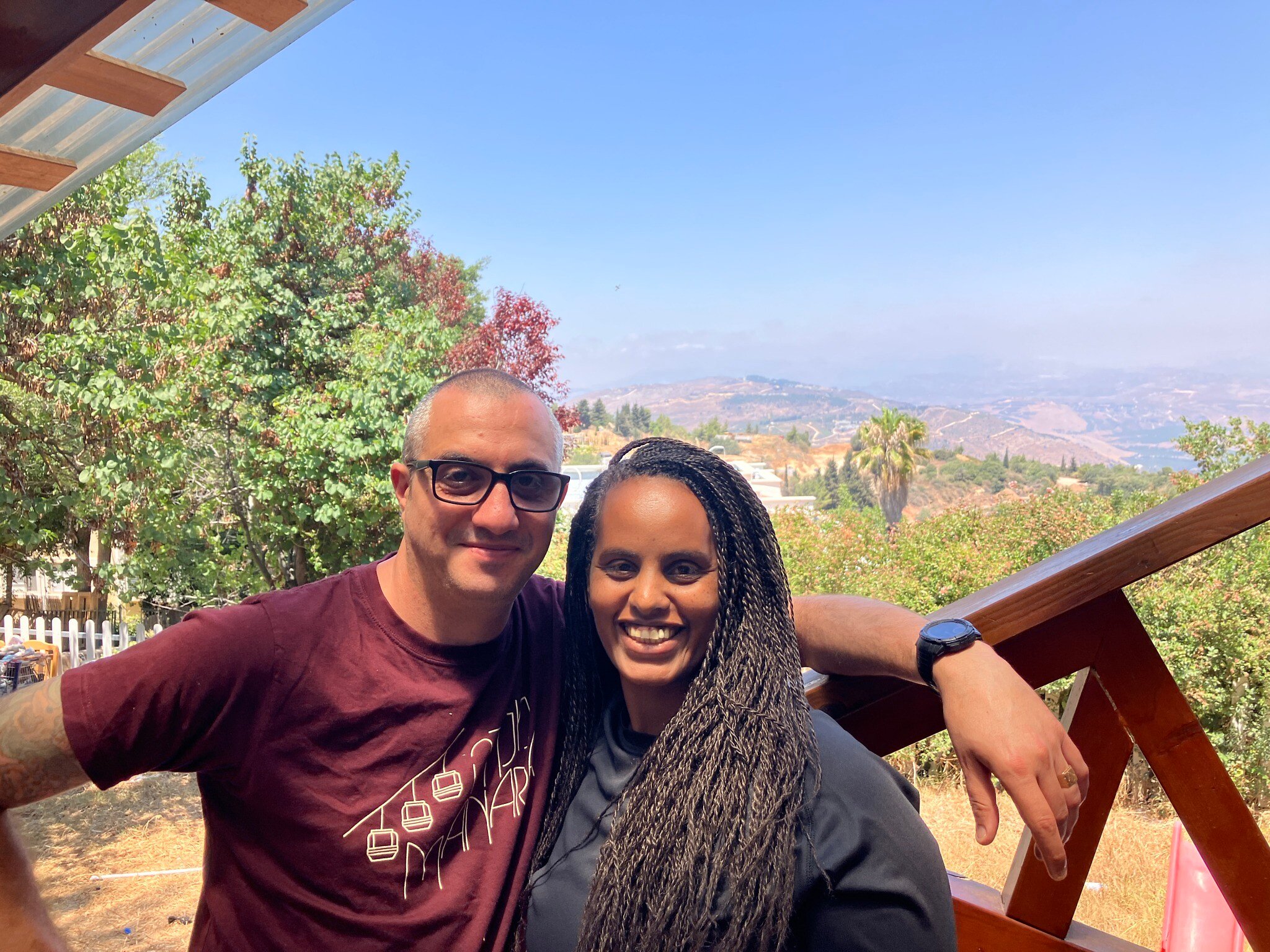
Throughout the 14 months of the war, Manara residents Esti and Tal Rosenberg were separated. Tal stayed in Manara and served as part of the emergency response team while Esti and their four children, ages five to 16, were evacuated and lived in three different places.
“When we returned in April, everything was in ruins,” said Esti, who runs the informal educational programs in Manara, which are still in the process of getting reorganized. “It’s true that there’s nothing like being at home. But it’s still hard because there’s no real place for the kids to play.”
She said that the family has lived on the kibbutz since 2015. They stayed during the 12-day war with Iran, when the country launched over 500 ballistic missiles and around 1,100 drones at Israel.
The family has no safe room in their house, so during each siren, they had to carry their five-year-old son, who is on the autism spectrum, to a nearby bomb shelter.
“He learned English on YouTube and kept saying, ‘I’m scared, Mommy, I’m scared,’” Esti recounted. She said that he is doing better because there haven’t been sirens for a while.
She and her husband stood with The Times of Israel on the front steps of their home with a commanding view of Lebanon in the distance.
“Before October 7, I was never afraid,” Esti said. “We never even thought about being attacked. We lived in an illusion.”
She said that despite the difficulties, two families had returned the previous day and people are “slowly coming back.”
“We’re accepting new families to live here,” she said. “There’s optimism that we’ll rebuild the kibbutz. Yes, there’s definitely hope.”








The Times of Israel Community.