

Despite boycott, High Court chief says he still extends a hand to Justice Minister Levin
In a rare interview on the occasion of International Holocaust Remembrance Day, Isaac Amit vows legal system will ‘continue on our path’ despite attempts to weaken it
 Add ToI as a Preferred Source on Google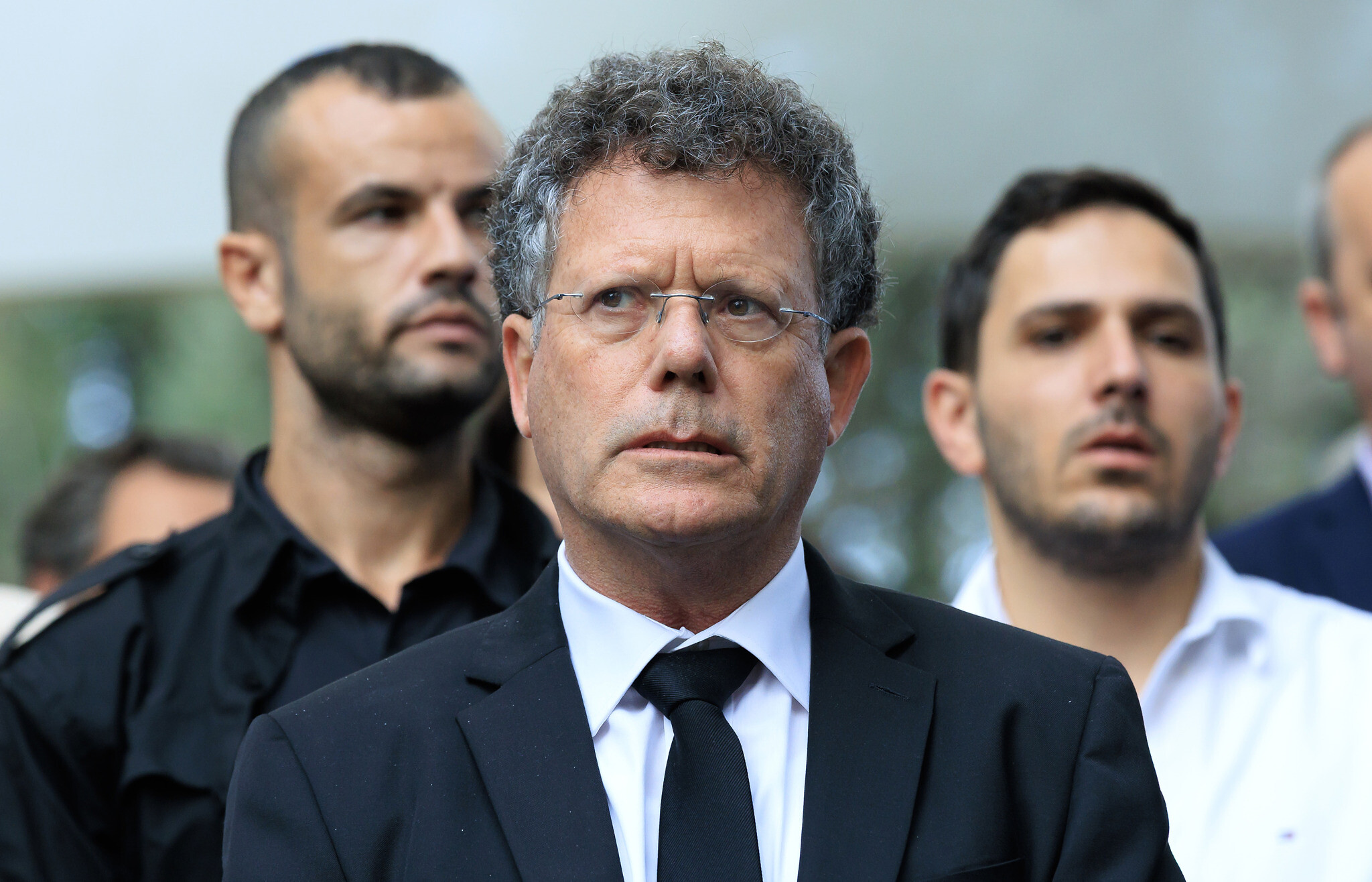
Supreme Court President Isaac Amit has continued to reach out to Justice Minister Yariv Levin, he said on Tuesday, despite Levin’s refusal to acknowledge the top judge’s authority.
“I am always extending a hand, with everything concerning the efficient functioning of the legal system,” Amit told the Kan public broadcaster in a rare interview. “But as I have already said, I have not seen a hand offered in return.”
Amit, the child of Holocaust survivors, was speaking on the occasion of International Holocaust Remembrance Day, which falls on January 27.
He appeared determined to focus exclusively on his parents’ stories, and only briefly addressed the rift between the legal system and the political leadership when prompted.
Levin has boycotted Amit since the latter’s appointment in January 2025, refusing to meet with him or address him as head of the court, and has failed to publish his appointment as chief justice in the state gazette, as required by law.
Some members of the government have followed his lead, and Diaspora Affairs Minister Amichai Chikli and Communications Minister Shlomo Karhi have both publicly called on the government not to abide by specific court orders and decisions on several occasions.
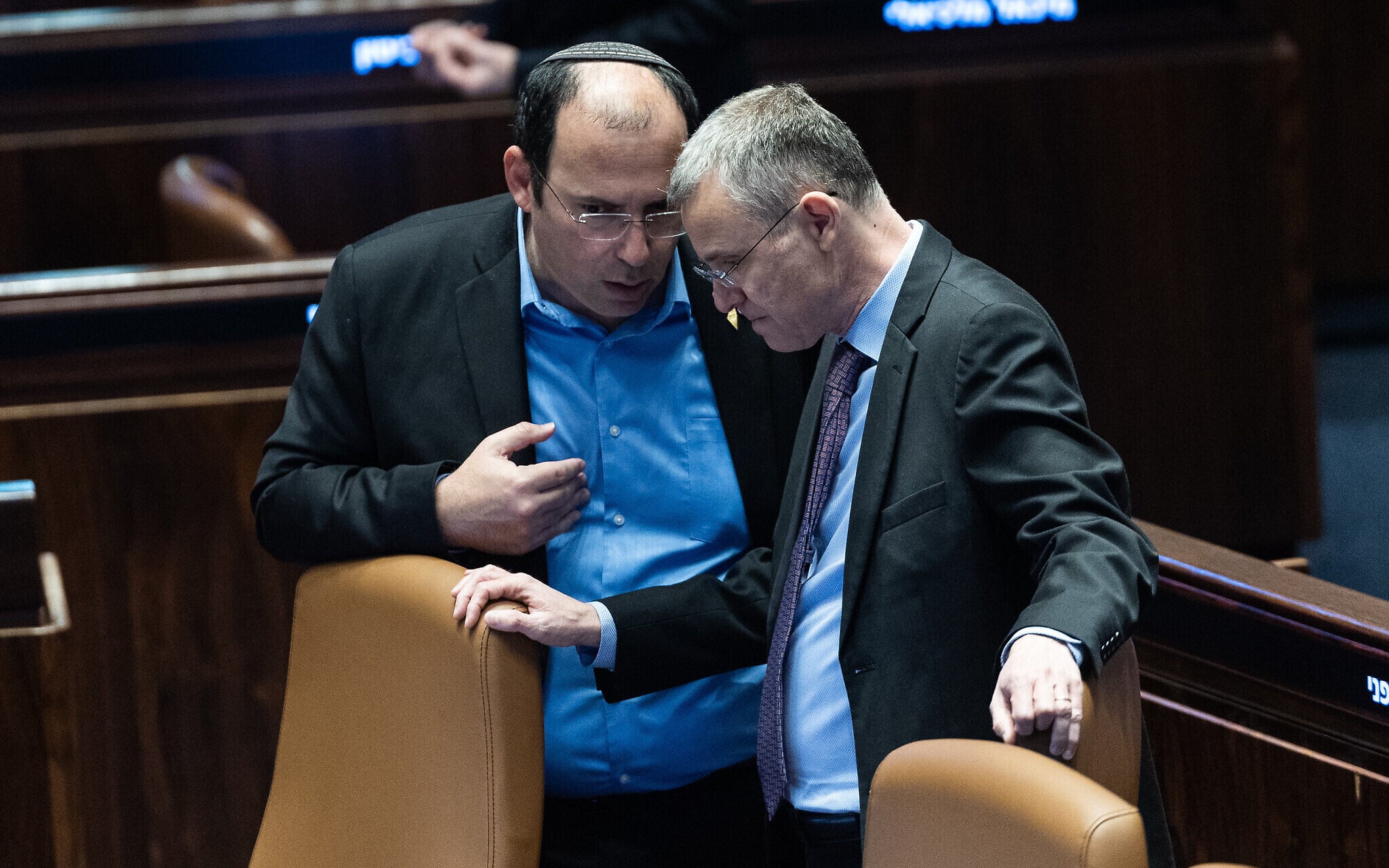
Asked about the attempts to delegitimize the Supreme Court and weaken its powers, Amit told Kan that the legal system “will continue on our path” no matter what.
“I see the legal system like the health system. A legal system that offers services to the citizens, that provides an essential service,” he said, adding that the importance of the legal system was evident “just now, in the war, when the courts were open while under fire.”
Levin’s boycott of Amit has been part of a wider judicial overhaul that has seen the government gradually wresting power away from the courts in moves that have sparked large-scale public protests, with critics saying they are an attempt to break down the system of checks and balances and undermine democracy.
Levin stopped meeting with Amit’s predecessor Uzi Vogelman in mid-2024, when Vogelman refused to accede to a demand from the justice minister to ditch the seniority system for appointing a president under which the Supreme Court justice with the most years on the court becomes the sole candidate for the position. The system is intended to prevent politicization of the selection process.
The justice minister then refused, for 16 months, to call a vote in the Judicial Selection Committee for appointing a new president, since he did not have enough votes to appoint his preferred pick, Yosef Elron. This led the High Court of Justice to eventually order Levin to hold a vote in January 2025.
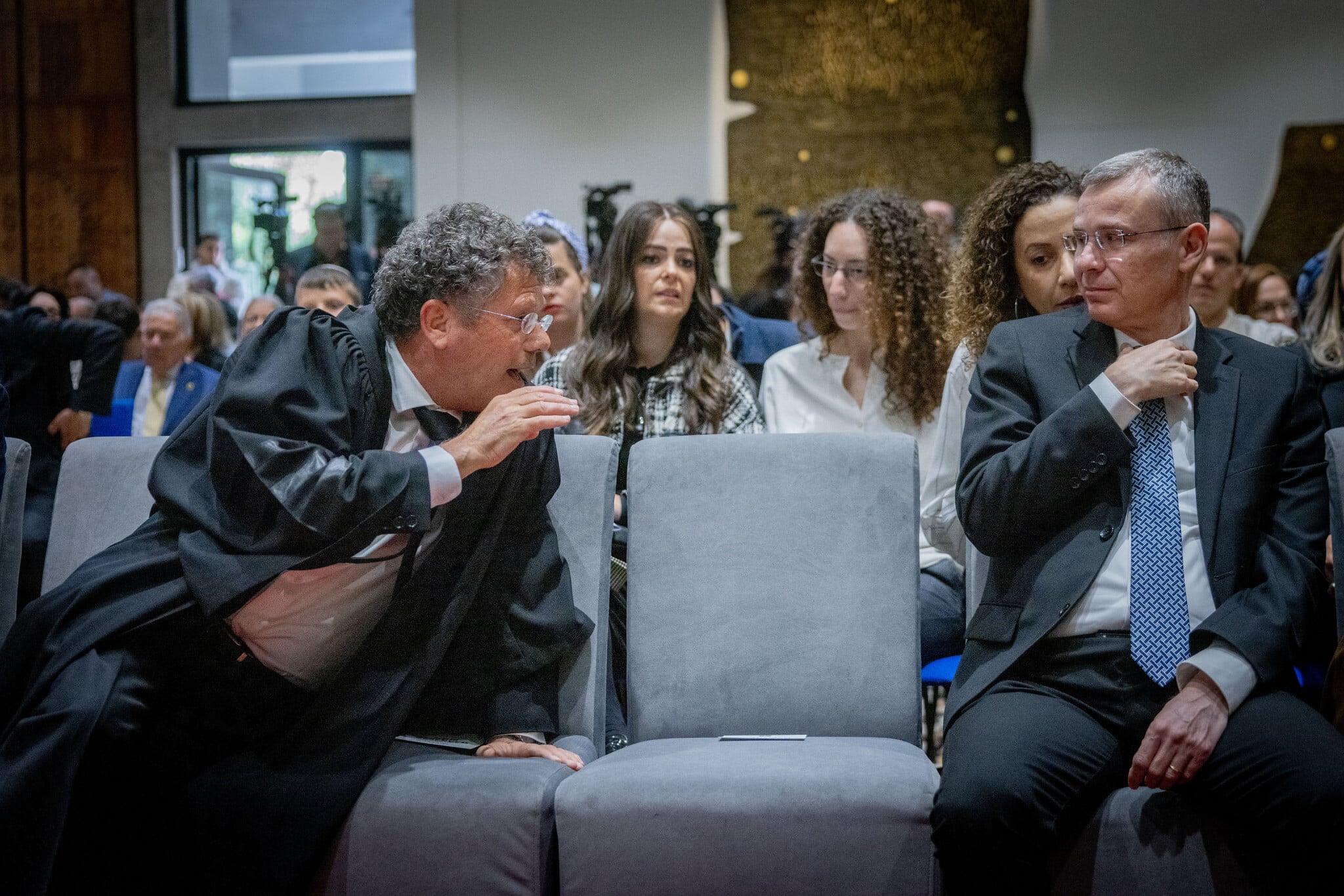
Touching on the government’s attempts to pass a slew of bills intended to weaken the judicial system, Amit acknowledged to Kan that the Supreme Court, sitting as the High Court of Justice, would inevitably be required to wade into the fray.
“It can be assumed that this flood of legislation will reach our desks sooner or later, and we will have to address it,” he said, but requested not to discuss the matter further as he had agreed to give the rare interview on the expectation that he would only be speaking about his parents’ experiences in the Holocaust.
To that end, he discussed his experiences growing up in a home where the Holocaust was “present-absent,” meaning there was no need to speak about it, as it was obvious that it existed in the background.
Amit’s father spent the Holocaust in several Nazi camps, including the Buchenwald and Plaszów concentration camps and the Skarzysko-Kamienna labor camp.
His mother, at just six years old, was abandoned in a forest after her family was murdered, and was taken in by the local priest, Amit recounted, where she was raised alongside his children for the next six years.
Levin, several hours after Amit’s interview, retorted that if the Supreme Court president was sincere about “extending a hand” to resolve the frozen relations between the two, he should allow the appointment of two conservative legal scholars to the Supreme Court, which the justice minister has been pursuing since the beginning of his term in office.
“Judge Amit, if your words are sincere then it’s basically very simple: Respect the government and the Knesset, remove the ‘no’ you have placed on the fitting candidates Dr. Aviad Bakshi and Dr. Raphael Bitton,” said Levin, continuing his refusal to refer to or recognize Amit as Supreme Court president.
“The ball is in your court,” he added, mimicking Amit.
A spokesperson for Levin declined to say whether Levin would in return recognize Amit as Supreme Court president should Bakshi and Bitton be appointed to the court.







The Times of Israel Community.