

Distracted Nation: As Israel focuses on wars, its neighbors are gaining in the AI race
Saudi Arabia and the UAE are increasingly investing money, time and effort into developing a resource that could shift the global power balance. Has Israel missed the bandwagon?

 Add ToI as a Preferred Source on Google
Shoshanna Solomon was The Times of Israel's Startups and Business reporter
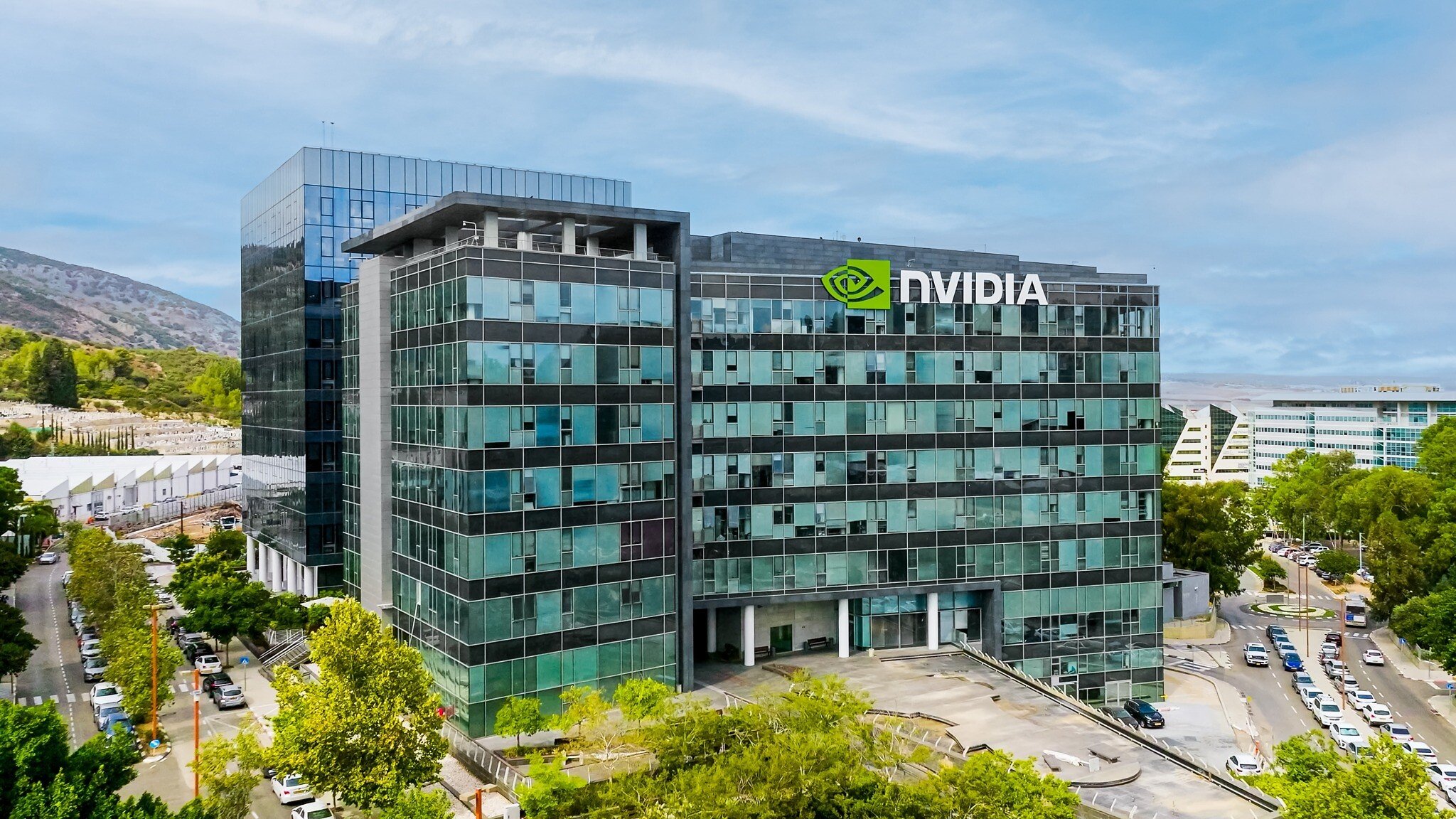
The news that chipmaker giant Nvidia is reportedly planning to set up a massive campus in Israel with billions of dollars in investment brought some cheer to tech leaders who are concerned that Startup Nation could be missing out on a regional artificial intelligence boom as it remains mired in wars.
Nvidia, the world’s most valuable company with a market cap of $3.9 trillion and the global leader for AI semiconductors and processors, published a request for information on Sunday seeking to acquire land for building rights of between 80,000 to 180,000 square meters (roughly 850,000 to nearly 2 million square feet) in northern Israel.
Nvidia declined to comment on its plans for the land, but industry sources confirmed reports of a high-tech campus, adding that the US firm seeks to expand operations in Israel and increase the number of local employees. Nvidia currently employs 5,000 workers in Israel.
“Nvidia’s plan to build a flagship R&D mega-campus in the Galilee is more than a real estate investment — it’s a vote of confidence in Israeli engineering talent, in the country’s ability to regain stability after the recent 12-day war with Iran, and in the potential for world-class technological innovation in Israel’s north,” said Uri Gabai, the CEO of RISE Israel Institute, a think tank focused on innovation.
“This campus will add another cornerstone of the large-scale AI infrastructure Israel needs to stay competitive in the global race for artificial intelligence,” said Gabai.
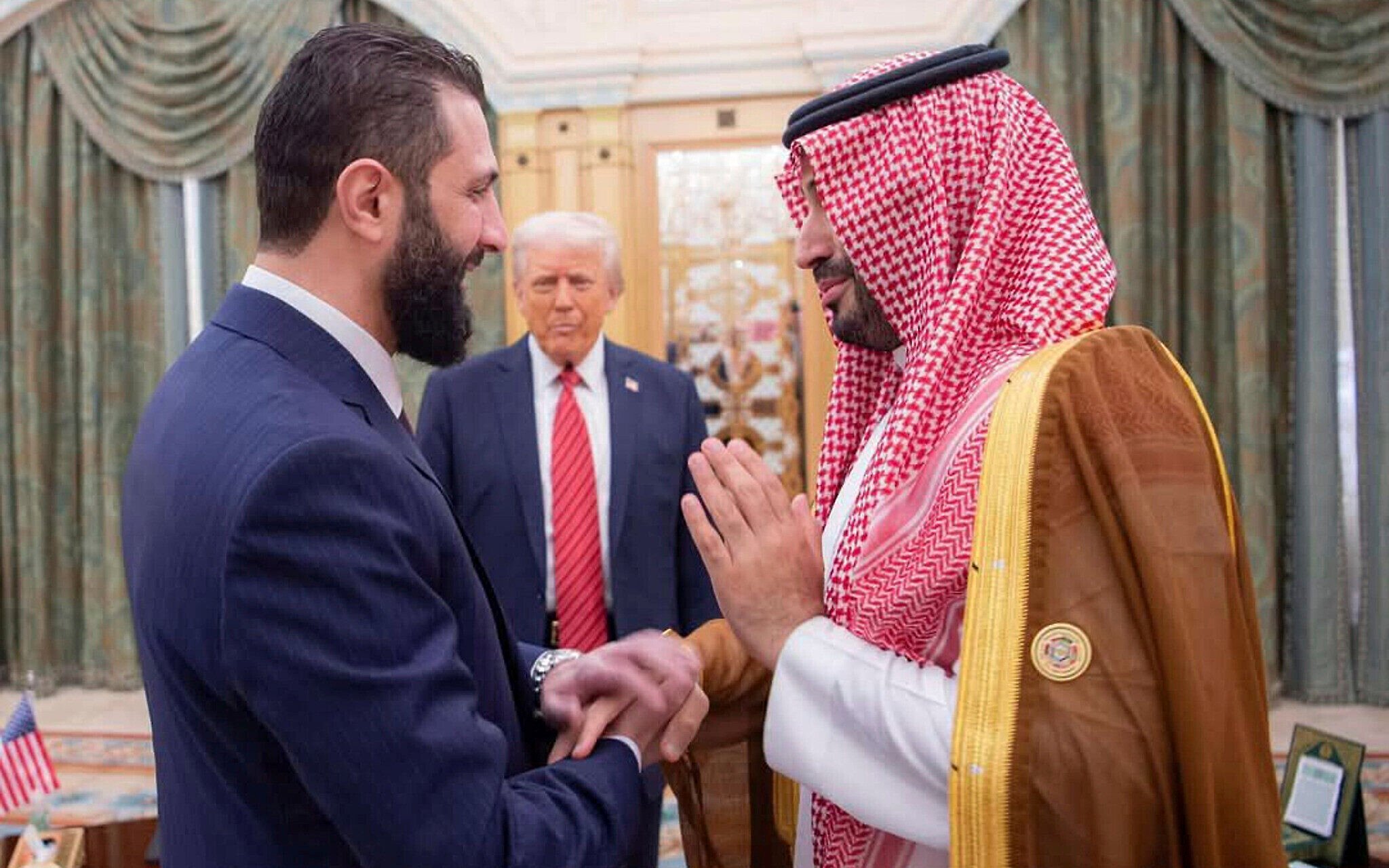
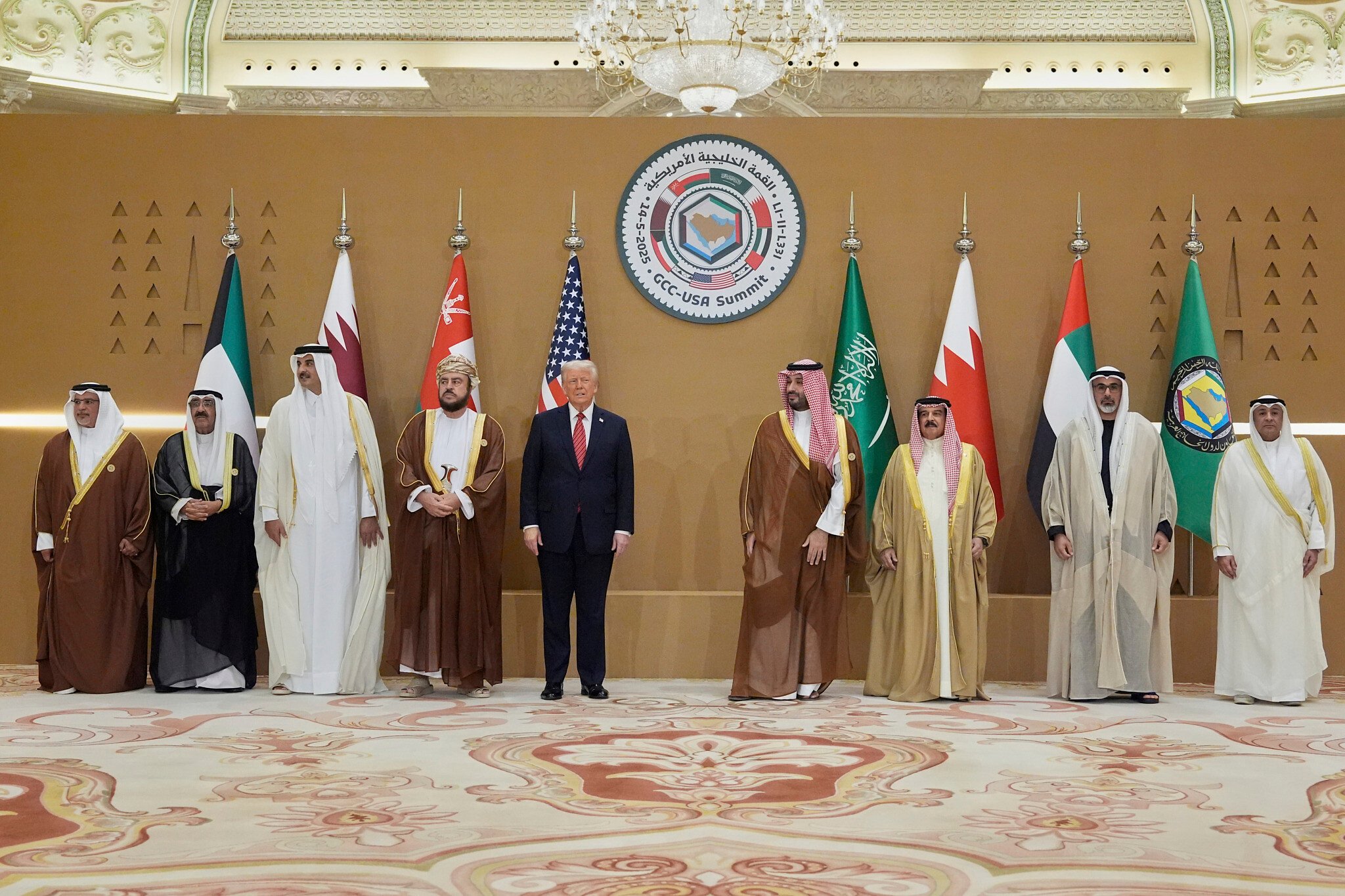
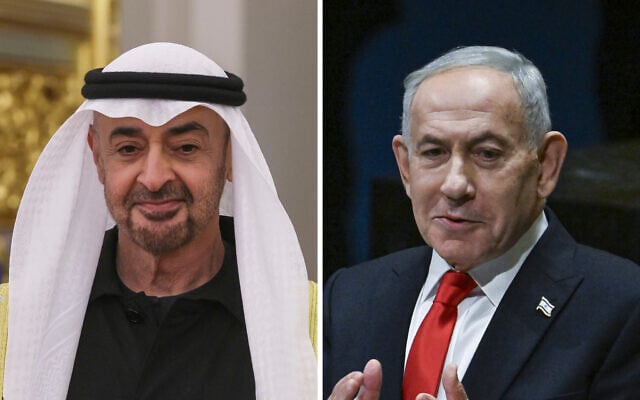
Gabai and others in Israel had watched with dismay as US President Donald Trump and United Arab Emirates President Mohamed bin Zayed Al Nahyan announced with great fanfare in May the joint launch of the largest AI campus outside the US. Israel could have been at that party — but it wasn’t, Gabai said.
It was “a missed opportunity,” he said. “We could have been part of that deal.”
As Israel assesses the gains and the losses of the Iran conflict while still mired in the Gaza war that began with the Hamas-led terror invasion of October 7, 2023, many are concerned it may be missing out on the global race for supremacy in the realm of artificial intelligence, a resource considered to be as essential as oil and a tool that can reshuffle the global power balance.
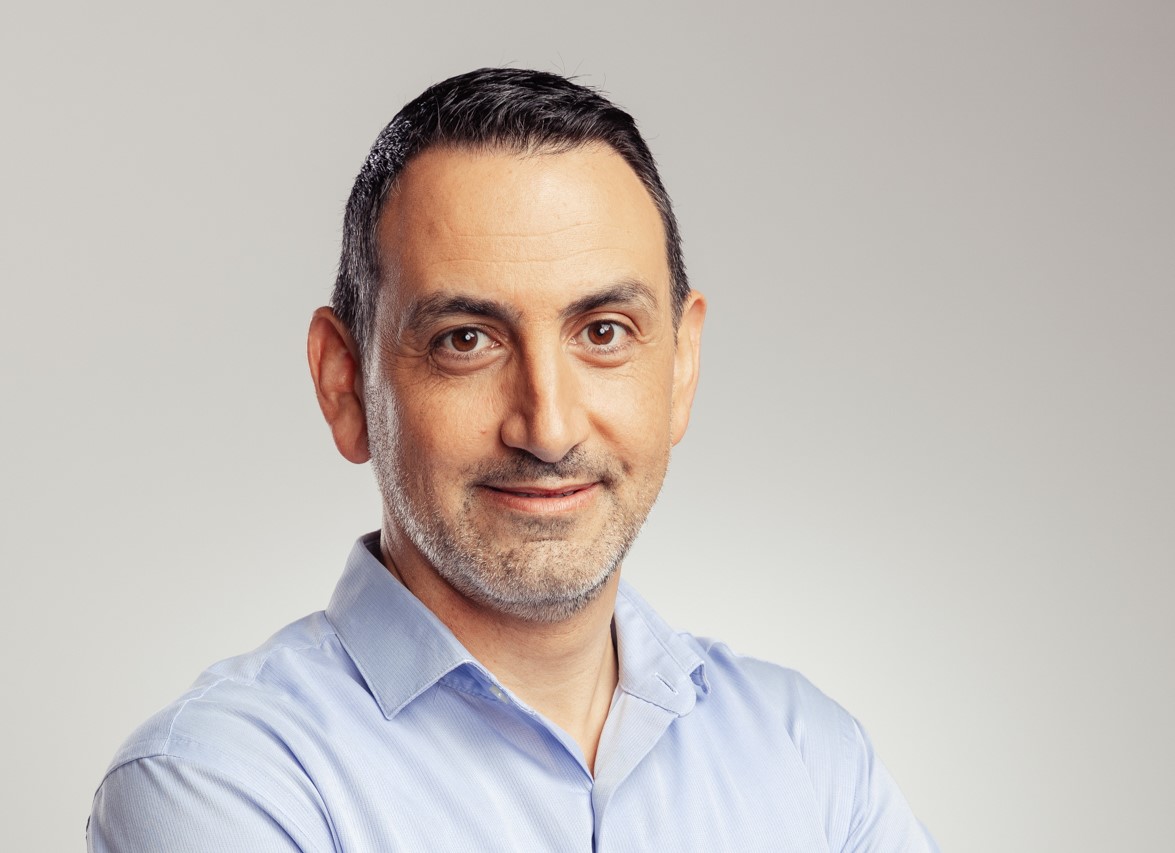
“I’m worried we’re going to miss the boat,” said Prof. Eran Toch, head of the industrial engineering department at the Faculty of Engineering at Tel Aviv University. “Maybe we will be able to catch up in the future, but things are moving now.”
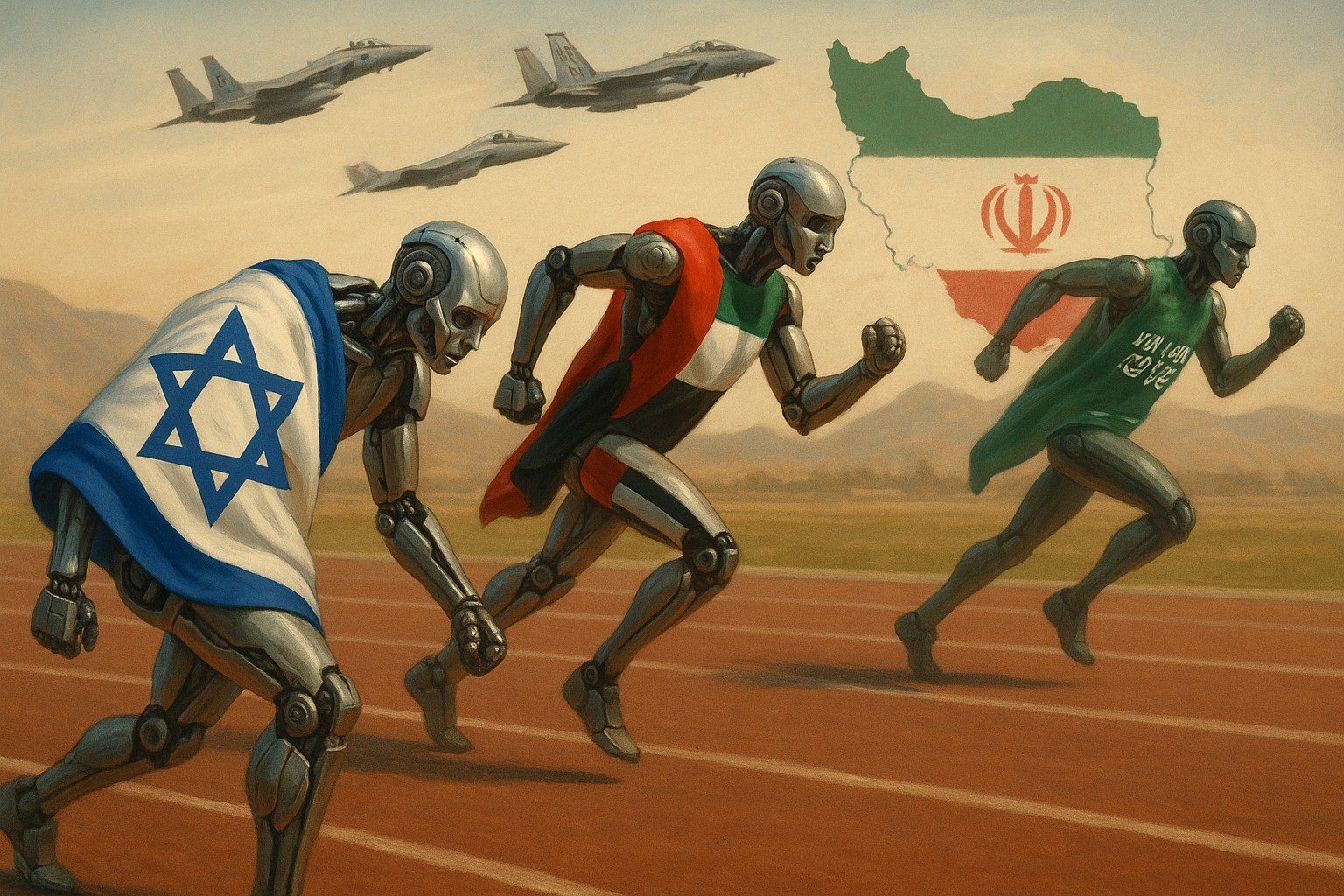
The global AI race has continued to zoom, even as Israel’s attention has been focused on Gaza, then Iran, and now back on Gaza, note experts. And as the war with Hamas in Gaza drags on, experts warn the Jewish state could be missing the window of opportunity to expand the Abraham Accords to include Saudi Arabia, a major regional economy that has the potential to redefine collaborations in the region. The Abraham Accords, signed in 2020 and mediated by the US, are bilateral agreements for Israel’s normalization of ties with the UAE, Bahrain, and Morocco.
Now, the recent ceasefire with Iran has led to hopes of a new dawn of cooperation in the region — and hopefully also a Gaza deal. Prime Minister Benjamin Netanyahu landed in Washington on Monday for face-to-face meetings with US President Donald Trump and other senior US officials amid optimism that the visit could help yield agreements leading to the end of the Gaza war, the release of hostages held by terrorists in Gaza, and possibly wider peace deals with Israel’s neighbors, including Syria.
“Now that the conflict with Iran is hopefully behind us and the region seems heading toward greater stability, Israel could seize the opportunity to join regional alliances that would strengthen its innovation ecosystem,” said Gabai.
Currently, Israel lacks both the strategy and the massive investments that allow other countries, including the UAE and Saudi Arabia, to make huge leaps forward in the realm of AI, experts say.
Plans for the new 10-square-mile US-UAE campus in Abu Dhabi, unveiled on May 15, include five gigawatts of capacity for AI data centers that will provide regional services, and a science park to boost AI innovation, the US Embassy said in a statement. The campus will work in partnership with several US companies, the statement said, including OpenAI, Nvidia, Cisco and Oracle, most of which also have a strong presence in Israel.
While it is natural to set up such a center in the UAE considering the massive amount of energy, investment and land needed, Gabai said in a phone interview that the venture “could have been a US/UAE/Saudi/Israeli partnership around AI in which Israel can bring the talent, the entrepreneurs, companies and technologies.”
With private AI startups, why is Israel not in the AI race?
Artificial intelligence — the tech that gives computers the ability to learn — has been around since the 1950s. But over the last decade, the field has enjoyed a renaissance made possible by the huge amount of data available online and the higher computational power of chips. The potential of generative AI such as OpenAI’s ChatGPT, which can create complex content that resembles human creativity, is setting the world abuzz and has triggered a global AI rush.
“AI adoption has accelerated at an unprecedented rate,” Stanford University said in its 2025 AI Index Report. In 2024, private AI investment surged to over $109 billion in the US, $9.3 billion in China, and $4.5 billion in the UK, the report said. Governments are also “ramping up their involvement,” the report said, and several countries have launched billion-dollar national AI infrastructure initiatives, including huge efforts to expand the energy and data capacities needed to boost the development of the sector.
Israel is known globally for its tech prowess, which has earned it the title of Startup Nation. It also has a thriving private-sector AI scene, with some 2,300 AI-related startups that have garnered some $15 billion in private investment in the past decade, according to data compiled by the nonprofit Startup Nation Central and the Israel Innovation Authority. The nation is host to more than 30 global semiconductor R&D centers, including that of Nvidia, the US-based behemoth maker of the graphics processing units (GPUS) widely used for the computation-intensive tasks required by AI. Israel is also placed high among nations with strong AI capabilities in global rankings.
However, the tiny Middle Eastern nation lacks an overall vision and strategy for the promotion of AI nationally alongside much-needed investment in infrastructure, including computing power and chips. This could put the country at a disadvantage compared to other nations, including the UAE and Saudi Arabia, which are rushing ahead in what Dror Bin, the CEO of the Israel Innovation Authority, said is an “international technological arms race.”
In 2021 Israel launched its National Program for Artificial Intelligence. But little of this master plan has been implemented, as Netanyahu’s government was busy first with a controversial judicial overhaul, then with Gaza and Iran. This has raised concerns that Israel may be missing out on the global AI wave.
“What is lacking right now is a clear government strategy that says yes, we are going to be a leader in AI,” said Gabai.
The government is aware: A damning report on Israel’s AI preparedness by the nation’s State Comptroller published in November 2024 said that Israel “lacks a comprehensive long-term national strategy” for AI. Government endorsement of AI programs has been sporadic and slowly implemented, missing deadlines. “Consequently, Israel’s standing in the international arena has begun to erode,” the report said.
Indeed, the nation dropped from fifth place to ninth between 2021 and 2024 in an overall ranking of 83 countries in the Tortoise Global AI Index. The US and China held the top two positions, while Singapore, with an economy similar to that of Israel, shot up to third place from sixth, and France from 10th to fifth.
Israel ranked third globally in the 2024 Tortoise index for its level of startup activity, and seventh for talent, but ranked a low 65th for operating (regulatory) environment, 31st for government strategy and 26th for infrastructure (from electricity and internet to supercomputing capabilities). Saudi Arabia and the UAE, which ranked respectively 14th and 20th overall in 2024, both outperformed Israel regarding government strategy and operating environment but lagged significantly in talent.
In the Oxford Government AI Readiness Index for 2024, Israel rose three places to 17 from 20 in 2021, while the UAE shot up six places, from 19 to 13, and Saudi Arabia jumped 12 places from 34 to 22.
The UAE is on track to become a global AI hub, the US May statement said. It appointed a minister of artificial intelligence in 2017, launched a national AI strategy, and set up the Mohamed bin Zayed University of Artificial Intelligence in 2019. In May, Saudi Arabia set up a new company to develop and manage AI technologies in the kingdom, aiming to become a global center for AI. It reportedly also has plans to create a $40 billion fund to invest in AI.
With no clear vision, private AI startups may look abroad
“I’m jealous,” Dr. Shimon Shahar, the scientific manager of the Center for AI and Data Science at Tel Aviv University, told The Times of Israel in a recent office visit.
“At Tel Aviv University, we take pride in being at the forefront of technological advancement,” he said. “However, our center receives just a fraction of what it would ideally require in funds and equipment to attract top talent and advance AI research. Ideally, our center needs an annual budget of $10 million to $20 million, and in practice, the budget is just $2 to $2.5 million annually. This makes the competition hard.
“Investment in the sciences is crucial for the future of this country, and I honestly don’t understand why the government fails to allocate the necessary funding to support research that is so vital to Israel’s future,” said Shahar.
This will eventually also impact on the startup scene, as much of the high-tech talent stems from universities.
“It is not easy to create technological superiority,” he said.
Too little, too late?
Change may be on the way, but it may be too slow to arrive, the experts say.
In May, the Israel Innovation Authority, in charge of fostering the local tech industry, said it has “taken a major step forward” in AI with the launch of its national supercomputer, which will offer “unprecedented accessibility and affordability for Israeli startups, companies, and researchers to train AI models at scale.” The multinational firm Nebius was chosen to set up the facility in Israel, a statement said.

The authority also published a report in April offering insights into the state of AI in Israel and laid down steps that are essential to promote the national AI program. These include setting up a national research institute; investing in large-scale AI research initiatives; pooling and providing access to data assets; and expanding the number of AI experts in Israel.
The Nebius project is “great,” said Avi Hasson, the CEO of Startup Nation Central, but the capacity it will provide of 4,000 GPUs is now already “far from what we need.”
Nvidia’s announcement about its land purchase, he said, “is a significant milestone for the country. Nvidia is not just another tech company. It is the global leader in AI infrastructure. Israel already plays a strategic role in the company’s operations, and this move underscores that importance.”
“True, Israel wasn’t invited to the regional AI ‘party,’ but make no mistake, what gets built there will be developed in Israel. This is a critical and strategic step forward for Israel’s innovation ecosystem,” Hasson said.
Even so, said Hasson, Israel is “not playing alone” in the AI field.
“There is a risk that… we will not fulfill our potential… Instead of starting together, we’re starting 100 meters behind,” he said.





The Times of Israel Community.