

Heading to UK, Herzog in op-ed calls for wider Mideast dialogue, but not with Iran
Writing in The Sunday Telegraph, president says Abraham Accords and formation of Israel’s cross-party government are ‘extraordinary events that should inspire hope’ for region
 Add ToI as a Preferred Source on Google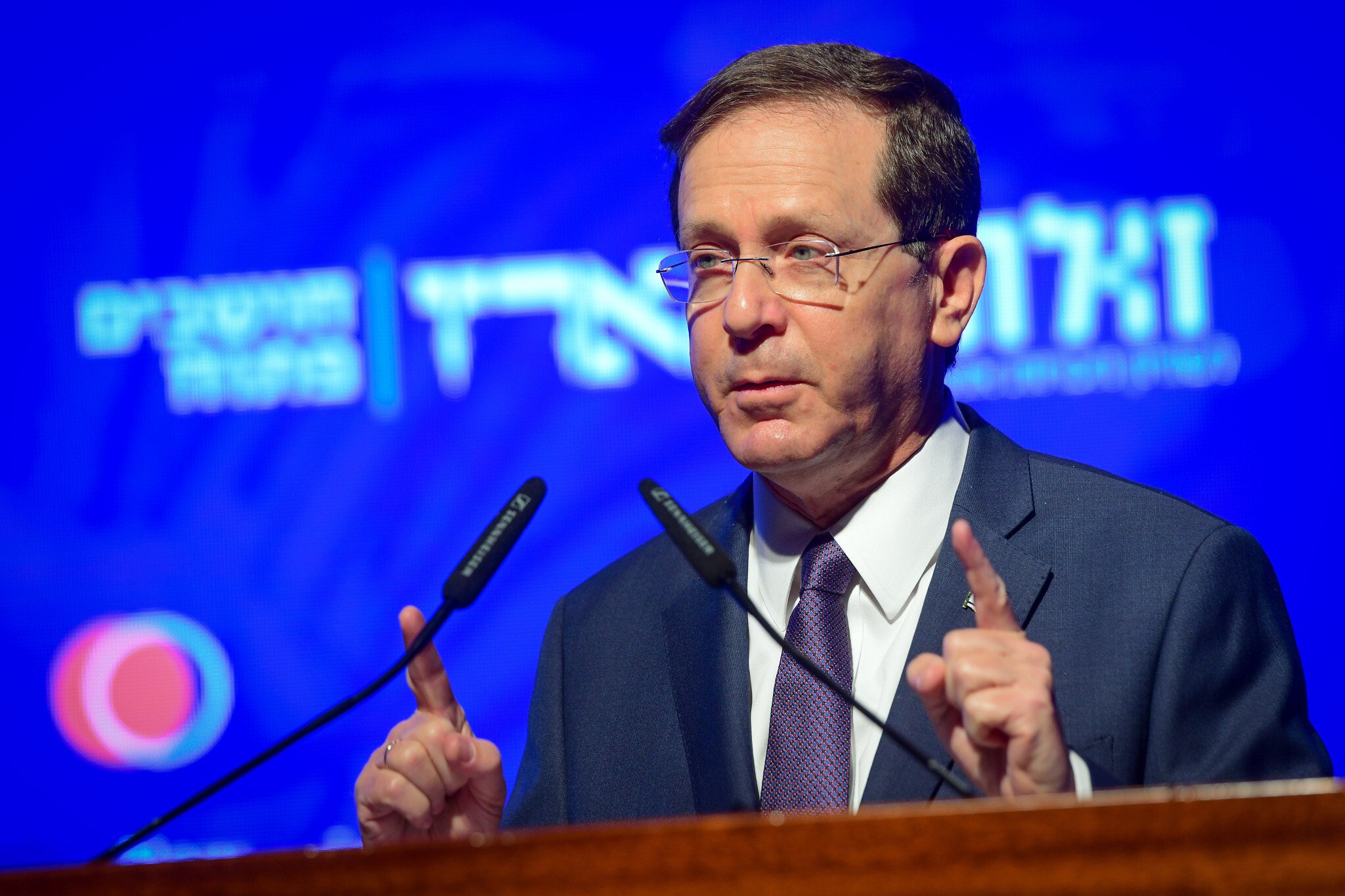
As he departed for an official visit to the United Kingdom Sunday morning, President Isaac Herzog published a column in a leading British newspaper making an impassioned case for wider dialogue and moderation in the Middle East in order to face what he called “the fundamentalists of Tehran.”
Writing in The Sunday Telegraph, Herzog pointed to the signing of the Abraham Accords last year and the formation of Israel’s new government as “two extraordinary events that should inspire hope about the benefits of dialogue.”
According to the president, the Abraham Accords, which brought normalization agreements between Israel and, respectively, the United Arab Emirates, Bahrain and Morocco, were “a remarkable breakthrough in regional peace and security.”
“For the first time, Arab nations from the Atlantic Ocean to the Persian Gulf have acknowledged that cooperation with Israel holds the keys to a better future,” Herzog wrote.
“The Arab world is increasingly interested in dialogue with the Jewish state, replacing a failed policy of ostracism. Global policymakers must actively foster this positive development,” he urged.
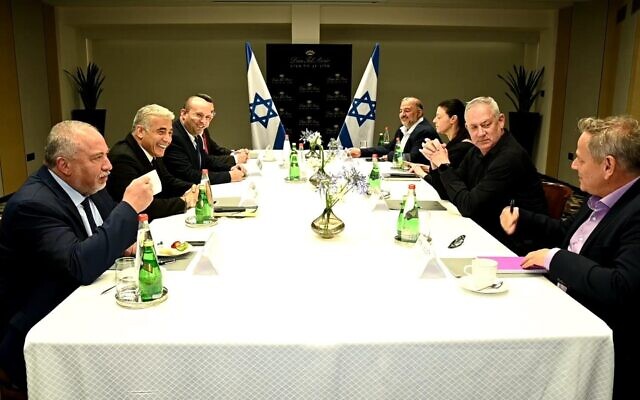
Additionally, Herzog, who entered the president’s office shortly after the Israeli government was formed in June, said that the broad coalition of right-wing, centrist, left-wing parties plus an Islamist faction showed both the region and the world that “diverse democracies can thrive.”
“What made these two unlikely developments possible was an earnest faith in the power of dialogue,” the president wrote.
Turning to Iran, however, Herzog said cooperation between moderate countries around the world was required to stop Tehran’s race toward nuclear weapons and regional hegemony.
“Iran does not want dialogue. It is exploiting the world’s willingness to negotiate to buy time. Israel cannot allow the fundamentalists of Tehran to acquire a nuclear bomb,” he wrote.
“The moderate nations of the Middle East need their allies, including Britain, to engage them in an urgent dialogue on how to stop Iran instead of wasting time on its games,” he said.
Ahead of his trip to the UK, the president said “if we want to fortify our liberal democracies and global alliances, we must combine Britain’s common sense and Israel’s no-nonsense approaches. Only by empowering the voices of moderation and pragmatism will we safeguard the dialogue that we so sorely need.”
Herzog flew to London on Sunday for an official three-day visit that will include meetings with Prince Charles, the heir to the British throne, and UK Prime Minister Boris Johnson.
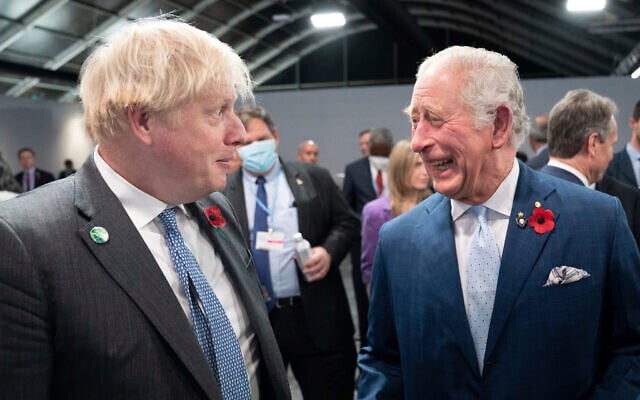
Herzog will also meet with Foreign Secretary Liz Truss, British parliamentarians and Jewish community leaders.
During the trip, Herzog is expected urge the British to be more aggressive toward Iran, ahead of the resumption of talks on restoring the 2015 deal limiting Tehran’s nuclear program in exchange for sanctions relief. The United Kingdom is a party to that accord.
“Israel cannot allow Iran to acquire nuclear weapons capability and it expects its allies to be tough and assertive toward the Iranians,” Herzog said in a statement before departing. “Israel makes this position clear to all its friends and of course makes clear that it reserves all options to defend itself.”
He also hailed the British government’s decision last week to designate Hamas in its entirety as a terror organization and outlaw support for it.
“This is a supremely important step in the war on terror,” the president said.





The Times of Israel Community.