

Ex-Fatah strongman Dahlan calls for postwar democracy in Gaza, including Hamas
Former Palestinian Authority national security adviser proposes a technocratic government for two years to unify factions, then elections for a government to replace the PA
 Add ToI as a Preferred Source on Google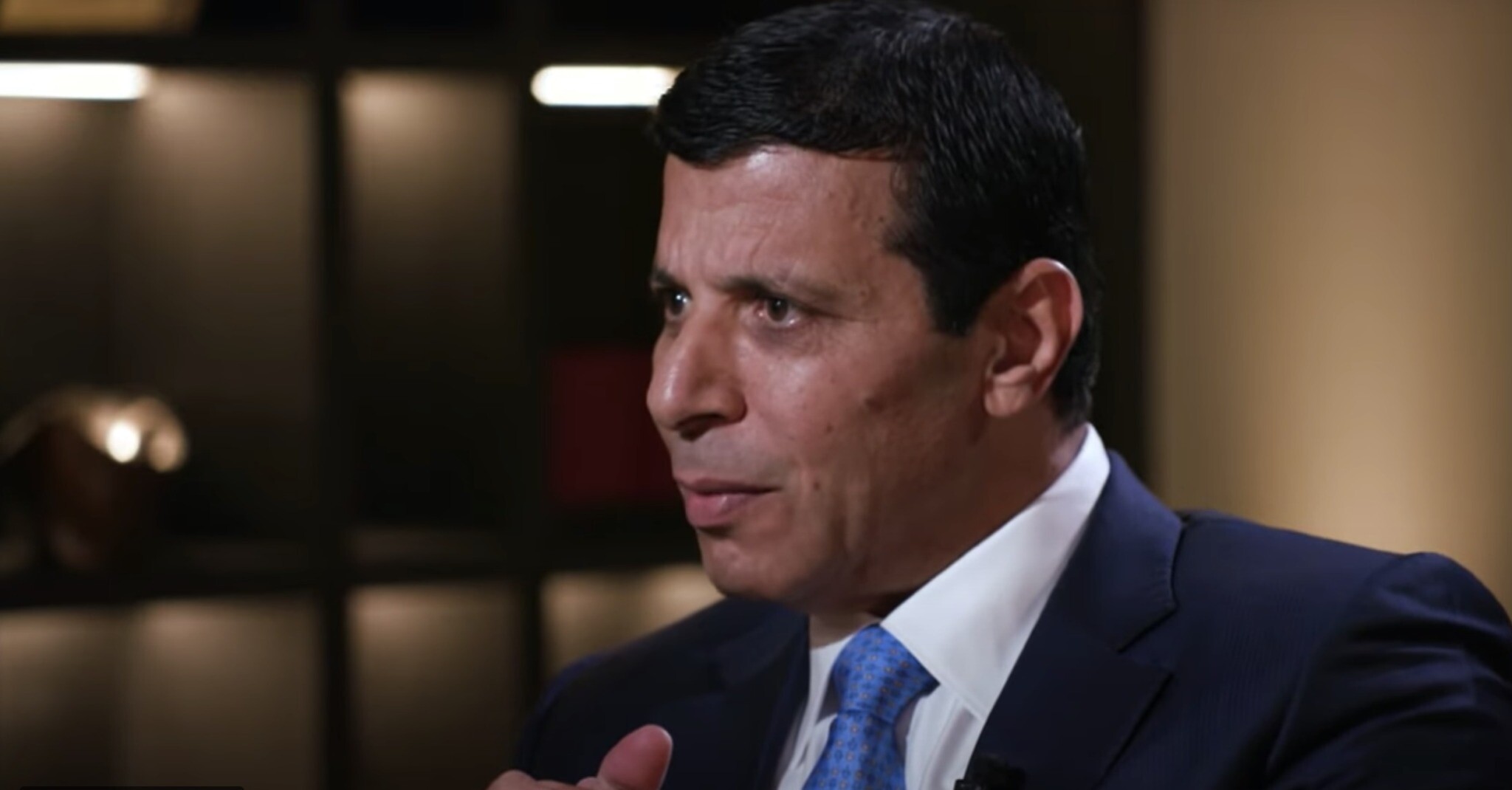
Mohammad Dahlan, a former Fatah strongman in the Gaza Strip, has envisioned a future in which both the enclave and the West Bank are governed by an elected Palestinian parliament, doing away with the Palestinian Authority presidency.
Speaking to the Economist last week from his home in Abu Dhabi, Dahlan said once Israel’s war on Hamas ends, the Strip should be governed by a technocratic government for two years, as it is an “illusion” that any single individual could take over.
At the end of that period, which he believes would unify the splintered Palestinian factions, there should be elections, based on a Palestinian state, even one without defined borders.
The elections should include Hamas, Dahlan said in the rare interview, published Monday. Fatah and Hamas are rival groups. He rejected the suggestion that Israel would be able to eliminate the group completely, as it has vowed to do after a devastating October 7 onslaught in which the terror group killed 1,400 people, mostly civilians.
“Hamas will not disappear,” he said.
The borderless state, he believes, could be backed by Arab countries such as Egypt, Jordan, Qatar, Saudi Arabia and the United Arab Emirates. After that, there should international recognition and a final agreement with Israel, Dahlan said.
Elections of the kind proposed by Dahlan would aim to produce a prime minister-led government as a replacement to the existing Palestinian Authority, which was established under the Oslo Accords in the 1990s to govern Palestinians in the West Bank and Gaza. He dismissed the suggestion that he would agree to be installed by Israel to rule the enclave once troops pull back.
Hamas emerged victorious the last time Palestinian parliamentary elections were held, in 2006. A year later it seized Gaza from the Palestinian Authority, which is dominated by Fatah, the party of the West Bank-based Palestinian Authority President Mahmoud Abbas. Dahlan was PA national security adviser at the time and has been in exile since Hamas’s takeover of the Strip. Hamas and Fatah have remained split ever since the 2007 coup.
Israel has not yet given a clear idea of what it intends to do after destroying Hamas rule. Last Friday, Defense Minister Yoav Gallant said the war could go on for months, and would include an intermediate stage during which the IDF will begin to seek out new leadership for the battered enclave, while rooting out “pockets of resistance.” Only after this lower-intensity conflict, which is also expected to take several months, Gallant has said, will Israel transition to its final phase: disconnection from the Gaza Strip.
On Sunday, Palestinian Authority Prime Minister Mohammad Shtayyeh said the PA would not take responsibility for Gaza if Israel removes Hamas, unless it is part of broader peace initiative including the West Bank.
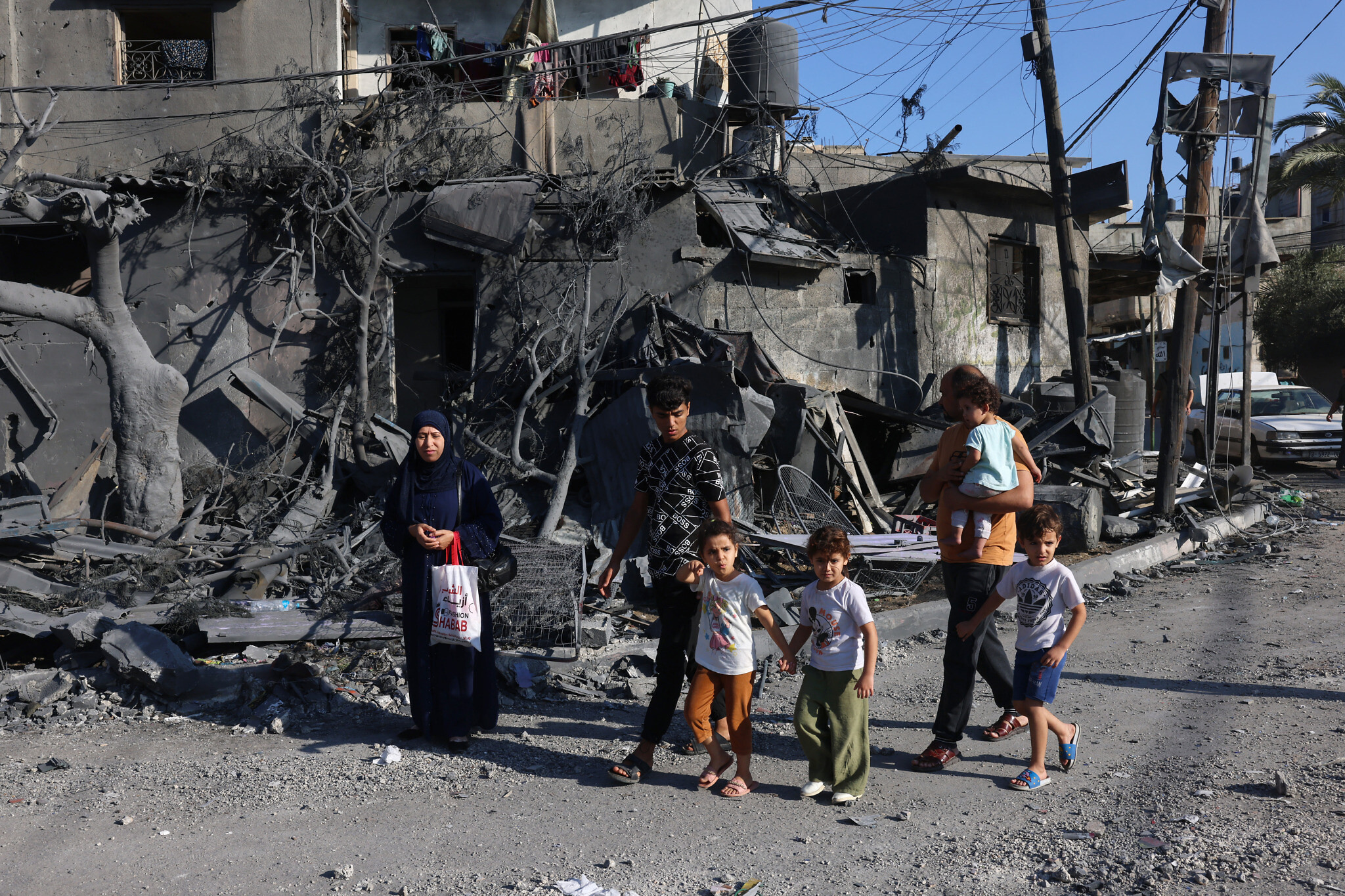
Israel is waging a military campaign against Hamas, carrying out intensive strikes it says are targeting terror infrastructure while striving to minimize civilian casualties. The IDF has told some 1 million civilians to evacuate from the northern part of the Gaza Strip to the south ahead of an expected ground invasion. According to the IDF, some 700,000 people have evacuated south.
The arrival of so many people is creating pressure in the southern Strip, leading Egypt to prepare for the possibility of refugees pouring across the border. Cairo has made it clear it does not want to take in Palestinian refugees.

Dahlan, who is said to have close ties with Egypt’s President Abdel-Fattah al-Sissi, scoffed at the idea that Egypt would allow refugees into the Sinai peninsula to relieve the situation in Gaza.
“Who is going to take this historical responsibility to be blamed by the Arab population for helping the Israelis to displace the Palestinians?” he said while noting that such a move would create national security issues for the Cairo regime.
Israel on Monday acknowledged the Intelligence Ministry had drafted a wartime proposal to transfer the Gaza Strip’s 2.3 million people to Egypt’s Sinai peninsula, drawing condemnation from the Palestinians and worsening tensions with Cairo.
Prime Minister Benjamin Netanyahu’s office played down the report as a hypothetical exercise — a “concept paper.”
Nabil Abu Rudeineh, a spokesman for Abbas, said any such transfer of Gaza’s population would be “tantamount to declaring a new war.”
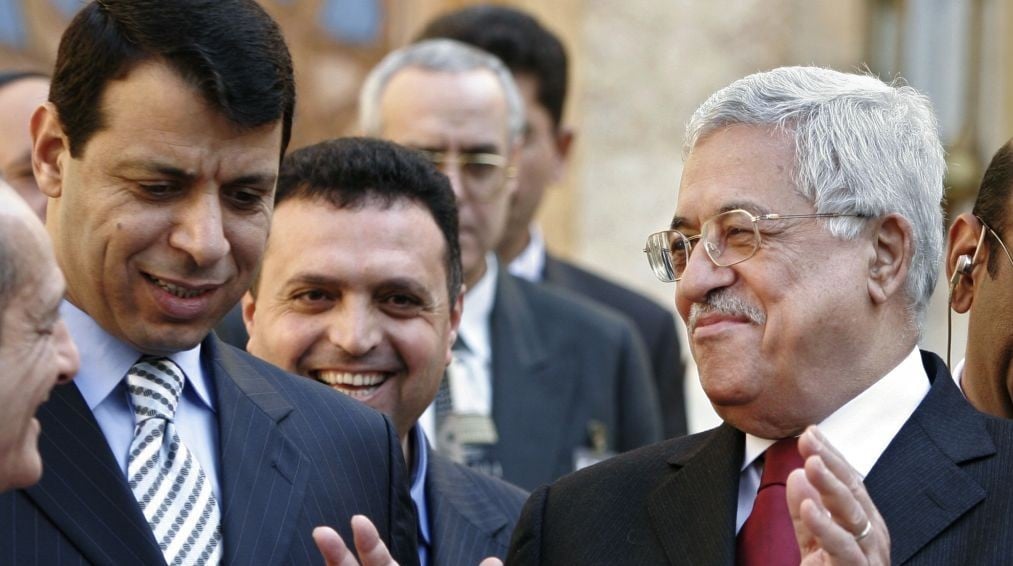
Though based in the Gulf, Dahlan remains a powerful figure in Gaza, where he formerly ran security for Abbas and has since brokered deals to bring money and fuel into the Strip. He has since become unpopular with Abbas and in 2016 was convicted in absentia of corruption by a Palestinian court.
The Hamas attack drew condemnation from many countries, yet Dahlan sees the war as an opportunity that could bring a Palestinian state despite peace talks between Israel and the Palestinians having been moribund for years.
“Three months ago there was zero hope,” he said. “Who was mentioning the Palestinian cause three months ago? Nobody. Now everybody is talking about our suffering.”









The Times of Israel Community.