

Ex-Likud minister Gilad Erdan says he is considering establishing right-wing party
Lifelong Likud member tells Radio 103FM he is examining ‘feasibility’ of run, sees himself as a potential premier once Netanyahu leaves politics
 Add ToI as a Preferred Source on Google
Sam Sokol is a former political correspondent at The Times of Israel. He was previously a reporter for the Jerusalem Post, Jewish Telegraphic Agency and Haaretz. He is the author of "Putin’s Hybrid War and the Jews"
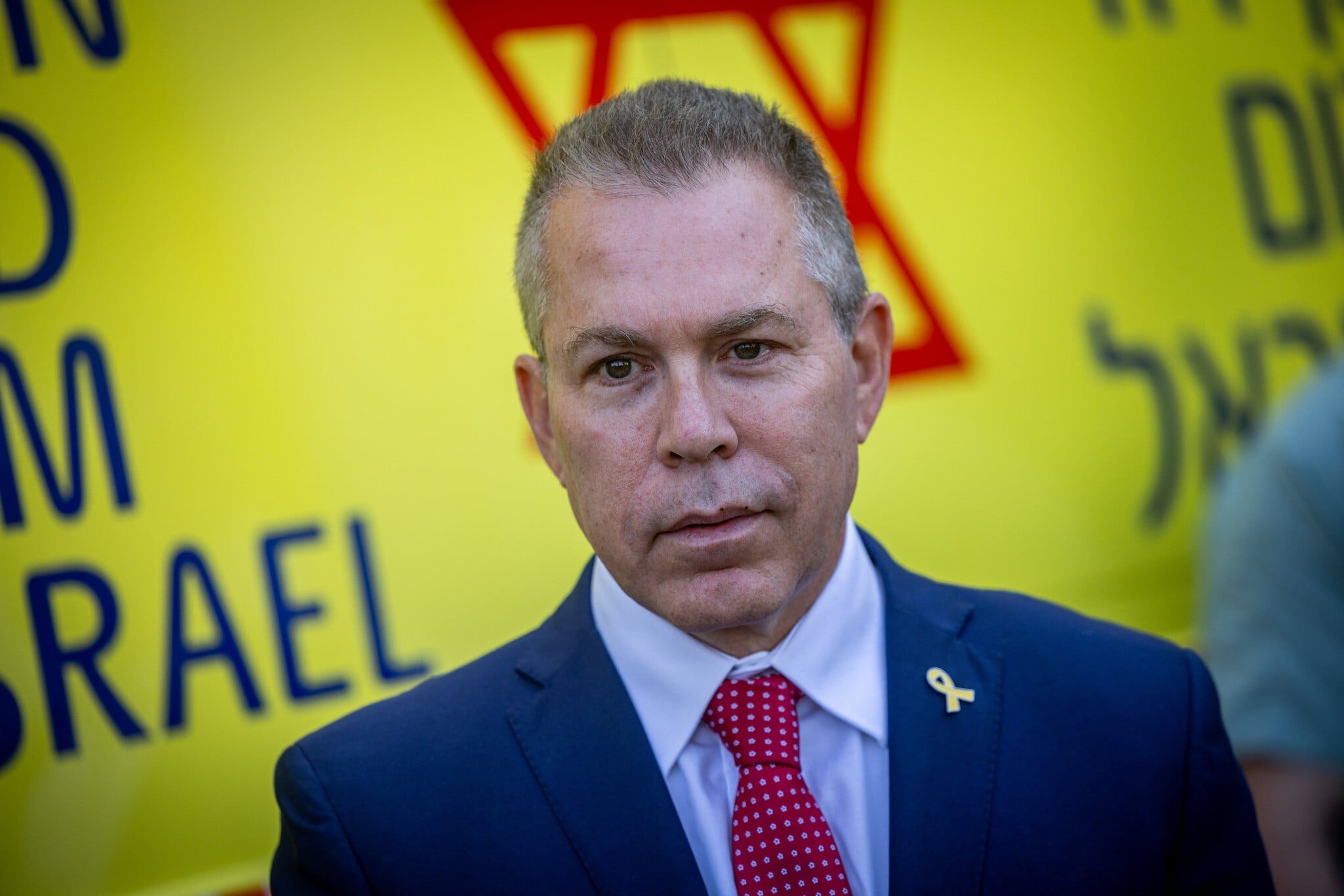
Following months of unconfirmed media reports, former UN ambassador Gilad Erdan told Radio 103FM on Tuesday morning that he is considering establishing a new right-wing political party to compete with Likud, stating that he sees himself as a potential premier once Prime Minister Benjamin Netanyahu leaves politics.
“The goal is to establish a new right-wing party. I want to lead and head such a framework, and I am examining whether there is political feasibility for it,” said Erdan, a lifelong Likud member who served as an MK and minister in Netanyahu governments for decades.
“In the post-Netanyahu era, I see myself as a candidate for prime minister. I know what Israel needs. If I felt comfortable with what is happening in the Likud, I would return to political activity within the party,” he added.
Erdan first entered the Knesset as a Likud MK in 2003 and has served as public security, communications and regional cooperation minister, among other roles. He has clashed with Netanyahu over positions, rejected claims that criminal investigations into him were politically motivated, and was reportedly one of several party MKs who were looking to oust the prime minister following his 2019 indictment. Netanyahu appointed him to the post of Israeli ambassador to the United Nations in 2020, a move that removed him from the domestic political scene. He also briefly served as ambassador to Washington.
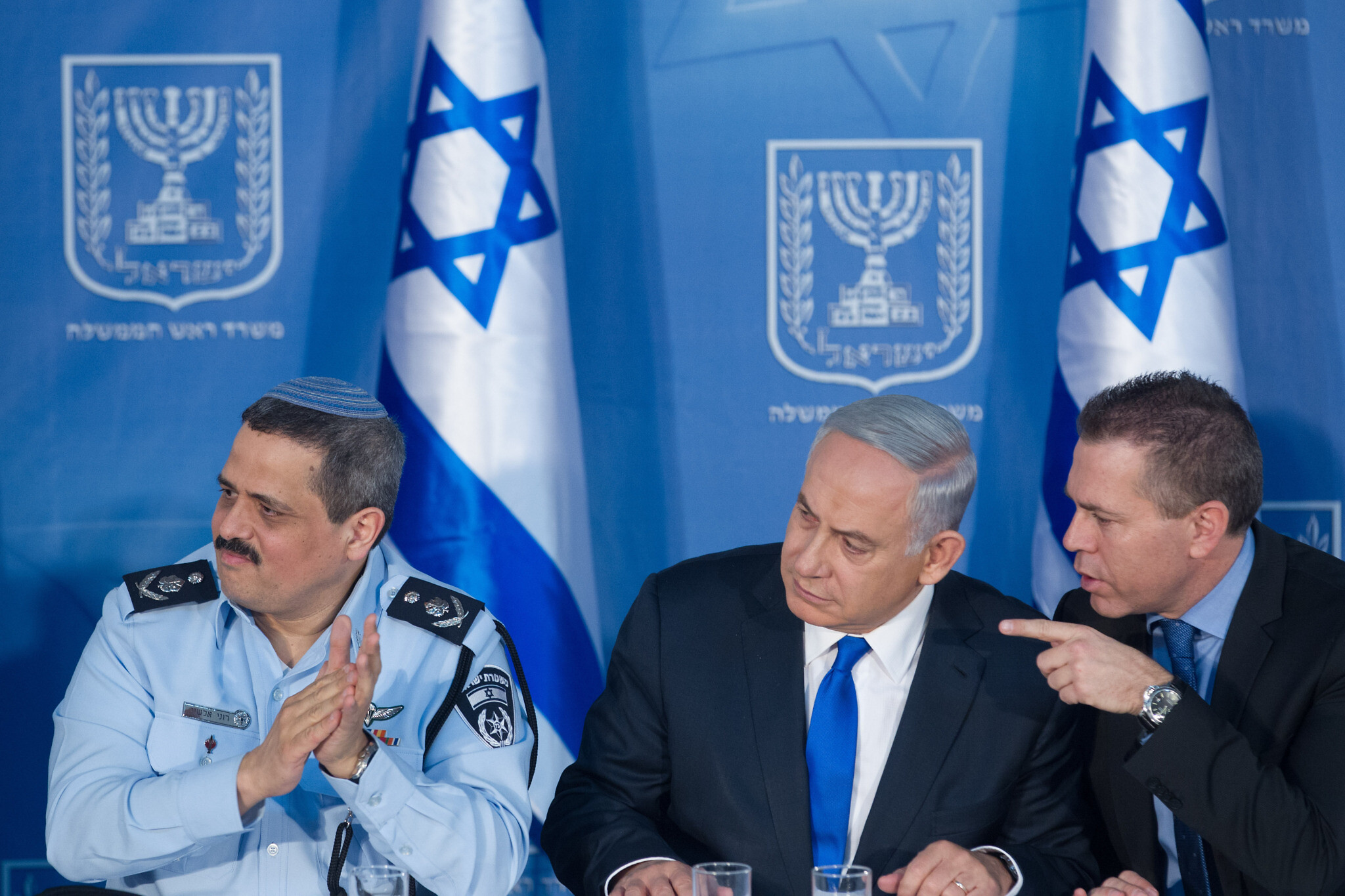
Erdan has been mentioned repeatedly in reports about the possible formation of a new party tentatively dubbed “Likud B,” aimed at creating a more “statesmanlike” alternative to the ruling party, which would eschew some of the extreme populist elements of Netanyahu’s current party.
The effort is said to involve current and former Likud figures who have had tensions with Netanyahu, including Likud MK Yuli Edelstein, who led the Knesset Foreign Affairs and Defense Committee before being ousted by the coalition last year due to his blocking its draft exemption law for ultra-Orthodox yeshiva students and Deputy Foreign Minister Sharren Haskel, who has also opposed that legislation.
In a recent conversation with The Times of Israel, a political source with knowledge of the discussions about the formation of the new party said that it aims to establish a right-wing Zionist coalition focused on economic recovery, security and settlements, which could “rein in the extremists” and include centrist elements as well. The new party would also support a more moderate judicial reform without the “political dispute” inherent in Justice Minister Yariv Levin’s approach.
The new party would be willing to sit with former prime minister Naftali Bennett and Yashar chair Gadi Eisenkot — but not The Democrats’ Yair Golan, who is “not Zionist,” the source stated, adding that its members would also be willing to partner with Netanyahu and even far-right figures like Bezalel Smotrich and Itamar Ben Gvir.
This willingness, the source explained, is based on an assessment that they would be able to moderate their worst impulses by taking the place of the kingmaker currently held by the Haredi parties, which they don’t want in a coalition.
If neither the coalition nor the opposition “can make up a coalition without us, then we can force them to sit together,” the source asserted, calling Netanyahu’s Likud a “personality-based” rather than a “values-based” party.
A Channel 12 poll broadcast earlier this month showed that 42 percent of Israelis who voted for Likud in the previous election are either considering or have decided to back a different party in the fall Knesset elections.

Another poll conducted by the network in late April, however, found that a new party led by Erdan would receive five of 120 Knesset seats, three of which would have otherwise gone to the opposition bloc.
This raises concerns that the so-called Likud B could end up like Moshe Kahlon’s Kulanu party, which campaigned during the 2019 elections under the slogan “Yamin shafui,” or “sane right-wing.”
However, Kulanu garnered a disappointing four seats in the 2019 election, down from the 10 it won in 2015, and a greatly weakened Kahlon merged his party with the Likud.
Asked how they could ensure that this does not happen to Likud B, a second source familiar with the discussions surrounding the new party told The Times of Israel on Tuesday that “there are no legal steps to prevent this, only the integrity of the members of the faction in the Knesset.”
“The only coalition the party will join would be a broad Zionist coalition,” the source added.
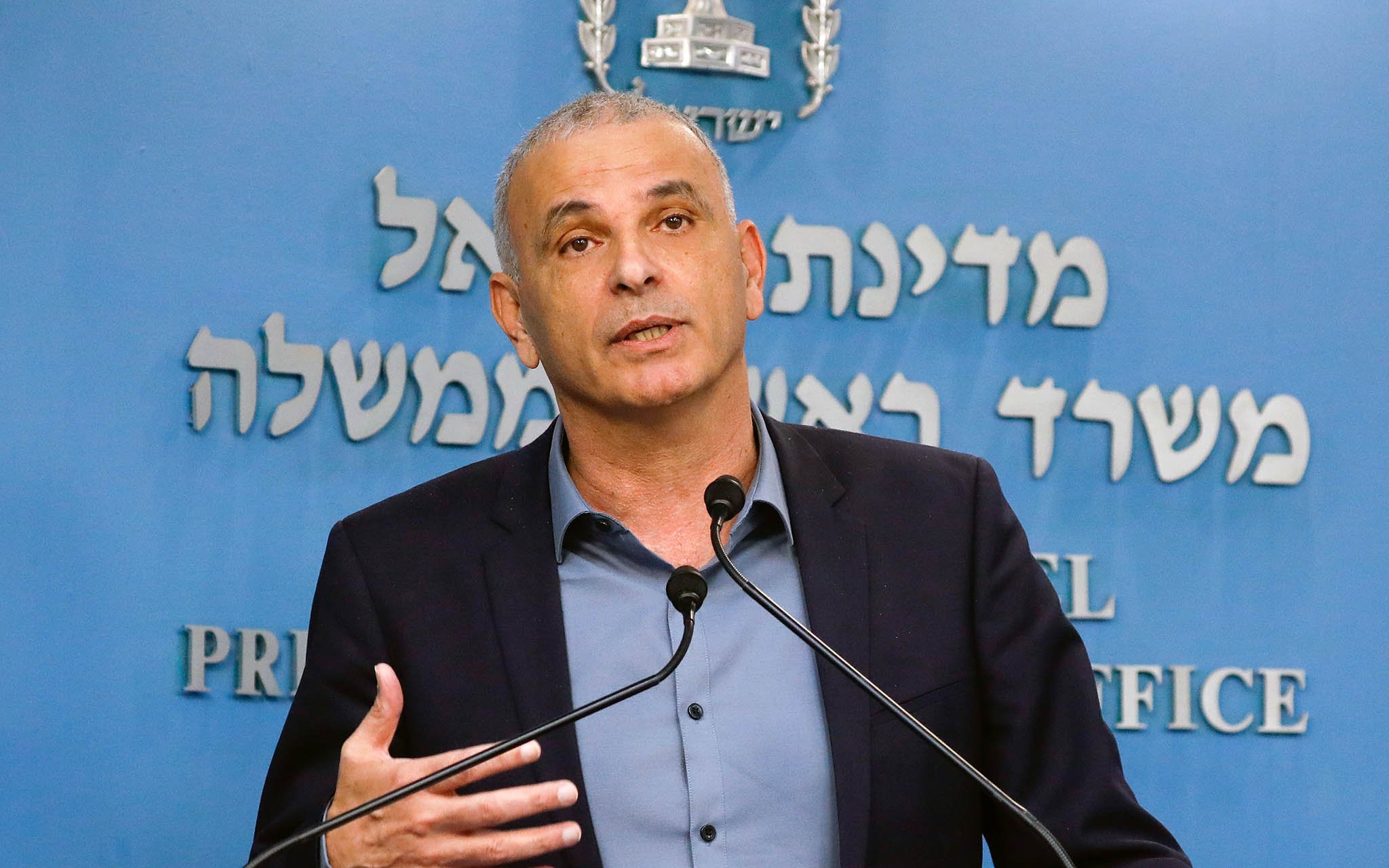
Despite initial reports to the contrary, Kahlon does not appear to be involved with Likud B.
According to pollster Mitchell Barak of Keevoon Research Strategy & Communications, despite the fact that Likud B is likely to take some seats away from the opposition, Netanyahu is likely to “do everything to break this party before they run” by offering political favors and positions.
“They don’t realize the level of attack they’re going to be under by the Likud people,” he said, adding that any party starting now will face a lack of funds and organizational capacity.










The Times of Israel Community.