

Leaks alleging UAE strike on Iran spark Emirati fury, fear of fallout in Israel
Emiratis and Israelis condemn latest ‘fake news’ reports, warn leaks could damage delicate wartime relations
 Add ToI as a Preferred Source on Google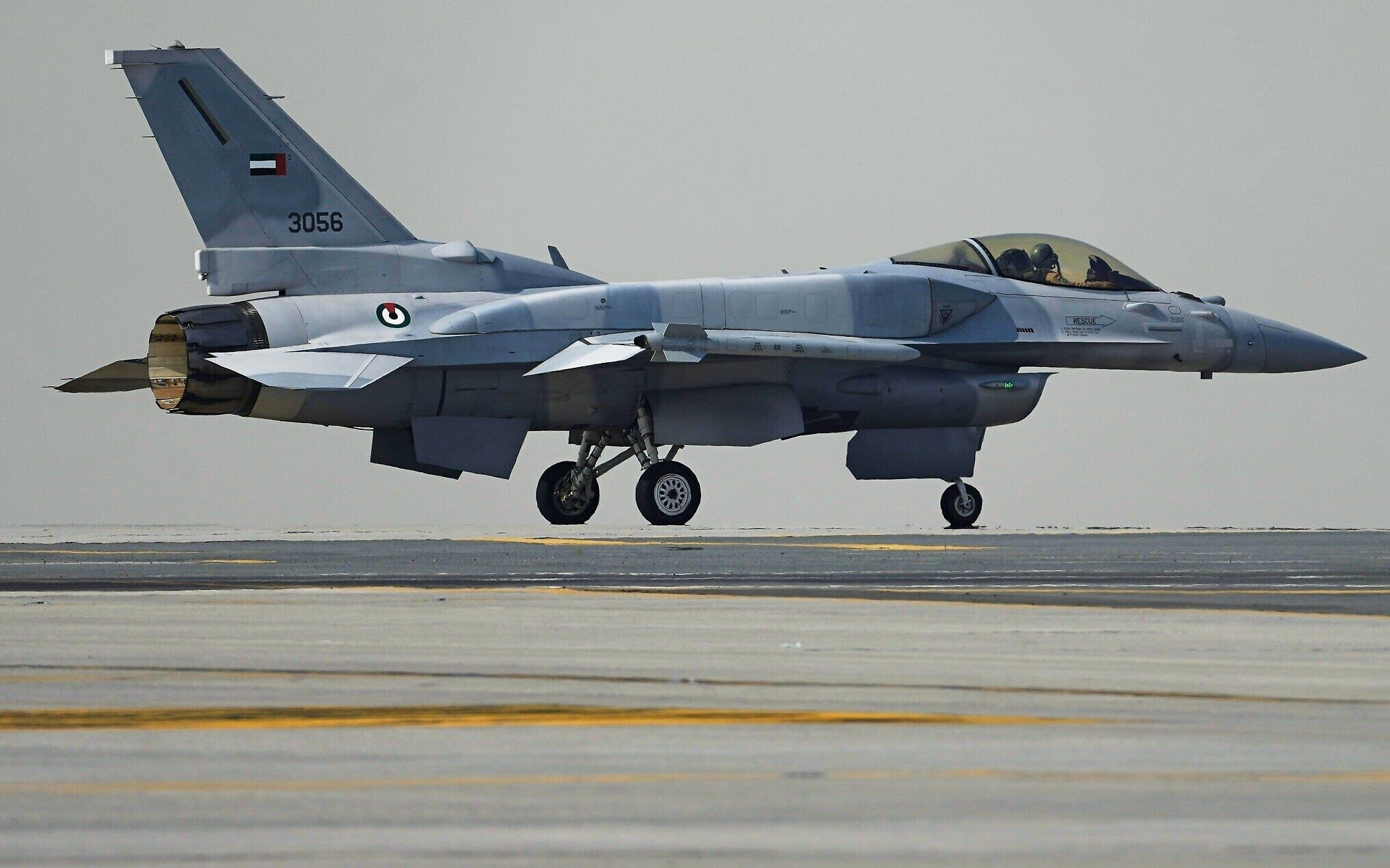
Emirati officials raged on Sunday over what they called false Israeli media reports claiming that the United Arab Emirates had carried out a military strike on Iran amid the ongoing US-Israeli bombing campaign against the Islamic Republic.
On Sunday afternoon, multiple Hebrew media outlets put out near-simultaneous reports — citing anonymous Israeli officials — that the UAE had struck a desalination plant in Iran in response to Tehran’s strikes across the Gulf. The strike ostensibly followed consultations between Israeli and Emirati officials over the weekend, and was taken as a “symbolic” offensive measure against Tehran.
Emirati sources swiftly denied the claims, condemning them as “inappropriate” leaks by Israeli officials — a development that appeared to strain already delicate relations between Israel and Gulf countries amid the intense fighting with Iran.
The reports, carried by Israel’s Channel 12, Army Radio, The Jerusalem Post and others, came days after Doha denied a Channel 12 report citing unnamed Western sources that Qatar had struck Iran, and after a Kan public broadcaster report quoted a senior Israeli official as saying that Saudi Arabia would soon do the same.
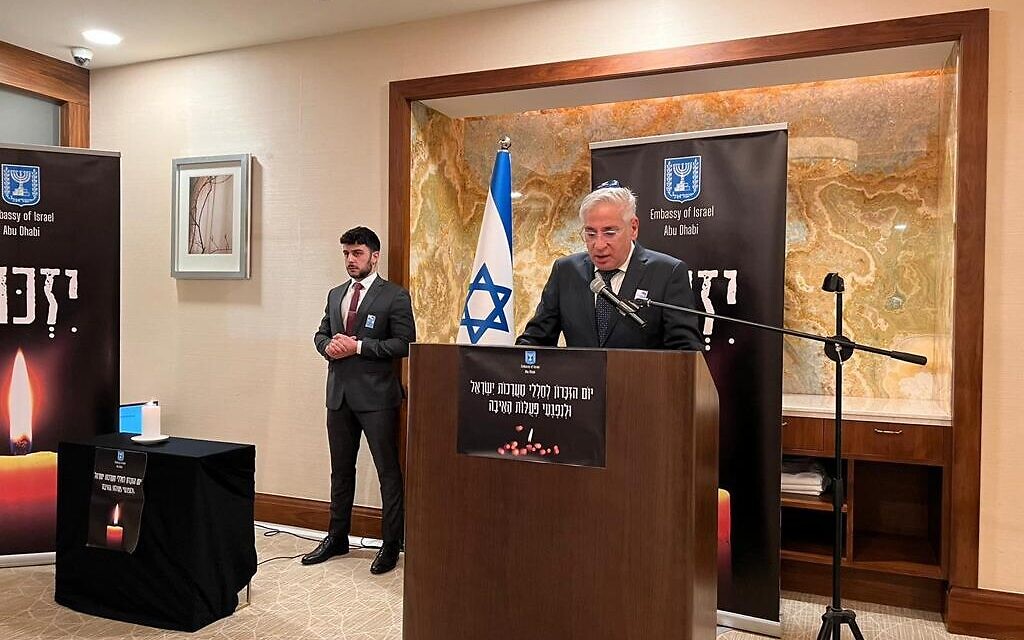
While the source and motivation behind the leaks remained unclear, an Emirati source and former Israeli officials told The Times of Israel that such leaks risk damaging sensitive diplomatic and security ties with Abu Dhabi — which normalized relations with Jerusalem under the US-brokered Abraham Accords in 2020 — and possibly other Gulf states, amid fragile regional coordination over the Iran conflict and attempts to de-escalate tensions.
Emirati officials decry ‘fake news’
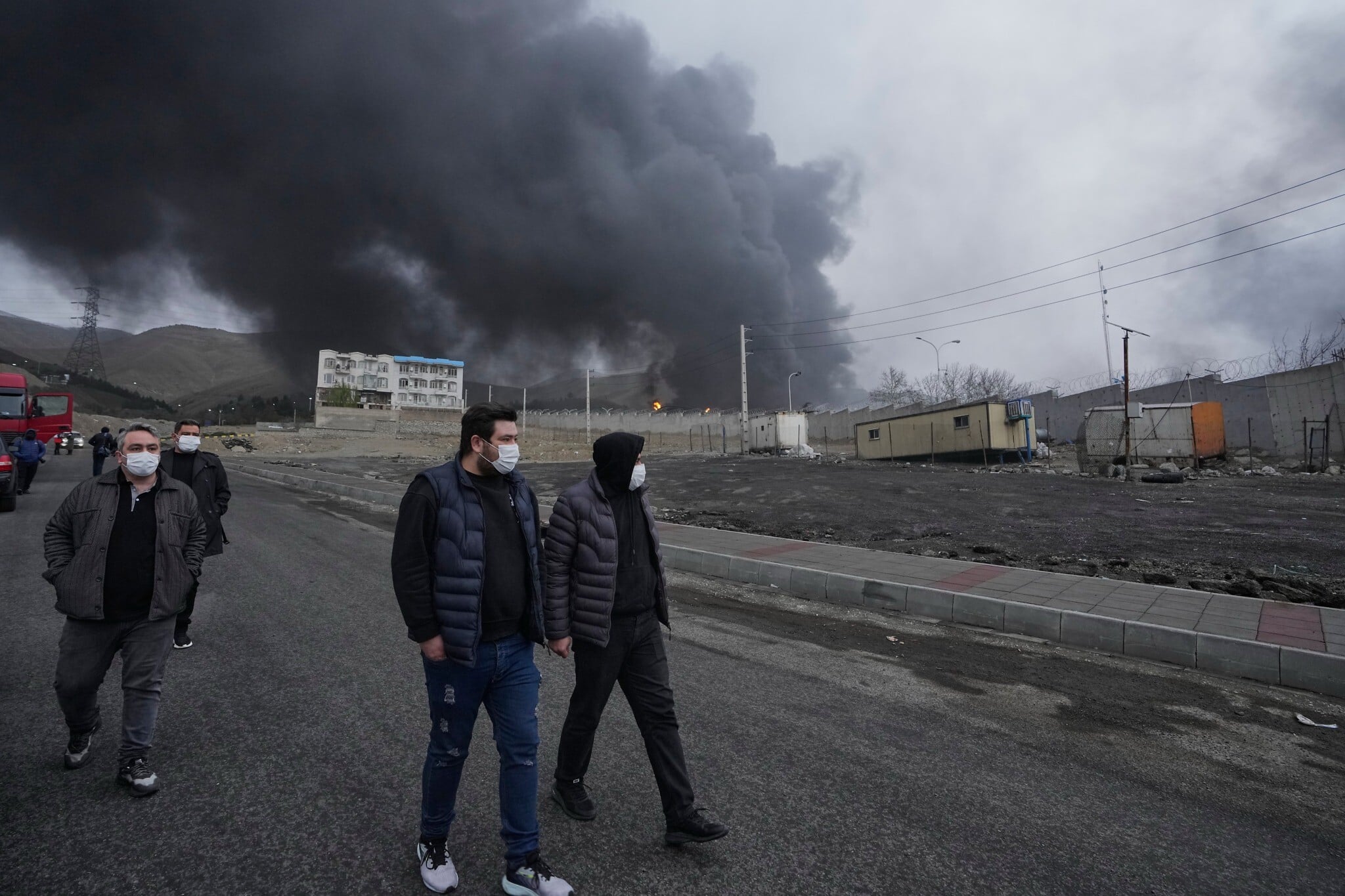
The UAE, Kuwait, Qatar, Bahrain and Saudi Arabia have fallen victim to heavy missile and drone attacks from Iran since the US-Israeli campaign began last weekend.
While some reports in Israeli and international media have suggested that Gulf states have taken or will take retaliatory measures, regional governments have repeatedly stressed that they are not participating in offensive operations while continuing to call for regional de-escalation.
Emirati sources rejected Sunday’s reports as “fake news” and “inappropriate.”
“This is fake news. When we do something, we’ve the courage to announce it,” UAE Federal National Council Defense Affairs, Interior and Foreign Affairs chairman Rashid Al Nuaimi wrote on X.
This is fake news . When we do something, we’ve the courage to announce it https://t.co/lZ47h6gSDO
— د. علي النعيمي Dr. Ali Alnuaimi (@Dralnoaimi) March 8, 2026
An Emirati source told The Times of Israel: “We categorically deny this nonsense. If the UAE does something or takes an action, it will announce it and make it public.”
“The UAE is not in the business of denying or approving rumors… It is inappropriate for so-called ‘Israeli senior officials’ to talk on our behalf and/or spread rumors about UAE actions or intentions. The UAE doesn’t make statements on other countries’ actions nor their intentions, so we expect our friendly countries’ officials to refrain from doing so,” the source fumed.
Following the Emirati denials, Foreign Ministry spokesperson Oren Marmorstein told Channel 12 regarding the reports that “we must let the Emiratis speak for themselves, and not speak in their name.”
The Emirati foreign ministry did not immediately respond to a request for comment on the reports.
‘Unnecessary, dangerous and brazen’
Former Israeli officials, including diplomats who recently served in the UAE, warned that such leaks could damage sensitive wartime ties with a key regional partner.
Amir Hayek, Israel’s ambassador to the UAE from 2021 to 2024, told The Times of Israel that Emirati officials were furious over the reports.
“I spoke with [the Emiratis], and they are very, very angry about it — and rightly so,” he said. “This whole story is fake — unnecessary, dangerous, and brazen.”
“The reports claim that they attacked desalination or energy facilities, which are among the biggest humanitarian infrastructure projects in the region. I don’t see any scenario in which [the Emiratis] would attack a civilian facility. They are a country that cares greatly about humanitarian aid, more than almost any country in the world, and they would not attack a civilian installation,” Hayek continued.
Hayek said he had “quite a bit of experience with leaks — one kind or another” when he was ambassador, and that during wartime, such reports pose even greater danger. “We are now in the middle of a war, and this is a very, very delicate and sensitive situation.”
He said Israel could prevent such leaks by “simply showing responsibility and leadership, and trying to find out where this story came from. And whoever did it should pay for it.”
Tzvi Lev, a former Israeli diplomatic official in the UAE, said the report contradicted the Emiratis’ typical behavior: “It’s not the way the UAE operates. The UAE doesn’t go under the table. If they wanted to do something, you would know about it. They have a whole different way of thinking, and they definitely don’t need Israel to report what they’re doing.”
Once you leak something like that, you harm the relationship — you diminish them — and you can even create a backlash.
Omer Dostri, who served as Prime Minister Benjamin Netanyahu’s spokesman until July of last year, said, “It would have been wiser if whoever leaked this had not leaked it, because you have to let [the Emiratis] make their own decisions. Once you leak something like that, you harm the relationship — you diminish them — and you can even create a backlash.”
“The UAE took a brave step with the signing of the Abraham Accords and with the openness of their relations with us — in economic and security cooperation. So we need to be smart and continue this cooperation quietly,” he added.
Dostri also argued that such leaks interfere with the UAE’s ability to make independent strategic decisions about how to handle confronting Iran. “Even if they really did attack or were considering attacking, after something like this, you reduce the chances that they will enter the campaign,” he said. “They have their own considerations. They want to be as little exposed as possible to Iranian attacks and not escalate things further beyond what is already happening.”
Gulf tensions rise
While Gulf responses to Iranian strikes remain purely defensive, tensions with Iran continued to rise.
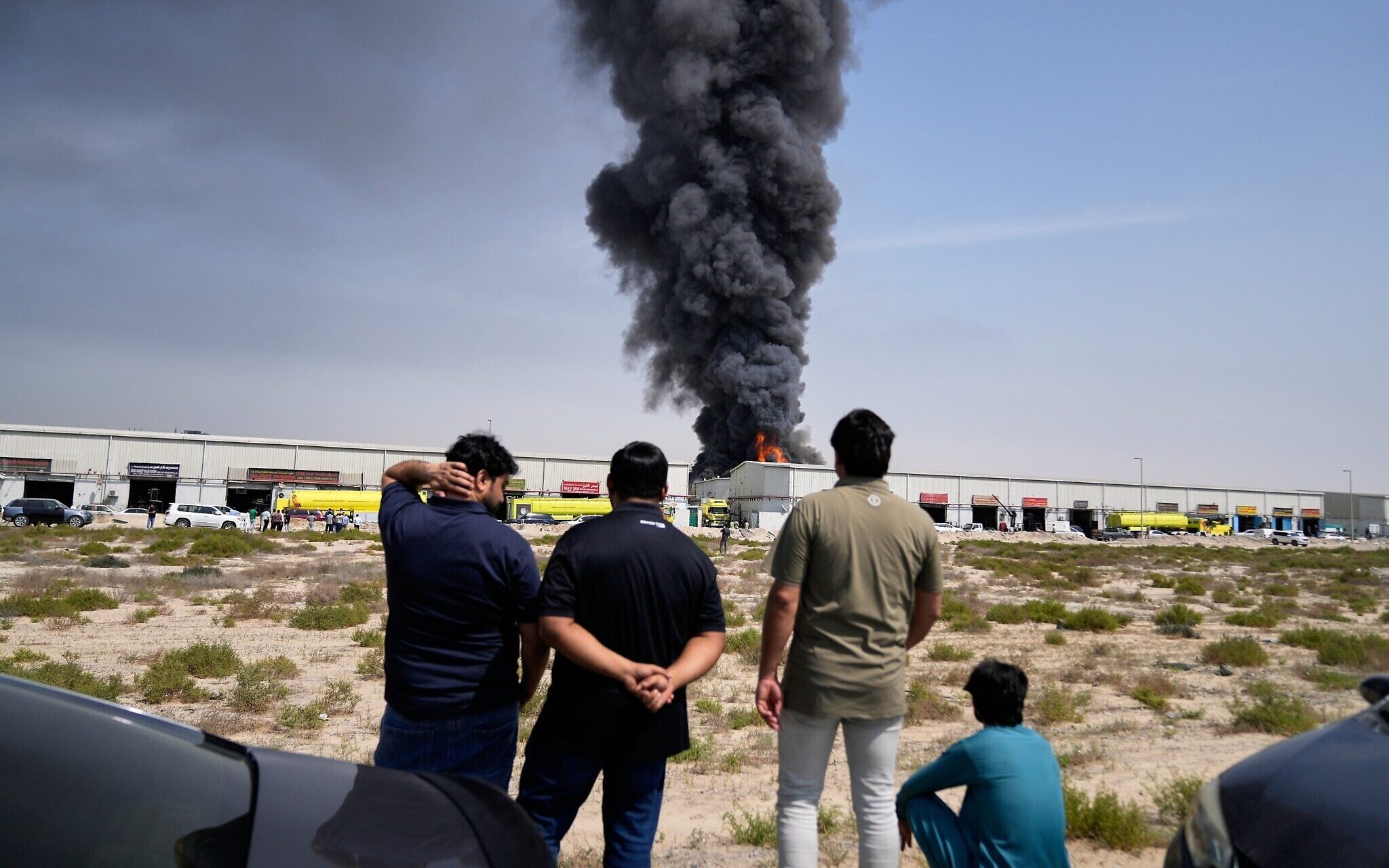
Iran struck Gulf infrastructure throughout Sunday, hitting fuel tanks at Kuwait’s international airport and damaging a desalination plant in Bahrain.
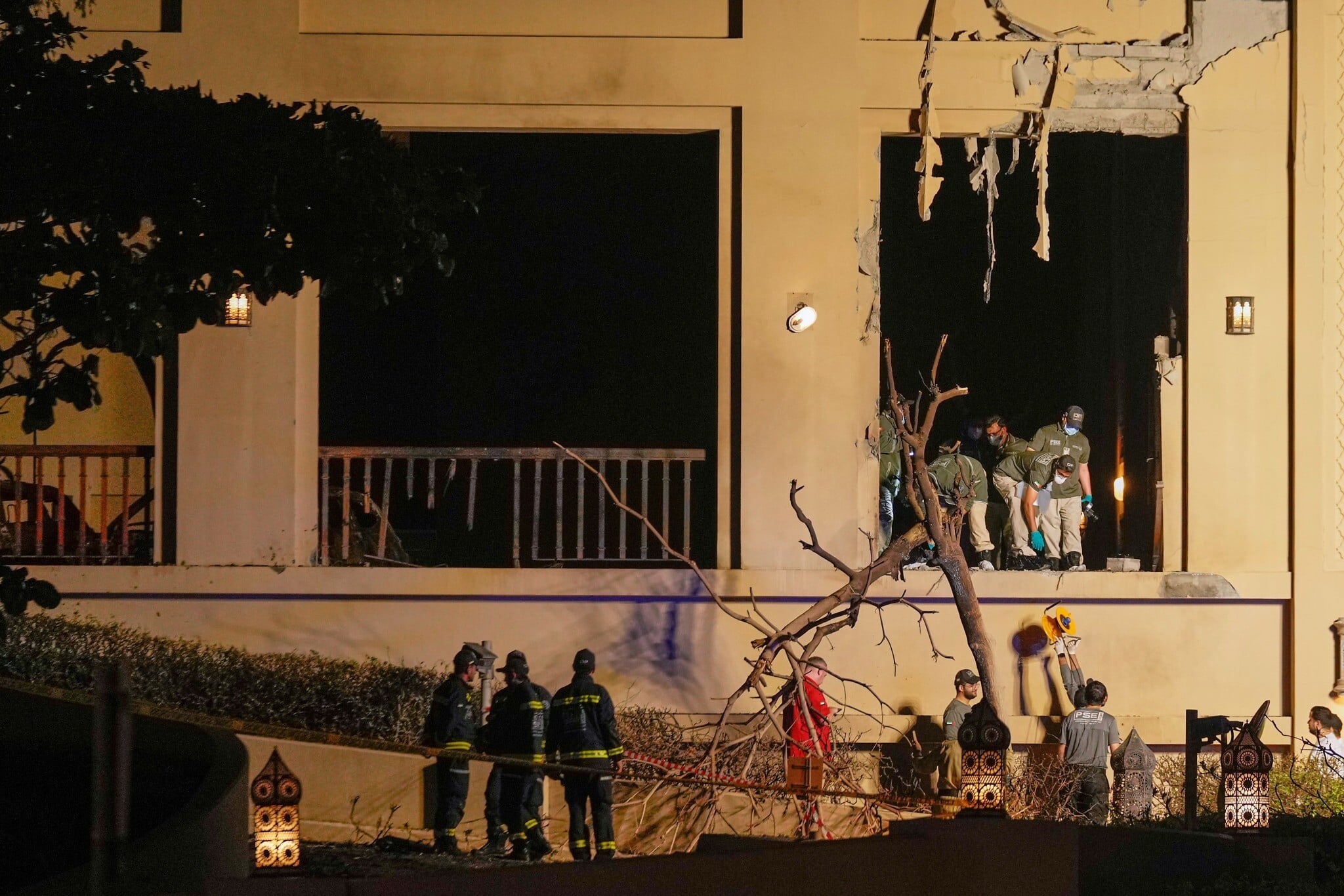
The UAE defense ministry said on Sunday that the death toll from Iranian drone and missile attacks on the country had risen to four. The ministry said that it shot down 16 of 17 ballistic missiles from Iran on Sunday, with one falling into the sea, and that a total of 117 UAVs were detected, with 113 intercepted while four fell within the country’s territory.
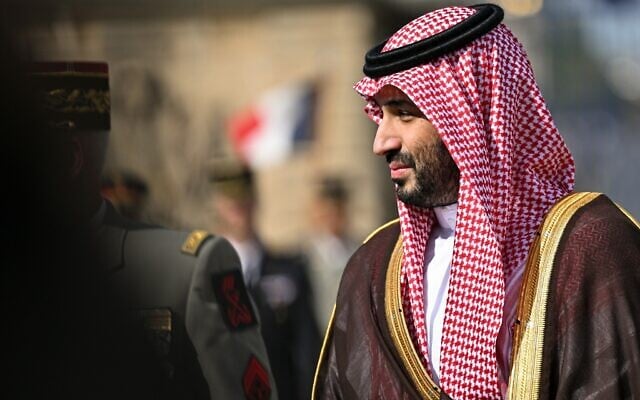
Meanwhile, two people were killed on Sunday and 12 were injured after a projectile fell in a residential location in Saudi Arabia’s Al-Kharj governorate, marking the first reported casualties in the oil-rich nation as Iran kept up its relentless assault on the Gulf states.
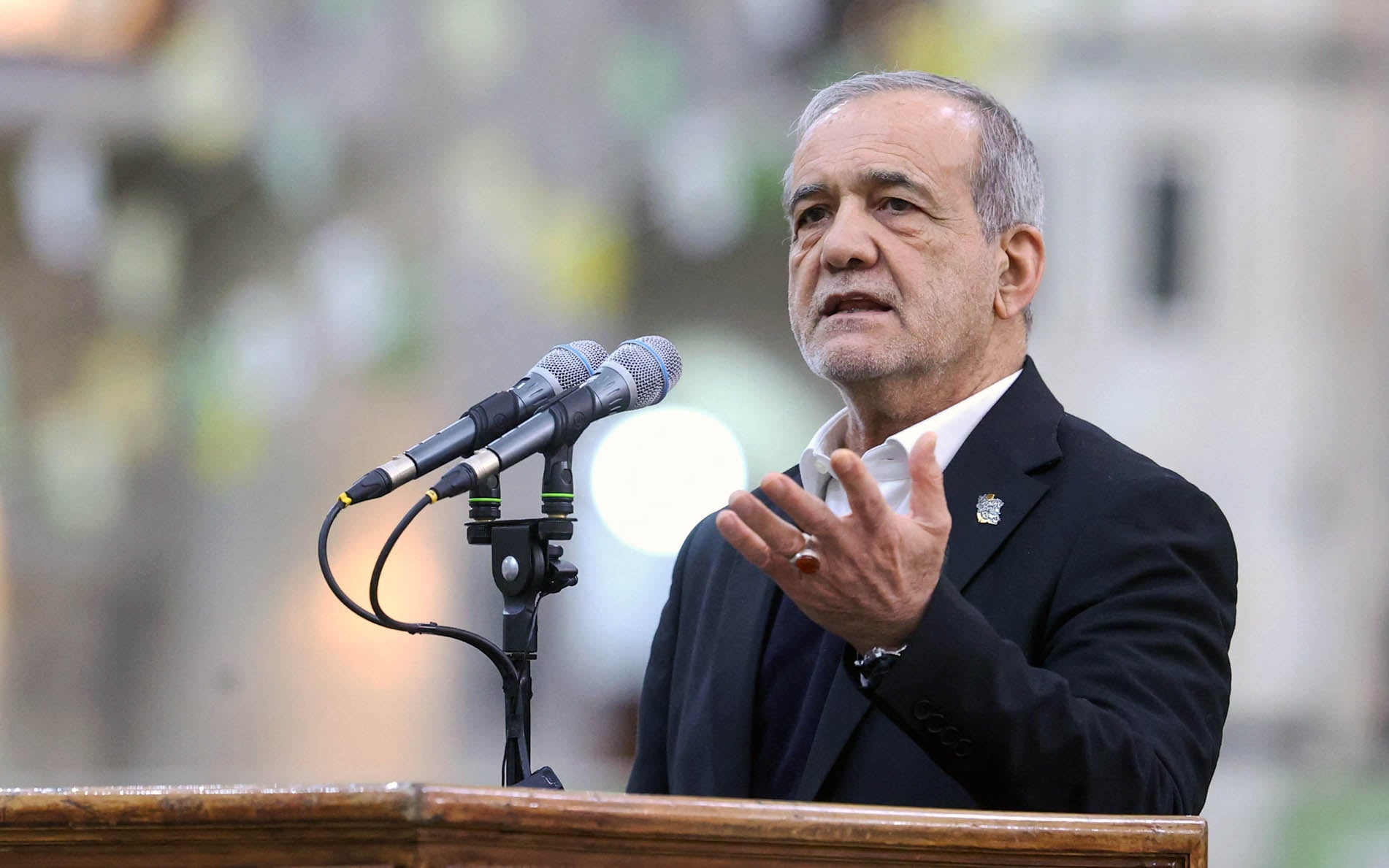
Iranian Foreign Minister Abbas Araghchi said Saturday that Riyadh had assured Tehran it was fully committed to not allowing its territory, waters or airspace to be used for attacks against Iran, while Iranian President Masoud Pezeshkian apologized to neighboring Gulf states for Iranian actions and said that Tehran had approved suspending attacks on nearby countries unless an attack on Iran came from those nations.
Hours later, however, the Iranian armed forces said in a statement that US and Israeli bases and interests across the region would remain targets.
Agencies and Times of Israel staff contributed to this report.





The Times of Israel Community.