

For US Ambassador Mike Huckabee, contentious City of David is a place to meet God
American envoy discusses the archaeological site and how without Jerusalem ‘there would be no America,’ as he presents the book ‘When the Stones Speak’ at National Library of Israel
 Add ToI as a Preferred Source on Google
Rossella Tercatin is The Times of Israel's archaeology and religions reporter.

America’s history is tied to the city of Jerusalem, according to US Ambassador to Israel Mike Huckabee.
“A lot of Americans never think about it, but if there had not been a calling of God to Abraham in this city, and then the establishment of the Jewish faith here with the temple and the reality of God’s creating a people, a place and a purpose, had that not happened, there would be no Western civilization, and without Western civilization, there would be no America,” Huckabee said on Monday.
“The City of David historically validates everything that is an ideological and a theological belief,” he added.
The ambassador was speaking at an event to present the book “When the Stones Speak: The Remarkable Discovery of the City of David and What Israel’s Enemies Don’t Want You To Know” by Doron Spielman, who, for over twenty years until June 2023, served as the vice president of the City of David Foundation, which is also known as Ir David or Elad in Hebrew.
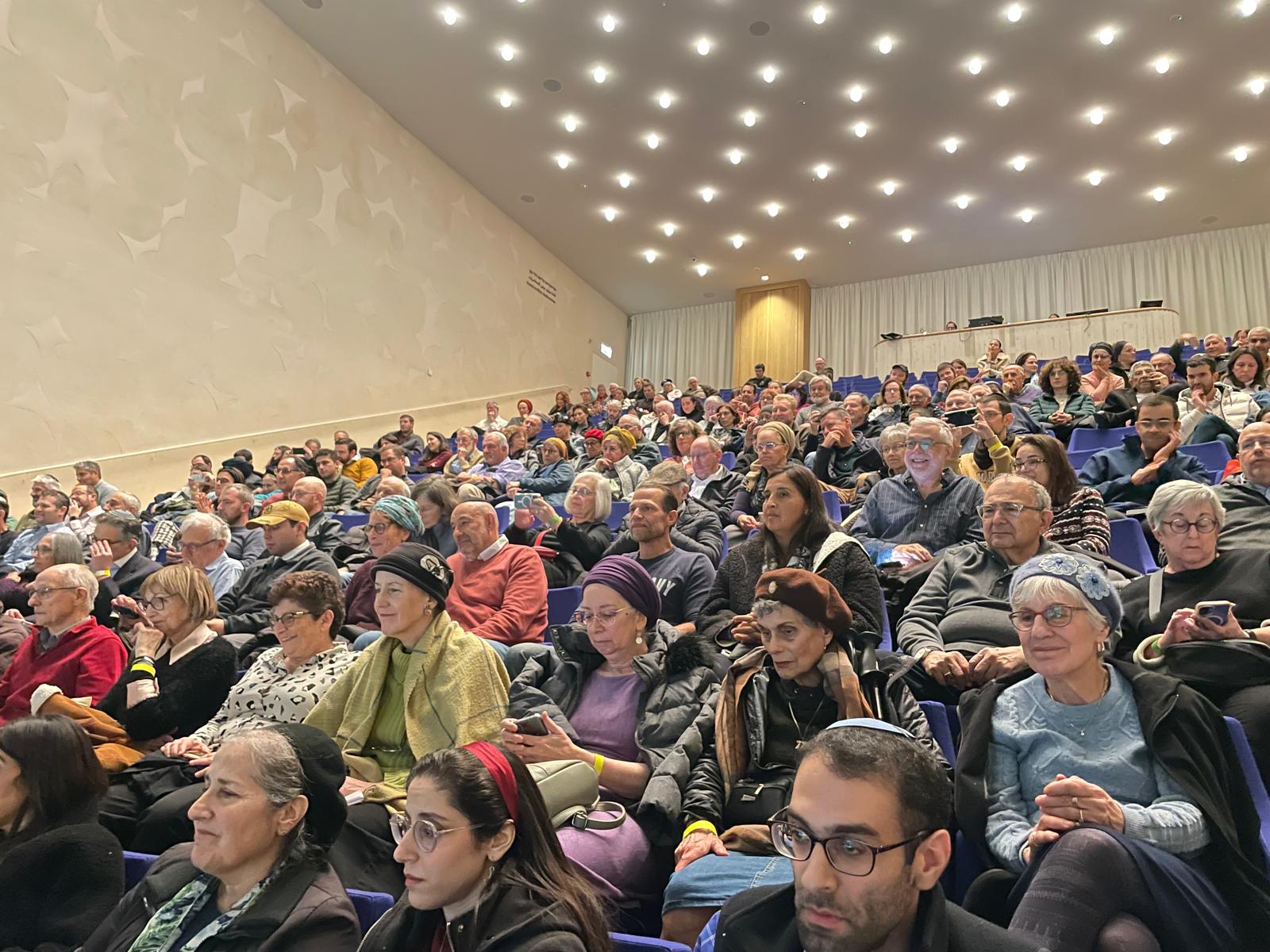
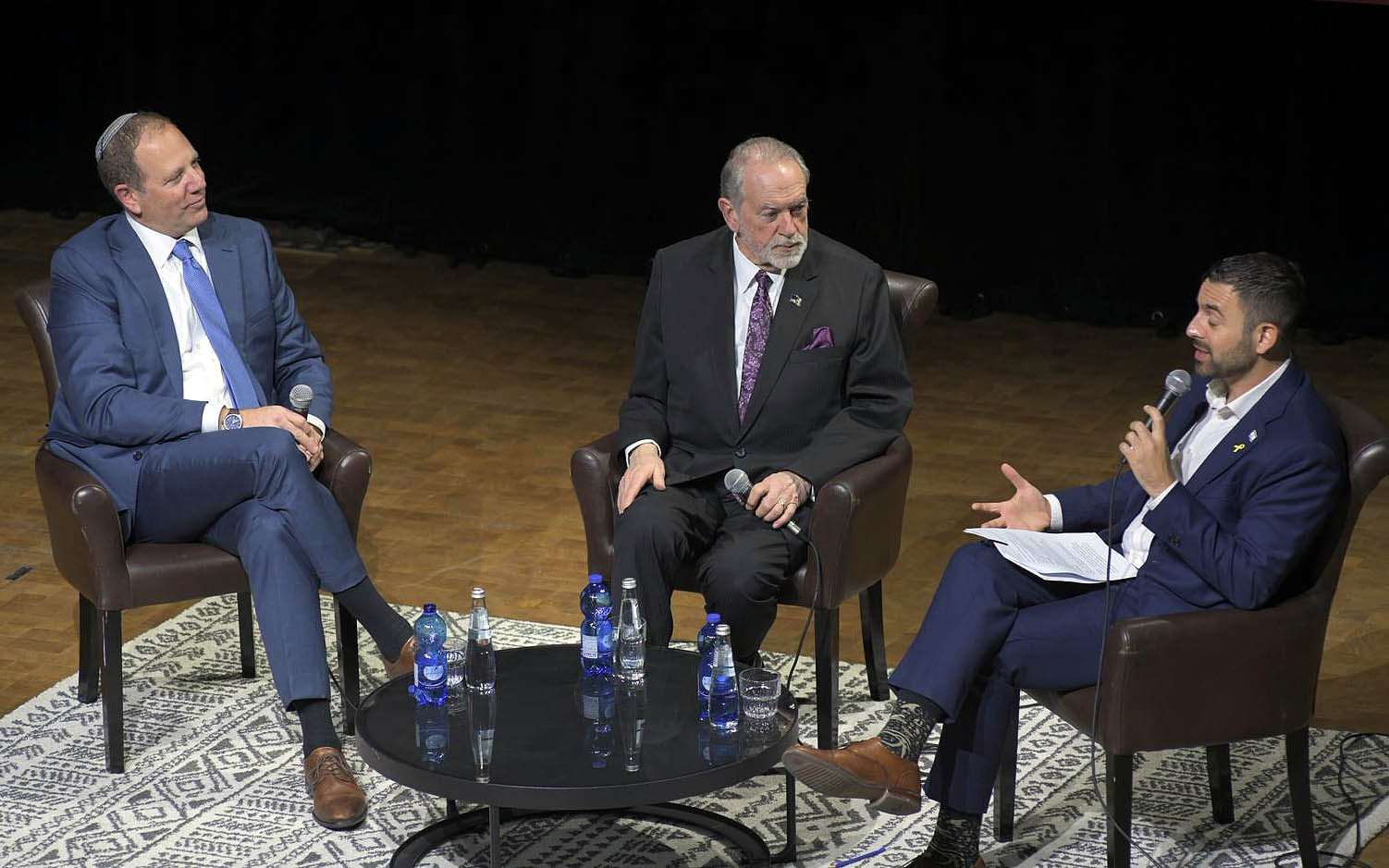
Titled “Will the fate of the Western Civilization be decided in the City of David?” the evening drew hundreds of people who often clapped and cheered for both Huckabee and Spielman as they discussed the spiritual and political role of the site that has long been contentious. The conversation was moderated by former government spokesperson and media personality Eylon Levy.
Controversy over the site largely stems from the City of David’s location, just a few dozen meters from the Temple Mount where currently the Al-Aqsa Mosque stands, in the predominantly Palestinian neighborhood of Silwan in East Jerusalem. The area is part of Israel according to Israeli law but is considered occupied under international law.
Additionally, the City of David Foundation that manages the national park and funds most of the archaeological work — which is conducted by professional bodies, first and foremost, the Israel Antiquities Authority — has also been promoting and supporting the endeavor to move Jewish residents to Arab neighborhoods, which critics say represents an effort to “Judaize” the city at the expense of its Palestinian population.
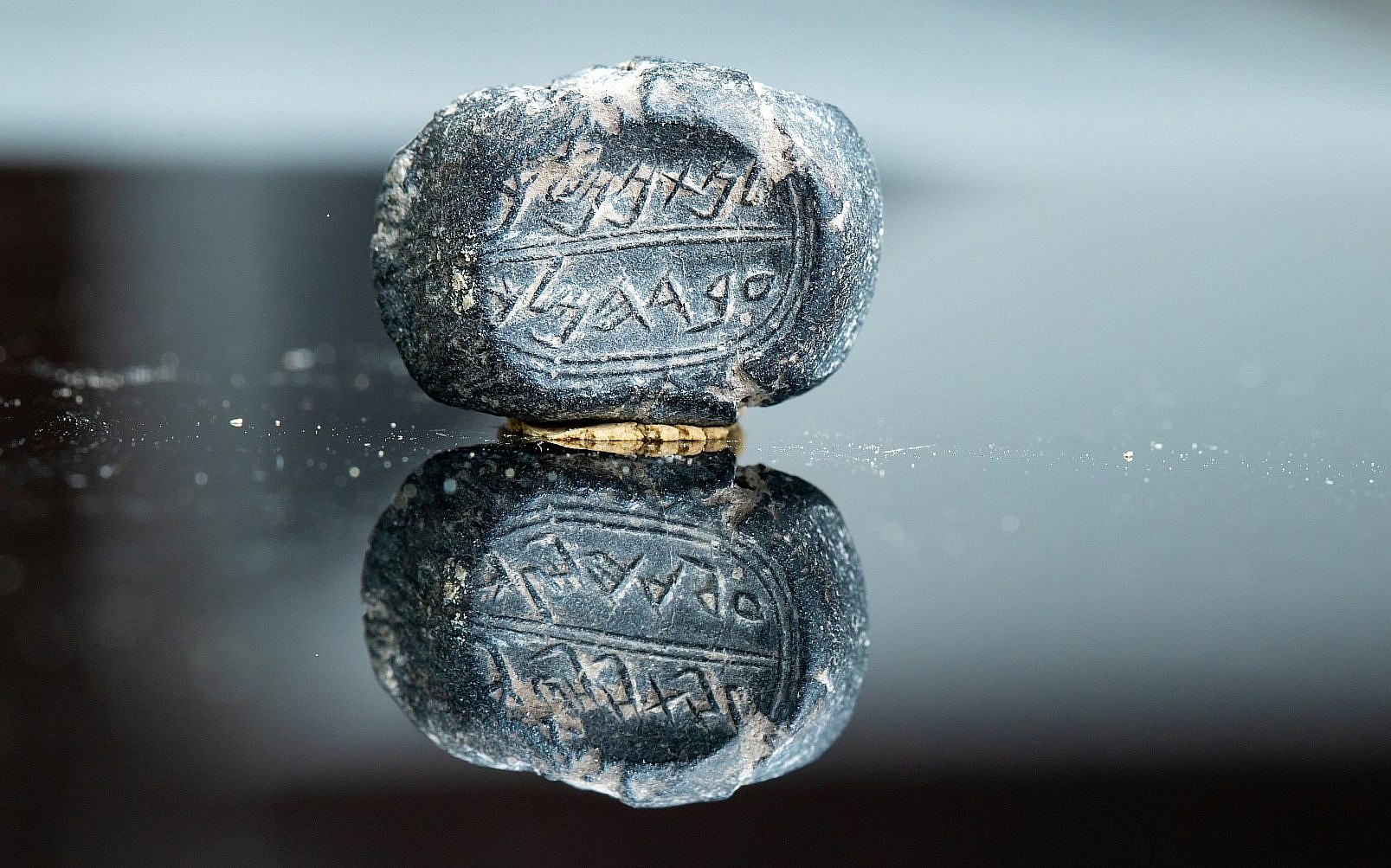
At the same time, the site — which was first excavated in the 19th century by British archaeologists — has over the years yielded incredible archaeological finds, including inscriptions bearing the name of biblical characters and remains of structures dating back to the dawn of the city in the Iron Age I (approximately 1200-1000 BCE).
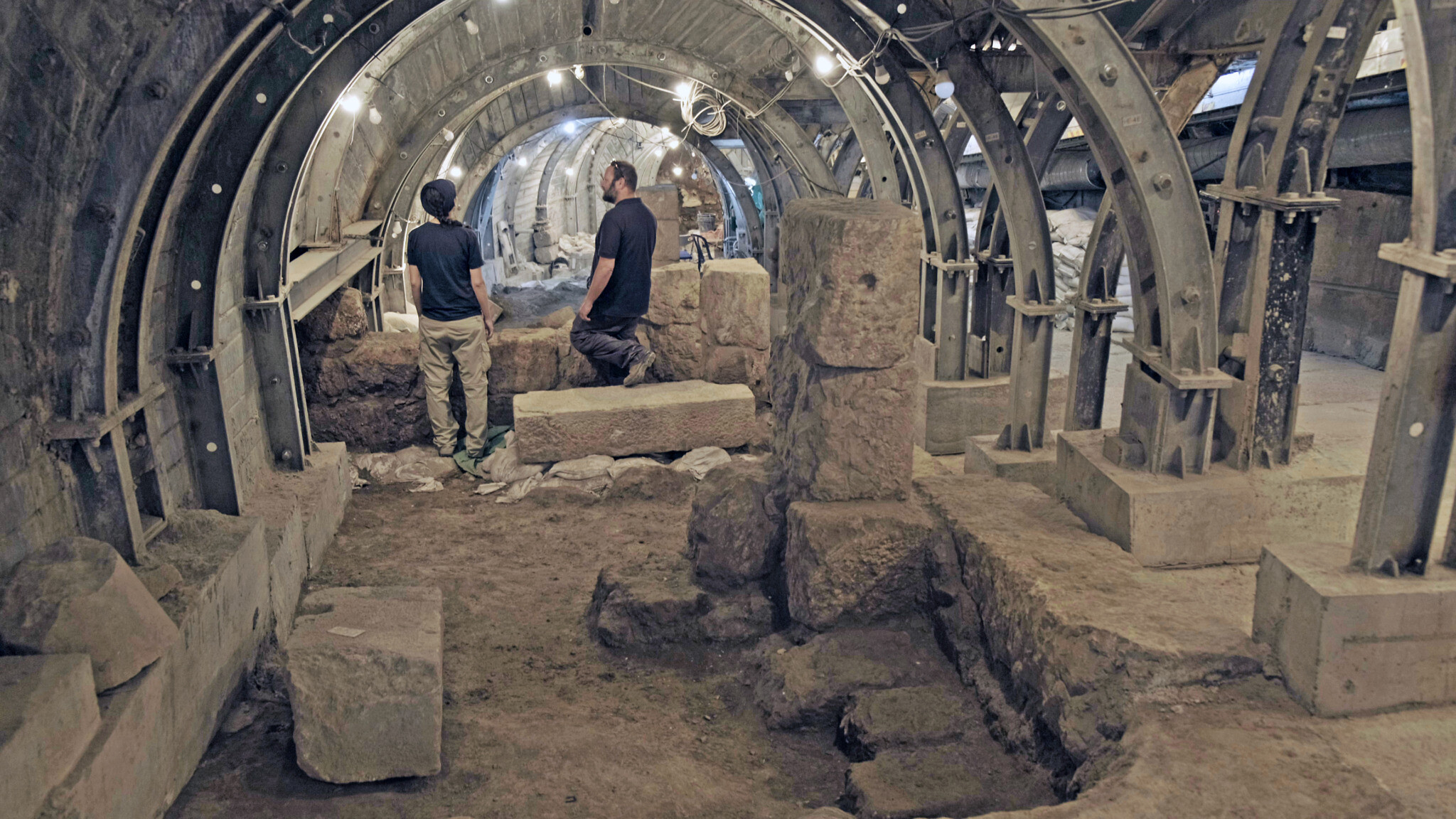
Some twenty years ago, archaeologists started to expose what is today considered one of the most impressive remains at the site, the so-called Pilgrimage Road, which researchers believe was used by pilgrims reaching Jerusalem and the temple, especially for the Jewish festivals, at the end of the Second Temple Period (1st century CE).
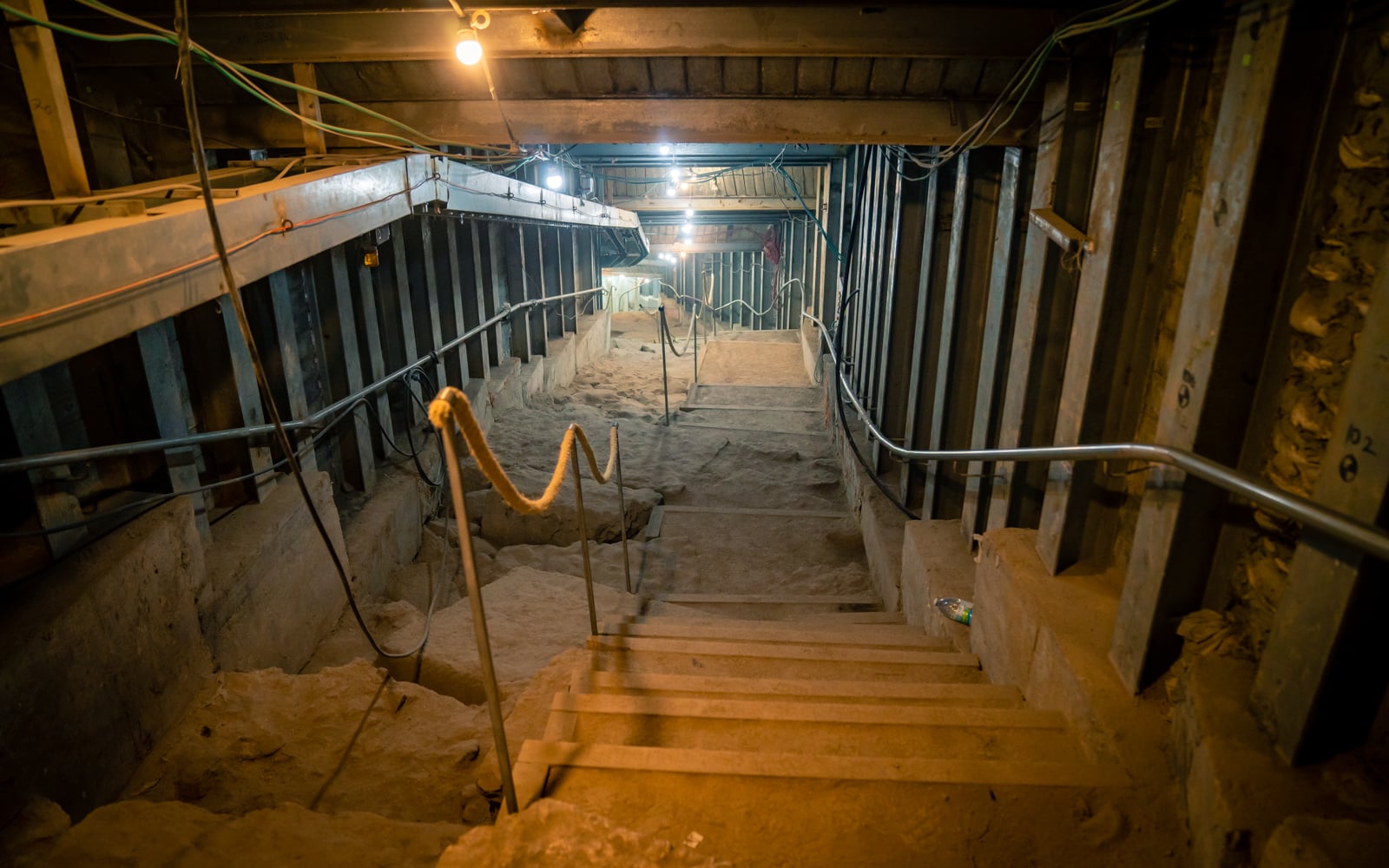
In the book, Spielman recalls how one day in February 2005, he found himself crawling through a narrow tunnel whose entrance had just been exposed during a dig, pushing through a dark space partially filled with muddy water together with a couple of fellow City of David staff members and a visiting donor.
“I was scared out of my mind, but then we saw the stairs of the road, and it was unbelievable,” Spielman said. “On that crawl, we found pots, and the rim was lined with a chalky substance. Later, scientists confirmed it was food, because the last Jews in Jerusalem had died in the spot [as they hid from the Romans].”
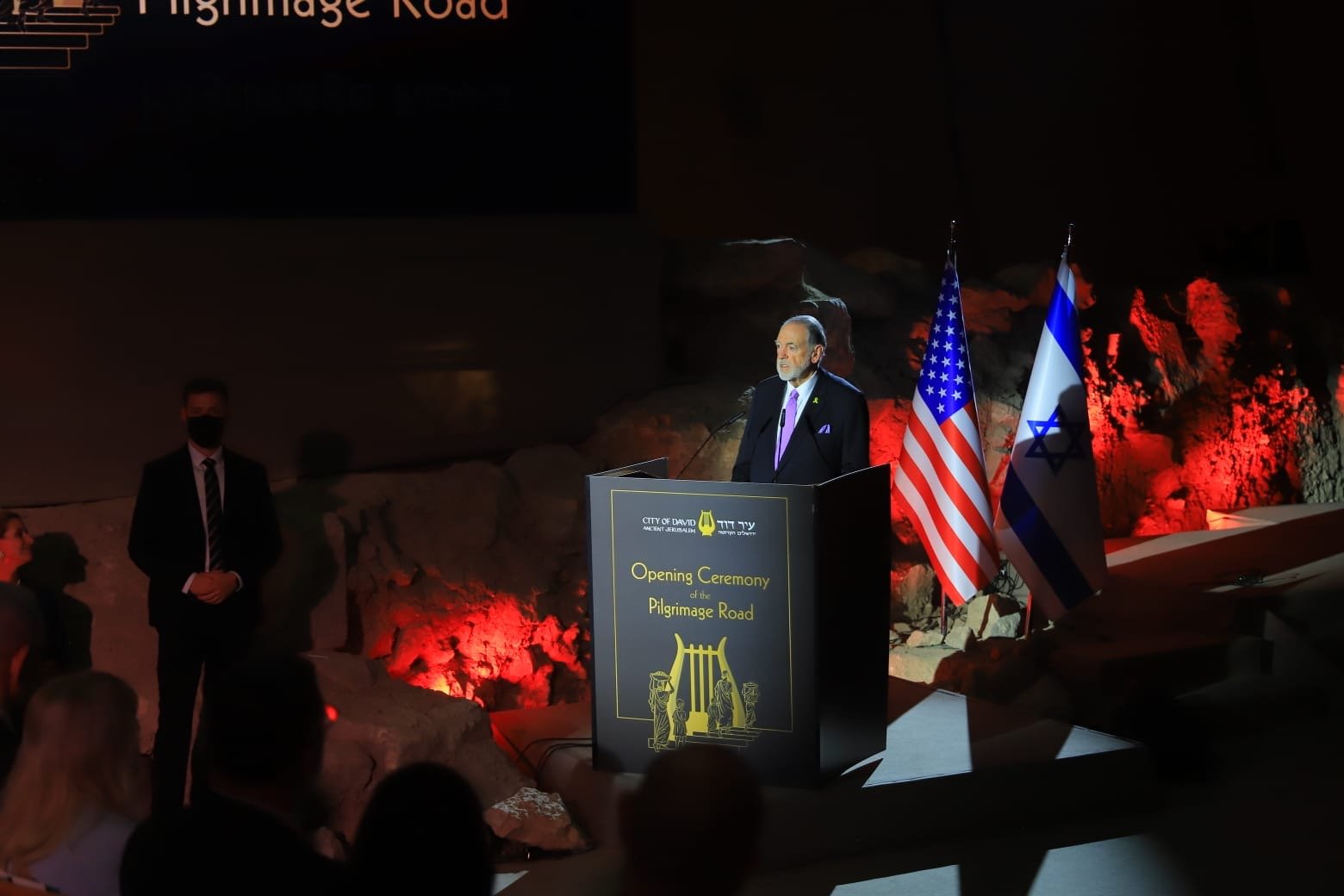
Years after it was first discovered, the Pilgrimage Road was revealed to the public in 2019 and inaugurated earlier this year in the presence of US Secretary of State Marco Rubio and Huckabee himself.
“As a Christian, knowing that Jesus walked that very road, since he was Jewish and went to the temple, and that I now, 2000 years later, can walk that very path, one cannot help but feel, emotionally and spiritually, an overwhelming awe,” Huckabee said. “The same path they took, we, too, are taking. And it is a path not just to a stone. It is a pathway to meet God, which is really what the temple was all about.”
Huckabee insisted that the rediscovery of the City of David in this particular period in history was not by chance.
“Think about the fact that it was hidden for 2000 years, underground, people living their lives on top of it, streets and roads and houses being built above it, nobody understanding that underneath here was maybe the greatest archeological discovery in history,” he said. “We needed to discover it now, at a time when there’s so much skepticism, so much antisemitism, so much animosity toward the Bible and to the people who follow it. With this discovery, it’s not about who believes what anymore; there’s no argument, this is a reality.”
The evening also included discussion about some contemporary political issues.
Asked about the possible end of support for Israel as a bipartisan priority in the US, Huckabee acknowledged that there have been problems both on the left and on the right of the political spectrum, but expressed optimism.
“I think if a person looks at some of the rhetoric that’s going on, not only on the left, but let me be very candid, we’re seeing some of it on the right, I think it has had some effect, but I’m not as panicked over the fact that you have people from all of the fringes of humankind saying disparaging things about faith in general, about the Jews specifically, or about the land of Israel. I would panic if Jews or Christians quit having hope and confidence in their feelings.”
“There needs to be an understanding that we’re not operating from the point of defeat,” he noted. “We’re operating from the point of victory. History is on our side. The truth is on our side.”
‘Oh, wow, you’re also indigenous’
During the event, Spielman spoke about the backlash against the City of David, especially by international media, describing it as an attempt to deny the Jewish connection with Jerusalem, particularly in light of the 2016 UNESCO resolution on the city that did not mention its Jewish roots and ancient sites, focusing only on the Muslim and Christian ones.
Speaking with The Times of Israel at the end of the event, Spielman said that he rejected the notion that the local Palestinian residents were negatively impacted by the City of David.
“The people that are living there used to live in a very dangerous, neglected area that was barren of tourists, full of clan wars, which to some degree still take place, and no jobs,” he said. “I don’t believe that Jews living next to Arabs makes their life worse. I think it made their life much better. The roads have improved, and dozens are now working in the City of David.”
“Not everybody loves that we are there,” he added. “People who don’t believe that they can live next to Jews don’t love it, and Jews who think they can’t live next to Arabs don’t love it, but I can tell you that this is a minority of the population.”
As the Pilgrimage Road was excavated, many residents complained that their houses, built above the site, were damaged or at risk of collapse due to the archaeological work.
“Every single claim was checked by the Supreme Court that handed a very clear answer that these excavations were not damaging the homes above,” Spielman said. “If there is an earthquake in Jerusalem, the only homes that are going to be standing in the area are the homes we have dug underneath. Why? Because we built steel [beams to support them], and before they did not have foundations.”
Spielman stressed that the archaeologists working at the City of David uphold the highest scientific standards.
“I could never be an archaeologist because they have to operate within the most sterile environment; I would go out of my mind in a minute,” he said. “I get the privilege of seeing what they find and celebrating it.”
Asked how he thought the message he and Huckabee stressed about the City of David as a site that proves the historicity of the Bible and strengthens faith would resonate with non-religious audiences, Spielman said it was important to also focus on Jewish indigeneity to the Land of Israel.
“The ancestral connection to the land is based on evidence and cuts through arguments, and the average rational person, when Jews start talking about ancestry and indigeneity, they’re like, oh, wow, you’re also indigenous,” he said.
“The faith argument is a powerful argument that is above most people’s pay grade,” he added.





The Times of Israel Community.