

Frank Gehry, the most acclaimed architect of his era, dies at 96
Gehry, known for his imaginative building designs, was born Ephraim Owen Goldberg before changing his name at suggestion of first wife, who said antisemitism might be holding back his career
 Add ToI as a Preferred Source on Google
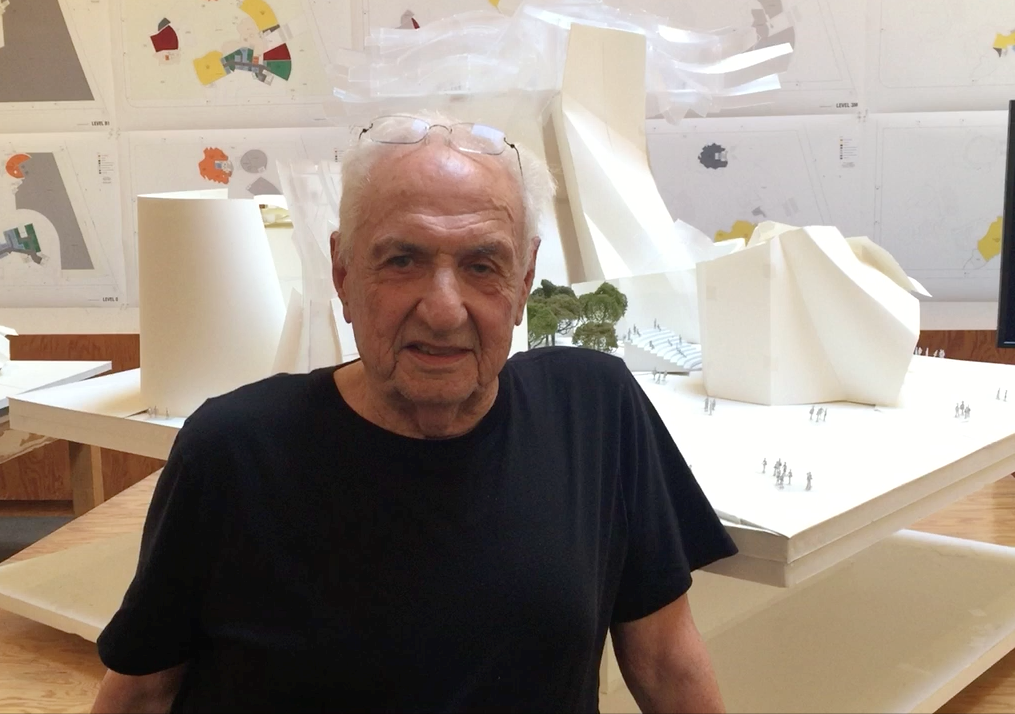
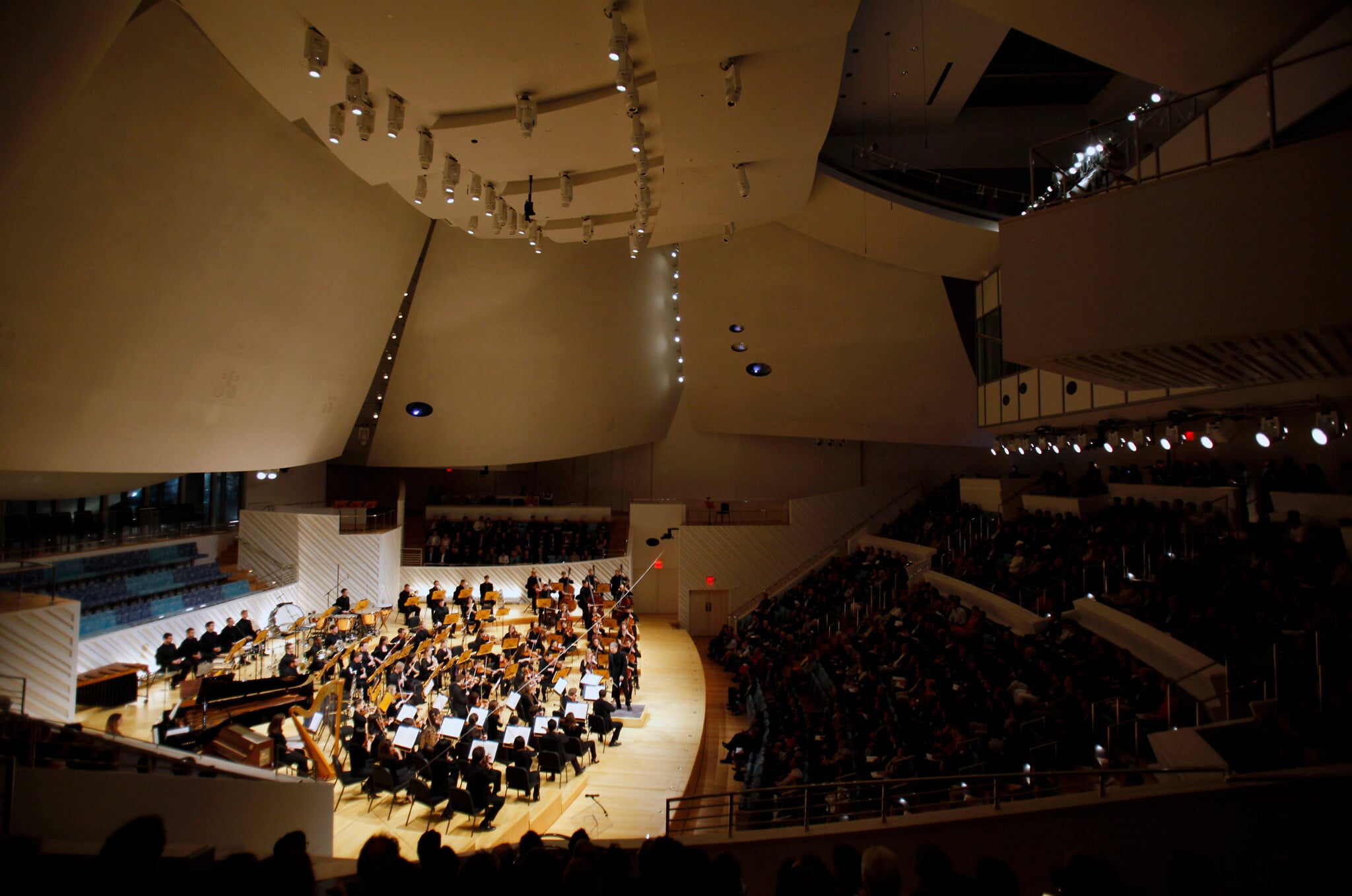
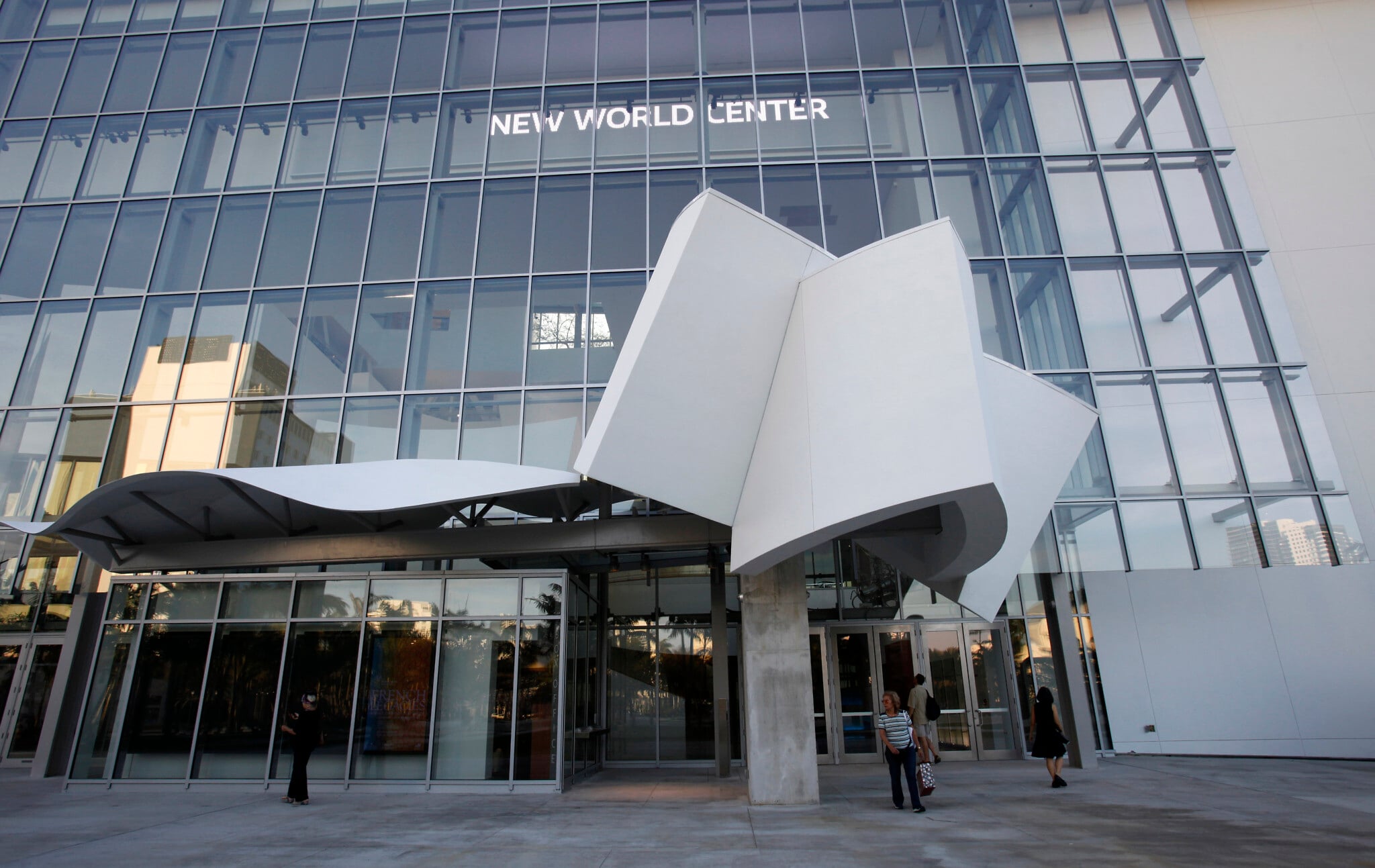
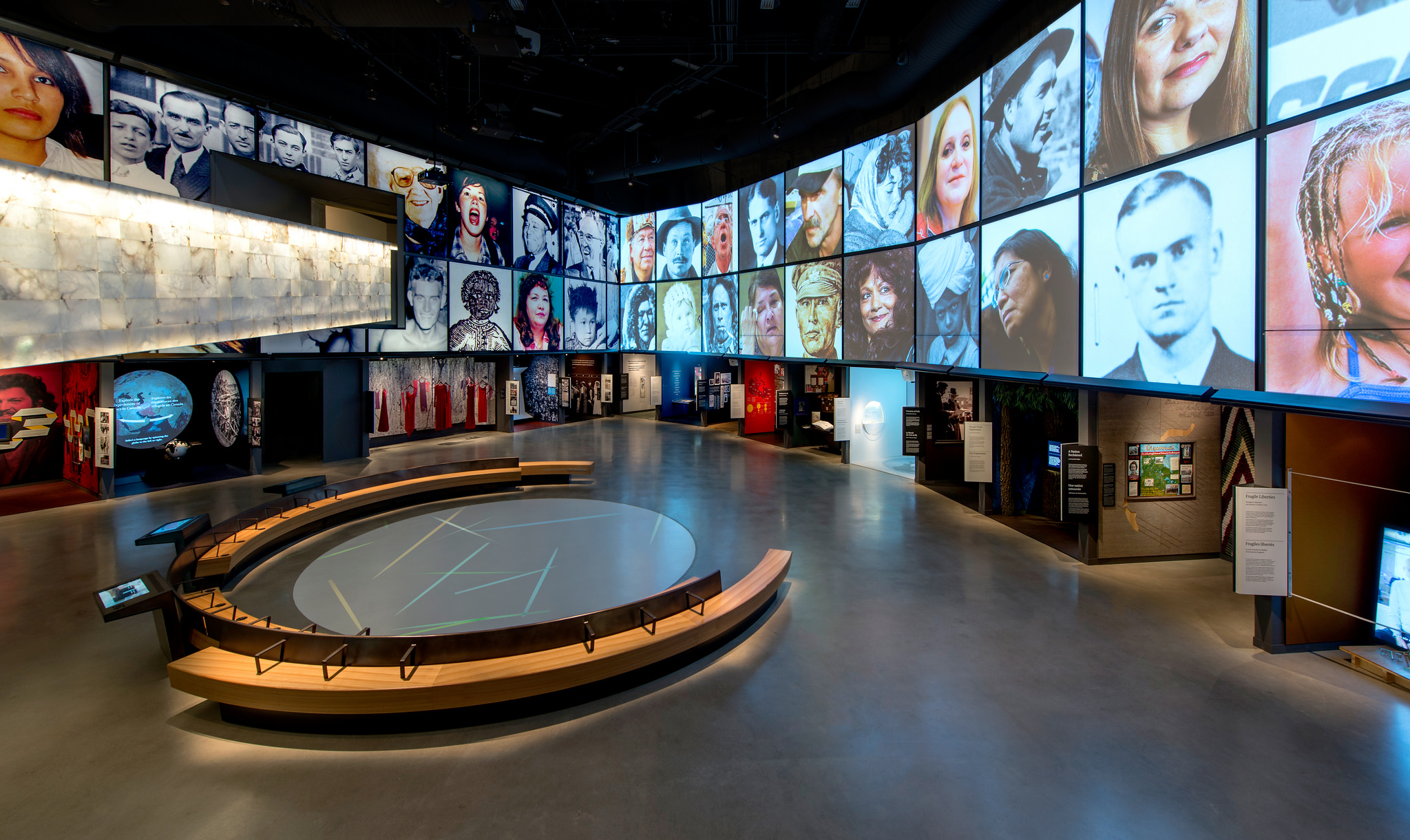
Frank Gehry, who designed some of the most imaginative buildings ever constructed and achieved a level of worldwide acclaim seldom afforded any architect, has died. He was 96.
Gehry died Friday in his home in Santa Monica after a brief respiratory illness, said Meaghan Lloyd, chief of staff at Gehry Partners LLP.
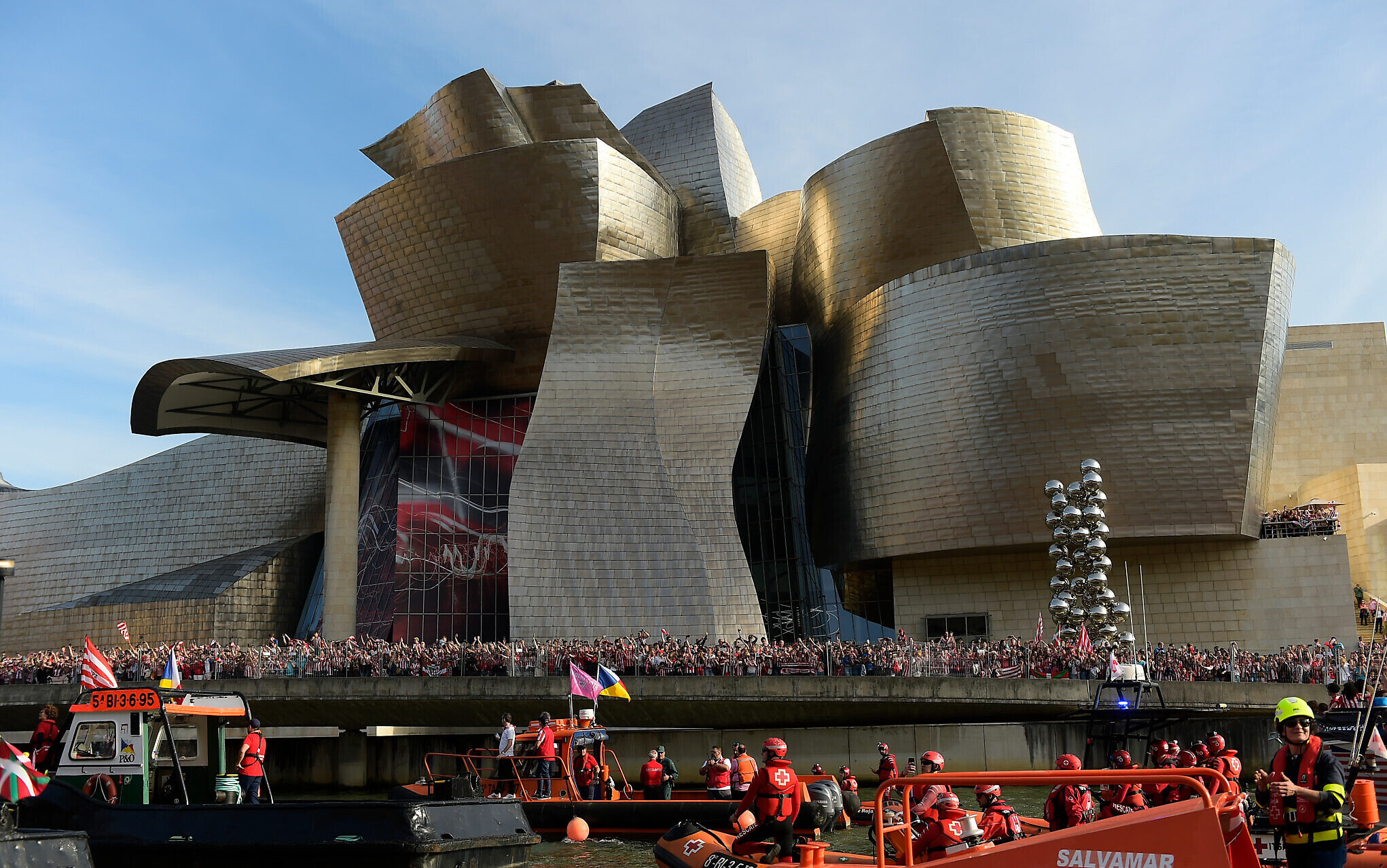
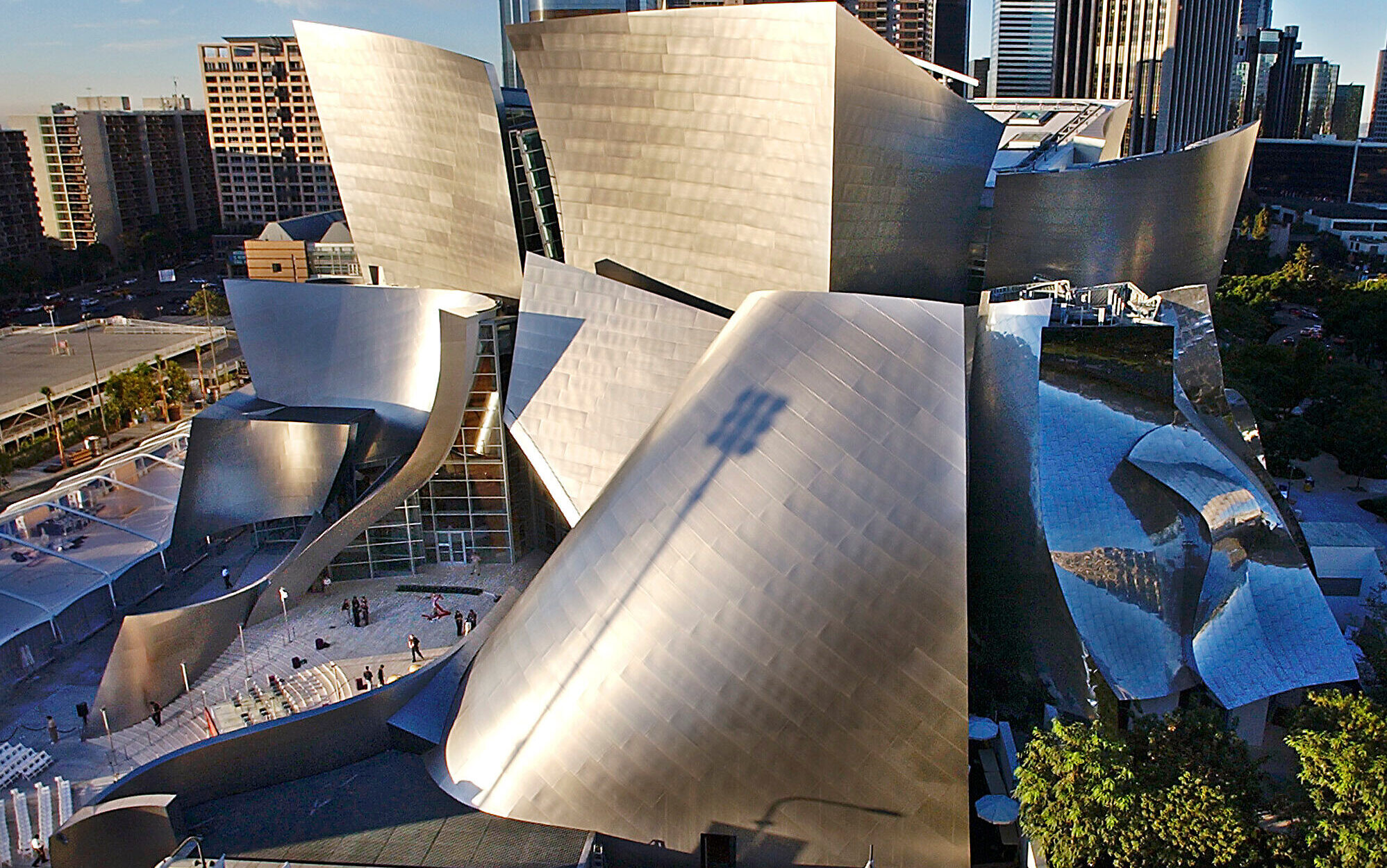
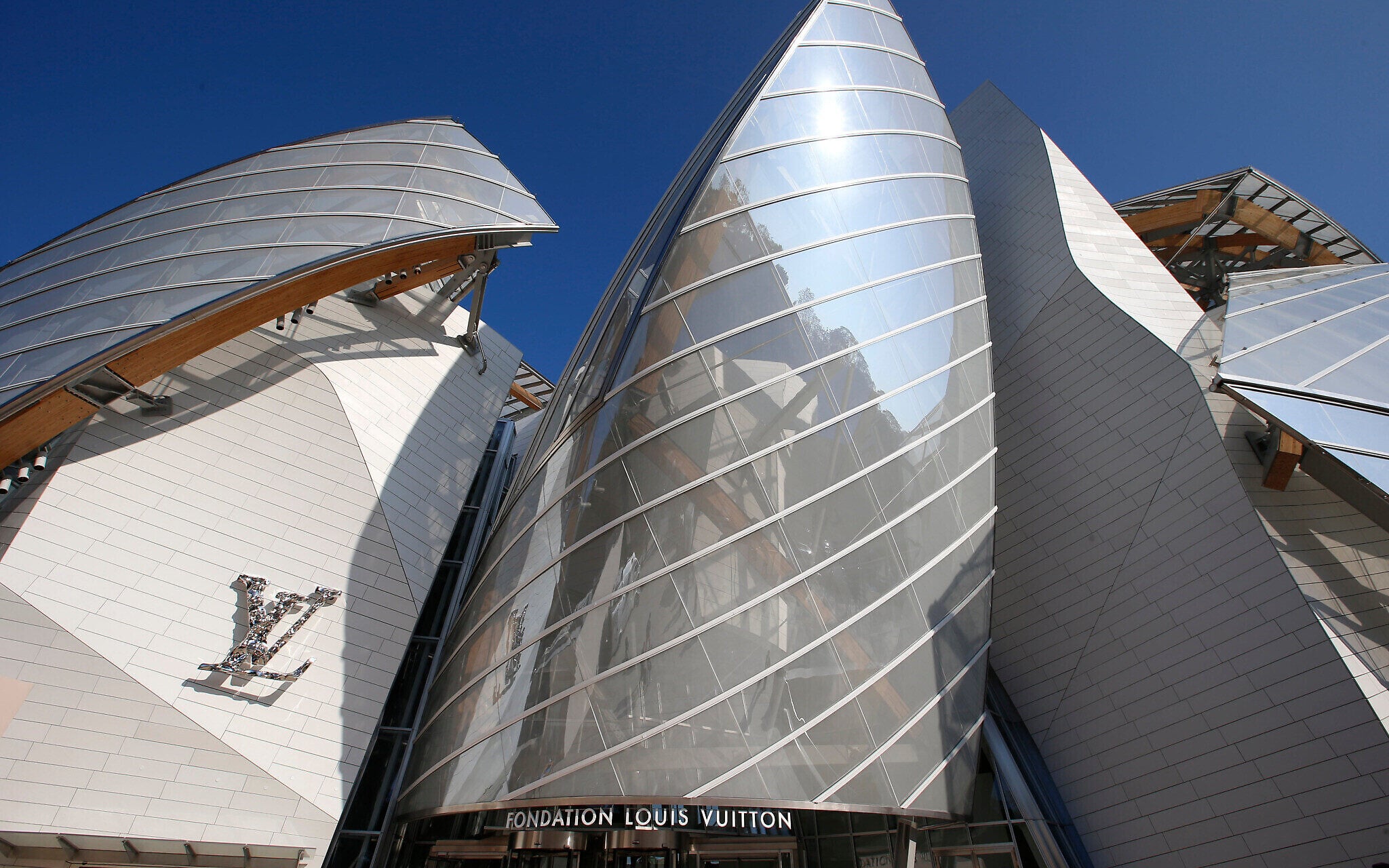
Gehry’s fascination with modern pop art led to the creation of distinctive, striking buildings. Among his many masterpieces are the Guggenheim Museum in Bilbao, Spain; The Walt Disney Concert Hall in Los Angeles and Berlin’s DZ Bank Building.
He also designed an expansion of Facebook’s Northern California headquarters at the insistence of the company’s CEO, Mark Zuckerberg.
Gehry was awarded every major prize architecture has to offer, including the field’s top honor, the Pritzker Prize, for what has been described as “refreshingly original and totally American” work.
Other honors include the Royal Institute of British Architects gold medal, the Americans for the Arts lifetime achievement award, and his native country’s highest honor, the Companion of the Order of Canada.
The start of his career in architecture
After earning a degree in architecture from the University of Southern California in 1954 and serving in the Army, Gehry studied urban planning at Harvard University.
But his career got off to a slow start. He struggled for years to make ends meet, designing public housing projects, shopping centers and even driving a delivery truck for a time.
Eventually, he got the chance to design a modern shopping mall overlooking the Santa Monica Pier. He was determined to play it safe and came up with drawings for an enclosed shopping mall that looked similar to others in the United States in the 1980s.
To celebrate its completion, the mall’s developer dropped by Gehry’s house and was stunned by what he saw: The architect had transformed a modest 1920s-era bungalow into an inventive abode by remodeling it with chain-link fencing, exposed wood and corrugated metal.
Asked why he hadn’t proposed something similar for the mall, Gehry replied, “Because I have to make a living.”
If he really wanted to make a statement as an architect, he was told, he should drop that attitude and follow his creative vision.
Gehry would do just that for the rest of his life, working into his 90s to create buildings that doubled as stunning works of art.
As his acclaim grew, Gehry Partners LLP, the architectural firm he founded in 1962, grew with it, expanding to include more than 130 employees at one point. But as big as it got, Gehry insisted on personally overseeing every project it took on.
The headquarters of the InterActiveCorp, known as the IAC Building, took the shape of a shimmering beehive when it was completed in New York City’s Chelsea district in 2007. The 76-story New York By Gehry building, once one of the world’s tallest residential structures, was a stunning addition to the lower Manhattan skyline when it opened in 2011.
That same year, Gehry joined the faculty of his alma mater, the University of Southern California, as a professor of architecture. He also taught at Yale and Columbia University.
Imaginative designs drew criticism along with praise
Not everyone was a fan of Gehry’s work. Some naysayers dismissed it as not much more than gigantic, lopsided reincarnations of the little scrap-wood cities he said he spent hours building when he was growing up in the mining town of Timmins, Ontario.
Princeton art critic Hal Foster dismissed many of his later efforts as “oppressive,” arguing they were designed primarily to be tourist attractions. Some denounced the Disney Hall as looking like a collection of cardboard boxes that had been left out in the rain.
Still other critics included Dwight D. Eisenhower’s family, who objected to Gehry’s bold proposal for a memorial to honor the nation’s 34th president. Although the family said it wanted a simple memorial and not the one Gehry had proposed, with its multiple statues and billowing metal tapestries depicting Eisenhower’s life, the architect declined to change his design significantly.
If the words of his critics annoyed Gehry, he rarely let on. Indeed, he even sometimes played along. He appeared as himself in a 2005 episode of “The Simpsons” cartoon show, in which he agreed to design a concert hall that was later converted into a prison.
He came up with the idea for the design, which looked a lot like the Disney Hall, after crumpling Marge Simpson’s letter to him and throwing it on the ground. After taking a look at it, he declared, “Frank Gehry, you’ve done it again!”
“Some people think I actually do that,” he would later tell the AP.
Gehry often returned to the motif of a fish, including two large fish sculptures in the World Trade Center in New York City and on Barcelona’s seafront. Some tied the fish motif to his recollections about his Jewish grandmother’s trips to the fishmonger to prepare for Shabbat each week.
“We’d put it in the bathtub,” Gehry said, according to the New York Times. “And I’d play with this fish for a day until she killed it and made gefilte fish.”
Gehry’s lasting legacy around the world
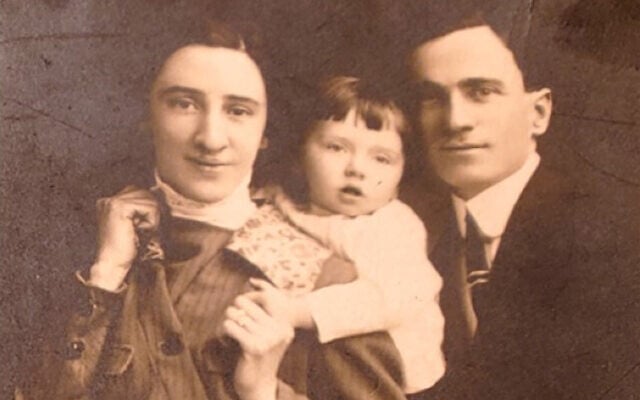
Ephraim Owen Goldberg was born in Toronto on February 28, 1929, the son of Polish Jews, and moved to Los Angeles with his family in 1947, eventually becoming a US citizen. As an adult, he changed his name at the suggestion of his first wife, who told him antisemitism might be holding back his career. He would later say he would not make the choice again.
Gehry began to identify as an atheist shortly after his bar mitzvah. But in 2018, while he was working on ANU-Museum of the Jewish People in Tel Aviv, he told the Jewish Journal that Judaism had influenced his career nonetheless.
“There’s a curiosity built into the [Jewish] culture,” he said. “I grew up under that. My grandfather read Talmud to me. That’s one of the Jewish things I hang on to probably — that philosophy from that religion. Which is separate from God. It’s more ephemeral. I was brought up with that curiosity. I call it a healthy curiosity. Maybe it is something that the religion has produced. I don’t know. It’s certainly a positive thing.”
Although he had enjoyed drawing and building model cities as a child, Gehry said it wasn’t until he was 20 that he pondered the possibility of pursuing a career in architecture, after a college ceramics teacher recognized his talent.
“It was like the first thing in my life that I’d done well in,” he said.
Gehry steadfastly denied being an artist though.
“Yes, architects in the past have been both sculptors and architects,” he declared in a 2006 interview with The Associated Press. “But I still think I’m doing buildings, and it’s different from what they do.”
His words reflected both a lifelong shyness and an insecurity that stayed with Gehry long after he’d been declared the greatest architect of his time.
“I’m totally flabbergasted that I got to where I’ve gotten,” he told the AP in 2001. “Now it seems inevitable, but at the time it seemed very problematic.”
The Gehry-designed Guggenheim Museum in Abu Dhabi, first proposed in 2006, is expected to finally be completed in 2026 after a series of construction delays and sporadic work. The 30,000-square-foot (2,787-square-meter) structure will be the world’s largest Guggenheim, leaving a lasting legacy in the capital city of the United Arab Emirates.
His survivors include his wife, Berta; daughter, Brina; sons Alejandro and Samuel; and the buildings he created.
Another daughter, Leslie Gehry Brenner, died of cancer in 2008.









The Times of Israel Community.