

Gaza discord has Netanyahu scrambling ahead of DC meet, but Trump offers him way out
Netanyahu clears schedule to avoid another Oval Office surprise, while president’s plan to end war looks like PM’s best option for day after – yet requires Hamas to go along with its own defeat

 Add ToI as a Preferred Source on Google
Lazar Berman is The Times of Israel's diplomatic reporter
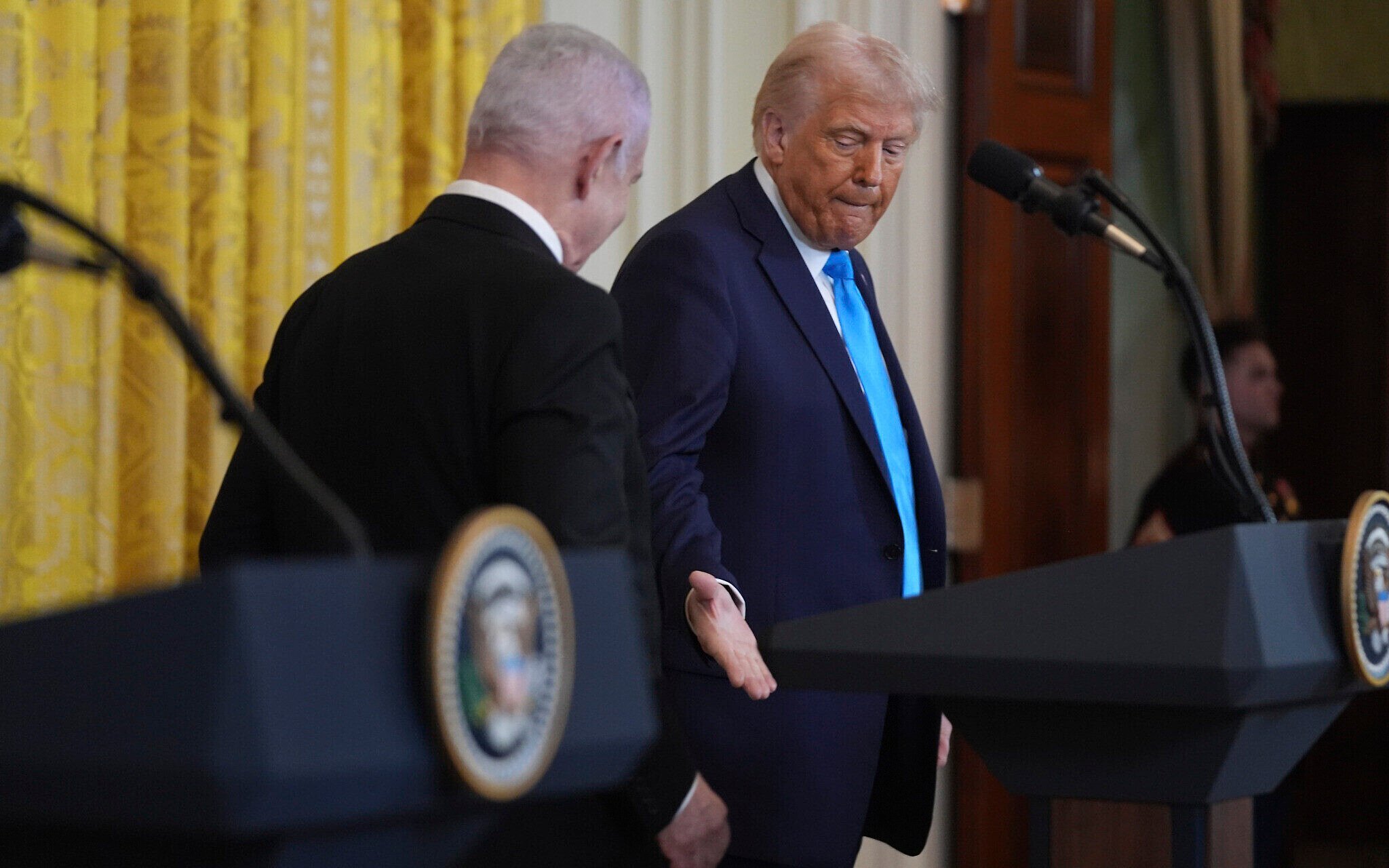
Throughout the eight-plus months of US President Donald Trump’s second term, Prime Minister Benjamin Netanyahu has boasted about how tightly coordinated the two world leaders are.
“President Trump and I are working in full cooperation and coordination,” he said regarding the future of the Gaza war back in February.
Netanyahu sought to project the same optimism ahead of his fourth White House meeting with Trump this year, due to take place Monday, telling Fox News on Sunday that his office was “working with President Trump’s team” on the details of the latest US proposal to end the war.
But in spite of Netanyahu’s attempts to shift attention away from any disagreements over ending the war and moving into reconstruction, it’s not hard to see that there are plenty of gaps left to bridge.
Trump’s 21-point plan outlines a potential pathway to a future Palestinian state, something Netanyahu firmly and repeatedly rejects. “Giving the Palestinians a state one mile from Jerusalem after October 7 is like giving Al-Qaeda a state one mile from New York City after September 11,” Netanyahu said during his UN speech on Friday. “This is sheer madness. It’s insane, and we won’t do it.”
He has also consistently rejected the Palestinian Authority having any role in governing postwar Gaza, while Trump sees a possibility of a reformed PA helping run the Strip.
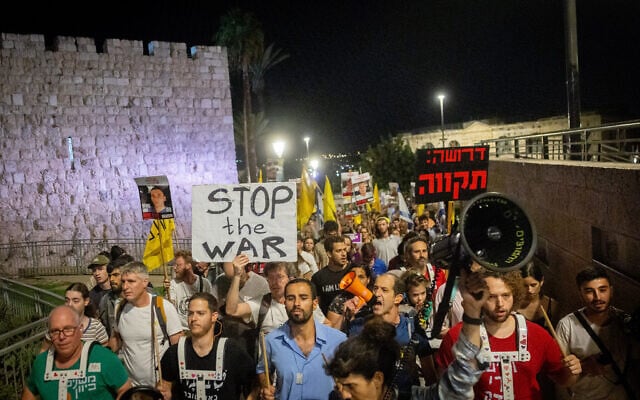
The two leaders’ governments don’t see eye-to-eye on the idea of Israel annexing parts of the West Bank, either. Trump told reporters at the White House on Thursday, “I will not allow Israel to annex the West Bank. I will not allow it. It’s not going to happen.”
Netanyahu’s allies in the settler movement and on the far-right are calling publicly for him to ignore Trump and move ahead with annexation, a fundamental priority for them.
And in what might be the most glaring indication that Netanyahu anticipates disagreements during Monday’s meeting, he belatedly cancelled his public appearances on Sunday to huddle with top advisers in preparation for the White House visit. It seems the prime minister learned his lesson from his last-minute April trip to the Oval Office, in which he agreed to hurry to Washington from Budapest, only to discover he had walked into a series of unpleasant surprises from Trump.

Netanyahu is going into Monday’s meeting in a vulnerable position. He has put all his eggs in the Trump basket, and he is even more dependent on the president’s goodwill after a series of Western allies, such as France and the United Kingdom, broke with Israel and recognized a Palestinian state last week.
At the same time, if Netanyahu fails to convince Trump to shift on key issues — the future role of the PA in Gaza, a pathway toward a Palestinian state, annexation, facilitating the emigration of Gazans out of the Strip — he will face coalition partners on his right flank who may decide that Netanyahu is not the man to deliver on their priorities. With the next elections in Israel scheduled for October 2026 at the latest, they may choose to demonstrate their displeasure by breaking apart Netanyahu’s coalition and triggering an early vote.
A way out
While he’s putting the Israeli leader in an uncomfortable position, Trump is also offering Netanyahu a way out of the corner into which he has backed himself. Without the Trump plan, it’s hard to imagine any end to the war in Gaza in the foreseeable future.
As has been the case at a number of junctures during the nearly two-year war, the latest IDF operation is putting stress on Hamas and racking up tactical successes. But there are no signs of an impending Hamas collapse and surrender, which Netanyahu has repeatedly portrayed as just another step or two away, or of an imminent release of the hostages the terror group is holding in Gaza.

Netanyahu’s hand-picked IDF chief of staff, Eyal Zamir, doesn’t seem to be raring to crush Hamas on the battlefield. He has done everything in his power to head off and mitigate the Gaza City operation, telling the government that the offensive would turn into a full-fledged occupation, and warning in a secret memo that the operation lacked a “political endgame” and risked the lives of both hostages and soldiers.
Yet the alternate plan that Zamir had put forward would have brought its own risks. He had wanted the IDF to surround Gaza City and stop there. Hamas certainly would not have given up the hostages once it understood Israeli forces had stopped in their tracks, and his plan would have meant an extended siege in an area with tens or hundreds of thousands of civilians inside, letting even more international ire build up.

It’s not that Zamir was entirely mistaken in his critique. As things stand, with Netanyahu unwilling for political reasons to lay out a vision for a new authority in Gaza, and unprepared to start putting that plan into place in territory the IDF controls, the current Operation Gideon’s Chariots II isn’t set to bring the fight to a rapid end either. Even when the takeover of Gaza City ends months down the road, according to the current schedule, Israel will still have to move to the central Gaza Strip. And even if it does so, there is still no guarantee that taking the refugee camps there will force Hamas into surrender.
As long as the war drags on, furthermore, Israel can’t patch up its ties with Europe or think realistically about expanding the Abraham Accords, a major priority for Netanyahu as well as Trump.
Trump, by contrast, is giving Netanyahu a potential path toward freeing the hostages, disarming Hamas, and ending the war.
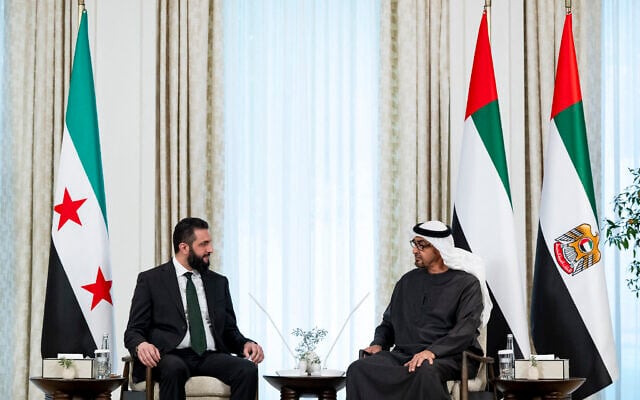
If Netanyahu treats this moment as an opportunity, he can leverage it to back the PA into far-reaching reforms that Israel hasn’t compelled it to make for decades. He can also build on the relief and the turning point unleashed by the end of the fighting in Gaza to catalyze establishing deeper ties with current Arab partners, and potentially normalization with new ones.
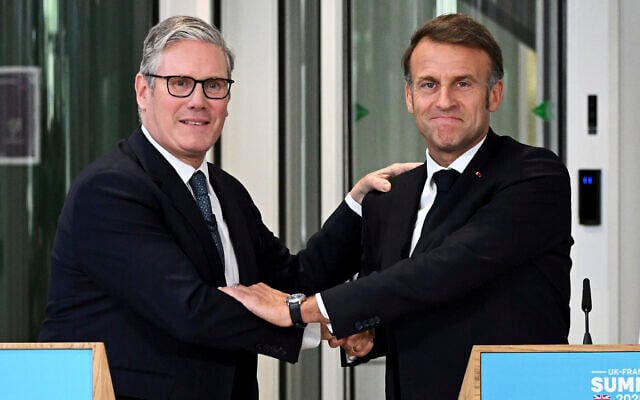
The problem, however, is that for any of this to happen, a genocidal terrorist organization has to agree that its time is up. That wasn’t likely in the first place, and is even less likely now after leaders including France’s Emmanuel Macron and the UK’s Keir Starmer handed Hamas a reason to believe that holding out means more achievements for Palestinians — such as statehood recognition — and more punishment for Israel.
If Hamas finds excuses to effectively reject Trump’s proposal, even though it will likely give vague statements about welcoming it while offering fixes, the Western and Arab countries that have been demanding that the war end will have to band together to make clear to Hamas leaders that there is no victory awaiting the organization, and that its leaders might as well save their skin and throw in the towel.
Judging by the inconsistent and often counterproductive behavior from those countries over the past two years, it’s more likely that they’ll react with muddled and indecisive diplomacy.
Meanwhile, Israel would be left with a military campaign that can be described with similar adjectives, and Netanyahu would be heading into an election sometime in the next 13 months with extremely uncertain prospects for returning to office.







The Times of Israel Community.