

Government backs bill subordinating police internal affairs unit to justice minister
Ministers vote to advance contentious legislation removing Department of Internal Police Investigations from aegis of prosecutors, a move critics have warned will politicize it
 Add ToI as a Preferred Source on Google
Jeremy Sharon is The Times of Israel’s legal affairs and settlements reporter
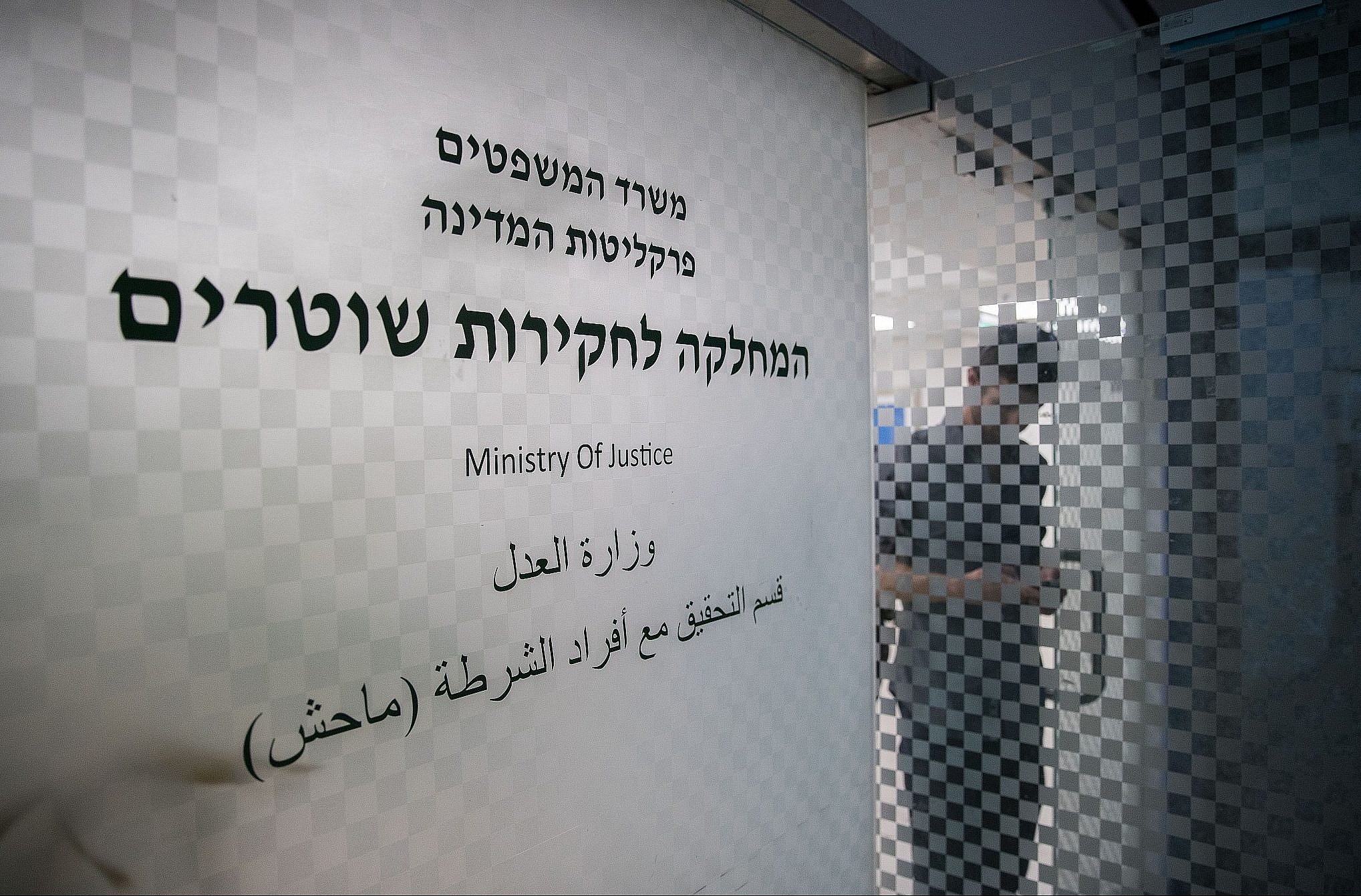
The Ministerial Committee for Legislation on Wednesday backed a bill that would remove the police internal affairs unit from the aegis of state prosecutors and subordinate the investigative body to the justice minister, formally throwing the government’s weight behind the controversial legislation.
A brief statement from Justice Minister Yariv Levin’s office said ministers approved advancing the bill to a first reading in the Knesset, the first of three plenum votes it must pass to become law.
The bill calls for electing the head of the Department of Internal Police Investigations — responsible for conducting criminal probes into police officers — via a five-member committee, with the justice minister having control over the appointment of three members and input on a fourth.
The department director would serve for a six-year term, but could be fired by the committee.
The head of DIPI would be seen as a prosecutor and have the powers of the attorney general and the state attorney, including the power to file indictments, over the cases coming before the department.
To qualify for the post, the head of DIPI must have 10 years’ experience as an attorney or five years’ experience as a district court judge, the same requirements as a Supreme Court justice.
Currently, DIPI operates under the State Attorney’s Office and is professionally and organizationally subordinate to it. The head of DIPI is appointed by a professional committee of the Civil Service Commission.

Justice Ministry officials have expressed concern that the changes to DIPI’s structure would compromise its independence and potentially politicize it, while the legal adviser to the Knesset committee that drafted the legislation warned during a hearing last month that the bill would give politicians control over the department.
Right-wing politicians have long sought to remove DIPI from the State Attorney’s Office, claiming there is a conflict of interest in it being subordinate to that agency due to its close cooperation with the police.
The opposition has argued, however, that giving DIPI over to the control of the justice minister would politicize criminal probes of the police, and destroy the agency’s independence.
The bill is part of a raft of measures being pushed by the government that would give it greater control over the judiciary and law enforcement. Critics of the judicial overhaul, which was largely in hibernation during the war, claim that it will undermine democracy and destroy the country’s system of checks and balances, while proponents assert it a necessary corrective against abuse of judicial power.
Times of Israel staff contributed to this report.










The Times of Israel Community.