

Hamas says Jerusalem bus bombing proof of ‘resistance’
Ismail Haniyeh praises ‘heroic action’ of terrorist Abu Srour, 19, who killed himself and wounded 20 people in April 18 attack
 Add ToI as a Preferred Source on Google
Last week’s Jerusalem bus bombing carried out by a member of Hamas shows the Islamist movement’s “determination” to continue resisting Israel, the head of the terror group in Gaza said on Thursday.
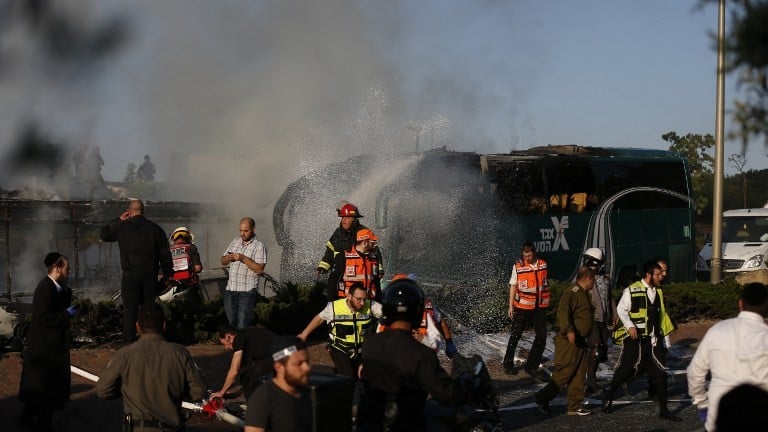
Addressing thousands of supporters in the Gaza Strip, Ismail Haniyeh praised the “heroic action” of Abed al-Hamid Abu Srour, 19, who killed himself and wounded 20 people, including a teenage girl who was seriously hurt, in the April 18 attack.
Haniyeh said the bombing “shows that Hamas and the sons of Hamas are committed to resistance and determined to pursue the intifada.
“We say to the Zionist occupier that our people can no longer stand the blockade [on the Gaza Strip].”
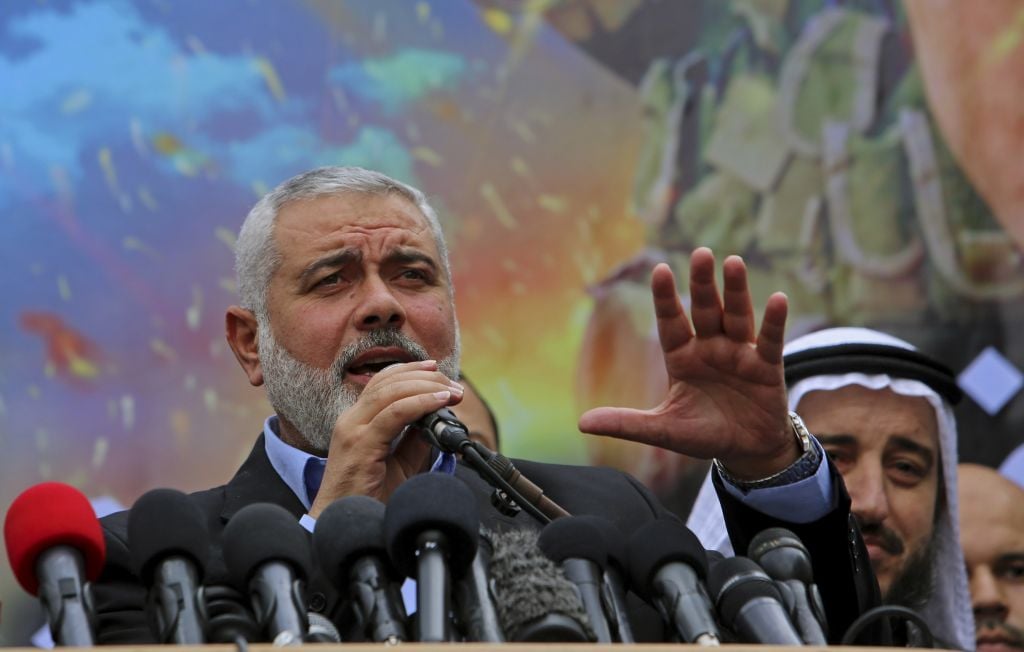
“It is our right to have a port and an airport,” in Gaza, he said.
Israel maintains a security blockade on Gaza to prevent Hamas, which openly seeks to destroy Israel, from importing weaponry.
Abu Srour, from Beit Jala, near the West Bank city of Bethlehem, was identified as the bomber who placed the explosive device on board the number 12 bus in the Talpiot neighborhood.
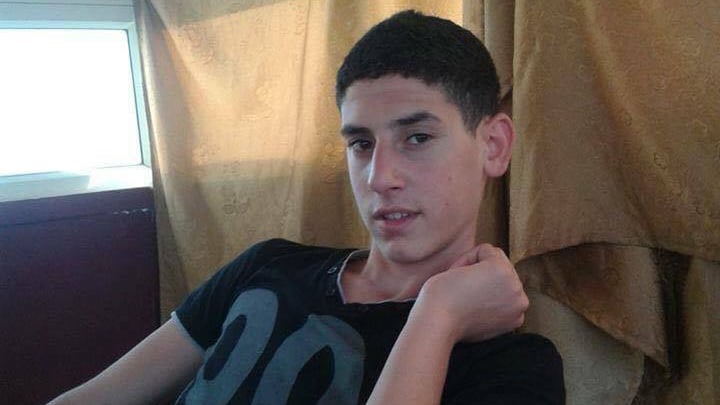
The Shin Bet said several Hamas members from Bethlehem have been arrested in connection with the attack after an intensive manhunt by the security service, police and the IDF.
The attack marked the first suicide bombing in the wave of Palestinian terrorism that erupted last October. Hitherto, the attacks — stabbings, shootings and car-rammings — had been characterized as “lone wolf” incidents. Hamas has been encouraging attacks on Israelis, and several plots are said to have been thwarted by security forces.
The bomber came from a well-known Bethlehem clan, some of whose members have a history of terrorism and violence against Israel.
The announcement came a day after Hamas said the bomber was a member. Israel had placed the details of his identity under a gag order.
The Hamas announcement fell short of a full claim of responsibility for the attack.
The terror attack broke weeks of relative calm in the city after a six-month wave of Palestinian stabbings, shootings and vehicular attacks seemed to be subsiding, and raised fears of a return to a type of violence not seen in Jerusalem for years.
Bus bombings were common during the Second Intifada, or uprising, in the early 2000s, but Monday’s attack was the first bomb targeting a bus in Jerusalem since 2011, when a British tourist was killed by a bomb planted next to a bus stop.
Prime Minister Benjamin Netanyahu on Monday night promised to “find whoever prepared this explosive device.”
“We’ll settle the score with these terrorists,” he said.
Judah Ari Gross and AFP contributed to this report.










The Times of Israel Community.