

Iran hardliners launched Hormuz attacks in defiance of leaders, undermining US deal — report
Iranian sources tell NYT Pezeshkian raged at IRGC chief, who denied authorizing July strikes; official probe traced them to powerful former Guards spymaster Hossein Taeb
 Add ToI as a Preferred Source on Google
A rogue group of Iranian hardliners sank the June truce deal between Washington and Tehran in July by attacking ships in the Strait of Hormuz behind the backs of the president, the Islamic Revolutionary Guard Corps and Supreme National Security Council, The New York Times reported Sunday, citing multiple unnamed Iranian and IRGC officials.
The attacks, which took place overnight July 6-7, damaged three commercial vessels, including a Qatari gas tanker, and triggered renewed US strikes and sanctions against Iran and tit-for-tat attacks, effectively ending the Memorandum of Understanding that the US and Iran had signed on June 17.
The rogue assault in Hormuz reportedly infuriated Iranian President Masoud Pezeshkian, who was in Iraq at the time as part of the weeklong funeral of Iran’s slain supreme leader, Ali Khamenei.
Pezeshkian rushed back to Tehran and angrily called IRGC chief Ahmad Vahidi to demand answers, but Vahidi denied authorizing the attack or knowing about it ahead of time, sources told The Times.
Iran, which never confirmed striking the vessels, relayed to the US that rogue operators were behind the attack, according to US and Iranian officials cited by The Times.
The Iranian attacks led to one of the most turbulent episodes of political infighting within Iran’s leadership in recent memory, The Times said, citing senior officials.
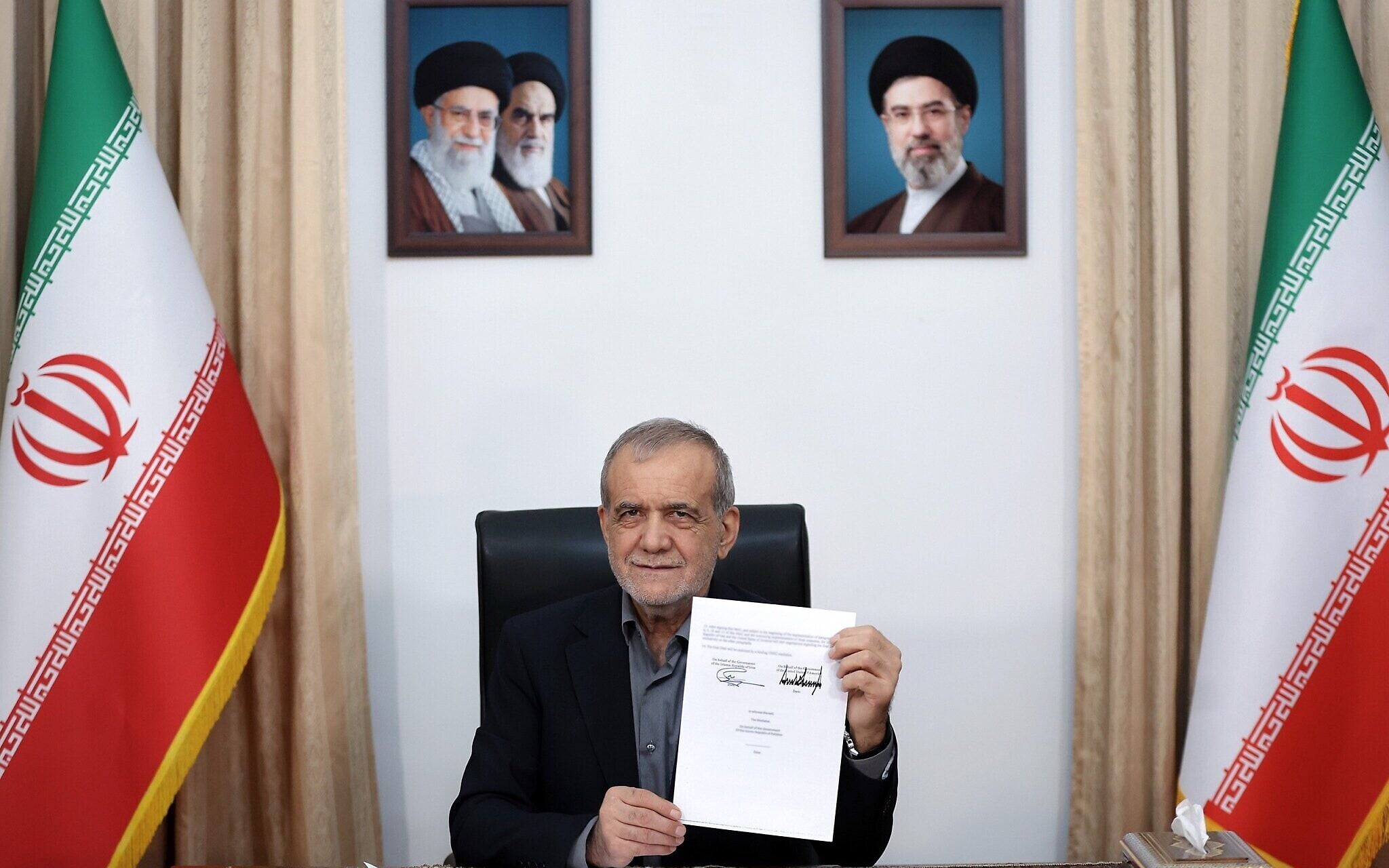
According to the Times, the hardliners’ success in derailing the interim deal with the US was partially due to the seclusion of Mojtaba Khamenei, who became supreme leader after his father Ali was killed in the opening strikes of the US-Israeli bombing campaign in Iran on February 28.
The younger Khamenei has not been seen in public since the opening strikes, which are thought to have left him badly wounded.
State media has circulated several written statements attributed to him, including criticism of the deal with the US, but The Times said some Iranian officials, including Pezeshkian himself, have expressed doubt about the veracity of those messages.
Pezeshkian demanded proof from generals who privately claimed Khamenei had approved the strikes that scuttled the deal with the US, The Times reported. It added that the president does not stand behind the official Iranian narrative, which blames the collapse of the June agreement on alleged US violations including the failure to rein in Israel in Lebanon.
According to the newspaper, official Iranian investigations pinned the attack that led to the truce talks’ collapse on the cleric Hossein Taeb, an influential opponent of the deal who had helped get Mojtaba Khamenei elected supreme leader in March.
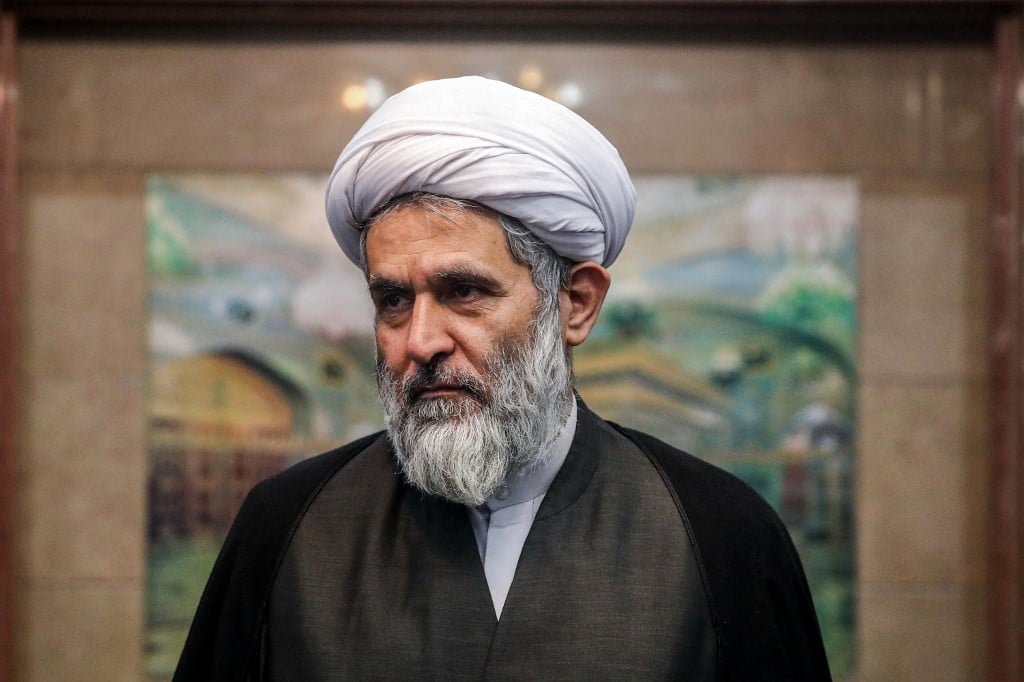
Taeb led the IRGC’s intelligence arm for nearly 15 years until Ali Khamenei removed him over failures including Israeli infiltration.
Mojtaba Khamenei recently appointed Taeb head of the Basij militia, responsible for quashing internal dissent. The appointment was seen as signaling authorities’ willingness to repeat January’s deadly crackdown on anti-regime protesters should demonstrations renew.





The Times of Israel Community.