

Why 3 years after Oct. 7, antisemitism in Canada remains at an alarming high
Amid a spate of attacks against Jewish targets in Toronto and Montreal, many Canadian Jews and their allies question whether the government is doing enough
 Add ToI as a Preferred Source on Google
The Conversation via Reuters Connect — Since Hamas’s terror attack on the Nova festival and on residents of several kibbutzim in southern Israel on October 7, 2023 — which killed 1,200 people and saw 251 taken hostage — incidents of antisemitism in Canada rose dramatically.
According to Jewish advocacy organization B’nai Brith Canada, of the 6,800 antisemitic incidents reported in 2025, 6,248 took place online. B’nai Brith’s audit is based on incidents reported directly to the organization and includes a broader range of conduct, such as online harassment.
The government agency Statistics Canada’s most recent figures, released in July 2026, show police-reported hate crimes against Jewish Canadians fell to 788 in 2025, down 16 percent from 943 in 2024 (part of a broader national decline in religiously motivated hate crimes that year).
But even with that year-over-year drop, the number remains well above pre-October 7 levels: with an increase of about 60% from 2021 to 2025. The Jewish community in Canada continued to be the most targeted religious group, accounting for roughly 70% of all hate crimes based on religion reported to police in both 2024 and 2025.
A 2026 study by sociologists Robert Brym and Rhonda Lenton found that some Canadians attributed rising hostility to Israel’s military response in Gaza — which resulted in approximately 71,000 Palestinian fatalities, a toll that does not distinguish between combatants and civilians — and the political polarization surrounding the conflict.
Meanwhile, a federal intelligence report found that threats to the Jewish community have also escalated since the Israel-Iran-US conflict began in February 2026, with online radicalization compounding the risk.
What is clear is that this rise in antisemitism is a Canadian concern. And how we respond to it as a country says as much about our civic health as it does about the safety of any one community.
Deborah Lyons, Canada’s former special envoy on preserving Holocaust remembrance and combating antisemitism from 2023 to 2025, was among the most consistent voices calling out this phenomenon. Still, few could have anticipated just how high the numbers would climb or how sustained the hostility toward Jews and Jewish-owned businesses in Canada would become.
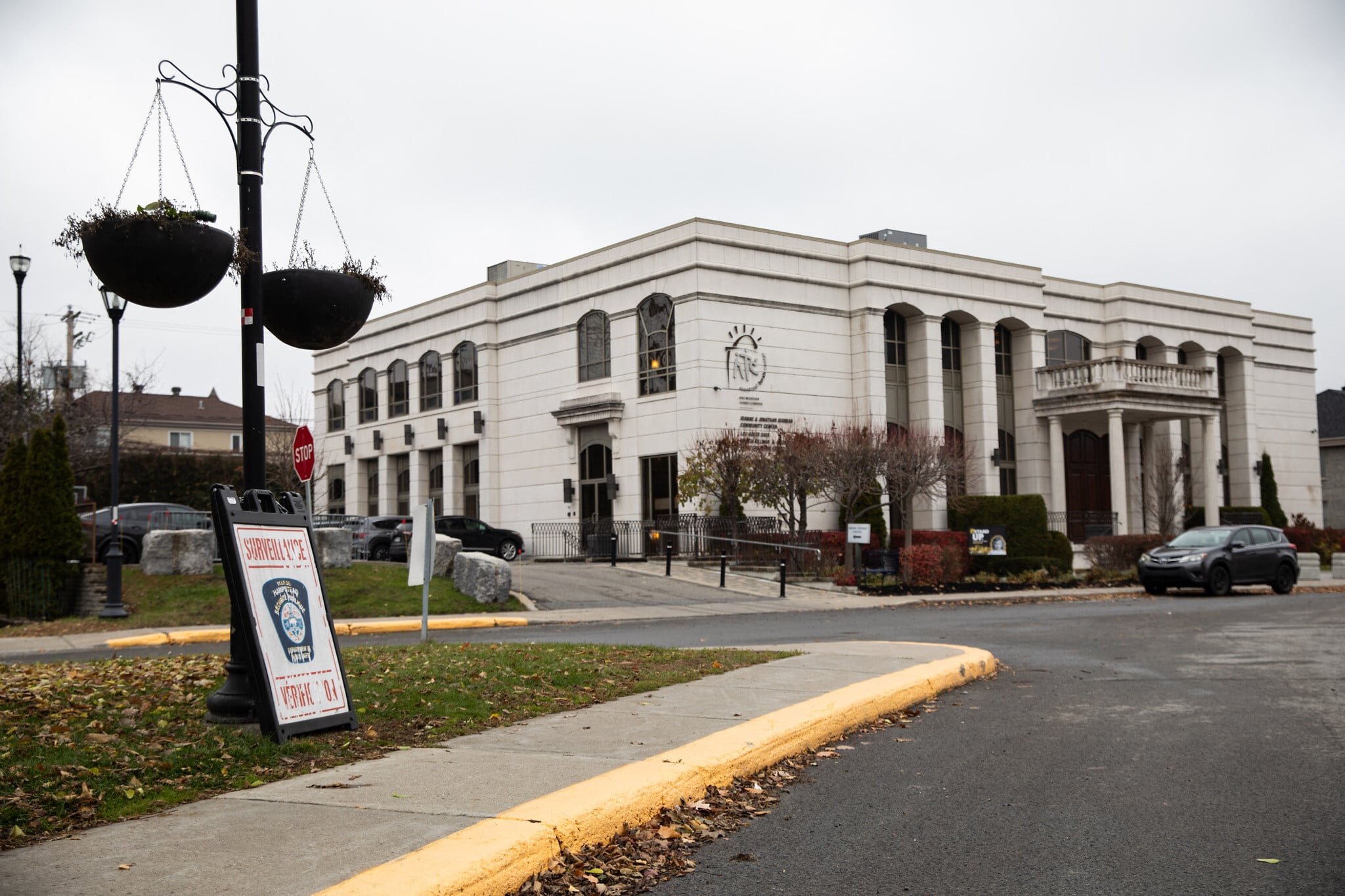
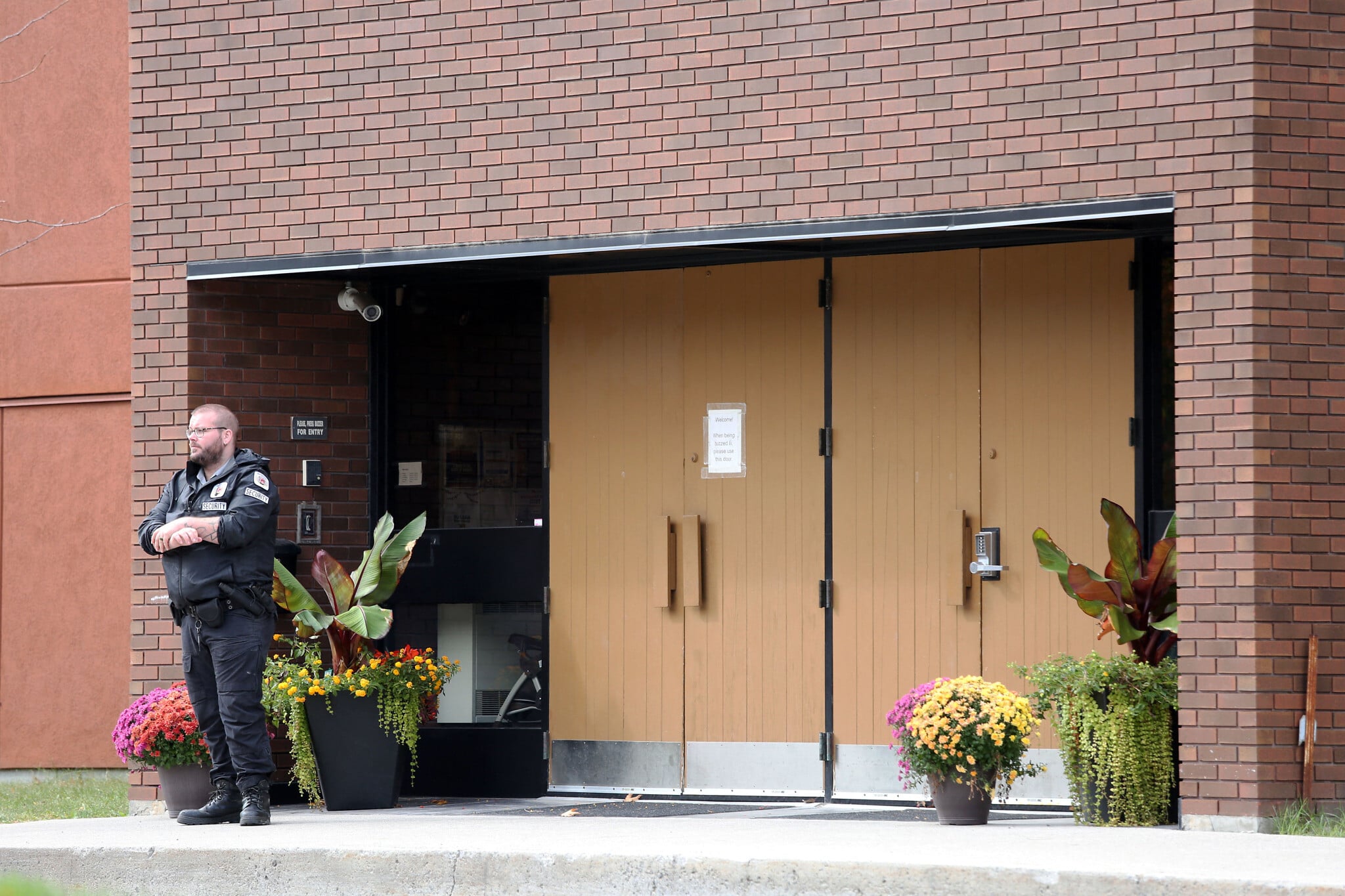
As Brym and Lenton note: “Because the impact of hate crime is more severe for Jews than for any other ethnic, racial, or religious group in Canada, Jews are the only group in the country that now requires surveillance cameras, protective fencing, bollards, and security guards at its places of worship, schools, and other community institutions.”
Defining antisemitism
We are scholars with backgrounds in the social sciences and humanities who focus on Holocaust education. It is difficult to separate discussions of the Holocaust from those of antisemitism, and the hatred itself is as old as the Jewish people.
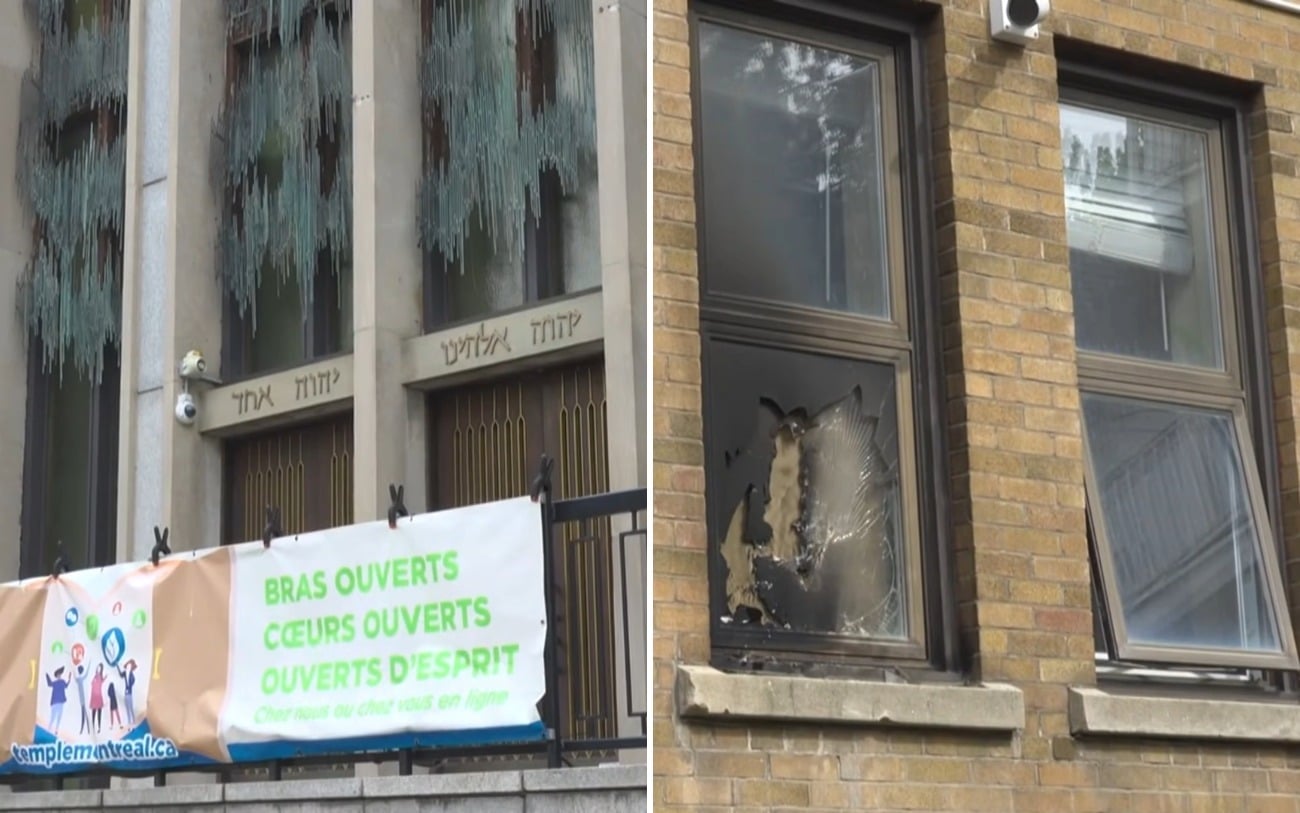
Frequently, antisemitism has manifested in violent ways. Two recent incidents illustrate the pattern: shootings and vandalism struck two Jewish-owned bakeries in Toronto, and in Montréal’s Outremont neighborhood, Hasidic residents were harassed and had their traditional fur hats (streimels) torn from their heads.
Incident reporting and police data are important tools for assessing the state of antisemitism in Canadian society. So too is naming and identifying what actually constitutes antisemitism.
The International Holocaust Remembrance Alliance offers the most widely used definition (adopted by 46 other countries, including Canada): “Antisemitism is a certain perception of Jews, which may be expressed as hatred toward Jews. Rhetorical and physical manifestations of antisemitism are directed toward Jewish or non-Jewish individuals and/or their property, toward Jewish community institutions and religious facilities.”
In 2024, to assist in contextualizing this definition, the Canadian government published The Canadian Handbook on the IHRA Working Definition of Antisemitism.
The presence and steady normalization of antisemitism speak to the kind of society we value: what it means to be Canadian, what type of civil society we want to nurture and what we will and won’t tolerate.
What Ottawa has and hasn’t done
In June 2026, Prime Minister Mark Carney addressed the issue directly. Speaking at Toronto’s Holy Blossom Temple, he told the congregation that “Canada’s civic compact is failing Jewish Canadians,” adding that “if that covenant fails one of our communities, it fails us all.”

Many Canadian Jews and their allies question whether Carney’s efforts go far enough to repair this social contract, which requires an immediate, multi-pronged, and sustained approach. Combating antisemitism in Canada is not only about policing the streets and properly guarding Jewish institutions, as Carney has proposed, although those remain essential components.
A truly multi-pronged approach, as House of Commons and Senate reports make clear, would work in partnership with the provinces to coordinate initiatives across education, the justice system and other key sectors, building toward a comprehensive national framework to combat antisemitism in Canada.
In December 2024, the House of Commons Standing Committee on Justice and Human Rights, chaired by MP Lena Metlege Diab, presented a blueprint for confronting antisemitism in Canada. It laid out 19 substantive recommendations addressing the changing face of antisemitism in the country.
In April 2026, the Senate Standing Committee on Human Rights released its report containing 22 recommendations. The first called for the reinstatement of the position of a special envoy on “Preserving Holocaust Remembrance and Combating Antisemitism.”
Governmental responses to these reports have produced mixed results.
Hate without borders
Among the concerns the Senate committee examined in depth were online hate, extremism, and the role of foreign entities. Today, our constant global connectivity means that there is a new, and readily accessible, platform for hate speech and threats of violence.
This requires preventing the flow of misinformation and hate speech, while ensuring online radicalization is not left to flourish unchecked. Even when antisemitic attacks take place in the real world rather than online, misinformation disseminated through the internet and social media appears to play an integral role.
Social media platforms let hate speech travel without a passport; the ideologies of extremism are not stopped at the border. Antisemitic violence can occur on one country’s soil while being shaped by content from all corners of the globe.
Political scientist Kawser Ahmed examined this phenomenon, documenting how hate and antisemitism can now be outsourced to assailants hired for pay with no personal stake.
Antisemitism does not only victimize a segment of Canadian society; it also acts as a barometer for the health of a democratic society. When normalized, it erodes the principles of equality, pluralism, and the rule of law that defines Canadian values.
Combating it is not only about safeguarding Jewish Canadians; it is about defending the kind of country we aspire to be.
Carson Phillips is a faculty member with The Holocaust and Genocide Studies Program at Gratz College and a Canadian delegate to the International Holocaust Remembrance Alliance. Regan Lipes is an assistant professor of Comparative Literature and English at MacEwan University.










The Times of Israel Community.