

As parties lock in, Eisenkot plots path to power through heart of old Likud
With political landscape static, Netanyahu’s way to victory is uncertain, while his chief rival is leaning right with a new party that looks a lot like what Likud used to be

 Add ToI as a Preferred Source on Google
Ariela Karmel is a political correspondent at The Times of Israel. She previously reported for Calcalist and Haaretz. She holds an MA in Middle Eastern and African History from Tel Aviv University and a BA in Political Science from the University of British Columbia.
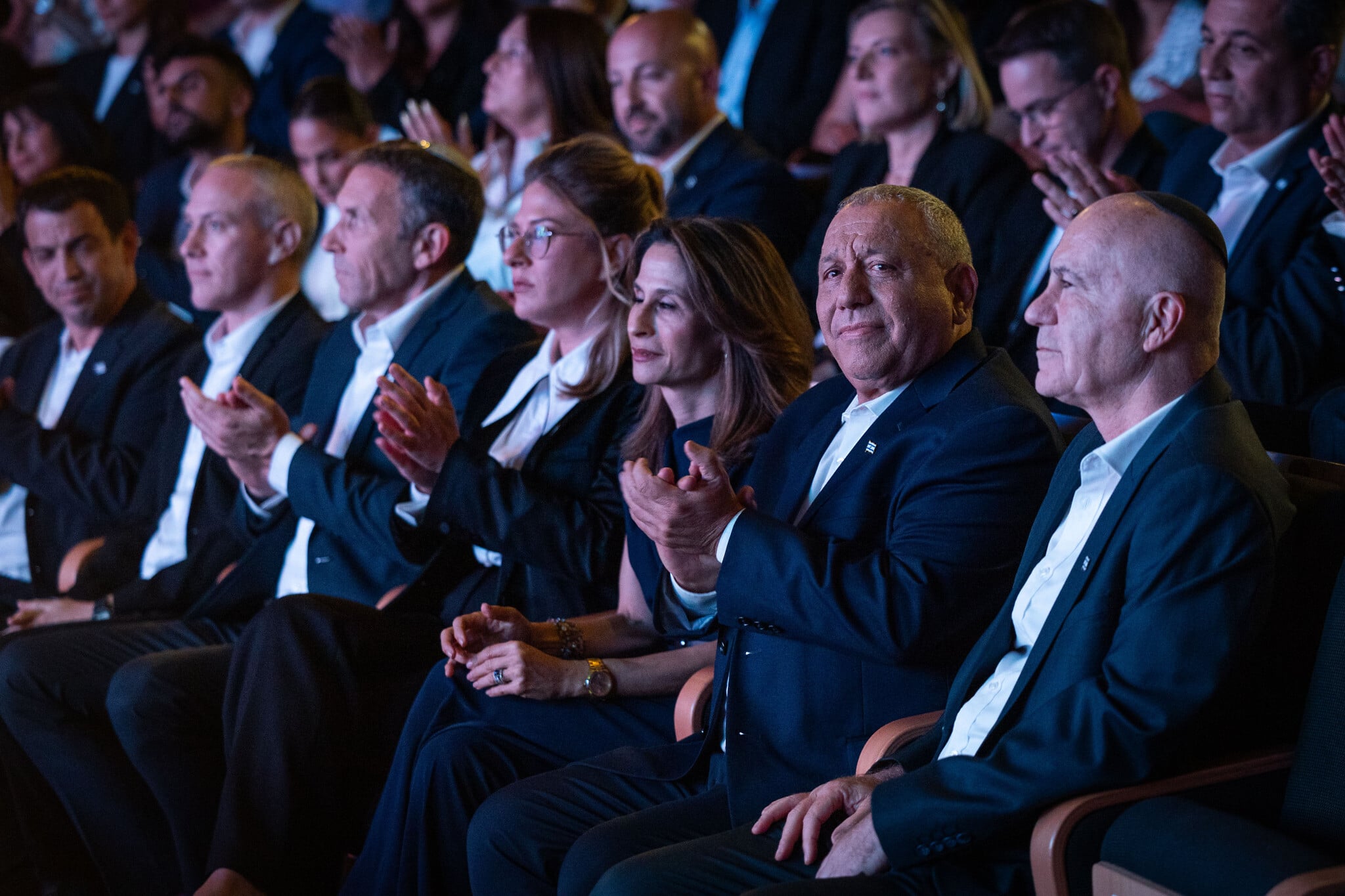
Israel’s political parties spent the final weeks before last week’s deadline to submit their candidate lists in a flurry of activity, recruiting generals, reservists and political defectors, negotiating mergers and remaking their rosters for the first national election since the Hamas-led massacre on October 7, 2023.
But when the dust settled, the deadline passed, and the last of 38 parties had submitted their slates for the October 27 vote, the political map looked remarkably familiar. There were no dramatic last-minute mergers, and fresh polls showed the basic electoral arithmetic remained largely unchanged.
Prime Minister Benjamin Netanyahu’s bloc still has no obvious path to a majority; the parties seeking to oust him remain ideologically disparate and divided over potential coalition partners.
In past elections, the final moments before the electoral lists were submitted could be edge-of-your-seat affairs, with much of the tension coming from attempts by Netanyahu to engineer mergers between likely allies and head off infighting that could hurt his coalition hopes.
This year, many parties submitted their slates well before the deadline, staying independent and heading off 11th-hour haranguing from the wheeler-dealer in chief.
Netanyahu, it seems, has bigger fish to fry anyway.
Rather than worrying about the clutch of smaller allied parties like Otzma Yehudit, Religious Zionism and People of Israel scrambling for right-wing votes, the Likud leader’s chief concern is likely the fact that he too will need to wrestle for right-wing support, and not with a potential ally but with his chief rival.
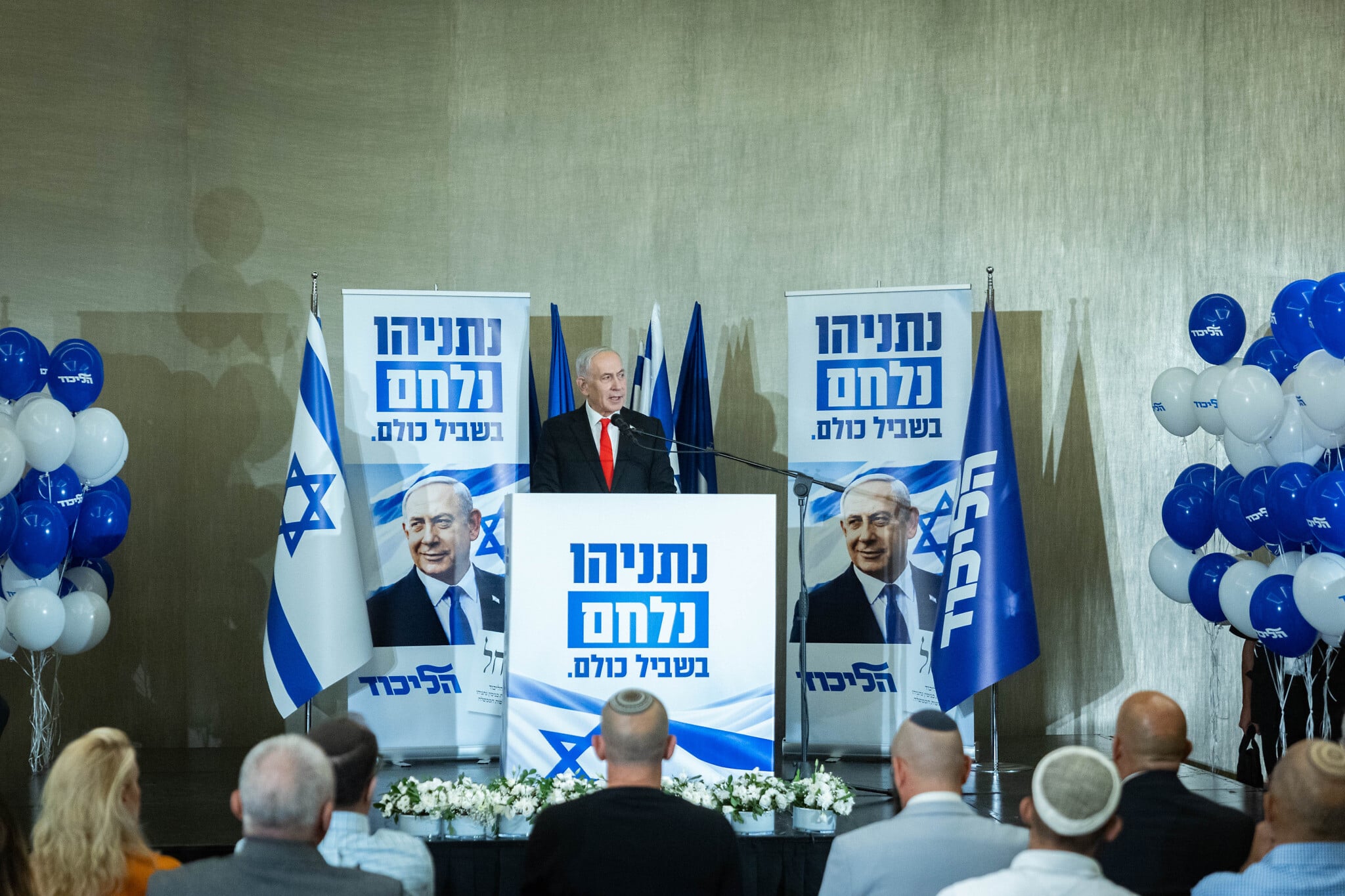
Reflecting a broad rightward shift among the Israeli electorate, Yashar leader Gadi Eisenkot is winning voters on the right and leading in the polls by presenting a party that in many ways resembles the Likud of yesteryear.
Survey after survey has put Yashar slightly ahead or neck-and-neck with Likud, making Eisenkot the opposition figure with the clearest path, not only to leading the next Knesset’s largest party, but to forming the next government and replacing Netanyahu as prime minister.
For support, Netanyahu will largely rely on the right-wing parties that refused his attempts at amalgamation and will now compete for the same limited pool of votes.
The result is a smattering of smaller allied parties competing for the same pool of right-wing votes. Ofer Winter’s People of Israel party has so far appeared largely to draw support from other parties on the right, including Religious Zionism, which has been hovering around the electoral threshold for months, and saw little gain after bringing Moshe Feiglin of the libertarian Zehut party aboard.

Benny Gantz’s Blue and White could theoretically offer another source of support. Gantz has never categorically ruled out governing with Netanyahu and has bailed out his governments before. But after months of polling below the threshold and the steady hemorrhaging of prominent figures from his party, it is far from clear that Blue and White will have any seats to offer.
As a result, Netanyahu’s potential bloc looks remarkably unchanged from the one he has been ruling with: Likud alongside the Haredi Shas and United Torah Judaism parties, and the far-right Otzma Yehudit and Religious Zionism, albeit with the possible addition of Winter. But even polls that show all six parties entering the Knesset have the bloc falling far short of the 61 seats needed to govern, much of it due to bleeding support from Likud, with no clear path toward forming a government.
While much of the backing that once went to Likud has now found its way to Yashar, the rest of anti-Netanyahu camp spans a much broader ideological spectrum.
Yashar, B’Yachad, the Democrats and Yisrael Beytenu — the four main Zionist parties seeking to replace the government — have agreed to cooperate toward that goal and signed vote-sharing agreements between themselves to ensure no surplus votes are wasted. However, they emerged from the candidate-list deadline as more distinct political projects with different electorates and potentially conflicting ideas about what should come next.
For much of the campaign, the distinction between Yashar and Naftali Bennett’s B’Yachad was considerably less clear. Bennett initially sought to establish himself as the opposition figure capable of replacing Netanyahu by building a broad coalition that reached deep into the Israeli right.
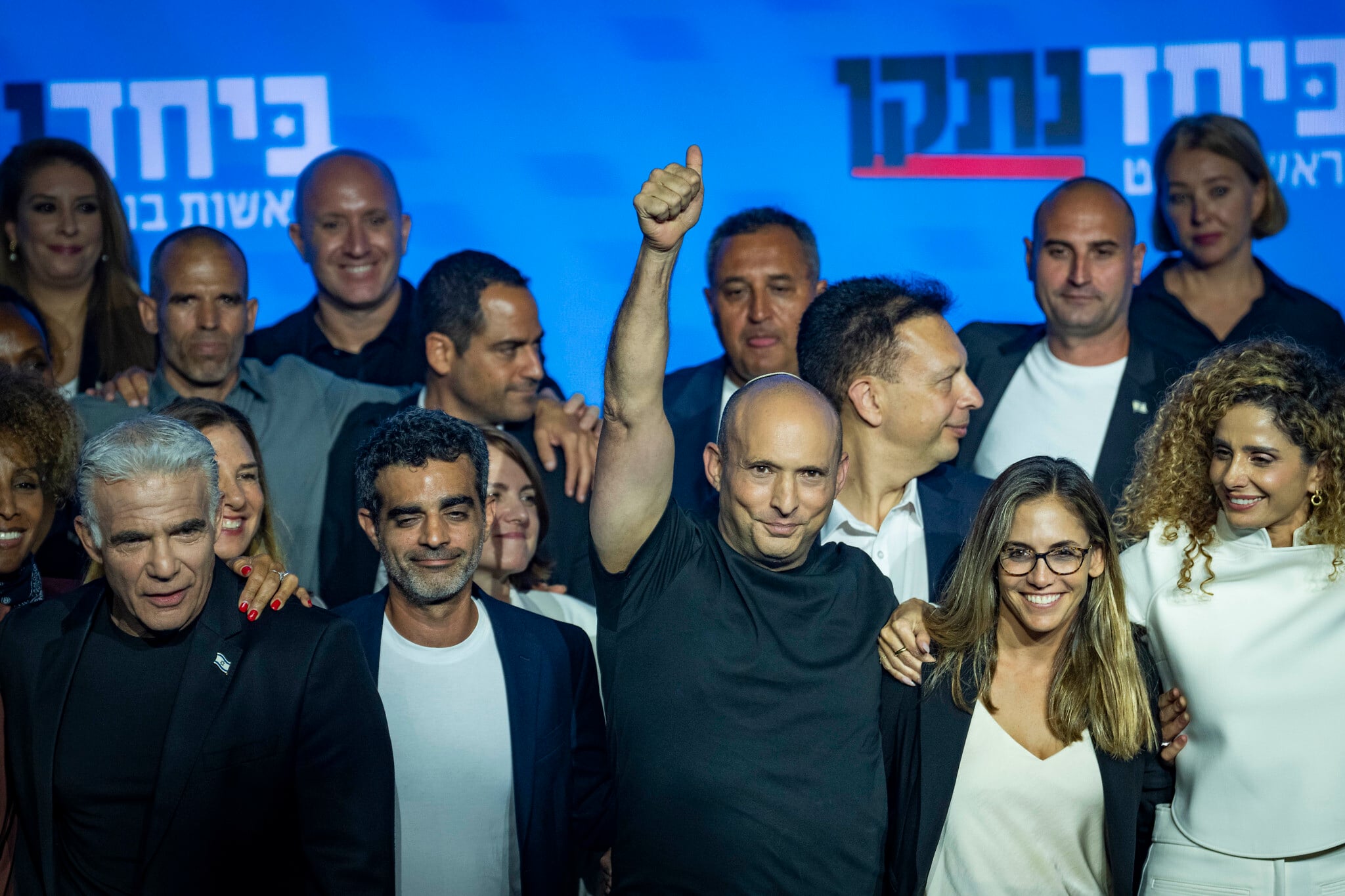
But as Eisenkot’s meteoric rise increasingly drew those voters to Yashar, B’Yachad shifted its emphasis toward the constituency that remained: liberal Zionist centrists who do not necessarily identify with either the left or right.
The Democrats, meanwhile, occupy the clearest position on the Zionist left, while Avigdor Liberman’s Yisrael Beytenu remains firmly secular and hawkish. Their final candidate lists contained few changes or new faces and, like most of the slates submitted last week, little that fundamentally altered the political identities they had already established.
The result is almost the inverse of Netanyahu’s predicament: The parties seeking to replace him have more potential routes to a majority, but considerably less agreement over what a government comprising them would look like.
The old-new Likud
At the center of those competing paths is Eisenkot. Survey after survey has put Yashar narrowly ahead or neck-and-neck with Likud, making Eisenkot the opposition figure with the clearest path, not only to leading the next Knesset’s largest party, but to forming the next government and replacing Netanyahu as prime minister.
That makes the character of the party he has assembled all the more consequential. While Yashar presents itself as a new, broad political home capable of transcending Israel’s traditional divisions, and its candidate list is certainly filled with new faces, the politics those candidates represent are considerably more familiar.
At the unveiling of its 40-person slate before hundreds of supporters in Rosh Haayin on September 7, established politicians were a minority on a roster heavy on former senior civil servants, security officials, reservists, municipal leaders and people whose lives had been shaped by October 7 and the ensuing war.

The event itself felt less like a campaign rally than a party preparing for battle. There was little of the tribal, almost familial atmosphere that characterizes Likud gatherings, or the youthful exuberance of B’Yachad’s candidate launch a day earlier. If B’Yachad’s event felt like a pep rally, Yashar’s had something closer to the atmosphere of a war room.
And yet, whether the largely unknown candidates presented onstage are actually prepared to govern is harder to judge. Many have impressive careers outside politics but little or no experience in national political office.
The slate’s relative anonymity also carries a political risk. With so many candidates who have never held elected office, voters have little record of their stances on key issues, how firmly they hold their stated positions or how they would behave under the pressures of governing.
Former prime minister Naftali Bennett learned that lesson painfully after members of his right-wing Yamina party, most notably Idit Silman and Amichai Chikli, defected from his camp and brought down his short-lived government before later joining Likud and receiving ministerial posts.
That precedent is particularly relevant given just how far to the right Eisenkot’s own roster tilts, despite Netanyahu and his allies’ efforts to denigrate Yashar as the vehicle for the Israeli left’s return to power.
Yashar steadfastly avoids defining itself as either right or left. A teenage activist at the party conference described Eisenkot as “not left-wing or right-wing, but straight, clean, honest.”
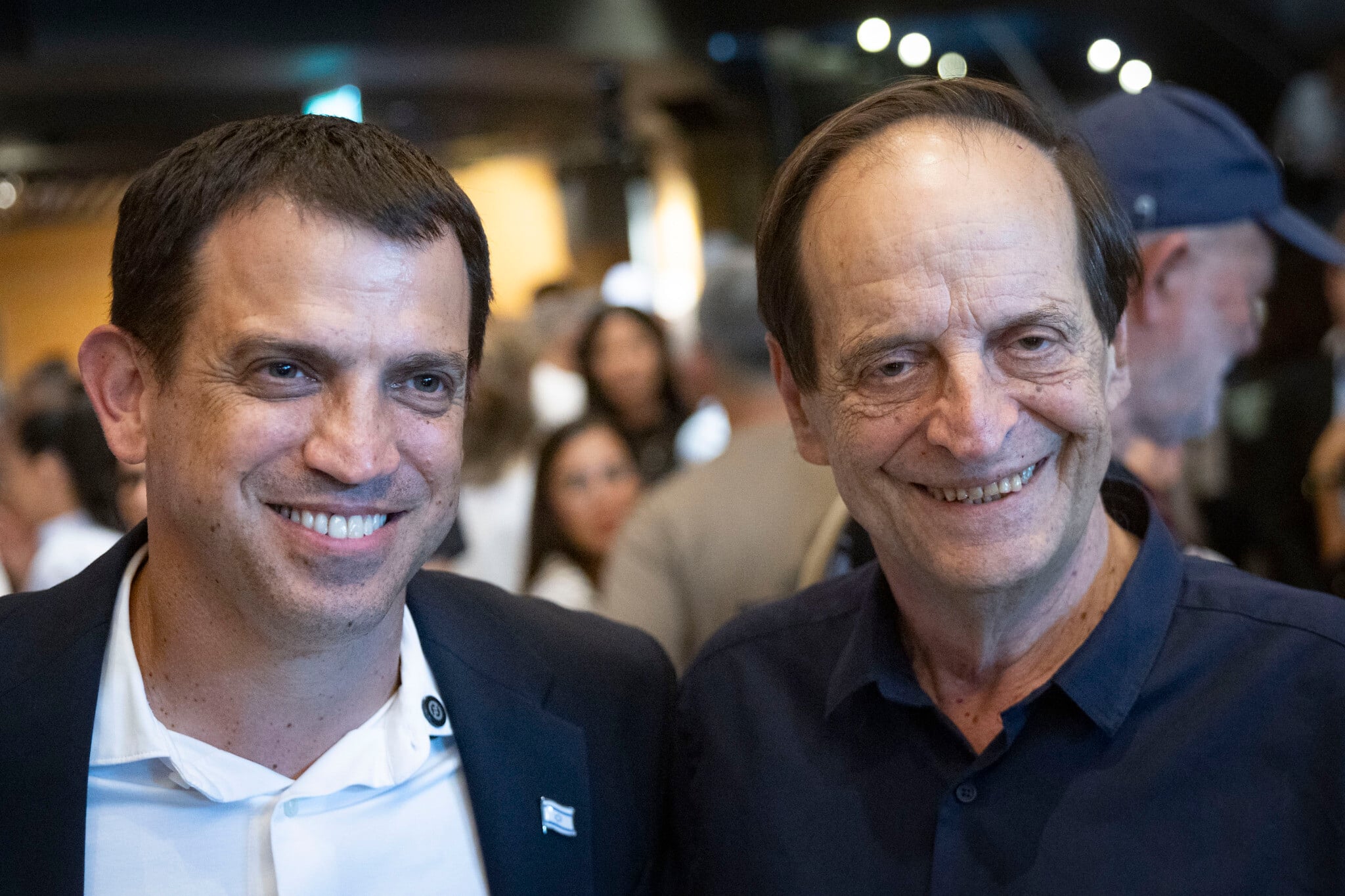
And yet, the party isn’t gunning for opposition voters, but for former Likud and other right-wing voters who have lost faith in Netanyahu without abandoning their underlying politics. Its candidates resemble the Likud of old — before loyalty to Netanyahu and dependence on the Haredi parties came to define the party.
“We know guys who have always said ‘just Bibi’ because that’s what they heard at home, but now they’re opening up to other places and looking at other options,” the teenage activist said.
Near the top of its slate is a scion of the old Likud, Shaul Meridor, a former Finance Ministry budget chief and son of former Likud minister turned anti-government critic Dan Meridor.
While the full electoral roster appears largely secular, religious Zionists are disproportionately represented among its top candidates, including former Yesh Atid MK Elazar Stern, former Blue and White MKs Matan Kahana and Chili Tropper, Shira Shapira, Elyasaf Peretz, and Yoram Cohen.

Several of its established politicians come, like Eisenkot, from Benny Gantz’s now-imploding Blue and White, including Kahana, Tropper, and Orit Farkash-Hacohen. Like Yashar, Gantz’s party drew heavily from the center-right, and joined hands with a Netanyahu-led government on more than one occasion, including immediately after October 7.
Taken together, the slate complicates things for anti-government, primarily liberal and secular voters who may have hoped that Netanyahu’s ouster would usher in a new era of progressivism, but see an Eisenkot-led government as the only conceivable chance of unseating the longtime premier and the most radical right-wing government in the state’s history.
What most clearly places Yashar’s candidates on the opposite side of Israel’s political divide from Netanyahu and his allies is their opposition to the current government’s dependence on the Haredi parties and refusal to take responsibility for October 7, rather than a fundamentally different ideological worldview.
Unlikely bedfellows
Yet even as Yashar has made universal service one of its defining campaign promises, which was repeatedly stated at last week’s event, alongside October 7 accountability and restoring public faith in government, Eisenkot has left open the possibility of governing with the Haredi parties that have spent much of the outgoing government fighting efforts to expand conscription.
Inbar Harush Gity, the former head of the Defense Ministry directorate tasked with promoting Haredi enlistment and No. 11 on Yashar’s slate, reiterated to The Times of Israel in Rosh Haayin that the party would legislate mandatory military or national service for all Israelis and impose economic sanctions on those who refuse to serve while creating military and educational frameworks designed to make service more accessible to Haredim.
That position distinguishes Eisenkot from B’Yachad, the Democrats and Yisrael Beytenu, which have ruled out governing with the Haredi parties. By contrast, Eisenkot has made overtures toward Shas, while Adina Bar-Shalom, daughter of late Shas spiritual leader Rabbi Ovadia Yosef, was given an honorary place on the Yashar slate and applauded at last Monday’s event.
Asked about the apparent contradiction, Harush Gity said universal service would be a condition for any party entering a Yashar-led coalition.
“None of the Haredi parties that I know today have accepted this principle,” she said. “They’ve ruled themselves out if they don’t accept this.”

For now, that makes a Yashar-Shas partnership largely theoretical. But Eisenkot’s refusal to close the door is revealing. Should Shas ultimately accept some form of Haredi conscription, Yashar could find itself in a position similar to decades of Likud-led governments dependent on Haredi partners for a parliamentary majority.
Conscription is only one component of that relationship, alongside educational standards, workforce participation and extensive public funding for institutions that have allowed the Haredi community to maintain a significant degree of autonomy. Yashar has articulated a detailed position on service, but has been less clear about how fundamentally it would seek to change that broader arrangement — or what it would be prepared to concede to Haredi coalition partners on those issues.
None of this makes Yashar equivalent to Netanyahu’s Likud, nor an Eisenkot-led government interchangeable with the current one. But it underscores what the party’s rhetoric, candidate list and target electorate already suggest: Yashar is not a liberal-left alternative to Likud. It is in many respects competing to offer a different version of the Israeli right — one promising different leadership, greater institutional restraint and accountability for October 7, but potentially facing some of the same coalition dependencies and ideological vision that shape today’s Likud.
The Haredi parties’ own candidate lists suggest they understand how much the terms of that electorate have changed.
Perhaps the most incongruous addition to any of the major parties’ slates was Maj. (res.) Dror Amos, chairman of the Haifa Religious Council, whom Shas placed sixth — a realistic Knesset slot for the party which is polling at around seven seats.
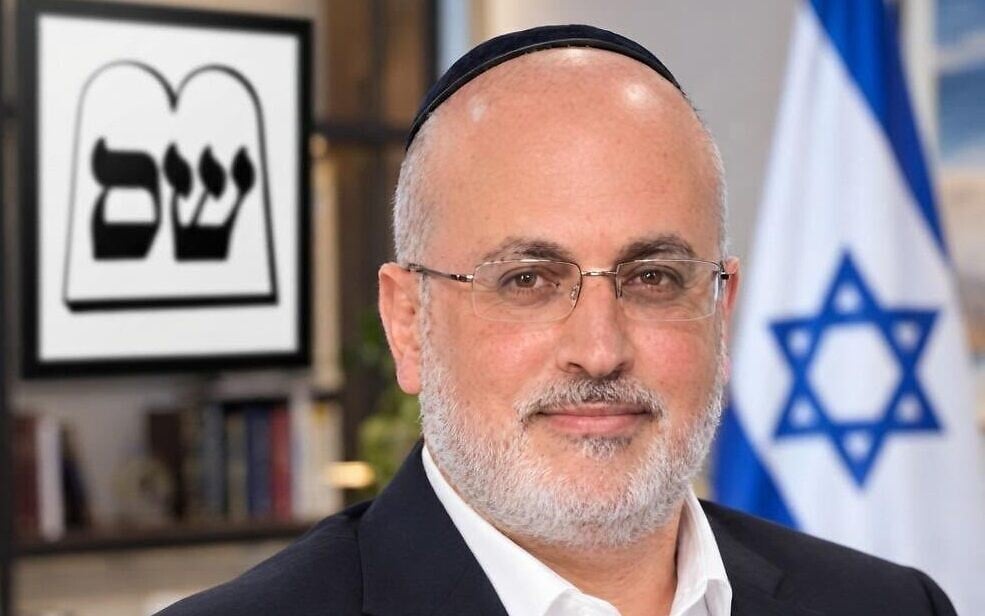
Unlike the other main Haredi party, United Torah Judaism, several past and present Shas lawmakers have served in the military — as do some in the party’s base. Amos’s conspicuous placement reflected the party’s increasingly visible effort to emphasize military service within its own ranks, despite having spent much of the outgoing government attempting to legislate draft exemptions for the Haredi community.
It also raises the question of whether Shas is trying to make itself more palatable to Yashar and clear a path to joining a future coalition. B’Yachad, the Democrats and Yisrael Beytenu have all vowed not to govern with the Haredi parties, making it difficult to imagine them joining such a government — though coalition arithmetic can have a way of softening campaign-season red lines.
Eisenkot may also have another potential route to a majority. Mansour Abbas’s Ra’am is running separately from the revived Joint List and polling above the threshold, potentially giving the opposition the handful of seats it would need if Yashar, B’Yachad, the Democrats and Yisrael Beytenu fall short of 61 on their own.
Ra’am, too, appears to be making itself more acceptable to Eisenkot by adding former Yesh Atid lawmaker Yoav Segalovitz, a widely respected former senior police commander, though the party has not explicitly accepted the conditions Eisenkot has set for potential coalition partners, including recognition of Israel as a Jewish and democratic state, supporting the values of the Declaration of Independence and mandatory military or national service for all citizens.
Whether all four opposition parties would agree to govern with Ra’am remains equally uncertain. But between Abbas and the possibility — however remote — of Shas, Eisenkot has potential sources of support beyond the four-party opposition bloc, an advantage Netanyahu currently lacks.









The Times of Israel Community.